Quick TakeArticle at a glance
- The best Marvel fighting games, ranked, run from a 1996 arcade cabinet to a 2026 release that just shipped its first DLC character.
- Still the series' critical high point at 90 on Metacritic (Dreamcast version), Marvel vs.
- The definitive version of Capcom's HD-era reboot, rated 80 on Metacritic for PS3 and PS Vita.
The best Marvel fighting games, ranked, run from a 1996 arcade cabinet to a 2026 release that just shipped its first DLC character. Decades of Marvel vs. Capcom crossovers, plus Arc System Works’ new Tokon series, have given the genre an unusually deep bench — this ranking weighs each game’s critic reception, lasting competitive legacy, and how it holds up to play today.
1. Marvel vs. Capcom 2: New Age of Heroes (2000)
Still the series’ critical high point at 90 on Metacritic (Dreamcast version), Marvel vs. Capcom 2’s 56-character roster and assist-based 3v3 tag system turned it into a competitive staple that stayed on EVO’s mainstage for over a decade after release — longer than any other game on this list has been relevant at all.
2. Ultimate Marvel vs. Capcom 3 (2011)
The definitive version of Capcom’s HD-era reboot, rated 80 on Metacritic for PS3 and PS Vita. Ultimate added 12 characters and rebalanced the base Marvel vs. Capcom 3, and its mix of simplified special-move inputs with deep team-synergy tech is still the series’ most-played modern entry on fighting game stream platforms.
3. Marvel Tokon: Fighting Souls (2026)
The newest entry is also, on paper, the best-reviewed: 87 on Metacritic and 86 on OpenCritic (“Mighty,” 90% critic recommend) for its PS5 version. The catch is the PC release, where Steam user reviews sat at 46% positive after launch-week performance and PSN-linking complaints — a November 2 patch adding a performance benchmark and matchmaking filter is Arc System Works’ attempt to close that gap months later.
4. Marvel vs. Capcom 3: Fate of Two Worlds (2011)
The base game Ultimate later overhauled, Fate of Two Worlds scored 85 on Metacritic and introduced the snapback mechanic and selectable assists that every Marvel vs. Capcom since has built on. Its 53-character online roster was still being patched for balance a year after launch.
5. X-Men vs. Street Fighter (1996)
The game that started the tag-team crossover formula, three years before aggregator sites like Metacritic existed to score it. Contemporary reviews gave it 3/5 (Next Generation) and 4/5 (AllGame), and it topped Japan’s arcade charts for all of November 1996 — the template every later Marvel vs. Capcom entry is still running.
6. Marvel vs. Capcom: Infinite (2017)
The low point of the mainline series at 72 on Metacritic. Dropping the three-character teams and assist system for 2v2 duos with Infinity Stone powers split the fanbase, and a roster built mostly from recent MCU-adjacent picks over fan-favorite X-Men and Fantastic Four characters drew criticism the series hadn’t faced before. It’s the clearest example on this list of a format change costing a game its audience.
How These Games Compare
| Game | Year | Critic Score | Format |
|---|---|---|---|
| Marvel vs. Capcom 2: New Age of Heroes | 2000 | 90 Metacritic | 3v3 tag team |
| Marvel Tokon: Fighting Souls | 2026 | 87 Metacritic / 86 OpenCritic | 4v4 tag team |
| Marvel vs. Capcom 3: Fate of Two Worlds | 2011 | 85 Metacritic | 3v3 tag team |
| Ultimate Marvel vs. Capcom 3 | 2011 | 80 Metacritic | 3v3 tag team |
| Marvel vs. Capcom: Infinite | 2017 | 72 Metacritic | 2v2 duo |
| X-Men vs. Street Fighter | 1996 | No aggregate (pre-Metacritic) | 2v2 tag team |
Why Marvel Tokon Already Ranks This High
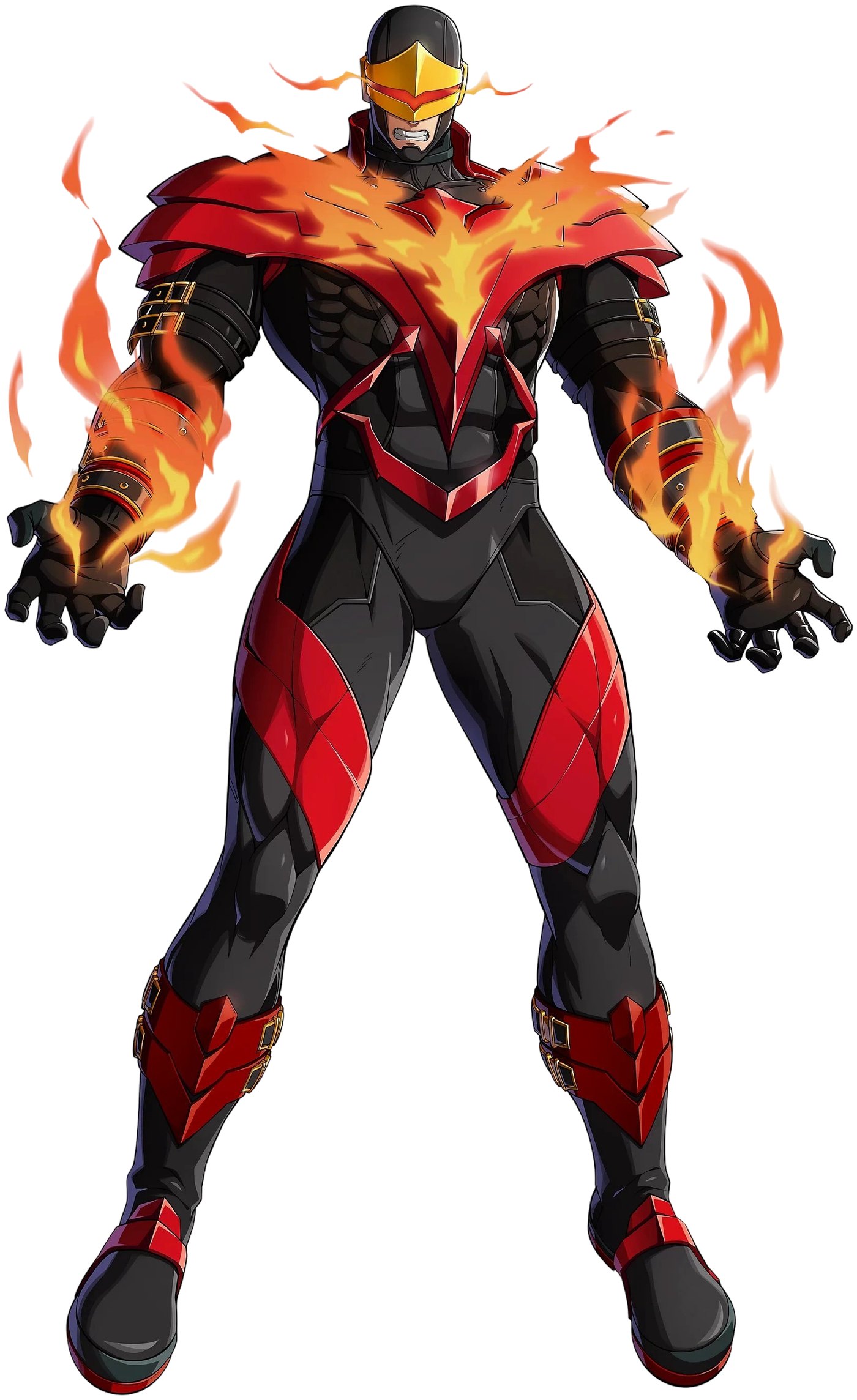
It’s unusual for a six-month-old game to sit above two entries with over a decade of competitive track record, but Marvel Tokon’s PS5 critic scores — 86 on OpenCritic, in the top 5% of all games it has scored — genuinely out-rate every mainline Marvel vs. Capcom game except the Dreamcast original. What keeps it from the top isn’t the fighting system — it’s that the PC version’s launch problems are still the first thing many players hear about the game, which matters for a ranking this specific as much as for the game’s own sales. For the character roster angle, see our running coverage of the newest DLC fighter, Phoenix Cyclops, and our wider list of the strongest X-Men characters his design pulls from.
Frequently Asked Questions
What is the best Marvel fighting game of all time?
By critic score, Marvel vs. Capcom 2: New Age of Heroes (2000) leads at 90 on Metacritic, and its competitive legacy — it stayed on EVO’s mainstage for over a decade — backs that up.
Is Marvel Tokon: Fighting Souls good despite the mixed Steam reviews?
Critic reviews rate it highly (87 Metacritic, 86 OpenCritic “Mighty” on PS5). The lower Steam user score reflects PC-specific launch issues — performance and PSN-linking complaints — not the core fighting game, which a November 2026 patch is actively still fixing.
Why is Marvel vs. Capcom: Infinite ranked lowest?
Infinite scored 72 on Metacritic, the lowest of the mainline series, after replacing the 3-character assist-based teams with 2v2 duos and Infinity Stone powers — a format change that split the existing fanbase rather than growing it.
Is X-Men vs. Street Fighter still playable today?
It’s an arcade-era title without a modern digital re-release, so playing it legitimately requires original arcade hardware or a licensed compilation; it has no standalone PC or console port as of this writing.
Does this list include Marvel’s non-Capcom fighting games?
Yes — Marvel Tokon: Fighting Souls (2026) is Arc System Works’ series, not a Capcom crossover, and X-Men vs. Street Fighter predates the Marvel vs. Capcom branding, but both are part of the same lineage of Marvel tag-team fighters.