Quick TakeArticle at a glance
- The best Flash reading order starts with Geoff Johns' The Flash: Rebirth, moves through Flashpoint, and picks back up at DC Rebirth, where Wally West — not Barry Allen — becomes the ongoing series' main character.
- For most of the 2011-2016 New 52 era, Wally West — the Flash who grew up as Barry Allen's sidekick and carried the mantle solo for nearly 20 years in the 1990s and 2000s — didn't exist in DC's main timeline at all.
- Geoff Johns and Ethan Van Sciver's six-issue The Flash: Rebirth is the real jumping-on point for modern Flash continuity.
The best Flash reading order starts with Geoff Johns’ The Flash: Rebirth, moves through Flashpoint, and picks back up at DC Rebirth, where Wally West — not Barry Allen — becomes the ongoing series’ main character. That last part catches new readers off guard: Wally spent five real-world years erased from DC continuity entirely.
Wait, Wally West Disappeared From DC Comics?
For most of the 2011-2016 New 52 era, Wally West — the Flash who grew up as Barry Allen’s sidekick and carried the mantle solo for nearly 20 years in the 1990s and 2000s — didn’t exist in DC’s main timeline at all. Barry Allen ran the franchise alone. DC brought Wally back by name in the one-shot DC Universe: Rebirth #1 (2016), and the character has been rebuilding his place at the center of the Flash family ever since. If you’ve only seen Wally in the Arrowverse or Young Justice and wondered why the comics felt Barry-only for a while, that gap is why. Retailers weren’t shy about wanting him back either: DC Universe: Rebirth #1 pulled an estimated 235,791 units in initial orders in May 2016, DC’s biggest single order in years.
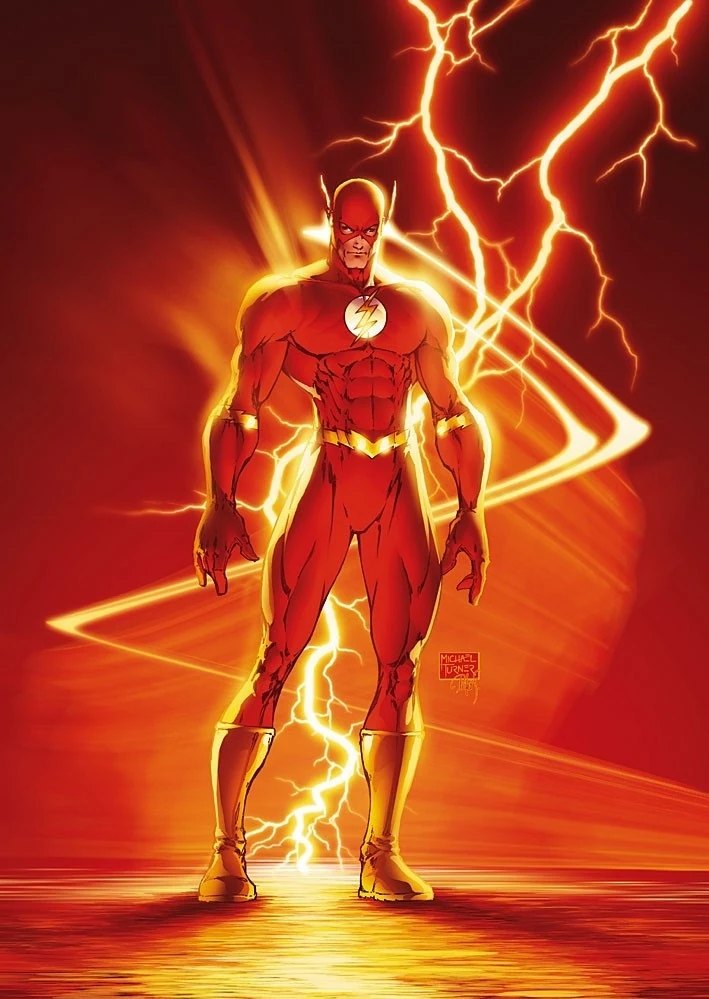
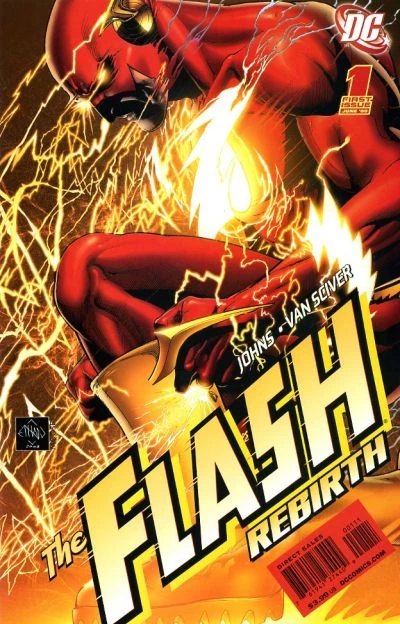
Start Here: The Flash: Rebirth (2009)
Geoff Johns and Ethan Van Sciver’s six-issue The Flash: Rebirth is the real jumping-on point for modern Flash continuity. It brings Barry Allen back from the dead after his 1985 sacrifice in Crisis on Infinite Earths, re-establishes the Speed Force as the engine behind every speedster’s powers, and pushes Barry’s rivalry with Eobard Thawne (the Reverse-Flash) to the breaking point. Everything DC has done with the Flash family since traces back to choices made in these six issues.
Flashpoint (2011): The Point of No Return
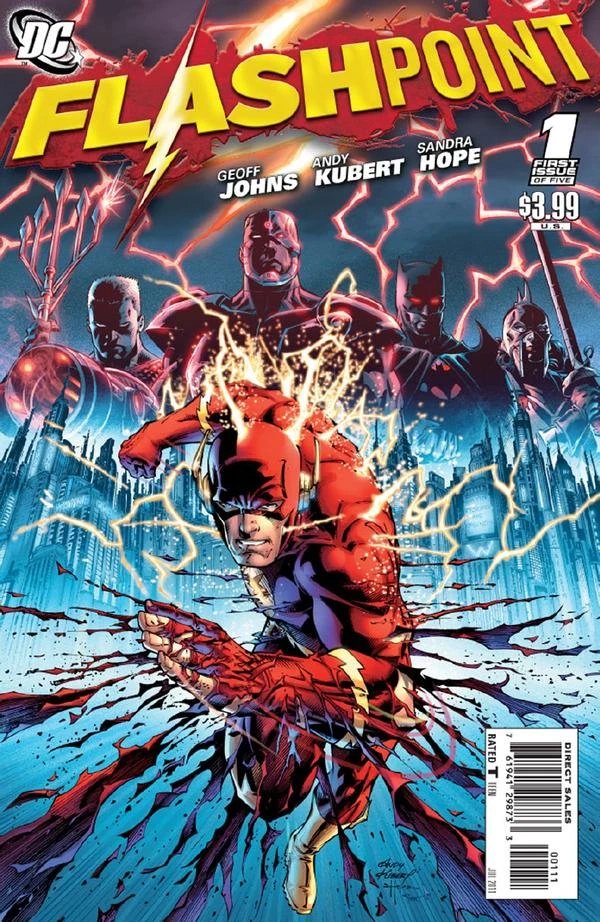
Flashpoint is Johns’ five-issue send-off to his own Flash run, and it’s the one Flash story most non-Flash readers already know secondhand: Barry wakes up in an altered timeline where his mother is alive and the rest of the DC Universe is unrecognizable, and fixing it comes at a cost that reshapes DC continuity into the New 52. You don’t need the preceding Johns run to follow it, but you do need it before anything that comes after — Flashpoint is the hinge the next decade of Flash stories swings on.
Skip the New 52 Solo Run (Unless You Want Barry-Only Flash)
Francis Manapul and Brian Buccellato’s New 52 Flash (2011-2015) is visually the best-looking Flash comic DC has published, with Manapul’s art treating speed itself as a storytelling tool. But it’s a Barry-only era with no Wally in it, and if your goal is following the Flash’s current status quo, you can skip straight from Flashpoint to DC Rebirth without losing the thread. Read it later as a stand-alone, not as a required step.
DC Rebirth and Flash War: Wally Comes Home
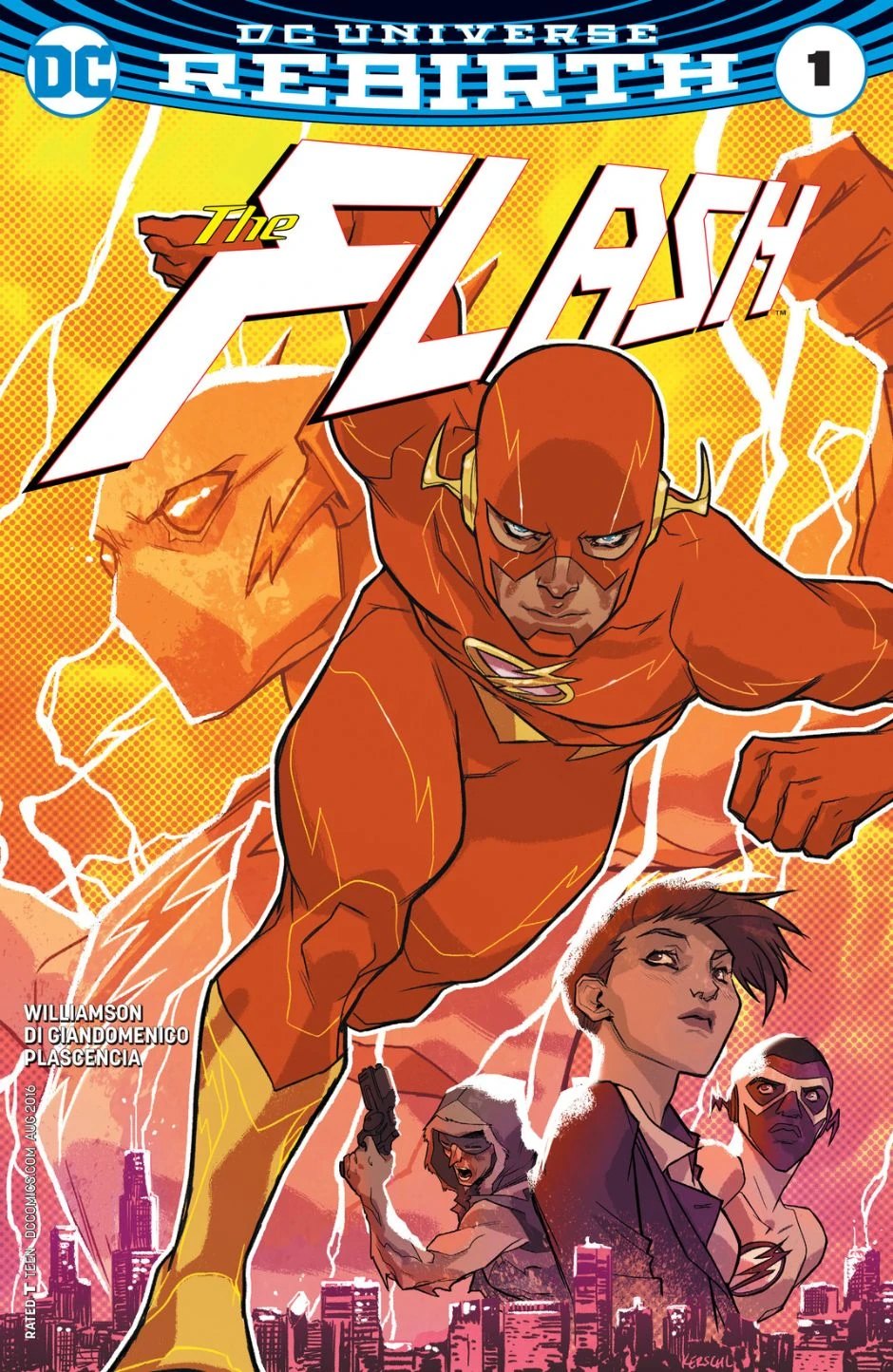
Joshua Williamson and Carmine Di Giandomenico’s DC Rebirth run (2016 onward) is where Wally West actually returns to the page, and where the modern Flash family — Barry, Wally, Wally’s kids Jai and Irey, and a rotating cast of other speedsters — gets rebuilt from the ground up. The run builds to Flash War (The Flash Annual #1 through Flash #46-51, May-July 2018), which forces Barry and Wally to confront what five years of Wally’s erasure actually did to him. This is the arc that makes Wally the character he is in 2026’s ongoing series, and skipping it means missing why he’s carrying the title at all.
Flash Reading Order: Quick Reference
| Era | Creative team | Why read it |
|---|---|---|
| The Flash: Rebirth (2009) | Geoff Johns, Ethan Van Sciver | Resets the Speed Force; the true starting point |
| Flashpoint (2011) | Geoff Johns, Andy Kubert | The hinge event; required before anything after |
| New 52 Flash (2011-2015) | Francis Manapul, Brian Buccellato | Optional; gorgeous art, but Barry-only, no Wally |
| DC Rebirth & Flash War (2016-2018) | Joshua Williamson, Carmine Di Giandomenico | Wally West returns; sets up the modern Flash family |
| Current ongoing (2026) | Ryan North, Gavin Guidry | Wally-centric, jump-on friendly |
Where Ryan North’s 2026 Run Fits
Fantastic Four writer Ryan North took over The Flash with artist Gavin Guidry starting at issue #31 in March 2026, and it’s built to be easy to jump into — its opening arc centers Wally against a social media trend where people put themselves in danger on purpose, hoping he’ll show up to save them on camera. Asked what separates his Wally from a Barry Allen book, North kept it simple: “he gets to get up every day and be the Flash. It is a good thing to have the Flash running around the city, fixing crimes.” That’s the whole pitch — Wally’s Flash runs on joy, not just obligation, and you don’t need the full 80-year archive to feel that on the page.
If you want a Flash story with none of that baggage at all, Jeff Lemire and Nick Robles’ Absolute Flash reimagines Wally from scratch in DC’s separate Absolute Universe imprint, which launched in March 2025 and had reached issue #21 by mid-November 2026 — a different continuity entirely, but a genuinely clean entry point if the mainline’s history feels like too much to climb.
Wally’s five years out of continuity is the detail that explains everything else about reading the Flash today: a character who vanished, came back, and is still proving he belongs at the center of his own book. North’s 2026 run is the clearest answer yet. For the villain whose actions started that whole chain of events, what counts as a key issue explains why Flashpoint #1 itself is one of the most sought-after Flash books on the back-issue market, and where Flash ranks among the Justice League’s strongest members is the natural next stop once you’ve seen what the Speed Force can actually do.
Frequently Asked Questions
What order should I read Flash comics in?
Start with The Flash: Rebirth (2009), then Flashpoint (2011), then jump to DC Rebirth and Flash War (2016-2018), which brings Wally West back into continuity. You can skip the New 52 Flash run in between if you want to follow Wally’s story specifically.
Is Wally West or Barry Allen the Flash right now?
Wally West is the main Flash in DC’s current ongoing series as of 2026, with Ryan North and Gavin Guidry writing and drawing his adventures starting at issue #31.
Do I need to read Flashpoint before anything else?
You don’t need Flashpoint to understand who the Flash is, but you do need it before reading anything published after 2011, since it’s the event that reshaped DC continuity into the New 52 and, later, DC Rebirth.
Where did Wally West go during the New 52?
Wally West was written out of DC’s main continuity for the 2011-2016 New 52 era, with Barry Allen as the sole Flash. He returned in the DC Universe: Rebirth #1 one-shot in 2016.