The best Spider-Man reading order for new readers doesn’t start in 1962. Start with Ultimate Spider-Man #1, then work back to the real thing: Amazing Fantasy #15, The Night Gwen Stacy Died, and Kraven’s Last Hunt. Four books get you from a kid bitten by a spider to the story most writers still chase.
That’s on purpose. Marvel’s own reading guides don’t send new readers to 1962 first either, and the reason matters: Spider-Man’s origin is simple, but sixty years of continuity sitting on top of it is not. Start with the version built to need nothing, then go back for the stories that made it worth building on.
The Spider-Man Reading Order, Start to Finish
Read these four and you’ve got the whole shape of the character: a self-contained modern origin, the real 1962 original, the story that ended the Silver Age, and the one that writers still can’t top. No prior Marvel reading required.
| Order | Story | Creators | Year | Why it’s here |
|---|---|---|---|---|
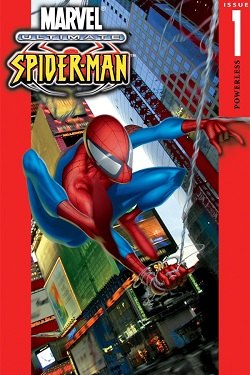
| 1 | Ultimate Spider-Man #1–13 | Brian Michael Bendis & Mark Bagley | 2000 | A modern, continuity-free retelling of the origin, the easiest door in |
| 2 | Amazing Fantasy #15 | Stan Lee & Steve Ditko | 1962 | The real, original origin, worth reading once you know the shape of the story |
| 3 | Amazing Spider-Man #121–122, “The Night Gwen Stacy Died” | Gerry Conway, Gil Kane & John Romita Sr. | 1973 | The story that proved Spider-Man’s stakes were real |
| 4 | Kraven’s Last Hunt | J.M. DeMatteis & Mike Zeck | 1987 | A self-contained story often called the best Spider-Man has ever told |
Why Ultimate Spider-Man Comes First, Not Amazing Fantasy #15
Every outlet that sends new readers somewhere specific, including Marvel’s own “Start Here” guide, leans on the same idea: the easiest way into Spider-Man isn’t the 1962 original, it’s a retelling built with zero prerequisites. Brian Michael Bendis and Mark Bagley’s Ultimate Spider-Man walks through the bite, the uncle’s death, and the first costume at a modern pace, with none of the decades of continuity riding along.
Once you know that shape, the original hits differently. You’re not reading Amazing Fantasy #15 to learn what happens; you’re reading it to see where it all started.
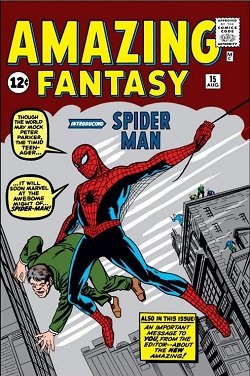
Amazing Fantasy #15 Is the One You Read Second
This is the 11-page story that started everything: Peter Parker gets bitten, ignores the chance to stop a robber, and learns the cost of that decision when the same man kills his Uncle Ben. It’s also, quietly, one of the most valuable comics on the planet.
A CGC-graded 9.6 copy sold for $3.6 million at Heritage Auctions on September 9, 2021, a record price for any comic book sold at the time. You don’t need a graded copy to read it, but that number tells you how seriously the rest of the hobby takes these eleven pages.
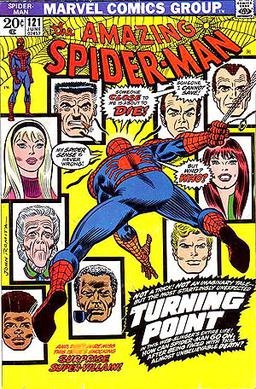
The Night Gwen Stacy Died Is Where the Stakes Become Real
Gerry Conway, Gil Kane, and John Romita Sr.’s two-parter is usually credited with closing the Silver Age of comics outright. The Green Goblin kidnaps Gwen Stacy, Spider-Man’s web catches her as she falls, and whether the catch or the fall actually kills her has been argued by fans for fifty years. What isn’t arguable is the effect: superhero comics had mostly promised readers the hero saves the day. This one didn’t, and every Spider-Man story written since has had to reckon with that.
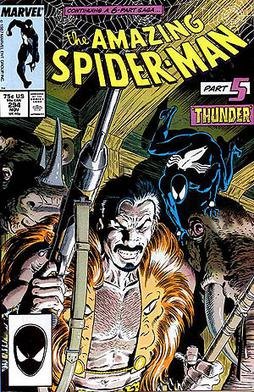
Kraven’s Last Hunt Is the Story Other Writers Still Chase
J.M. DeMatteis and Mike Zeck’s 1987 arc buries Spider-Man alive, lets big-game hunter Kraven the Hunter take his place in costume, and spends six issues on what happens when a villain actually wins before the hero gets back up. It needs nothing from the 25 years of comics before it, and it’s routinely called the single best Spider-Man story ever written. If you only read one thing off this list beyond the origin, this is the one worth the detour.
Where the Story Gets Complicated Right Now
Two things are worth knowing if you keep reading past these four. “One More Day” and “Brand New Day” (2007–08) erased Peter and Mary Jane’s marriage through a deal with Mephisto, a controversial but real turning point that most ongoing stories since have been built on top of.
As of November 2026, a separate Captain America storyline has Doctor Doom declaring Mephisto’s old contracts void, which fans are reading as a possible undo, though Marvel hasn’t confirmed what that means for Peter and MJ specifically. On the ongoing side, writer Joe Kelly and artists including Pepe Larraz and John Romita Jr. began a new Amazing Spider-Man era in 2025, and Tom Holland’s fourth MCU film, Spider-Man: Brand New Day, hit theaters in July 2026 and returns with an extended cut on December 4, 2026, which is almost certainly part of why you’re reading this today.
Four books, zero prerequisites, and one web-catch fans are still arguing about. That’s the real test of whether a reading order works: not how complete it is, but whether you’d defend the order to a friend. If Gwen Stacy’s death is the moment the stakes became real, the next place to see that same instinct at scale is the rogues’ gallery built to keep topping it.
See the full Spider-Man villains ranking →
Building out a wider pull list? How to Start Reading Marvel Comics covers the rest of the Marvel Universe, What Is a Key Issue Comic? explains why a book like Amazing Fantasy #15 commands million-dollar prices, and if Gotham is more your speed, there’s a matching Batman reading order too.
Frequently Asked Questions
Where should I start reading Spider-Man comics?
Ultimate Spider-Man #1 (2000) for the easiest, continuity-free retelling of the origin, or Amazing Fantasy #15 (1962) if you want the real original first. Most guides, including Marvel’s own, recommend the modern retelling first.
Do I need to read Spider-Man comics in order?
No. Spider-Man has over 60 years of continuity, and guides consistently recommend reading the handful of essential, mostly self-contained stories rather than chasing a strict publication-date order.
What happens in The Night Gwen Stacy Died?
The Green Goblin kidnaps Gwen Stacy and drops her from the George Washington Bridge; Spider-Man’s web catches her, but she dies anyway in Amazing Spider-Man #121-122 (1973), a story widely credited with ending comics’ Silver Age.
Who writes Spider-Man comics right now?
Joe Kelly began writing Amazing Spider-Man in 2025, with artists including Pepe Larraz and John Romita Jr., as part of a new ongoing era for the title.