How to start reading Marvel Comics begins with picking one character and one modern jumping-on point instead of chasing 85 years of continuity. Start with a recent #1 — Ultimate Spider-Man, the current Iron Man run, or X-Men’s new Shadows of Tomorrow era — read it through Marvel Unlimited or a trade paperback, and expand outward from there. You never need the whole timeline.
Last updated: September 11, 2026
Why Marvel Continuity Looks Scarier Than It Is
Marvel has published Spider-Man, X-Men, and Avengers comics continuously since the 1960s, which makes the numbering look intimidating — Amazing Spider-Man alone is closing in on issue #1000. But almost nothing requires reading in publication order. Every few years each line relaunches with a new #1 built specifically to welcome new readers, so skipping six decades of back issues costs you nothing.
That relaunch habit is also why the timeline resets so often: a “volume 7” or “(2024)” next to a title just means the series got a fresh jumping-on point, not that you missed something mandatory. And the timing for jumping in has rarely been better. Comic shop sales rose 27% in 2025, driven largely by Gen Z readers new to physical comic shops, according to ComicHub data reported by Publishers Weekly — a trend Comic Book Co covered in detail in our 2025 comic sales boom breakdown. You are not late to this; the industry is actively rebuilding itself around people starting exactly where you are.
The Best Jumping-On Points in 2026
The strongest entry points right now are either freshly launched or recently completed, which means no homework. Here is where an actual beginner should look first, character by character.
Ultimate Spider-Man (2024–2026)
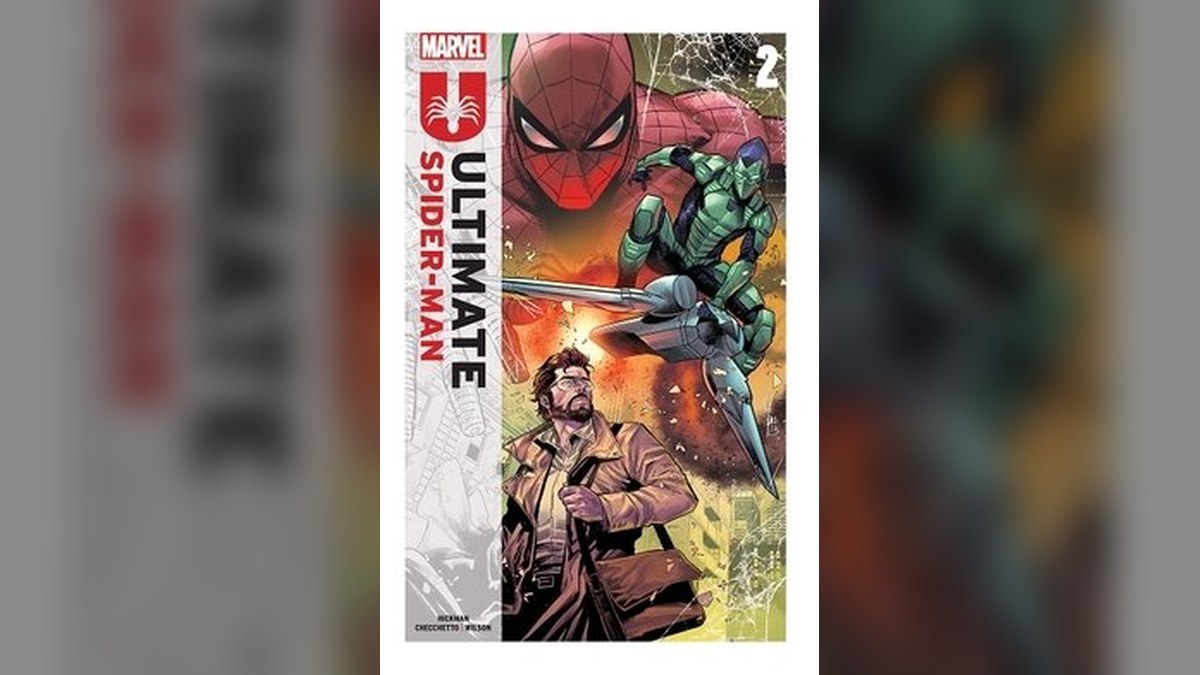
Jonathan Hickman and Marco Checchetto’s Ultimate Spider-Man reimagines Peter Parker as an older, married father of two who only just became Spider-Man. It ran a tight 24 issues plus a finale one-shot and wrapped in mid-2026, so it is now a complete, self-contained story you can read start to finish without waiting on new issues — arguably the best possible shape for a first Marvel comic. It lives in Marvel’s separate Ultimate Universe imprint, so nothing from 80 years of mainstream continuity is required to follow it.
Amazing Spider-Man (main continuity)
If you want the “real,” longest-running Spider-Man rather than the alternate-universe version, the current Amazing Spider-Man volume has been running since April 2025 and hits its landmark #1000 on September 30, 2026 — Marvel always writes milestone issues to be newcomer-friendly, which makes it a genuinely good place to start cold.
Iron Man (2026–present)
Joshua Williamson and Carmen Carnero’s Iron Man launched a true #1 in January 2026, replacing the previous Invincible Iron Man series. A brand-new #1 with no prior tie-in reading is about as low-friction as a jumping-on point gets.
X-Men: Shadows of Tomorrow
The X-Men are past their Krakoa era (2019–2024) and its 2024–2025 aftermath, “From the Ashes.” The “Age of Revelation” event closed that chapter and pushed the team roughly a decade into their own future; Shadows of Tomorrow, launched in January 2026, is the current ongoing story and does not assume you read Krakoa at all.
Thor
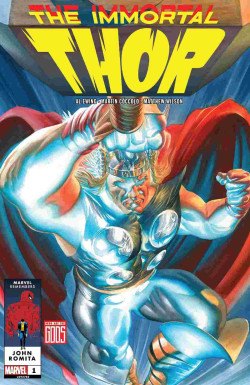
Al Ewing’s Immortal Thor (2023–2025) is complete at 25 issues and is one of the best-reviewed Marvel runs of the decade — treat it as a finished epic rather than something to “catch up” on. The current ongoing series is simply titled Thor (2025–present), also by Ewing, if you want to follow new issues as they release.
The Real Problem With “Jump In Anywhere” Advice
Veteran fans love telling beginners “you can jump in anywhere” and it is technically true — every relaunch is a valid entry point. It is also useless advice, because it never answers the only question a beginner actually has: anywhere into what? Handed fifteen equally valid #1s, most new readers pick none of them and quietly give up.
A better framework: start from whatever Marvel movie, show, or game already got you curious, and walk toward the comic version of that story instead of whatever is newest on the shelf this week. Curiosity that already has a name attached to it converts into actual reading far more often than a generic “best jumping-on point” list does.
Liked the Spider-Man movies? Ultimate Spider-Man (2024) for something new, or current Amazing Spider-Man for the original continuity. Liked WandaVision or Loki? Al Ewing’s Immortal Thor is the same mythic-scale voice in comic form. Liked X-Men ’97? Jonathan Hickman’s House of X / Powers of X (2019) is the acclaimed modern classic that show borrows from most heavily — read it before Shadows of Tomorrow, which assumes you already know how Krakoa was won and lost. Liked Guardians of the Galaxy? Start with the 2006 event Annihilation, the book that invented modern cosmic Marvel.
Digital vs Print: Where to Actually Buy/Read
New readers have three realistic options: single issues at a comic shop, collected trade paperbacks, or Marvel Unlimited’s digital library of more than 30,000 back issues for roughly $10 a month. For a first-time reader who just wants to find out whether Marvel is for them, digital is the cheapest way to test it — see our full guide to where to buy comic books for shop-by-shop and app-by-app detail.
| Format | Typical Cost | Best For | Watch Out For |
|---|---|---|---|
| Single issues (comic shop) | ~$4–5 per issue | Collectors and weekly readers who want the shop community | Adds up fast across multiple ongoing series; easy to miss a week |
| Trade paperback (TPB) | ~$15–25 for 5–6 issues | Readers who want one complete story arc at a time | Arrives months after the single issues; no letters pages or extras |
| Marvel Unlimited (digital) | ~$10/month or ~$70/year | Beginners exploring widely and binge readers | New issues are held back roughly 3–6 months behind print |
| Digital single issues (Marvel app) | ~$4 per issue | Readers who want new issues the same day as print, no shipping | Same per-issue price as paper, with no bulk discount |
A Simple Reading Order by Character (Spider-Man / X-Men / Avengers / Cosmic)
Pick one character family and read forward from a single jumping-on point rather than trying to cover the whole line at once. Here is a start-here issue for each of Marvel’s four biggest reading paths, and the beginner mistake to avoid in each.
Spider-Man
Start with Ultimate Spider-Man (2024) #1 for something complete and new, or the current Amazing Spider-Man run for the original continuity. Avoid opening with a crossover event issue — those assume you already know the cast.
X-Men
Start with Shadows of Tomorrow (2026) #1 for the current story, or House of X / Powers of X (2019) if you want the celebrated modern classic first. Avoid starting mid-event with something like “Age of Revelation” without that foundation — X-Men events lean harder on prior setup than any other Marvel corner.
Avengers
Start with the most recent Avengers #1, which resets the roster and the threat level for new readers by design. If you’d rather pick a favorite character first and work outward, see our list of the best Marvel comics for character-specific recommendations.
Cosmic (Guardians of the Galaxy, Thanos, the wider universe)
Start with Annihilation (2006), the event that built the template every cosmic Marvel story since has followed, or a recent Guardians of the Galaxy #1 if you want something lighter and movie-adjacent.
Essential Classic Runs Worth Reading Later
None of these are required to enjoy Marvel today — every modern jumping-on point above stands on its own. But once you’re hooked, these are the historical runs that actually built the Marvel Universe, and they hold up. For a longer list across every era, see our full ranking of the best comic book runs.
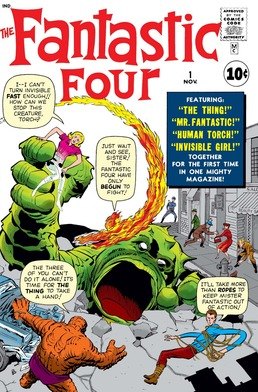
Fantastic Four (1961–) by Stan Lee and Jack Kirby is where the shared Marvel Universe begins. It reads dated in places, but the sheer idea density — a new concept almost every issue — explains why the whole universe grew out of it.
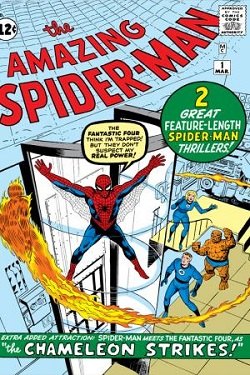
Chris Claremont’s X-Men (1975–1991) is the single longest, most influential run in the genre and the reason X-Men reads as social allegory at all. It’s a huge time investment — treat it as a long-term project, not a starting point.
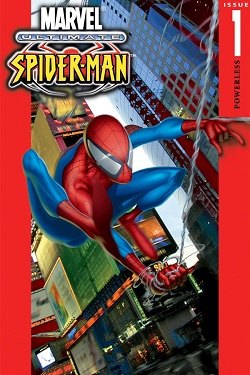
Brian Michael Bendis’s original Ultimate Spider-Man (2000–2011) modernized Peter Parker’s origin for a new generation and ran 160-plus issues without a fill-in artist. It’s a different, older “Ultimate Universe” than the 2024 series recommended above — worth knowing so you don’t confuse the two when shopping for collections.
Frequently Asked Questions
Do I need to read Marvel comics in order?
No. Marvel relaunches its major titles with new #1 issues every few years specifically so new readers can start without back reading. Pick a recent jumping-on point for one character and read forward.
What is the best Marvel comic for a complete beginner?
Ultimate Spider-Man (2024–2026) by Jonathan Hickman and Marco Checchetto is the strongest single recommendation because it’s short, self-contained, and now complete, so there’s no wait for new issues and no outside continuity required.
Is Marvel Unlimited worth it for new readers?
Yes, for exploring. At roughly $10 a month for more than 30,000 back issues, it’s the cheapest way to sample several characters before committing to buying single issues or trades. The tradeoff is that brand-new issues are held back several months behind print.
Do I need to read the Ultimate Universe before Amazing Spider-Man?
No. Ultimate Spider-Man (2024) and Amazing Spider-Man are separate, unconnected continuities that happen to star different versions of the same character. You can read either one, or both, in any order.