The Soul Society is the afterlife realm in Tite Kubo’s Bleach where ordinary human souls go after death and where the Shinigami (Soul Reapers) who guide and protect those souls live and train. It is a separate world from the living World and from Hueco Mundo, the Hollows’ domain, governed from a walled inner city called the Seireitei.
Last updated: September 11, 2026. This piece covers plot points through the manga’s ending and the currently airing Thousand-Year Blood War anime; a clearly marked spoiler section below discusses the Soul King’s true nature as revealed in the final arc.
What the Soul Society Actually Is
The Soul Society is where a human soul normally goes after a Shinigami performs konso (soul burial) on it — it is Bleach’s version of heaven, though the manga never uses that word. Structurally it is one of several linked realms: the World of the Living (present-day Japan), Hueco Mundo (the Hollows’ desert), and Hell each sit alongside it, connected by gateways called Senkaimon.
The manga ran 686 chapters across 74 volumes in Shueisha’s Weekly Shōnen Jump, serialized from August 2001 to August 2016 (Wikipedia). The anime is still catching up to that ending: the Thousand-Year Blood War’s final cour, The Calamity, began airing July 25, 2026 and wraps its 10-episode run on September 26, 2026, closing out a story that has run 50 TYBW episodes across four parts since 2022. If you’re catching up before then, our Bleach watch order guide lays out where the Soul Society arcs fit.
The Seireitei and the Gotei 13 Squads
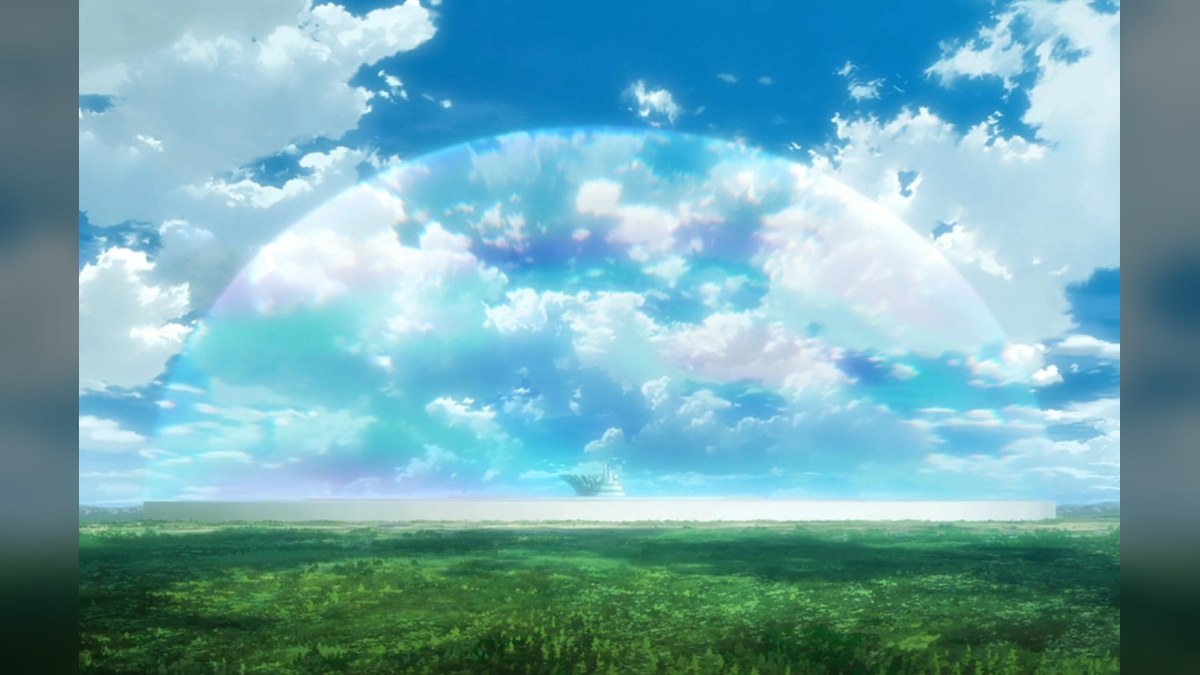
The Seireitei is the fortified inner city at the center of the Soul Society, home to the Shinigami, the noble clans, and the government. It is ringed by the Sekkiseki wall and covered by the Shakonmaku, a barrier that keeps most spiritual pressure from leaking in or out. Everyone who matters politically in the Soul Society lives inside it.
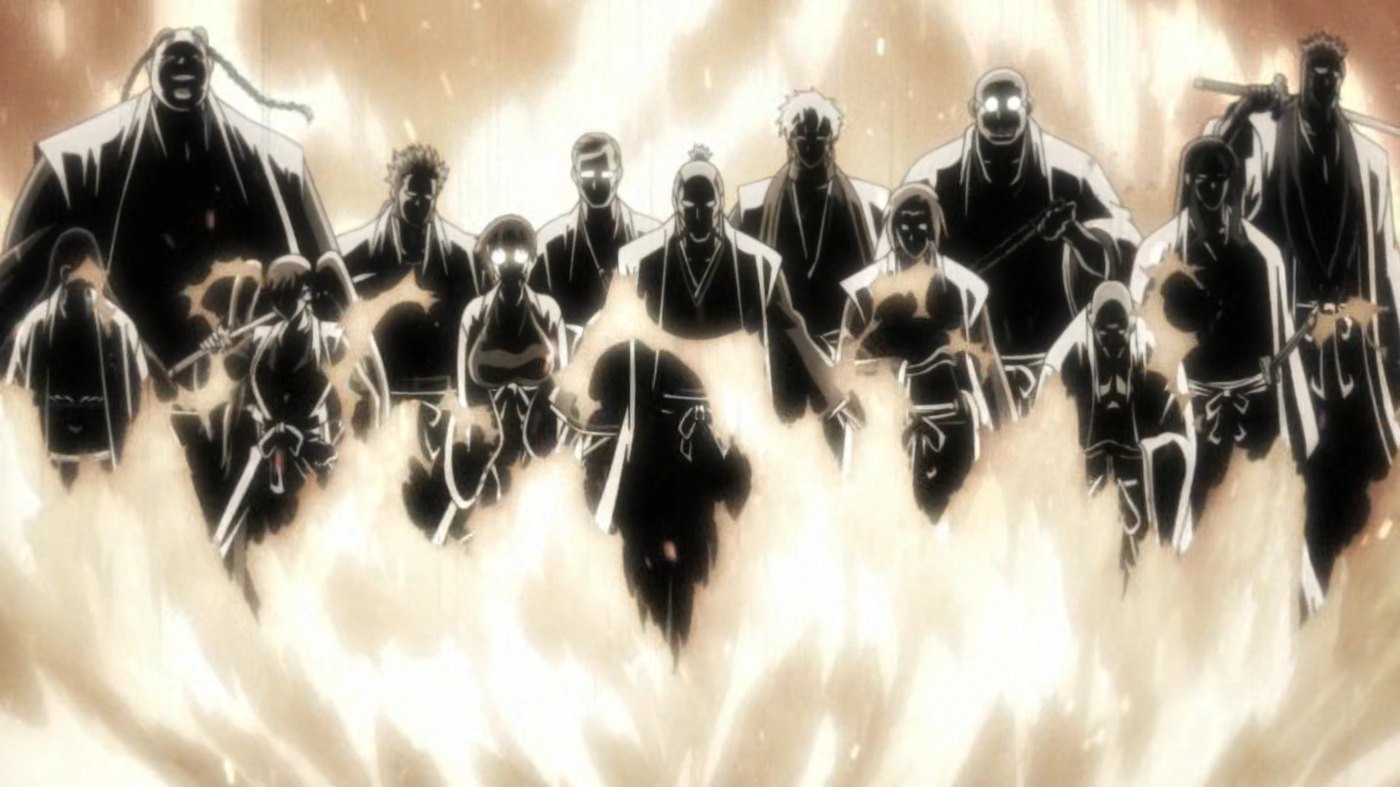
The Seireitei’s military is the Gotei 13 (the 13 Court Guard Squads), the organization every trained Shinigami joins after graduating the Shin’ō Academy. Each of the 13 divisions is led by a captain and built around a specialty — the 2nd Division doubles as the Onmitsukidō stealth corps, the 4th is the medical division, the 12th runs the Shinigami Research Institute — and the Captain-Commander sits above all of them. A captain’s authority comes from mastering their Zanpakutō, the living sword that is a physical extension of a Shinigami’s own soul; our guide to what Bankai actually is covers how that weapon’s final release form works and why so few Shinigami ever reach it. The Gotei 13’s job is defending the Seireitei and the wider Soul Society from Hollows, rogue Shinigami, and the rare outside threat — the same duty that put the entire organization on the back foot the moment the Quincy invaded during the Thousand-Year Blood War.
Rukongai: Where Ordinary Souls Live
Almost everyone who dies and crosses over does not end up inside the Seireitei. They land in Rukongai, the sprawling residential land that surrounds the inner city on all sides, split into 320 districts — 80 in each of the four cardinal directions, numbered by distance from the Seireitei walls.
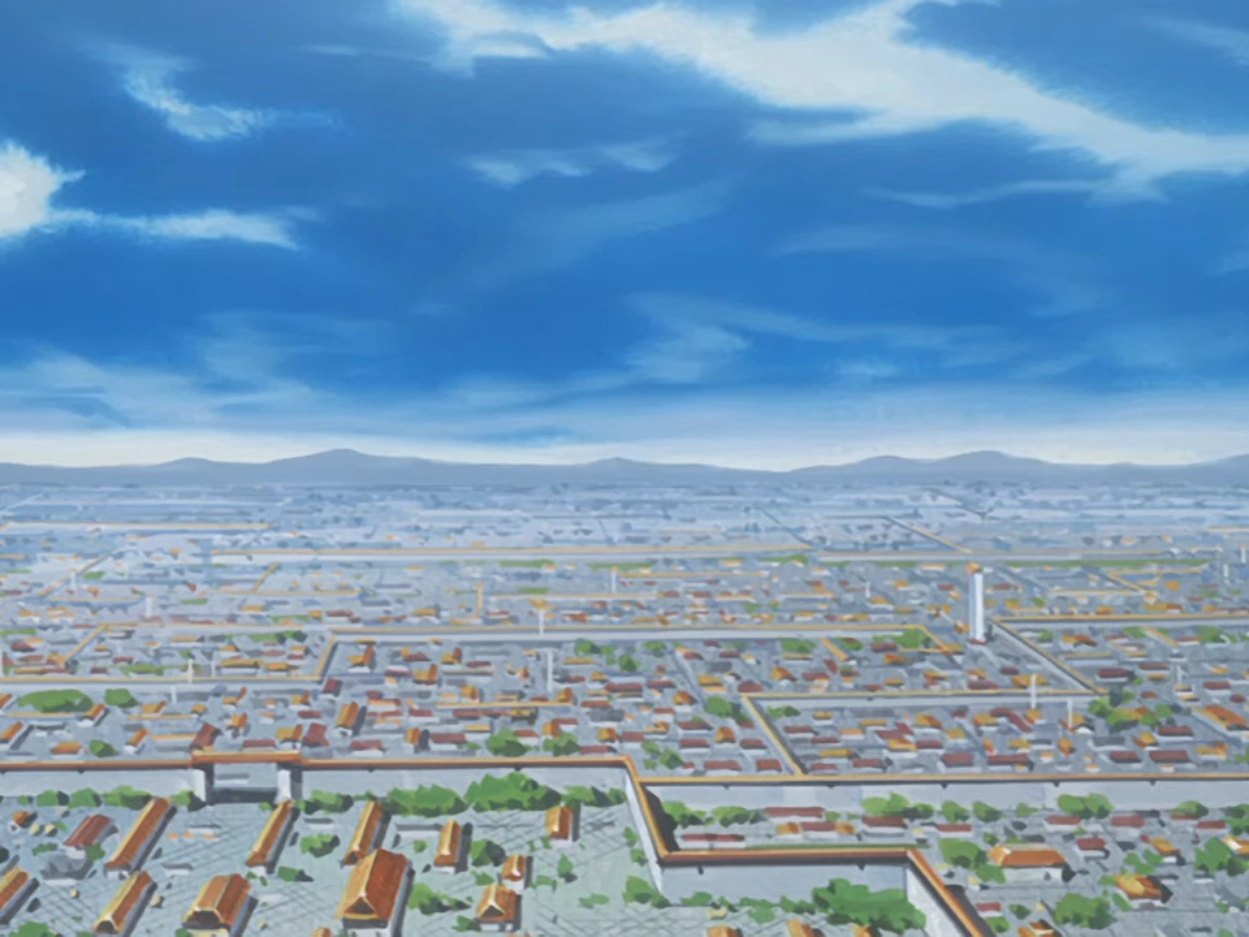
The numbering doubles as a poverty gradient. District 1 of each quadrant is calm and orderly; conditions decline sharply past the 50th district, where records note residents going without shoes, and District 80 is lawless enough that several of the series’ most dangerous characters — Kenpachi Zaraki among them — grew up fighting to survive there. Souls get no say in where they land, no memory of their human life, and no guaranteed food or shelter; becoming a Shinigami is effectively the only ladder out. It is also not permanent: a soul that lingers in Rukongai long enough eventually dissolves and is reincarnated back into the World of the Living, which is why Soul Society’s population never simply grows forever.
The Bureaucracy Behind the Afterlife: Central 46 and the Noble Clans
Above the Gotei 13 sits Central 46, the Soul Society’s judicial and legislative body — 40 judges and 6 elder statesmen who write law, try capital cases, and can override a captain. Alongside it sit four noble clans, the Kuchiki most prominent among them, whose bloodlines control land, seats of influence, and in Rukia Kuchiki’s case an adopted heir’s entire legal status.
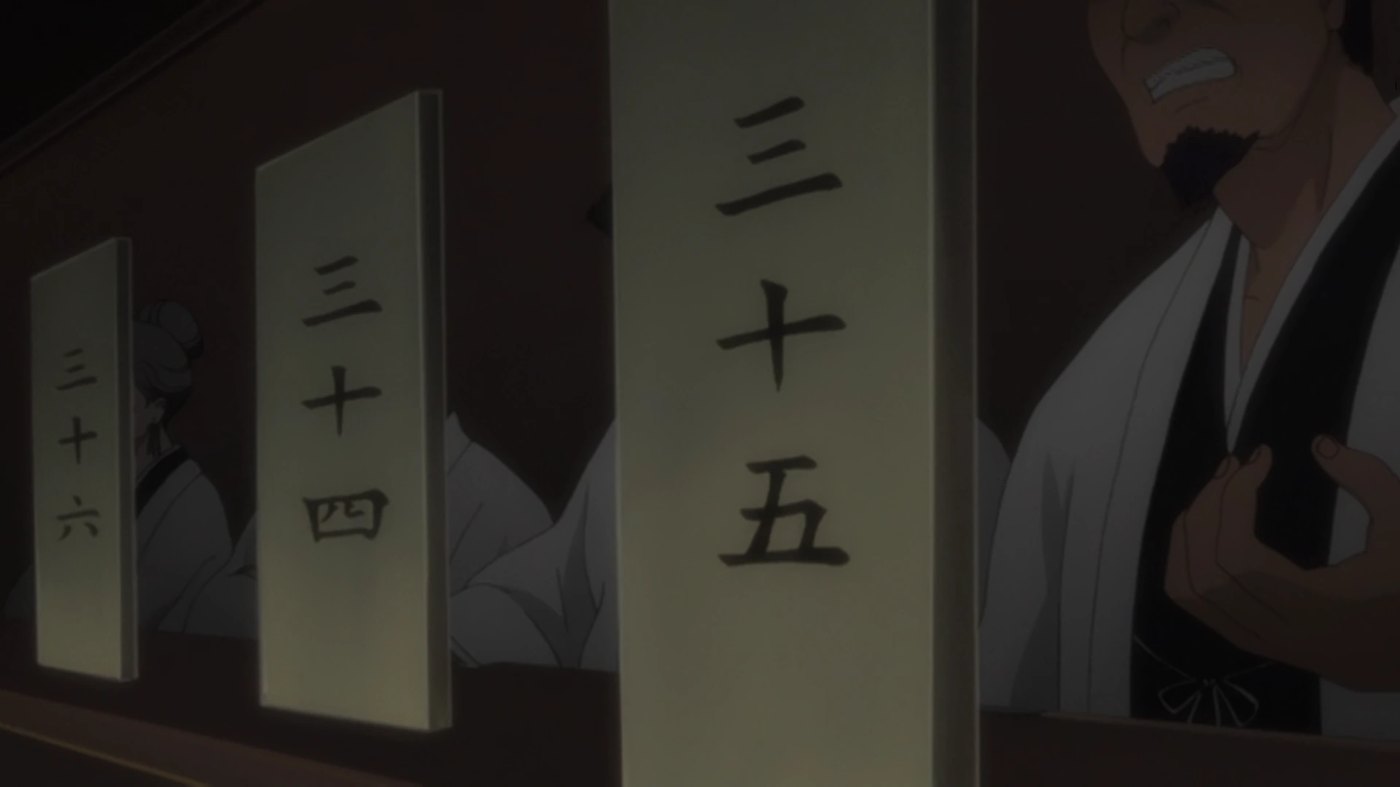
Read together, that structure is a closer analogue to feudal Japan than most Bleach coverage credits it for: a hereditary aristocracy holds status, a separate warrior class (the Gotei 13, standing in for the samurai) holds the actual force, a distant council issues law from behind closed doors, and an entire underclass in Rukongai lives outside all of it with no path upward except joining the military. Aizen’s arc exploits exactly that gap in oversight — he spends a year impersonating the real Central 46 with an illusion after secretly killing them, and nobody in the Seireitei’s chain of command notices, because the body that is supposed to check the Gotei 13 has no real check on itself. It is the same failure mode as a bureaucracy that outsources legitimacy to a figurehead nobody is allowed to actually see — which is exactly the relationship the Soul King turns out to have with the government that claims to serve him.
The Soul King, Explained (TYBW Spoilers)
⚠️ Spoiler warning: this section covers the true nature of the Soul King as revealed across the manga’s ending and the Thousand-Year Blood War’s Soul King Palace arc, some of which the anime has not yet reached in full. Stop here if you only want anime-safe information.
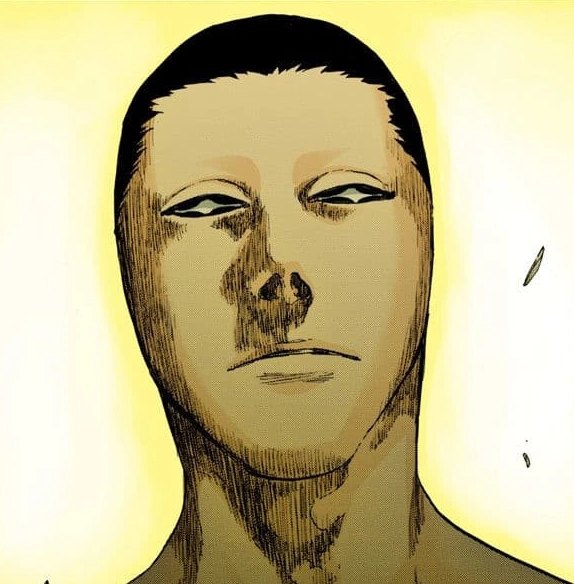
For most of the series, the Soul King is presented as the Soul Society’s supreme, unseen ruler — a figure so sacred that even discussing a coup against him is treated as heresy in the early Aizen arc. The Thousand-Year Blood War arc upends that: the Soul King, whose true name is given as Adnyeus, is not a sovereign who rules by will at all. He is closer to a load-bearing organ that keeps the World of the Living, Hueco Mundo, and the Soul Society bound together as one reality. Centuries before the story begins, his Left Arm of Progress (Pernida) and Right Arm of Stillness (Mimihagi) were removed and scattered, and one of his own severed fragments — kept by Squad 0’s Ichibei Hyosube — is part of what makes Zanpakutō possible at all. In the finale, Yhwach forces Ichigo Kurosaki to kill the Soul King outright, which nearly collapses the barrier between the three worlds rather than simply changing who is in charge.
The practical recontextualization: the reverence the Seireitei shows the Soul King in earlier arcs was never political loyalty to a ruler, it was closer to how a country might treat a life-support machine it depends on and does not fully understand. Our episode-by-episode review of TYBW episode 46 covers how the anime is currently dramatizing the fallout of that reveal, including Yhwach’s own description of the Soul King Palace as little more than a decaying grave.
How the Soul Society Connects to Hueco Mundo and the Living World
Bleach’s cosmology links three realms a Shinigami can physically travel between (a fourth, Hell, exists for the worst offenders but is walled off from normal travel). Each one has a different ruler, a different population, and a different job in the story, summarized below.
| Realm | Ruler / Authority | Who Lives There | Function |
|---|---|---|---|
| Soul Society | Soul King (figurehead); Central 46 and the Gotei 13 govern in practice | Ordinary souls (Rukongai), Shinigami, noble clans | Afterlife for human souls; trains and houses the Shinigami who protect all three worlds |
| Hueco Mundo | No formal government (Arrancar leaders like Aizen briefly imposed one) | Hollows and Arrancar | Where souls that were not given proper burial and turned corrupt end up; a hunting ground, not an afterlife |
| World of the Living | Human governments; no spiritual authority | Living humans, plus the souls of the recently dead passing through | The real world Bleach is set in; where Hollow attacks and konso take place |
Shinigami move between the Soul Society and the World of the Living through Senkaimon gates to perform konso and fight Hollows; Hollows themselves drift in from Hueco Mundo hunting souls with high spiritual energy. That traffic is the entire premise of the series’ early arcs, and it’s why a breach in the Soul Society’s defenses — as in the Thousand-Year Blood War — threatens the other two realms as well, not just the Seireitei itself. For the official chapter archive, see Viz’s official Bleach page.
Frequently Asked Questions
Is the Soul Society heaven in Bleach?
Functionally yes — it’s where ordinary human souls go after death — but Kubo never calls it heaven outright, and unlike most afterlife depictions it has poverty, crime, a standing army, and a government capable of executing its own citizens.
What is the difference between the Seireitei and Rukongai?
The Seireitei is the walled inner city where the Shinigami, nobles, and government live and work. Rukongai is the much larger residential land surrounding it, where almost every other soul in the Soul Society ends up with no guaranteed food, shelter, or protection.
Who really rules the Soul Society: the Soul King or Central 46?
Day to day, Central 46 and the Gotei 13’s Captain-Commander make the actual decisions. The Soul King is revered as the supreme authority, but the Thousand-Year Blood War arc reveals he functions more like a keystone holding the three worlds together than a ruler who governs by choice.
Does the Bleach anime cover the Soul King’s true nature yet?
Partially. As of the Thousand-Year Blood War’s final cour (airing July 25 to September 26, 2026), the anime has dramatized the Soul King Palace assault but has not finished laying out every detail the manga eventually reveals about his origin.