Bankai is the second and final released form of a Shinigami’s Zanpakuto in Bleach, typically five to ten times more powerful than Shikai. Achieving it requires forcing your sword’s spirit into the physical world and defeating it — a process that normally takes ten years or more, which is why so few Shinigami ever manage it.
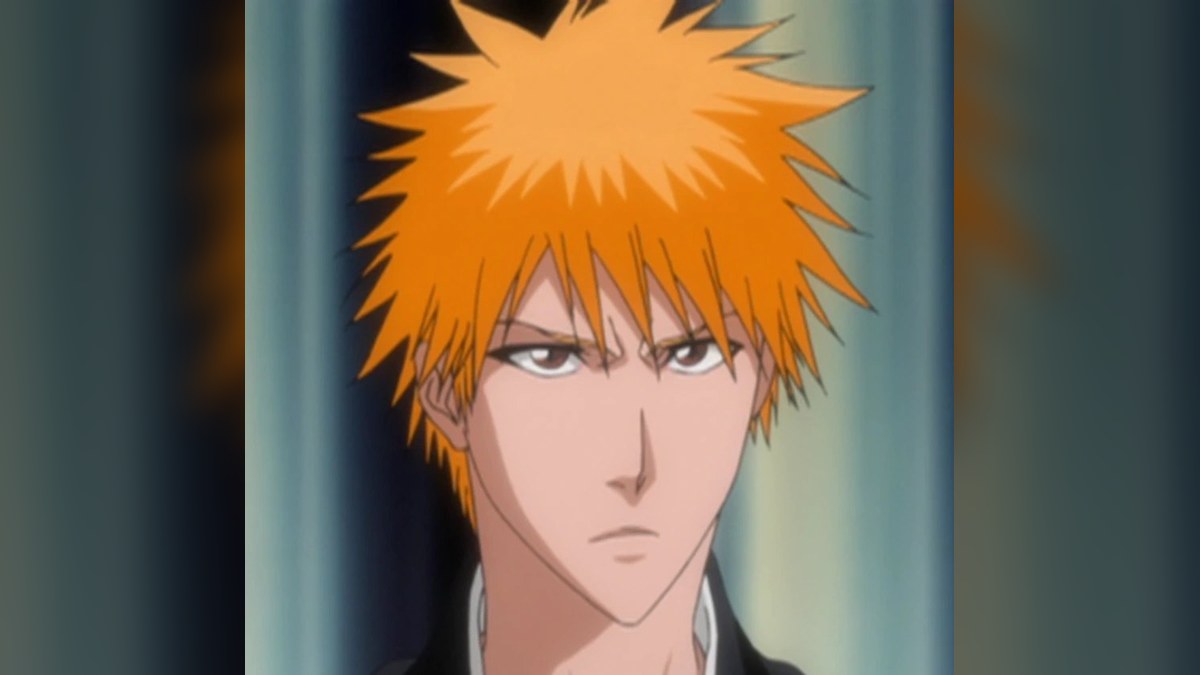
The timing for this explainer is not accidental. Bleach: Thousand-Year Blood War – The Calamity, the fourth and final cour, began airing on 25 July 2026 and runs ten weekly episodes through late September. It adapts the closing chapters of Tite Kubo’s manga, and those chapters are dense with Bankai — stolen ones, broken ones, and one that had never been shown before. Knowing the rules makes the finale legible.
So here are the rules, in the order they actually matter.
First, the thing Bankai is a form of: the Zanpakuto
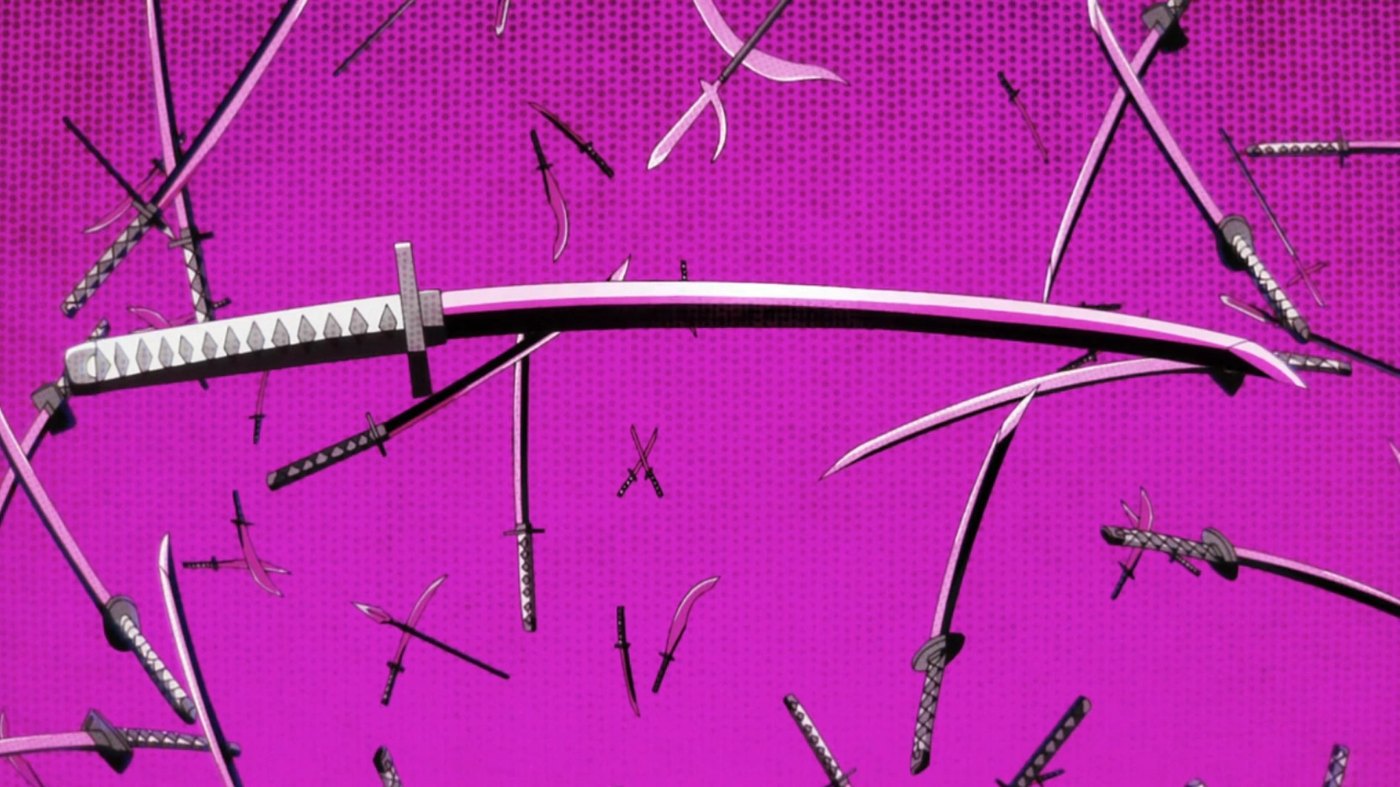
A Zanpakuto — literally “soul-cutter sword” — is a Shinigami’s primary weapon, used to purify Hollows and send souls onward. The crucial detail, and the one that makes the rest of the system coherent, is that a Zanpakuto is not a tool. It is a living spirit born from its wielder’s own soul, and it has a name, a personality, and an inner world it lives inside.
Every Zanpakuto begins as an Asauchi: a blank, nameless blade, all of them forged by Oetsu Nimaiya of the Royal Guard. It only becomes a distinct Zanpakuto once its wielder’s spirit reshapes it. That is why no two are alike, and why a Shinigami cannot simply pick up someone else’s sword and use its abilities.
Shikai vs Bankai: the two releases
A Zanpakuto has three states. The first is sealed — the ordinary katana a Shinigami carries day to day, with no special properties active. The other two are released forms, and those are what fights are built around.
| Shikai (Initial Release) | Bankai (Final Release) | |
|---|---|---|
| How it is unlocked | Learn your Zanpakuto’s name by communing with its spirit | Materialise the spirit in the physical world and subjugate it |
| Typical time to achieve | Attainable by most seated officers | Ten years or more, plus mastery time |
| Relative power | Baseline released form | Roughly 5–10× Shikai |
| How it is activated | Call the blade’s name aloud | Command “Bankai” — and Shikai no longer needs its name called |
| Who has it | Common in the Gotei 13 | Captain-class and a rare few others |
That last row is a detail most summaries miss: once you have Bankai, you can release your Shikai silently, without calling its name. It is a small mechanical perk that quietly signals mastery, and Bleach uses it as visual shorthand throughout.
How Bankai is actually achieved
Shikai and Bankai are unlocked by opposite motions, and this is the single most useful thing to understand about the system.
For Shikai, the Shinigami is pulled into the Zanpakuto’s inner world to meet the spirit and learn its name. For Bankai, the direction reverses: the wielder must drag the spirit out, forcing it to materialise in the physical world, and then defeat and subjugate it. You are not negotiating with your sword any more. You are beating it into submission.
This is why it takes so long. Materialising a spirit at all is the barrier most Shinigami never clear, and even the four Noble Houses — whose members are consistently exceptional — produce a Bankai-capable member only every few generations. Notably, the Zanpakuto spirit learns Bankai at the same instant its wielder does, which is a neat expression of the underlying idea: the sword is not a separate entity being conquered so much as a part of the self being integrated.
The three-day shortcut, and what it costs
Two characters have bypassed the decade of training: Kisuke Urahara and Ichigo Kurosaki. Urahara built a device called the Tenshintai, which forcibly materialises a Zanpakuto spirit, skipping the hardest step. With it, Bankai can be reached in three days rather than ten years.
Urahara himself noted that training this way for more than three consecutive days would likely kill the user. And the drawback shows in the results: Bankai obtained fast is Bankai obtained shallow. A newly acquired Bankai is unstable and poorly controlled, and a sufficiently skilled opponent can block or neutralise it using only Shikai — or even Kido. Raw tier does not override experience.
What Bankai is not: three common misconceptions

“Bankai is the ceiling.” It is the final form, not the end of growth. A Bankai continues to evolve as its wielder does, and the series repeatedly shows established Bankai gaining new properties late in the story.
“Bankai always means a bigger sword.” Bankai typically manifests as a dramatic change in the blade and the surrounding space, but the direction varies enormously. Some Bankai grow the weapon to colossal scale; others shrink it. Ichigo’s is famously smaller and thinner than his Shikai, trading mass for speed. The form follows the spirit’s nature, not a template.
“Everyone strong has one.” Power in Bleach is not solely Zanpakuto-shaped. Sheer reiatsu, Kido skill, Hollow abilities and Quincy powers all sit alongside it, which is why the strongest Bleach characters list is not simply a roster of Bankai users.
The original angle: Bankai is a status system disguised as a power-up

Most shonen power systems scale with effort or emotion. Bankai scales with something stranger, and it is worth naming: Bankai is fundamentally a credential.
Look at how the series deploys it. Bankai is the formal requirement for captaincy in the Gotei 13 — a rank, not a strength bracket. The Shinigami who achieve it reliably turn out to occupy significant positions in Soul Society’s history, which is an institutional outcome rather than a combat one. The Noble Houses produce one holder every few generations, which is the language of hereditary rank. And critically, Bankai can be stolen: the Quincy medallion arc turns the entire Gotei 13’s trump card into confiscatable property, which only works dramatically because Bankai is a possession as much as a skill.
This is what separates it from its peers. Chakra is a resource you spend. Cursed energy is a resource generated by negative emotion. Quirks are genetic. Bankai is none of those — it is a decade-long qualification that admits you to an aristocracy, and Tite Kubo built a bureaucracy of soul-reaping civil servants around it. That is why the ten-year figure exists at all. A power system that took ten years to unlock would be terrible pacing if the point were combat scaling; it is excellent worldbuilding if the point is that Soul Society is an ossified institution where advancement is gatekept and the shortcuts are illegal.
Ichigo, a substitute Shinigami with no rank, obtaining Bankai in three days via banned technology is therefore not just a power-up. It is the series’ thesis in miniature.
For how Bankai stacks up against the other major anime power systems, see our anime power systems explainer, and our Thousand-Year Blood War Part 4 episode schedule for the finale’s weekly release dates.
Frequently Asked Questions
How much stronger is Bankai than Shikai?
Generally five to ten times stronger, accompanied by a large increase in the wielder’s reiatsu. That said, the gap is not absolute: a highly experienced Shinigami using only Shikai can block or temporarily neutralise a recently obtained Bankai, because control and experience matter alongside raw output.
How long does it take to achieve Bankai?
Normally ten years or more to materialise and subjugate the Zanpakuto spirit, plus additional time to master the resulting form. Kisuke Urahara’s Tenshintai device shortens this to three days by forcibly materialising the spirit, but Urahara stated that training with it beyond three consecutive days would likely be fatal.
Can a Bankai get stronger after you unlock it?
Yes. Bankai is the final form of a Zanpakuto, not the end of a Shinigami’s growth. A Bankai continues to evolve as its wielder grows stronger, and several characters’ Bankai gain new properties well after they first obtain them.
Why can’t every Shinigami use Bankai?
Because the requirement is materialising and defeating your own Zanpakuto spirit, which most Shinigami never manage. It is rare enough that even the four Noble Houses produce a Bankai-capable member only every few generations, and possessing it is effectively the entry requirement for captaincy in the Gotei 13.
Does Bankai always make the sword bigger?
No. Bankai transforms the blade and often the surrounding environment, but the direction varies by Zanpakuto. Some become enormous; Ichigo Kurosaki’s is smaller and thinner than his Shikai, trading size for speed. The form reflects the spirit’s nature rather than a fixed pattern.