The best Persona games are ranked here by how well each one balances its two halves: a turn-based dungeon crawl against Shadows and a calendar-driven social sim about a group of teenagers running out of time. Persona 5 Royal tops the list, but three older entries still make a real case for your time.
Atlus has been refining this formula since 1996, and the series still has not settled on one “right” way to do it — some entries lean into cheerful high school routine, others go grim and existential. That range is the whole reason a ranking is useful: the “best” Persona game depends heavily on whether you want a comfort-food social sim or a colder, stranger RPG. This list covers eight mainline and major entries, from the current-generation remakes back to the PSP-era Persona 2 games, and explains what each one actually changed from the version before it.
The Ranking, Fast
| Rank | Game | Platform(s) | Best For |
|---|---|---|---|
| 1 | Persona 5 Royal | PS4, PS5, Switch, Xbox, PC | The most complete Persona, and the best entry point |
| 2 | Persona 4 Golden | Vita, PC, Switch, PS4, Xbox | Warmest cast and story in the series; nearly as good a start |
| 3 | Persona 3 Reload | PS4, PS5, Xbox, PC | The bleakest premise, rebuilt with a modern engine and combat |
| 4 | Persona 5 | PS3, PS4 | Royal’s base game, worth it only if Royal is unavailable |
| 5 | Persona 3 FES | PS2 | The original Answer epilogue, for players who want P3’s rawest cut |
| 6 | Persona 4 | PS2 | Historical interest once you have already played Golden |
| 7 | Persona Q: Shadow of the Labyrinth | 3DS | P3/P4 fan service in an Etrian Odyssey-style dungeon crawler |
| 8 | Persona 2: Innocent Sin | PSP | Series completists chasing the story’s actual origin point |
1. Persona 5 Royal
Persona 5 Royal is a full re-release of 2016’s Persona 5, launched in Japan on October 31, 2019 and worldwide on March 31, 2020. It holds a 96 Metascore on PS4, one of the highest-rated console games of its generation. Royal is not a cosmetic touch-up: it adds a full new party member and Confidant, a third semester that replaces the base game’s abrupt ending with a genuine new arc, an additional Palace, a grappling hook for faster movement through dungeons, and a hangout hub called the Thieves Den. The third semester in particular changes what the ending is about, which is why it is worth playing Royal over the original even for returning fans. Atlus keeps a current list of every platform it is available on at the official Persona 5 Royal site.

2. Persona 4 Golden
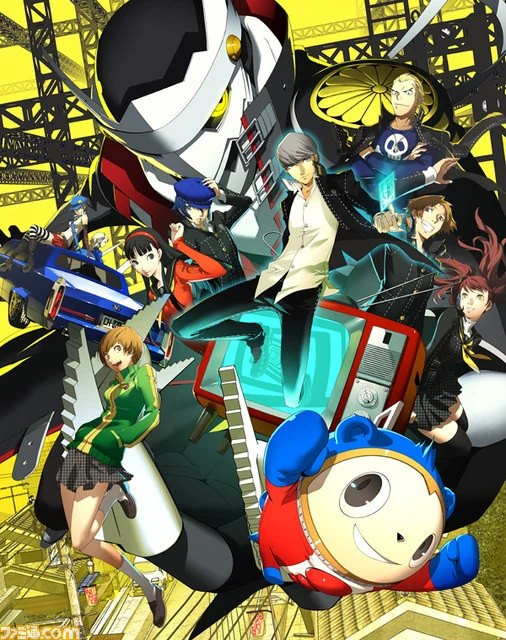
The original Persona 4 launched on PS2 in Japan on July 10, 2008 and holds a 90 Metascore. Persona 4 Golden, the 2012 Vita re-release, added a full Social Link and late-game dungeon built around a new character, Marie, extended the playable calendar from December into January and February with a new epilogue, and reworked the visuals and voice direction throughout. It holds a 93 Metascore and was ported again to PC in 2020 and to Switch, PS4, and Xbox in January 2023, which is why it is still the version almost everyone means when they say “play Persona 4.” Golden’s extended calendar is also where its real ending lives — missing the requirements locks you into a worse conclusion, so check how to get the true ending in Persona 4 Golden before your last few in-game weeks. With an HD remake, Persona 4 Revival, now confirmed, Golden’s role as the definitive way to play is about to be tested for the first time in over a decade — see every confirmed change between Persona 4 Revival and Persona 4 Golden and the Persona 4 Revival release date for what is actually different before deciding whether to wait.
3. Persona 3 Reload
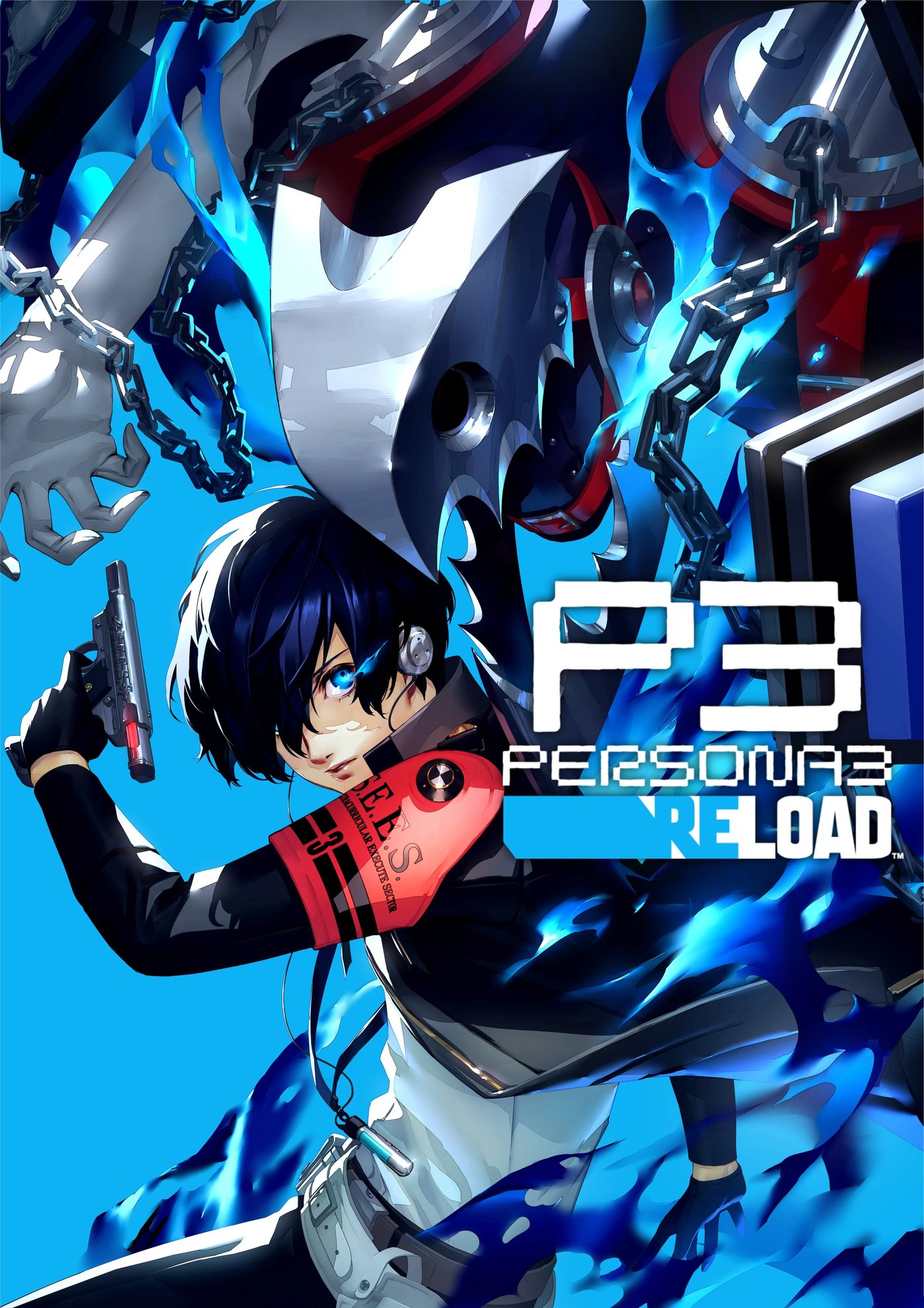
Persona 3 Reload released February 2, 2024 for PS4, PS5, Xbox One, Xbox Series X/S, and PC, and holds an 89 Metascore. GameSpot’s review called it “the greatest way to experience Persona 3’s story.” It is a ground-up remake of the original 2006 Persona 3 rather than of FES or Portable: the female protagonist option from Portable is not in the base game, and FES’s epilogue, The Answer, was missing at launch and only arrived later as paid DLC under the name Episode Aigis. What Reload does rebuild is everything else — new character models, a new English voice cast, a reworked UI, and combat pulled forward to match Persona 5’s pace. The story is still the darkest in the series: a group of teenagers fighting monsters that appear only during a hidden 25th hour of the day, built around a plot about mortality that the rest of the franchise has never matched in tone.
4. Persona 5
Persona 5 is the 2016 base version of Royal, released in Japan on September 15, 2016 and worldwide on April 4, 2017, holding a 93 Metascore on PS4. It introduced the Phantom Thieves premise that Royal later expanded on: a group of delinquent teens who steal the corrupted “treasure” out of the hearts of abusive adults inside the Metaverse, a dungeon layer generated by each target’s own distorted desires. The turn-based combat, built around exploiting elemental weaknesses for extra turns, and the calendar-based Confidant system for building relationships between dungeon runs are both still the foundation Royal builds on. It is still a strong game on its own, but Royal strictly improves on it in every category that matters, so there is no longer a reason to choose the original unless Royal is simply unavailable on your platform.
5. Persona 3 FES
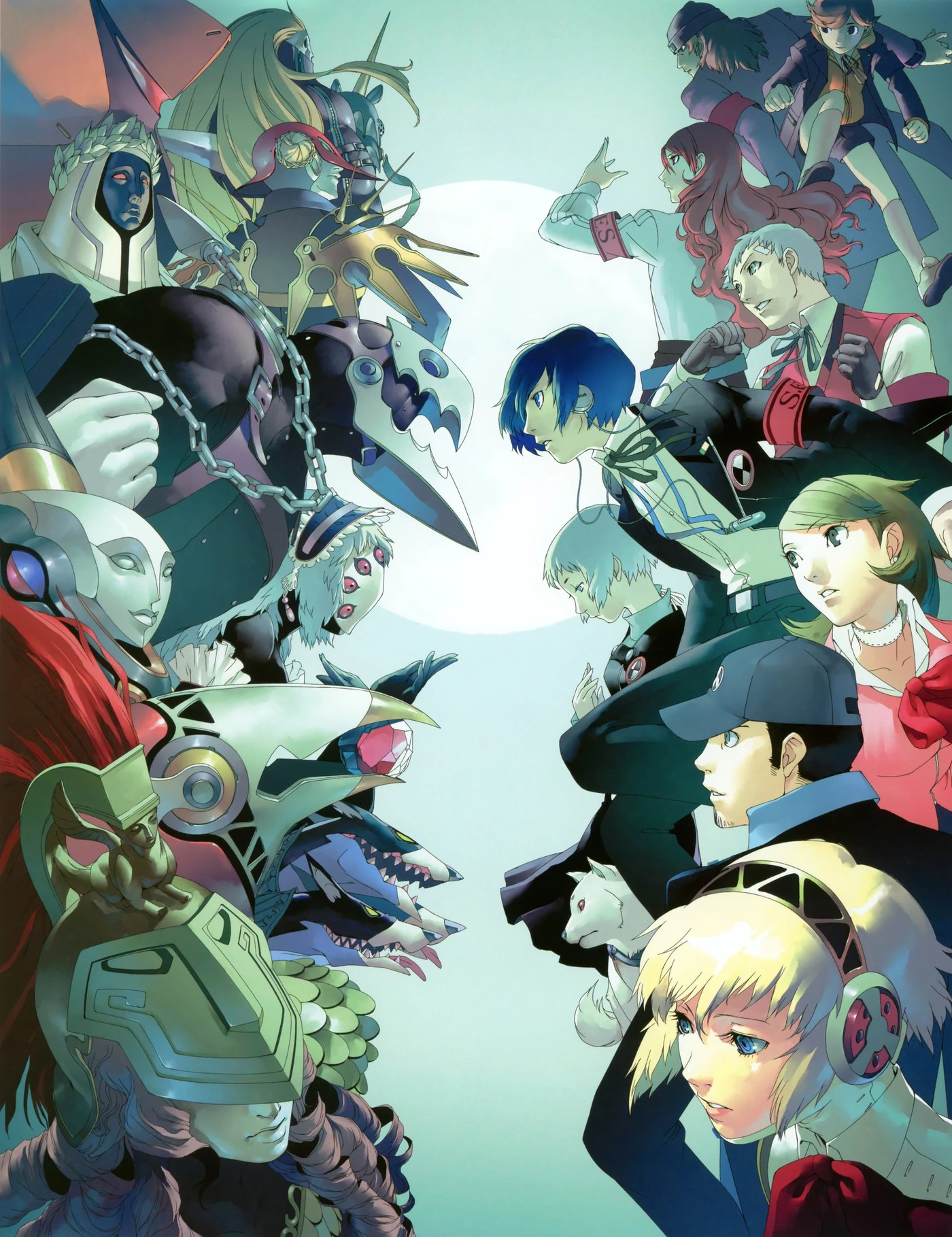
Persona 3 FES, released in Japan in April 2007 and in North America that August, is the enhanced edition of the original 2006 Persona 3 and the source of The Answer, a roughly 30-hour epilogue that Reload did not ship with at launch. The base game already set the template the rest of the series copies: a hidden “Dark Hour” between one day and the next, a monster-infested tower called Tartarus that regenerates every night, and a cast of high schoolers in the S.E.E.S. club fighting Shadows while also just trying to survive being teenagers. FES adds new Personas, expanded Social Links, and small combat tweaks on top of that, but The Answer is the real reason to seek it out: an epilogue built entirely around grief, with none of the game’s usual school-life structure to soften it.
6. Persona 4
The 2008 PS2 original swaps Persona 3’s tower for a murder-mystery plot: bodies keep turning up in a small town, and the cast realizes they can enter the crime scenes through television screens, in a dungeon layer called the TV World tied to each victim’s own repressed self. That premise, plus a genuinely funny small-town cast, is why the series’ tone shifted noticeably lighter starting here. Golden then took that structure and finished it properly, which is why the 2008 original is mostly worth playing today after Golden, as a point of comparison rather than a first choice.
7. Persona Q: Shadow of the Labyrinth
Persona Q: Shadow of the Labyrinth, a 2014 3DS crossover pairing the Persona 3 and Persona 4 casts, holds an 83 Metascore. Rather than reusing either game’s combat, it borrows Etrian Odyssey’s first-person, grid-based dungeon crawling and map-drawing, wrapped around a lighthearted mystery about why both casts have been pulled into the same school at once. It works best as a bonus for players who already love both casts and want more time with them in a stranger, harder combat system, rather than as an introduction to either game.
8. Persona 2: Innocent Sin
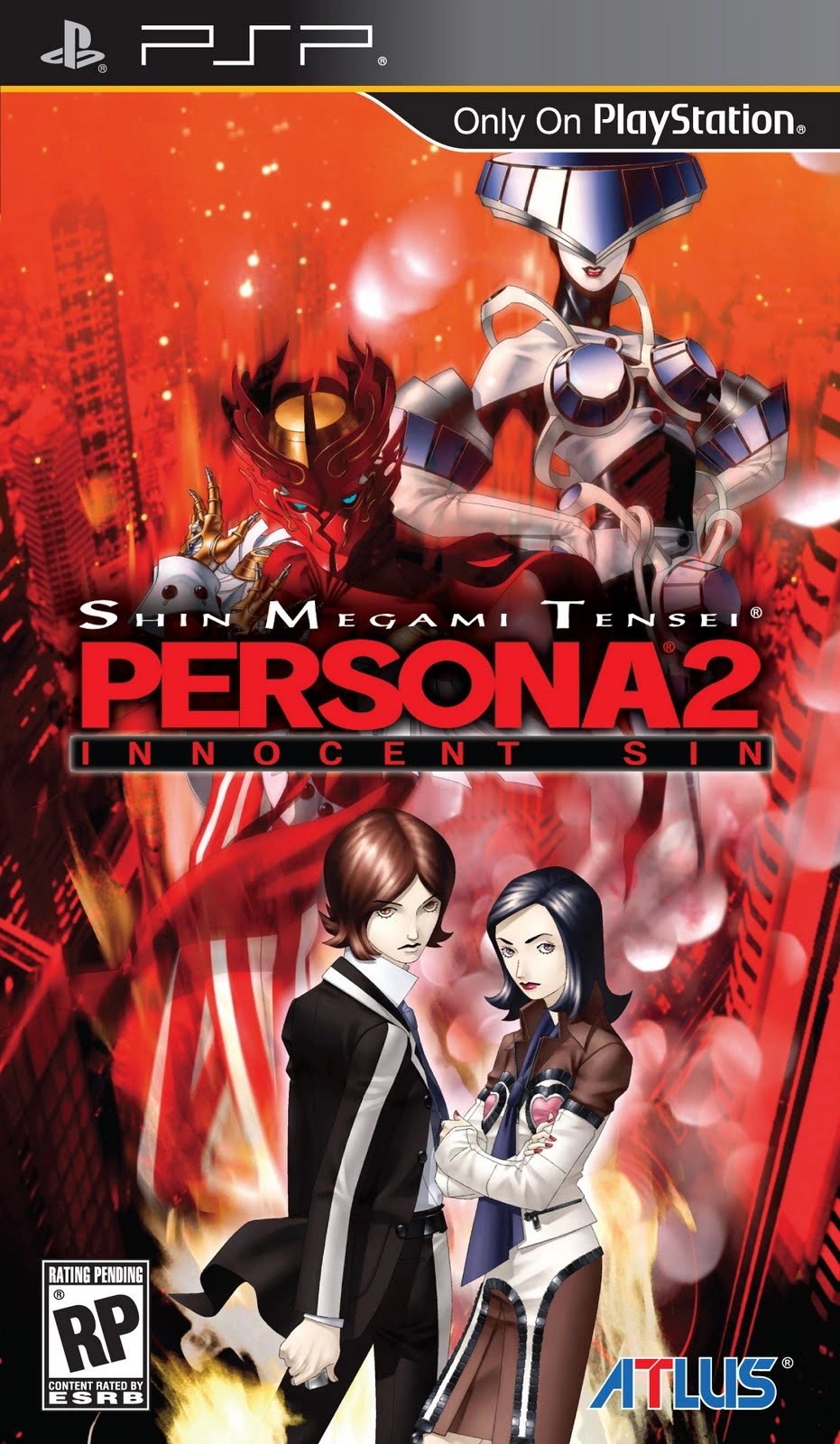
Persona 2: Innocent Sin, whose PSP remake reached North America in September 2011, is the series’ true tonal outlier. Its 1999 story revolves around a “rumor” mechanic where anything enough people believe starts to come true, aimed at an adult, urban cast instead of high schoolers, and it is the clearest evidence that the “school life plus dungeon crawling” formula everyone now associates with Persona was not the plan from day one. Its direct sequel, Persona 2: Eternal Punishment, got a PSP remake in Japan in 2012 that was never localized in English, so Innocent Sin is the only practical way into that story for English-speaking players now.
How Re-Releases Changed the “Best Entry Point” Answer
Start with whichever tone you actually want, not strictly the highest score. Persona 5 Royal is the better-built game by nearly every technical measure, but its story is about teenage rebellion against corrupt adults, delivered with a stylish, confident swagger. Persona 4 Golden is gentler and more character-driven, a small-town mystery about found family that plenty of longtime fans still call their favorite specifically because it is warmer than what came after. Persona 3 Reload is the one to pick if the appeal is tone over comfort: it is built around grief and mortality in a way neither 4 nor 5 attempts. The re-release era has quietly changed this decision, too — a newcomer in 2018 had to choose between an aging PS2 original and a pricey Vita, while a newcomer today can get the best version of practically every mainline entry on current hardware, which is part of why comparing these games head-to-head is more useful now than it has ever been.
Frequently Asked Questions
What is the best Persona game to start with?
Persona 5 Royal is the best all-around starting point: it is the most polished version of the series’ most refined combat and social-sim loop. Persona 4 Golden is an equally valid start for players who want a gentler, more character-driven story.
Are the Persona games connected to each other story-wise?
Loosely. Persona 3, 4, and 5 share the same core systems and some background lore (the Velvet Room, the Metaverse/TV World framing devices) but each tells a self-contained story with a different cast. Persona 2’s two games are a direct two-part story, separate from the 3/4/5 continuity.
Do I need to play Persona 3 FES or Persona 3 Portable before Persona 3 Reload?
No. Reload is a full remake of the base 2006 Persona 3 story and needs no prior game. It launched without FES’s Answer epilogue, which later arrived as separate paid DLC for players who want that specific extra chapter.
Is Persona 4 Golden worth it if Persona 4 Revival is coming?
Yes for now. Golden is available today on modern platforms and remains the definitive way to play Persona 4; Revival is a from-scratch remake that has not shipped yet, so Golden is not obsolete until Revival is actually out and reviewed.
What is the actual difference between Persona 2: Innocent Sin and Eternal Punishment?
They are a single story told in two parts with different lead characters: Innocent Sin follows Tatsuya Suou, and Eternal Punishment is its direct sequel following a new protagonist a few years later. Only Innocent Sin’s PSP remake was localized in English.