Persona 4 Revival is a remake of Persona 4 Golden, not of the 2008 original — it carries Golden’s story additions and true ending from the start. The headline changes are fully 3D environments with a rotatable camera, remade cutscenes animated by MAPPA, and a reworked combat and dungeon layer.
Last updated: September 10, 2026
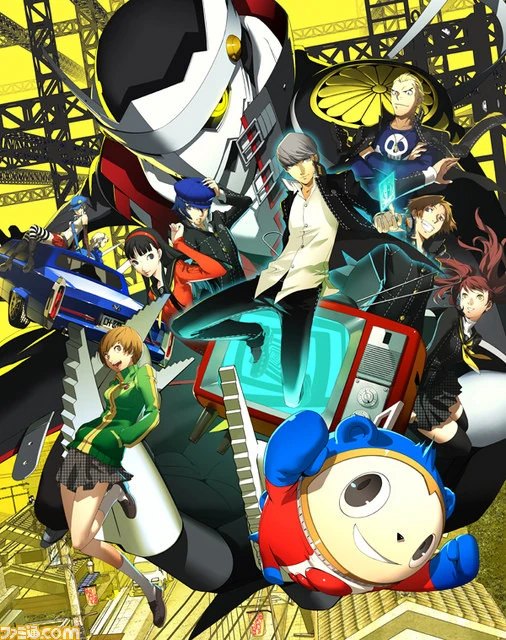
Atlus’s P-Studio is developing Persona 4 Revival, with Sega publishing worldwide. It releases February 18, 2027 on PlayStation 5, Windows and Xbox Series X|S, and May 20, 2027 on Nintendo Switch 2, per the game’s collated release listings — the Switch 2 version arrives three months after the others, which is worth knowing before you pre-order on the wrong platform.
Persona 4 Revival vs Persona 4 Golden: the confirmed differences
Everything in this table has been confirmed by Atlus or by producer Kazuhisa Wada in interviews. Anything still unannounced is marked as such rather than guessed at, because a lot of what circulates about this remake is inference from trailers rather than confirmed detail.
| Area | Persona 4 Golden (2012) | Persona 4 Revival (2027) |
|---|---|---|
| Base version | Enhanced port of the 2008 PS2 game | Remake built on Golden’s content, including its added stories and true ending |
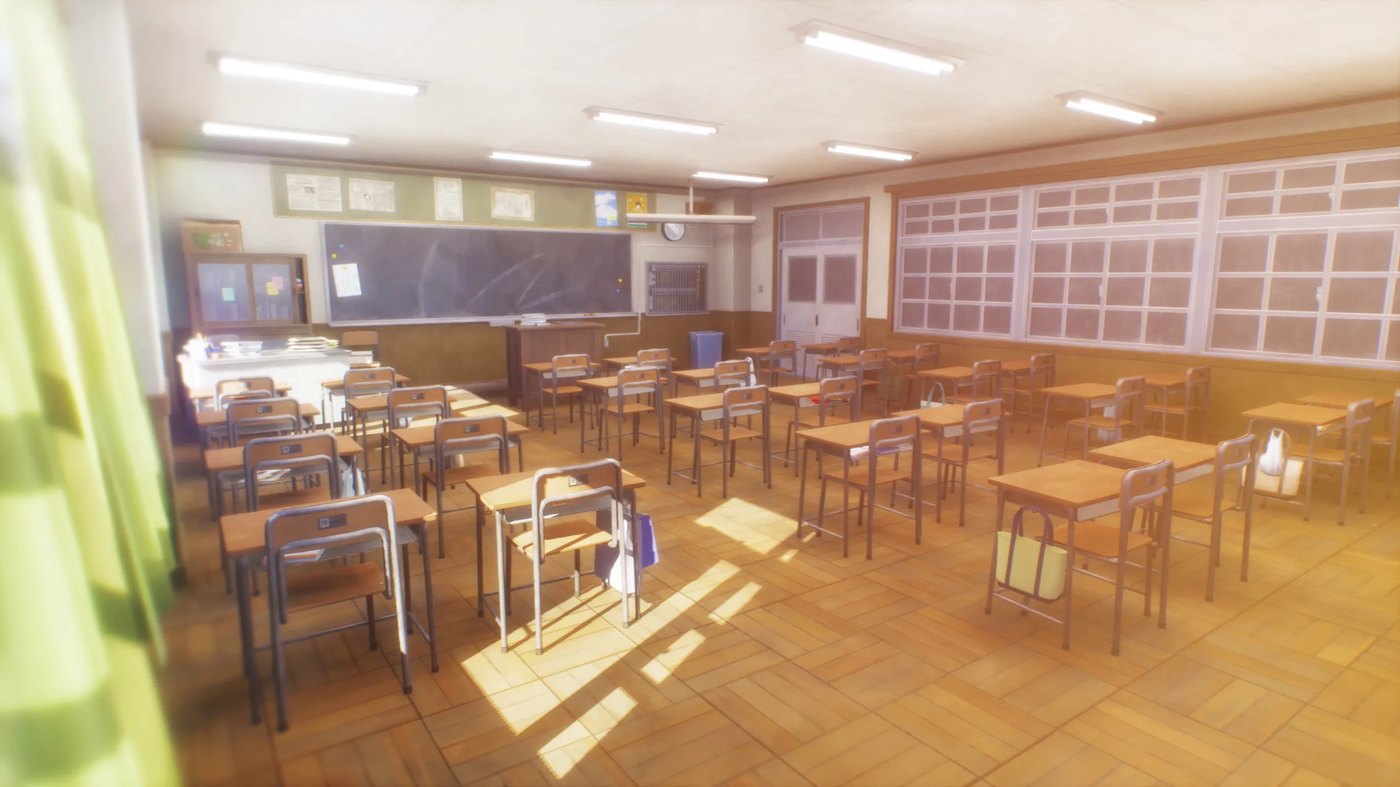
| Environments | Fixed 2D backgrounds | Fully 3D environments with a rotatable camera |
| Cutscenes | PS2-era and Golden animated scenes | All cutscenes remade; new animation by MAPPA |
| Dungeons | Randomised floors, minimal detail | Substantially reworked, more detailed, with reconstructed Shadow sequences |
| Navigation | No minimap | Minimap while roaming Inaba, plus a sprint in dungeons |
| Social Links | Initiated in person | Direct messaging system for starting Social Links, similar to Persona 5 |
| Combat additions | Baton Pass absent in the original release | Baton Pass, direct blocking, “Send Flying”, “Prime Time” and a “Series Finale” cinematic attack |
| Scooter/motorcycle | Motorcycle combat sections | Removed, replaced with an unannounced new system |
| TV listings | Present | Not returning |
| Music | Shoji Meguro score | New compositions and arrangements by Ryota Kozuka, vocals by Shiori Sasaki |
What the producer has actually said
The clearest account of what is changing comes from producer Kazuhisa Wada, in an interview with GamerBraves reported on August 10, 2026. Wada confirmed that the remake includes nearly everything added in Golden — its additional stories, side content and true ending — with TV listings as the exception.
Wada also confirmed that dungeons are undergoing substantial changes intended to reduce frustration and provide more detailed environments, and that the motorcycle combat mechanic will not return, replaced by a new interactive system Atlus has not yet detailed. Some dialogue has been adjusted where the team considered the original wording rough or insufficiently considered — a change that has drawn noticeably more comment from returning players than its scale suggests it would.
The detail that tells you what Revival really is
The most revealing change is the smallest one on the list: TV listings are not coming back. That single cut explains the remake’s whole design philosophy better than the 3D environments do.
Here is why it matters. Persona 4 Golden was built for the PlayStation Vita in 2012, and several of its additions existed to suit a handheld’s idle-time play patterns — small, glanceable systems you dip into for a minute. TV listings were exactly that. By keeping Golden’s story content while dropping its handheld-shaped busywork, Atlus is signalling that Revival treats Golden as the canonical text of Persona 4 but not as a design blueprint.
(Golden has not been Vita-only for years — it came to PC in 2020 and to PS4, Xbox and Switch in 2023 — but those are ports of the Vita build, carrying its design intact. Revival is the first version to revisit that design rather than re-release it.)
That makes this the first mainline Persona remake to adapt an enhanced port rather than an original release — Persona 3 Reload, by contrast, remade the original Persona 3 and notably did not include FES‘s “The Answer” epilogue at launch. If you have only played the PS2 version, understand that you are not getting a straight upgrade of the game you remember; you are getting the Vita version’s story, rebuilt.
What Atlus still has not confirmed
Several things widely discussed as facts are not confirmed. Being explicit about the gaps is more useful than filling them in, because this is a remake more than a year out from release and trailer inference has a poor track record.
Atlus has not detailed the system replacing motorcycle combat, beyond Wada confirming it is a new interactive mechanic. There is no confirmed word on whether the Marie content added in Golden is reworked or carried over as-is, on English voice casting, or on whether the game receives post-launch story content. Nor has Atlus announced a Persona 4 Revival version for PlayStation 4 or the original Nintendo Switch — the confirmed platform list is PS5, Windows, Xbox Series X|S and Switch 2 only.
One further caution on dates: because the Switch 2 release is separated from the others by three months, early coverage that cites a single “February 2027” date for the game is describing three of the four platforms, not all of them.
Should you replay Golden first?
If you have never finished Persona 4, there is no strong reason to play Golden now rather than wait — Revival contains its story and true ending, and the quality-of-life gap between a 2012 Vita game and a 2027 remake is large.
If you have played it before, the case for a replay is weaker still, since the presentation is the part being rebuilt. The exception is completionists chasing the true ending on the original terms: our Persona 4 Golden true ending guide still applies to the version on sale today. For the announcement timeline, see our Persona 4 Revival release date coverage, and for where the series sits among its peers, our Kingdom Hearts ranking covers the other long-running JRPG our readers ask about most.
Frequently Asked Questions
When does Persona 4 Revival release?
February 18, 2027 on PlayStation 5, Windows and Xbox Series X|S, and May 20, 2027 on Nintendo Switch 2. The Switch 2 version releases roughly three months after the other platforms.
Is Persona 4 Revival based on Persona 4 Golden?
Yes. Revival is an adaptation of Persona 4 Golden and retains that version’s narrative and gameplay additions from the beginning, including its additional stories, side content and true ending. TV listings are the one confirmed Golden feature not returning.
What is being removed in Persona 4 Revival?
Producer Kazuhisa Wada has confirmed two removals: the motorcycle combat mechanic, which is replaced by a new system Atlus has not yet detailed, and Golden’s TV listings. Some original dialogue has also been adjusted.
Do I need to play Persona 4 Golden before Revival?
No. Revival includes Golden’s story content, so newcomers can start there. Existing players have little reason to replay Golden first, since presentation and quality of life are the main things being rebuilt.
Who is making Persona 4 Revival?
Atlus’s P-Studio is developing it, with Sega publishing worldwide and Atlus in Japan. Daisuke Yajima directs, Kazuhisa Wada and Atsushi Nomura produce, Ryota Kozuka handles music, and MAPPA is producing the animated sequences.