The best superhero fighting games are Injustice 2, Invincible VS, and Marvel Tōkon: Fighting Souls, based on Metacritic scores, launch rosters, and how each one holds up years (or months) after release. This ranking covers five games spanning 2008 to 2026, from Mortal Kombat’s DC crossover to this year’s two new superhero fighters.
Last updated September 7, 2026.
How we ranked these
This list only counts dedicated fighting games built around superhero rosters — not hero shooters like Marvel Rivals or arena brawlers like My Hero Academia: All’s Justice, which use different combat systems entirely. Ranking weighs three things: Metacritic score at launch, how complete and balanced the roster felt on day one, and whether the game is still worth playing today rather than just historically important.
| Rank | Game | Year | Developer | Metascore |
|---|---|---|---|---|
| 1 | Injustice 2 | 2017 | NetherRealm Studios | 87 (PS4) |
| 2 | Invincible VS | 2026 | Quarter Up | N/A (Shacknews: 8/10) |
| 3 | Marvel Tōkon: Fighting Souls | 2026 | Arc System Works | N/A |
| 4 | Mortal Kombat vs. DC Universe | 2008 | NetherRealm Studios (Midway) | 72-76 |
| 5 | Marvel vs. Capcom: Infinite | 2017 | Capcom | 70 |
1. Injustice 2 (2017)
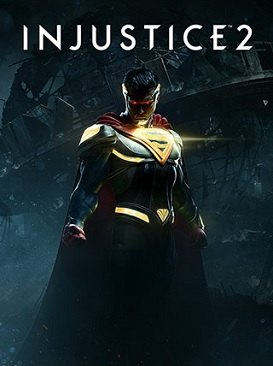
Injustice 2 holds an 87 Metascore on PS4, per Metacritic, making it the highest-rated superhero fighting game on this list by a wide margin. NetherRealm built on the original Injustice’s story-first structure with a gear system that let players customize each DC character’s stats and appearance, plus one of the deepest single-character rosters any fighter on this list has shipped.
2. Invincible VS (2026)
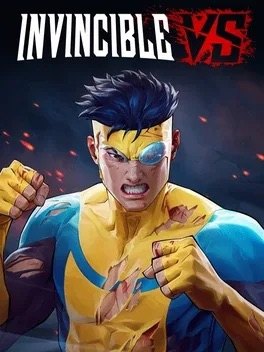
Invincible VS launched April 30, 2026, from developer Quarter Up and publisher Skybound Games, and reached one million players within its first two weeks, per Variety. Shacknews rated the launch build 8/10. Its 3v3 tag structure and 20-character launch roster (now 22, after the June 30 Season 1 update added The Immortal and Universa) make it the newest entry to earn a spot this high, and it’s the only game on this list built around a single comic universe rather than a publisher-wide crossover.
3. Marvel Tōkon: Fighting Souls (2026)
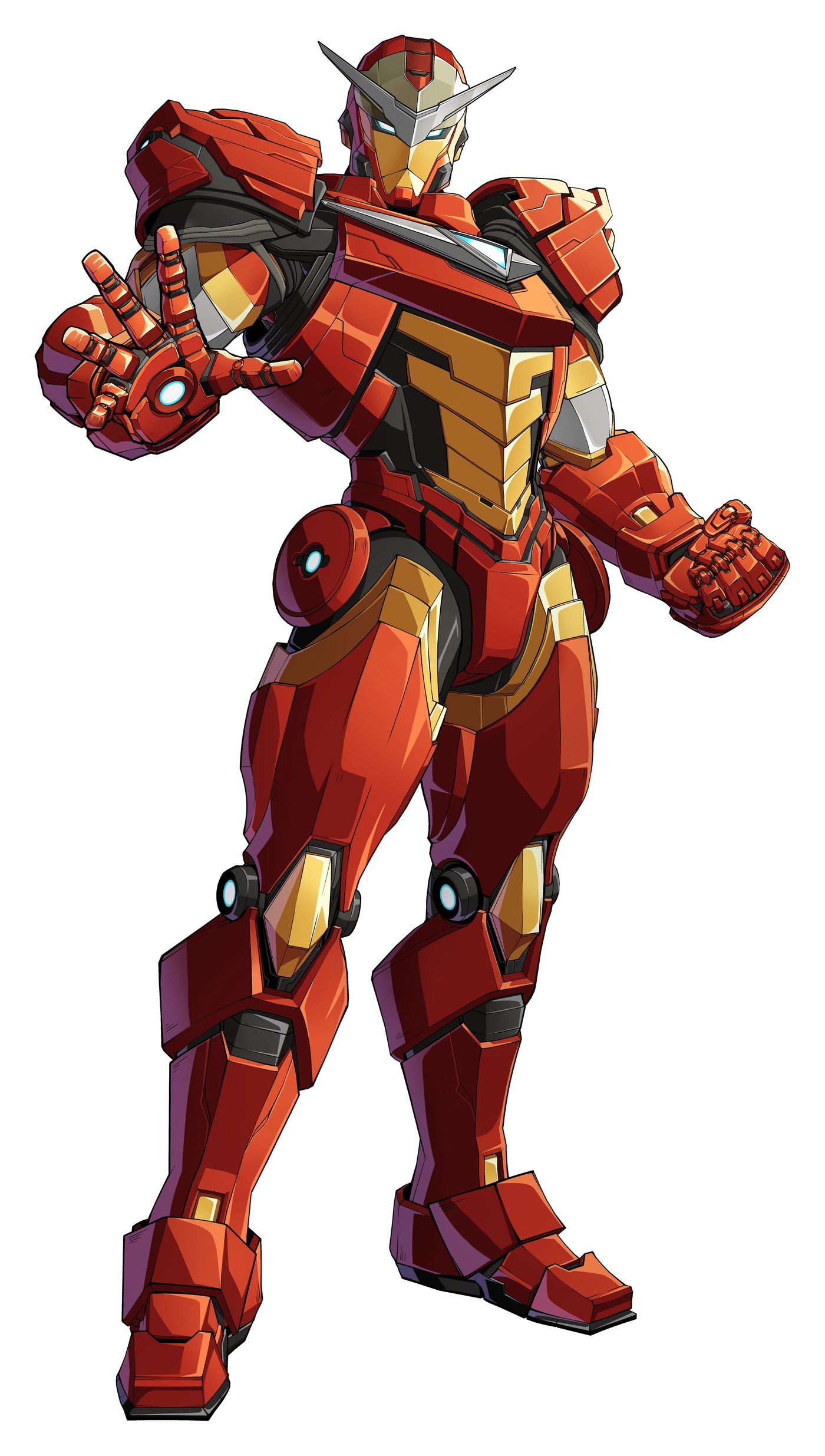
Arc System Works’ Marvel Tōkon: Fighting Souls launched August 6, 2026, with a 20-character base roster split into five four-hero teams. It’s a 4v4 tag fighter rather than 1v1 or 3v3, which gives it the largest simultaneous roster of any game here. We’ve already broken down the launch cast in our Marvel Tōkon tier list.
4. Mortal Kombat vs. DC Universe (2008)
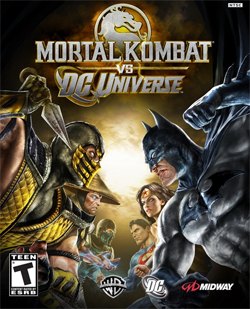
The original superhero/fighting-game crossover, Mortal Kombat vs. DC Universe scored 72 on Xbox 360 and 76 on PS3, per Metacritic. NetherRealm (then still Midway) toned down Mortal Kombat’s trademark gore to fit DC’s cast, which split reception at the time but proved the crossover-fighter concept could work at all — everything else on this list owes it something.
5. Marvel vs. Capcom: Infinite (2017)
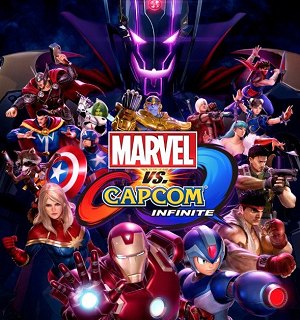
Marvel vs. Capcom: Infinite scored 70 on Metacritic, the lowest of any game on this list, weighed down by a smaller launch roster than prior entries and a divisive story mode. It still lands here because the Infinity Stone mechanic gave 2v2 team fights a genuine tactical layer, and the crossover of Marvel heroes against Capcom’s own cast remains something only this series does. If crossovers appeal to you more than a single-publisher roster, our best and worst comic book video games of all time covers the wider genre beyond just fighters, and our best Batman video games ranked digs into the single-hero side of that same genre.
What’s next for superhero fighting games
Invincible VS Season 2 adds Angstrom Levy in October 2026, and Marvel Tōkon’s first DLC character, Phoenix Cyclops, is already confirmed. On the DC side, Injustice 3 has not been officially announced by NetherRealm Studios or Warner Bros. as of this writing — reports of a Warner Bros. artist’s resume referencing the project, plus convention comments from series voice actors, point to it being in development, but treat that as unconfirmed until NetherRealm says otherwise.
Frequently Asked Questions
What is the highest-rated superhero fighting game?
Injustice 2 is the highest-rated superhero fighting game by Metacritic score, holding an 87 on PS4 — the best of any title in this genre.
Is Invincible VS a fighting game or a brawler?
Invincible VS is a 3v3 tag-team fighting game, closer in structure to Marvel vs. Capcom than to an arena brawler like My Hero Academia: All’s Justice.
Is Injustice 3 confirmed?
No. As of September 2026, NetherRealm Studios and Warner Bros. have not officially announced Injustice 3, despite leaks and convention comments suggesting it is in development.
How many characters does Marvel Tōkon: Fighting Souls launch with?
Marvel Tōkon: Fighting Souls launched August 6, 2026 with 20 characters split into five four-hero teams.