Quick TakeArticle at a glance
- Vagabond is still Inoue's best work even though it hasn't published a new chapter since May 2015.
- Slam Dunk built his career and sold over 185 million copies before the 2022 film won Japan's top animation prize.
- Real, his wheelchair-basketball drama, is the only one of the three still publishing new chapters at all.
The best Takehiko Inoue manga is Vagabond, and it has held that spot for over a decade even though the series hasn’t published a new chapter since 2015. Slam Dunk is what made him famous and Real might be his most quietly devastating work, but Vagabond is the one people still can’t stop thinking about, hiatus and all.
Takehiko Inoue has published exactly three major, ongoing-or-completed manga in a career that’s spanned 36 years, plus one shorter sci-fi series most people have never heard of. That’s a tiny body of work for someone this famous — and ranking it means being honest that two of his three masterpieces aren’t actually finished.
1. Vagabond — The Masterpiece That Stopped Mid-Story
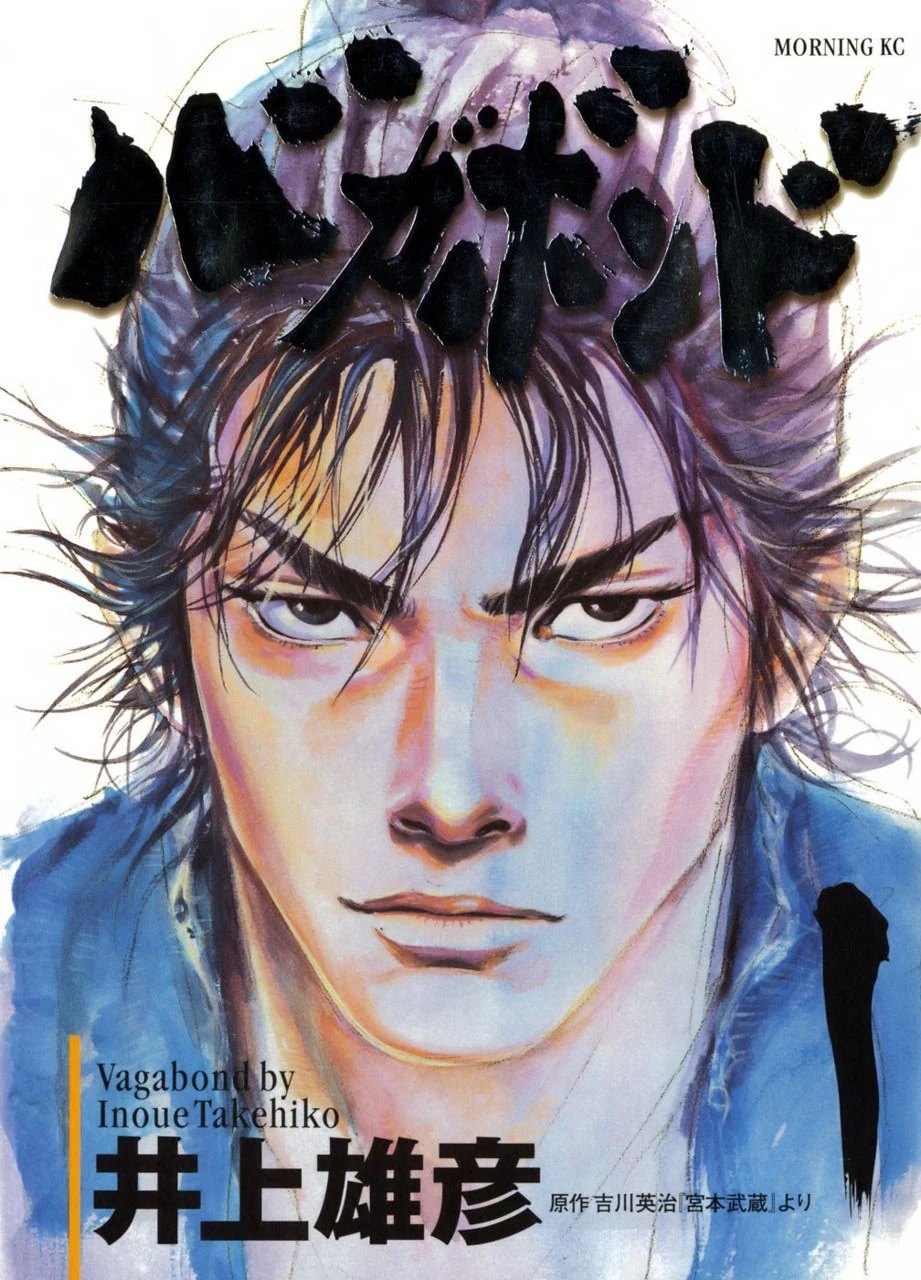
Vagabond is Inoue’s fictionalized retelling of swordsman Musashi Miyamoto’s life, loosely based on Eiji Yoshikawa’s 1930s novel. It started in 1998, ran 37 collected volumes, and sold more than 82 million copies worldwide — and then, on May 21, 2015, it stopped. The chapter, titled “The Man Named Tadaoki,” ends mid-arc. There has been no new chapter since.
Inoue has said the hiatus wasn’t a health issue or a business decision, it was the weight of trying to make the series perfect. “My hope is to stay away from Vagabond until all those unnecessary worries and emotions are gone and I’m ready to draw it because I want to draw it,” he said, years into the break, a status Wikipedia’s Vagabond entry still lists as an indefinite hiatus. He’s never ruled out finishing it. He’s also never given a date.
The reason it still tops this list eleven years later: no other manga draws physical effort like Vagabond does. Around the halfway point Inoue shifted from clean linework to loose ink-wash brushstrokes, the same technique used in actual samurai-era sumi-e painting, and the fight scenes stopped looking choreographed and started looking like violence. It won the Grand Prize at the 2000 Japan Media Arts Festival, the Kodansha Manga Award the same year, the Tezuka Osamu Cultural Prize in 2002, and got Inoue an Eisner nomination for Best Writer/Artist in 2003 — all for a story that, on paper, is still unfinished.
2. Slam Dunk — The One That Built His Career
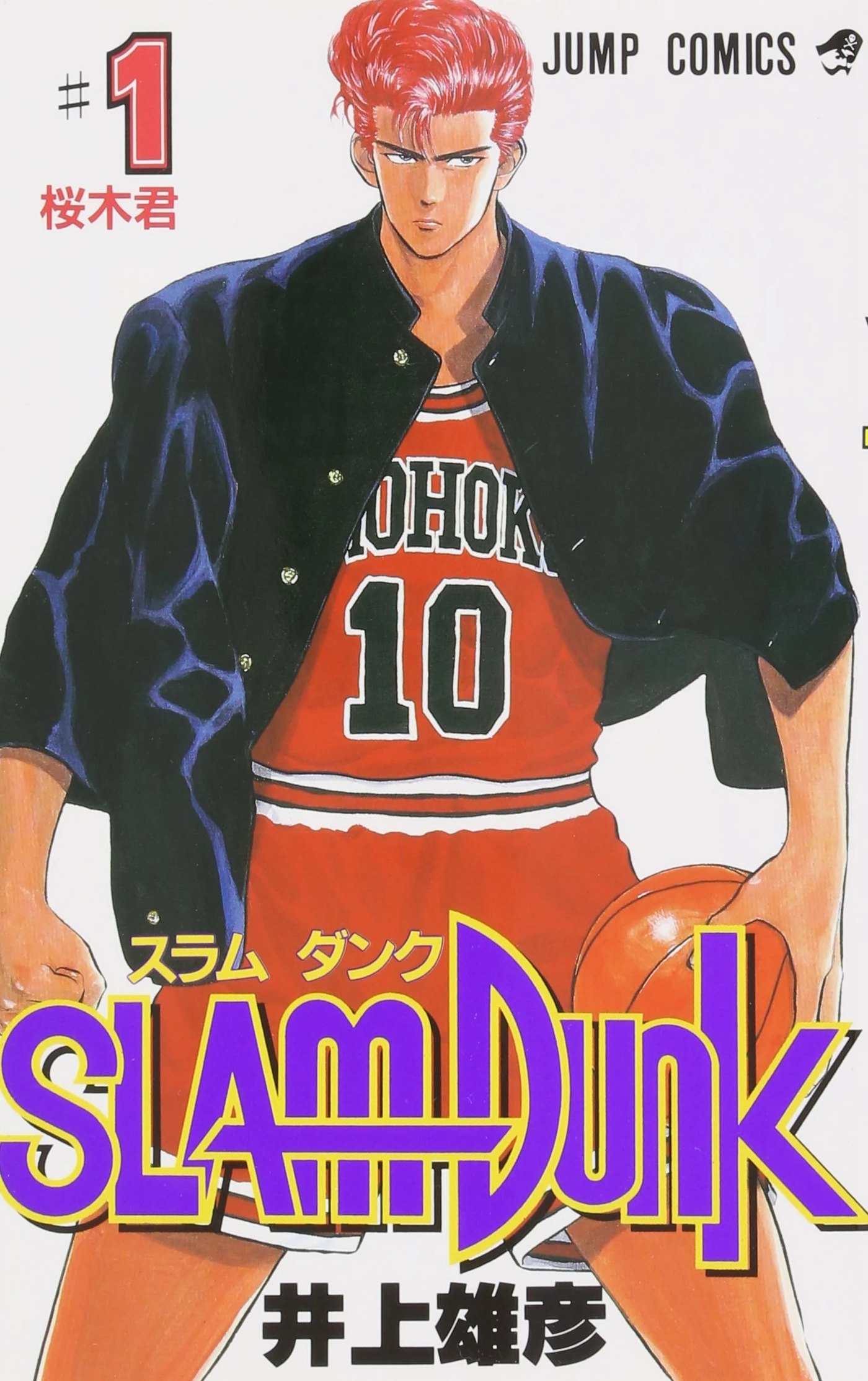
Slam Dunk ran in Weekly Shōnen Jump from 1990 to 1996 and follows Hanamichi Sakuragi, a delinquent with zero basketball experience who joins his high school team to impress a girl and ends up actually loving the sport. It’s sold over 185 million copies, making it one of the best-selling manga series ever printed, and it’s still credited in Japan with a real, measurable bump in youth basketball participation through the 1990s.
It also got the ending it deserved decades late. In 2022, Inoue wrote and directed The First Slam Dunk, his feature directorial debut and the franchise’s first new film in 28 years. It made over $212 million worldwide, became one of the highest-grossing anime films ever released in Japan, and won the Japan Academy Prize for Animation of the Year in 2023. Slam Dunk is the only entry on this list with a genuine, complete beginning-middle-end — which, after Vagabond, is worth pointing out is not the norm for Inoue.
3. Real — His Most Personal Work, and the Slowest
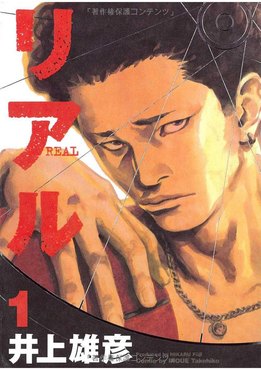
Real started in 1999 and follows three men connected by wheelchair basketball — a former delinquent carrying guilt over the accident that paralyzed someone else, a promising sprinter who lost his leg to cancer, and a high school basketball captain paralyzed in a bicycle accident. Inoue spent years interviewing actual wheelchair basketball athletes before drawing it, and it shows: this is the only one of his major works that treats disability as a fact of a character’s life rather than a tragedy to be overcome by act three.
It’s also the one with genuinely no schedule at all. Real doesn’t run weekly, monthly, or even yearly — Inoue publishes a chapter when it’s done, and gaps of a year or more between chapters aren’t unusual. Volume 17 came out in Japan on April 17, 2026, and Chapter 105 followed that July. Chapter 106 has no announced date as of this writing. If Vagabond is on hiatus and Slam Dunk is finished, Real is the manga equivalent of a slow drip that never fully stops.
Inoue also drew Buzzer Beater, a shorter, stranger sci-fi basketball manga about a human team recruited into an intergalactic tournament. It’s a fun curiosity and worth tracking down if you’ve read everything else, but it’s a minor work next to the other three — a change of pace, not a fourth masterpiece.
What Actually Connects All of Inoue’s Work
Every mangaka this famous usually has a visual signature you can spot instantly. Inoue doesn’t. Slam Dunk is clean, energetic, commercial shonen art. Vagabond is loose ink-wash brushwork that looks nothing like it. Real is quiet, anatomically exact, and drawn from real reference photos of real athletes. He rebuilds his drawing style from scratch for each subject rather than reusing what already sold.
What doesn’t change is the subject underneath the style: a body pushed past what it’s supposed to be able to do, drawn by someone who clearly studied the mechanics of exhaustion instead of just the concept of it. That’s the actual throughline of a “best of” list like our wider best manga of all time ranking tends to flatten — Inoue’s manga aren’t grouped by genre, they’re grouped by how hard someone is trying. If you want another artist working from that same unglamorous, physically-grounded seinen tradition, Berserk’s reading order is the other obvious next stop, and our breakdown of the actual difference between shonen and seinen explains why Vagabond and Real read so differently from Slam Dunk despite sharing an artist.
| Manga | Genre | Started | Status (2026) | Copies sold |
|---|---|---|---|---|
| Vagabond | Historical / samurai epic | 1998 | Hiatus since May 2015 | 82 million+ |
| Slam Dunk | Sports (basketball) | 1990 | Complete (ended 1996) | 185 million+ |
| Real | Sports drama (wheelchair basketball) | 1999 | Ongoing, no fixed schedule | 17 volumes (2026) |
Frequently Asked Questions
Is Vagabond ever coming back?
Inoue hasn’t ruled it out. He’s said he wants to return once the pressure of making it perfect has faded, but as of 2026 there’s no announced date or confirmed plan for new chapters.
Is Real finished?
No. It’s still publishing, just without any fixed schedule — Chapter 105 came out in July 2026, and gaps of a year or more between chapters have happened before.
What’s the best Takehiko Inoue manga to start with?
If you want a complete story with a real ending, start with Slam Dunk. If you don’t mind an unfinished series, most readers consider Vagabond the better book.
Did Takehiko Inoue write anything besides Vagabond, Slam Dunk, and Real?
Yes — Buzzer Beater, a shorter sci-fi basketball manga about a human team recruited into an intergalactic tournament, plus a handful of one-shots and art collections.