The best Dragon Ball: Sparking! Zero team combinations for ranked right now are built around Destruction Point (DP) budget, not raw character power. As of patch Ver. 3.021.020.003.012.014 (released August 7, 2026), the strongest online teams pair a cheap Point starter, a resilient Pivot, and a high-DP Support/Anchor inside the 15-DP ranked cap.

The Current Patch: What’s Actually Live in August 2026
Bandai Namco shipped Ver. 3.021.020.003.012.014 for Dragon Ball: Sparking! Zero on August 7, 2026 (8:00 UTC), following server maintenance earlier that day. Bandai Namco’s official patch notes list model fixes, Limit Breaker Journey adjustments, and stability improvements — no ranked-relevant character rebalancing. The last patch that actually moved the ranked meta was the July 29, 2026 update, which shipped alongside the Super Limit-Breaking NEO DLC and introduced Linked Blast (a switched-in character can immediately fire a Blast attack) and Sparking! Boost, plus a Skill Stock cost reduction for Vegeta (Super). That’s the patch the team compositions below are actually built around, since it’s the last one that changed how switching and Skill Stock economy work in ranked matches.
Every build below assumes the standard online ranked format: a 15 Destruction Point (DP) cap per team, confirmed across ResetEra’s ranked-mode breakdown and community DP-cost threads on Steam. Characters cost between 1 DP (Hercule/Mr. Satan) and 10 DP (Whis, Beerus, SSJ4 Gogeta).
Why a “Best Characters” List Doesn’t Actually Help in Ranked
Most tier lists rank characters in isolation, but ranked play punishes that thinking because your whole team has to fit under 15 DP. The framework that’s actually taken hold in the community this year is Point – Pivot – Support, which has effectively replaced the older “Point-Mid-Anchor” shorthand from launch. The difference matters: roles in the new framework aren’t fixed slots, they shift with match tempo. A Pivot character who’s winning neutral can suddenly need to play Anchor if you’re down a life bar.
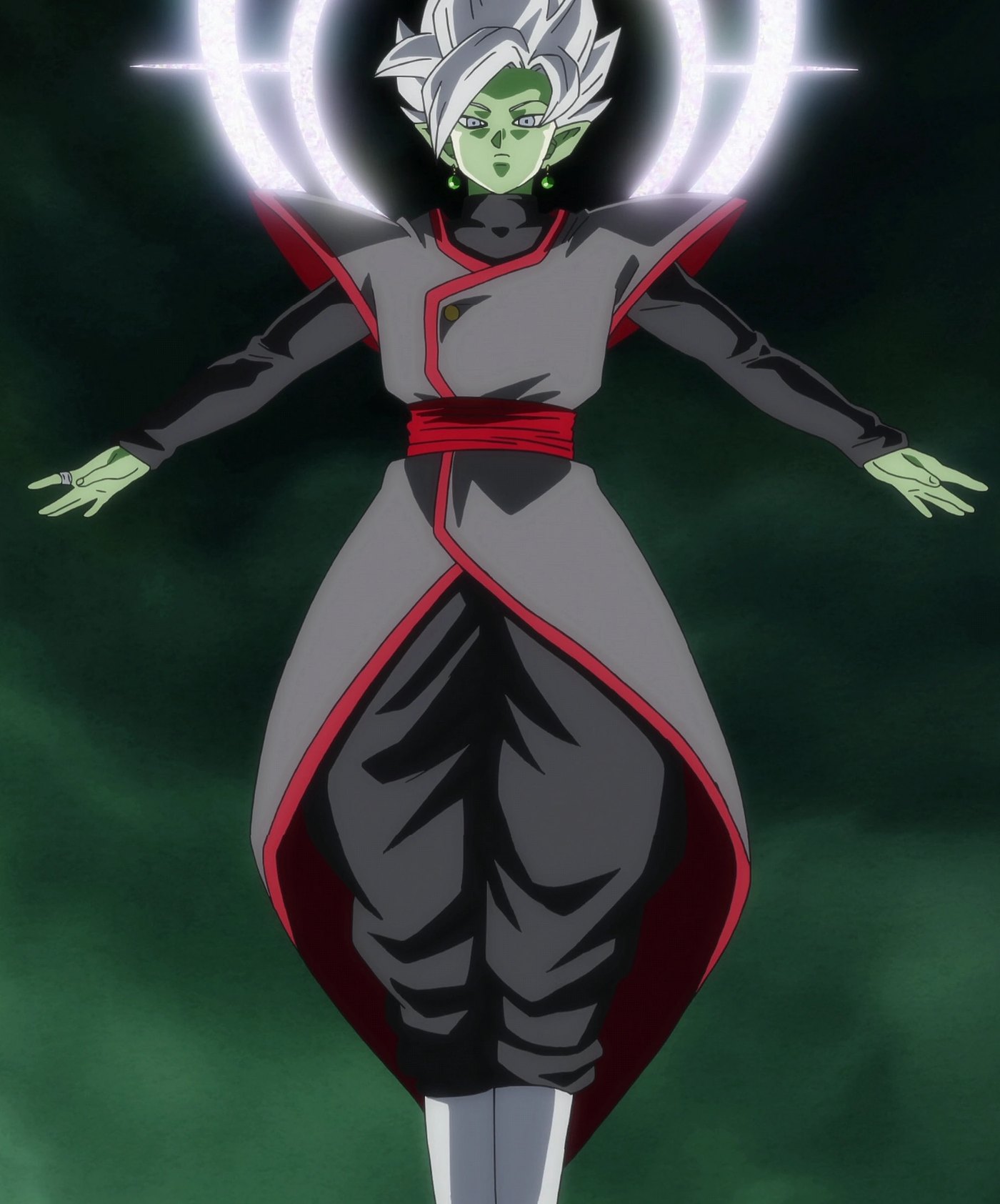
Point is your opener — cheap DP, fast movement or vanish options, and pressure strings that set the pace without needing to win outright. Evasive, low-DP fighters like Pan (GT) or teen-era Goku are common picks here. Pivot is, per community consensus, the most important seat on the team: it stabilizes a losing exchange, resets neutral, and keeps pressure on without overcommitting DP or Skill Stocks. Whis is the poster child for this role because his evasive kit and healing let him both punish mistakes and buy time. Support (what used to just be called “Anchor”) is your insurance policy — it doesn’t need to look flashy, it needs to close a game or stall until your Skill Points recover. High-DP characters with strong survivability or a devastating Sparking Mode combo, like Fused Zamasu or Broly, typically fill this seat.

The Real Lever Nobody Spells Out: DP Budget vs. Transformation Economy
Here’s the mechanical detail that most “best team” roundups gloss over, and it’s the actual reason some pairings work and others quietly don’t: transforming a character mid-match costs Skill Points, not DP. DP is only spent once, at the team-build screen, on whichever starting form you pick for a roster slot. FandomWire’s breakdown of Skill Points and the game’s own systems confirm this: a pre-transformed slot (say, Goku Black already in Super Saiyan Rose) costs more DP than the base form of the same character, because the base form can reach that exact same transformation for free later, paid for entirely with Skill Points earned in the fight.
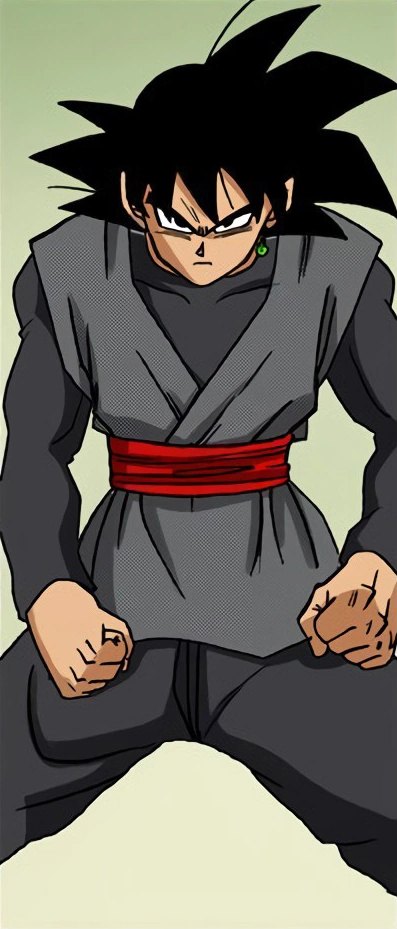
The clean, sourced example is Goku Black himself: his base form costs 5 DP, while a team slot built as Goku Black (Super Saiyan Rose) costs 8 DP — a 3-DP tax just for starting already-transformed. Bank that 3 DP instead, and you can afford a second Point or Support character on the same team. This is the actual math behind why lean, two-character “high-investment” teams and cheap-starter, transform-later teams both show up in ranked at a competitive rate: they’re two different ways of solving the same 15-DP budget problem, not a matter of one being objectively better. It also explains why one widely-shared team idea — pairing Whis (10 DP) with Beerus (10 DP) on the same roster — doesn’t actually clear the ranked screen: 20 DP is 5 over the cap before you’ve picked a third character. Community threads on Steam have flagged this exact math error, and any list that includes both without a third, negative-DP explanation should be read skeptically.
Four Ranked Team Combinations That Clear the DP Math
Each of these fits at or under the 15-DP ranked cap and maps cleanly onto the Point-Pivot-Support framework. DP costs below are for the listed starting form; some can transform further mid-match at no extra DP cost.
| Team | Characters (Role) | DP Cost | Total DP | Why It Works |
|---|---|---|---|---|
| Divine Pivot Duo | Goku Black, base form (Point) · Whis (Pivot/Support) | 5 + 10 | 15 | A lean two-character build. Whis single-handedly covers Pivot and Support with evasive punishes and healing; Goku Black banks Skill Points to reach Super Saiyan Rose for free later, effectively adding a second character’s power to a 5-DP slot. |
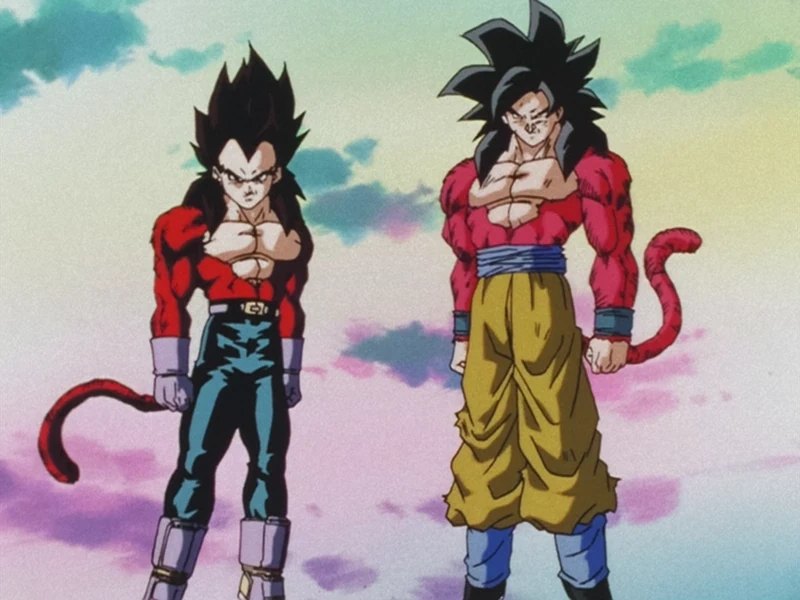
| GT Saiyan Overdrive | Pan, GT (Point) · Vegeta, GT Super Saiyan 4 (Pivot) · Krillin (Support) | 3 + 8 + 3 | 14 | Pan’s evasive low-DP pressure opens the match; a pre-built SSJ4 Vegeta gives an immediate mid-fight bruiser; Krillin’s Solar Flare creates the blind window Vegeta needs to convert into damage. |
| Rose Control | Videl (Point) · Goku Black, base to Rose (Pivot) · Fused Zamasu (Support) | 2 + 5 + 8 | 15 | Videl’s cheap poke tools open space; Goku Black’s transformation economy gives you a mid-match power spike for free; Fused Zamasu’s regeneration and immortality make him a Support that simply refuses to die. |
| Anti-Tank Wall | Videl (Point) · Piccolo (Pivot) · Broly, Z Legendary Super Saiyan (Support) | 2 + 4 + 9 | 15 | Built specifically against grapple- and armor-heavy comps: Piccolo’s counter tools punish committed offense, and a 9-DP Broly closes rounds outright once Sparking Mode is up. |
Where Sources Actually Disagree
Not every corner of the community agrees on execution. The Escapist’s ranked team roundup leans defensive, favoring drain-and-regenerate cores like Super Buu and the Androids, while Game8’s team-building guide leans toward single-target burst around SSJ4 Gogeta with setup characters like Krillin clearing the way. Neither is wrong — they’re optimizing for different DP budgets and different player skill floors. Where we’d push back is on any list that treats a character’s raw tier ranking as interchangeable with team-building math; DP legality and role coverage matter more in ranked than whether a character is individually S-tier.
Building Your Own Team Around the Framework
If none of the four teams above match characters you actually own or main, use the framework instead of copying the roster. Pick one cheap, evasive Point character first and don’t spend more than 5 DP there. Then pick your Pivot: this should be whichever character you’re most comfortable landing punishes and combos with under pressure, since the Pivot seat carries the match if things go sideways. Spend whatever DP is left, usually 6 to 10 points, on a Support/Anchor that can either close a round on its own or simply refuses to die long enough for your Skill Points to recover. If your Pivot or Anchor has both a base and a transformed version listed with different DP costs, default to the cheaper base form unless you specifically need the transformed version’s stats active from round one, since you’ll usually reach the same transformation for free with Skill Points before the round ends anyway.
For more current fighting-game breakdowns, see our Marvel Tokon: Fighting Souls tier list and our Marvel Rivals team comp guide for Season 9.5, or catch up on the anime side with our coverage of Dragon Ball Daima’s Astra TV Awards win.
Frequently Asked Questions
What is the current patch for Dragon Ball: Sparking! Zero as of August 2026?
The live patch is Ver. 3.021.020.003.012.014, released August 7, 2026. It focused on model fixes, Limit Breaker Journey tweaks, and stability, building on the July 29, 2026 update that added Linked Blast and Sparking! Boost mechanics, per Bandai Namco’s official update notice.
What is the DP limit for ranked matches?
Online ranked play uses a 15 Destruction Point (DP) cap per team. Characters range from 1 DP (Mr. Satan) up to 10 DP (Whis, Beerus, Super Saiyan 4 Gogeta), and your full roster of up to five characters must fit under that total.
Does transforming a character cost DP during a match?
No. DP is only spent once, when you choose a character’s starting form at team-build. Transformations during a match are paid for with Skill Points earned by fighting, which is why starting a character in a cheaper base form and transforming later is a common way to save DP for a teammate.
Is the Point-Pivot-Support framework confirmed, or is it fan terminology?
It’s community terminology, not an official Bandai Namco term, but it’s the framework currently used across ranked-focused guides and community discussion to describe how the older Point-Mid-Anchor structure has evolved as players optimize around the 15-DP cap and Skill Point economy.
Can I run a team of just two characters in ranked?
Yes. Nothing requires you to use all five roster slots or all 15 DP. A two-character team built around two high-cost, high-skill characters, for example Whis and a Goku Black who transforms into Super Saiyan Rose mid-match, is a legitimate, commonly used strategy rather than a beginner mistake.