Last updated September 14, 2026. This guide covers the full manga story and contains major spoilers.
The main Promised Neverland characters split into three groups: the Grace Field House children led by Emma, Norman, and Ray; the adult caretakers who run the farm the children are trying to escape; and the demons and allies the children meet once they’re free.
If you only watched the anime, several of the characters below will be unfamiliar — the heavily condensed second season skipped most of their arcs.
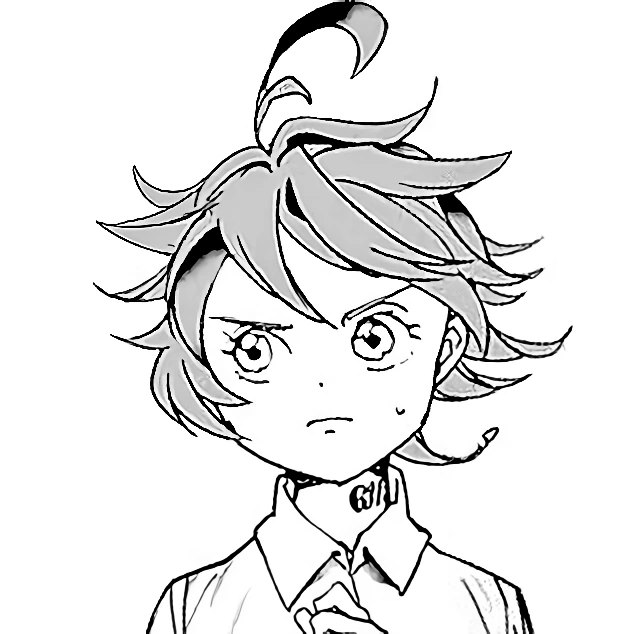
Emma, Norman, and Ray: The Three Leads
Emma is the series’ protagonist: a relentlessly optimistic 11-year-old who discovers that Grace Field House is a farm breeding children as food for demons, and who leads the escape of every child aged five and older. Her defining trait — refusing to leave anyone behind, even children she barely knows — drives most of the plot’s biggest risks.
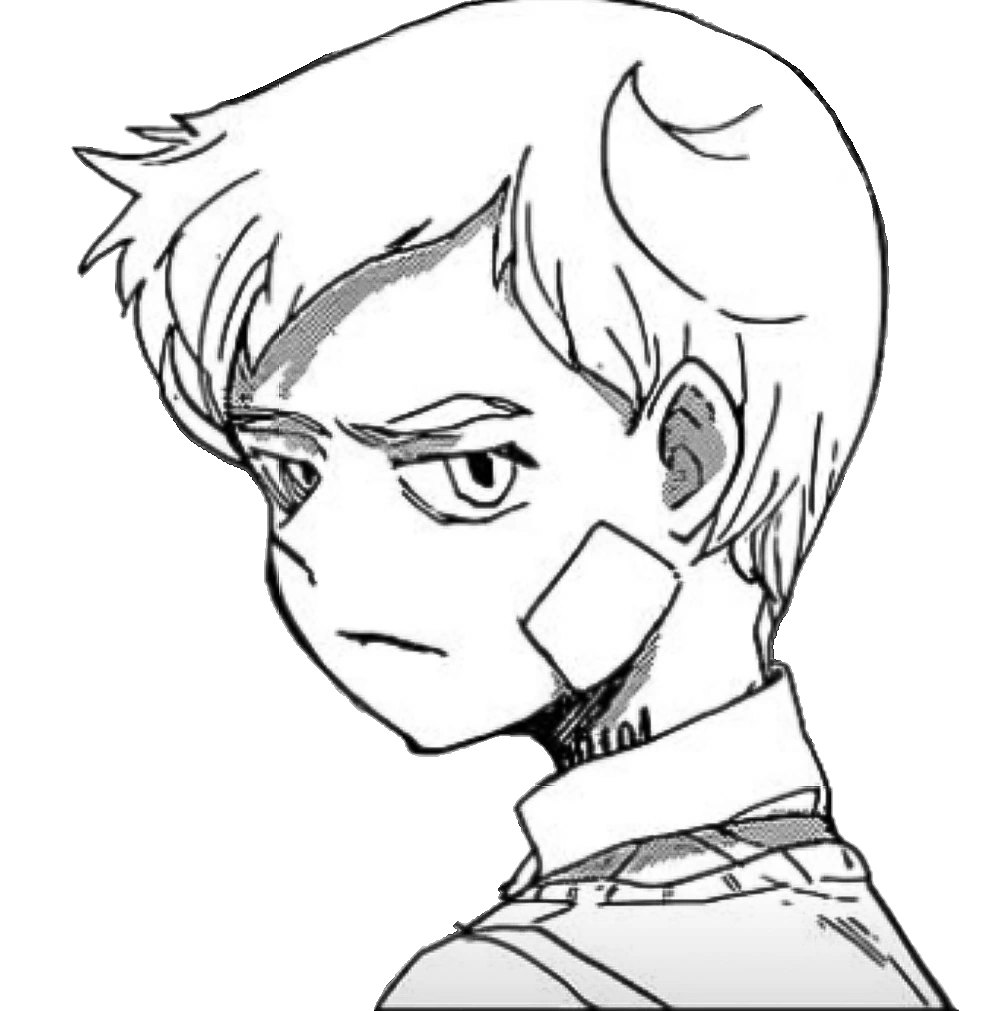
Norman is the group’s strategist, recognized from the start for his intelligence. He is shipped out to a demon research facility, Lambda 7214, just before his twelfth birthday, but survives, escapes, and eventually leads a separate group of children to destroy the facility before rejoining the main cast as a key planner in the final conflict.
Ray is the pragmatist of the trio and Isabella’s biological son. He initially works as her informant inside the group, aware from early on that the children are being farmed, before switching sides to join Emma and Norman’s escape plan. He survives and becomes one of the group’s most reliable tacticians.
Isabella and Sister Krone: The Caretakers
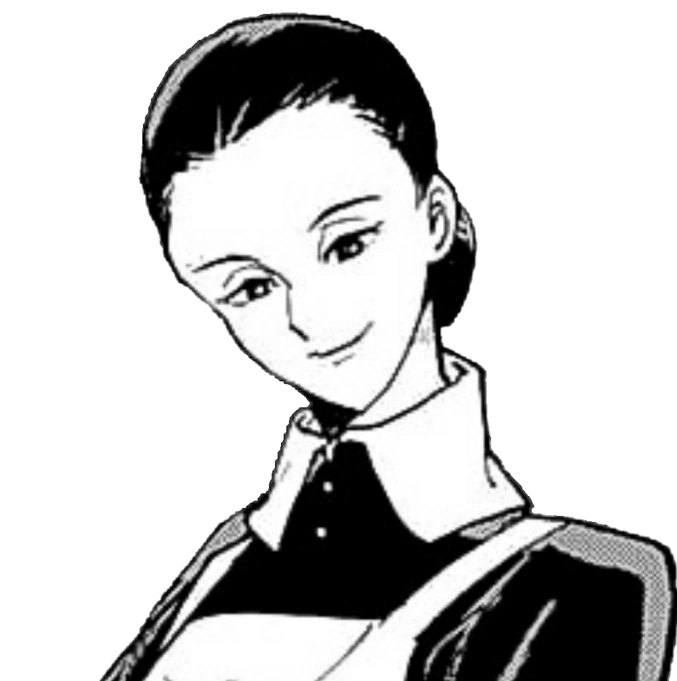
Isabella, called “Mom” by the children, is Grace Field House’s caretaker. She appears warm and loving for most of the story’s first act before it’s revealed she knowingly raises the children to be eaten, having been raised in the same system herself. She is not a simple villain: later in the story she defects, adopts the title “Grandma,” and works to help the children she once farmed.
Sister Krone is introduced specifically to destabilize Isabella’s position, competing with her for control of the house. Her attempt to expose and replace Isabella fails, and she is killed by Isabella and the farm’s previous caretaker before she can act on what she’s learned.
Mujika and Sonju: The Demon Allies
Mujika and Sonju are demons who reject the farming system on religious grounds — Mujika’s bloodline allows demons to sustain themselves without consuming humans at all, which makes her both a lifeline for the escaped children and a target for the demon aristocracy that depends on farming to survive. Sonju, who shares her beliefs, acts as protector and combat trainer for the group once they reach demon territory.
Peter Ratri: The Real Antagonist
Grace Field House’s local demons are never the series’ true threat. That role belongs to Peter Ratri, head of the human Ratri Clan that has run the farming system for generations. He considers himself a father figure to every farmed child and shows no remorse about the system he maintains, positioning himself as the final obstacle standing between the children and lasting freedom.
Yuugo (“Mister”): The Reluctant Protector
Yuugo, nicknamed “Mister,” is a survivor of a prior escape from a different farm, Glory Bell, who isolates himself after the trauma of losing everyone he escaped with. He eventually becomes a father figure to Emma’s group and sacrifices himself defending their shelter during the story’s climax.
Why the Anime Doesn’t Cover Most of This
Season 2 of the anime compressed roughly two-thirds of the remaining manga into eleven episodes, cutting entire arcs — including most of Mujika and Sonju’s backstory and much of the Peter Ratri conflict — down to a few minutes each. The reception was bad enough that CloverWorks and Aniplex have not moved forward on a third season, and as of 2026 none is in production.
That means anime-only viewers effectively never got a real introduction to three of the characters covered above. If Emma and Norman’s story ended in a way that felt unfinished on screen, the manga’s back half — and specifically these characters — is where that resolution actually happens. For more on how CBC ranks other manga-vs-anime adaptation choices, see our list of anime adaptations that improved on their source manga, and for a broader primer on the genre this series sits in, our explainer on shonen vs. seinen covers where Promised Neverland’s tone sits relative to more typical shonen fare.
Sources: Character details cross-referenced with Wikipedia’s list of The Promised Neverland characters and the The Promised Neverland Wiki (Fandom). The manga had sold more than 43 million copies in circulation worldwide as of August 2026, per Otaku USA Magazine.
Frequently Asked Questions
Who are the three main characters in The Promised Neverland?
Emma, Norman, and Ray are the three central protagonists. Emma leads the escape from Grace Field House, Norman serves as the group’s chief strategist after surviving a separate ordeal, and Ray is the pragmatist who starts as Isabella’s informant before joining the escape.
What happens to Isabella in The Promised Neverland?
Isabella, the farm’s caretaker, is revealed to be complicit in raising children to be eaten by demons. Later in the story she defects from the farming system, takes on the title “Grandma,” and works to help the very children she once raised for consumption.
Who is the main villain in The Promised Neverland?
Peter Ratri, head of the human Ratri Clan, is the series’ true antagonist. He oversees the farming system on a much larger scale than any individual demon and considers himself a father figure to the children he farms, showing no remorse for the system.
Does The Promised Neverland anime cover the whole manga?
No. The anime’s second season heavily condensed the manga’s back half, cutting most of Mujika and Sonju’s story and the Peter Ratri conflict. No third season is in production as of 2026, so anime-only viewers have not seen a proper adaptation of those characters.