Quick TakeArticle at a glance
- Carrie (2026) review : Mike Flanagan's eight-episode Prime Video reimagining of Stephen King's novel is the best-directed, best-acted version of this story yet — and it still doesn't work, because it can't bring itself to let its own ending happen.
- Spoiler warning: this review discusses the full first season of Carrie (2026), including the finale and the changes it makes to Stephen King's 1974 novel.
- Howell) discovers telekinetic powers under her abusive mother Margaret's (Samantha Sloyan) roof, then gets doused in pig's blood at prom — but it's Emaline, an invented character, who carries out the massacre, and Carrie survives to leave town with her.
Carrie (2026) review: Mike Flanagan’s eight-episode Prime Video reimagining of Stephen King’s novel is the best-directed, best-acted version of this story yet — and it still doesn’t work, because it can’t bring itself to let its own ending happen. Letting Carrie survive and handing the prom massacre to an invented new character costs the story the tragedy that made it matter.
Spoiler warning: this review discusses the full first season of Carrie (2026), including the finale and the changes it makes to Stephen King’s 1974 novel. We haven’t watched this one firsthand yet; this review is built on the series’ official synopsis and multiple critics’ published accounts of all eight episodes, cross-checked against each other.
What Happens in Carrie Season 1
Carrie White (Summer H. Howell) discovers telekinetic powers under her abusive mother Margaret’s (Samantha Sloyan) roof, then gets doused in pig’s blood at prom — but it’s Emaline, an invented character, who carries out the massacre, and Carrie survives to leave town with her.
Flanagan’s version keeps King’s basic shape through the prom-night setup. Where the show departs from the book is who’s actually responsible for what happens next. Emaline West (Thalia Dudek), introduced across the season as what looks like Carrie’s imaginary friend, turns out to be a real, independently psychic girl capable of astral projection. At the prom, Emaline asks to “take over” Carrie’s body, and it’s Emaline who kills Chris Hargensen (Alison Thornton), Billy Nolan (Arthur Conti) and the rest of the prom crowd with Carrie’s powers. Carrie and Margaret both survive the collapse of the White house afterward; Margaret is then killed off-page by a secret organization of telekinetics that the season reveals has been watching Carrie all along. Carrie leaves town with Emaline in the finale’s last scene, setting up a much bigger story than King’s novel ever told.
The Case For It: This Cast Earns Every Minute
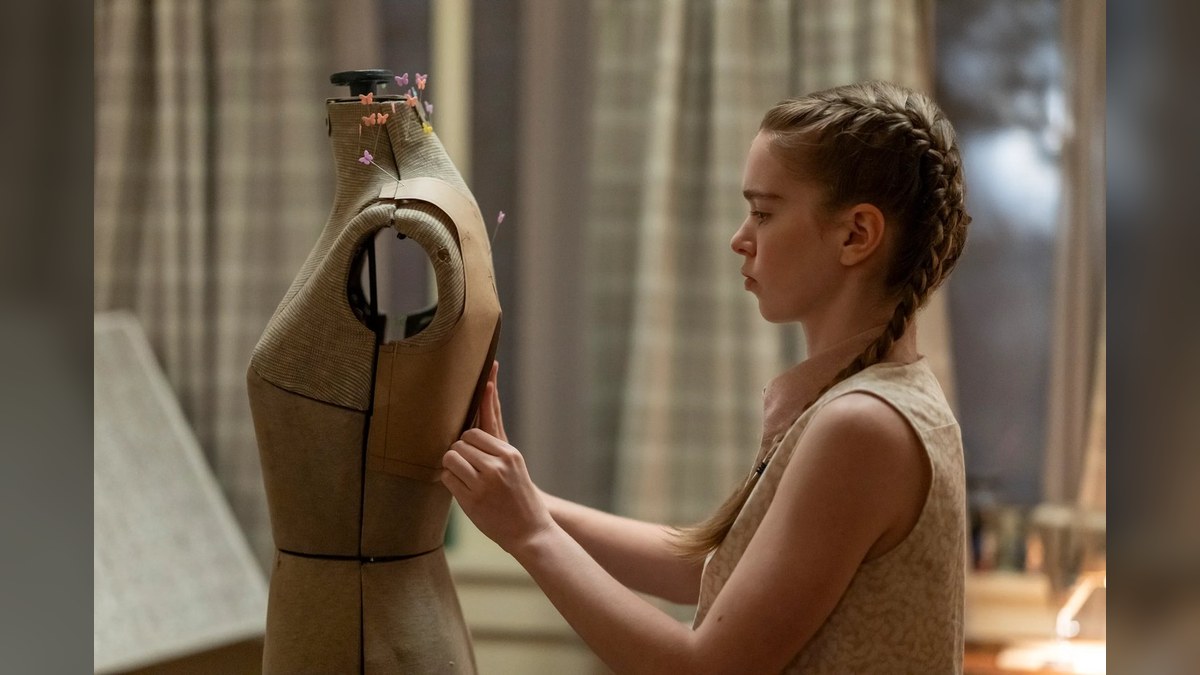
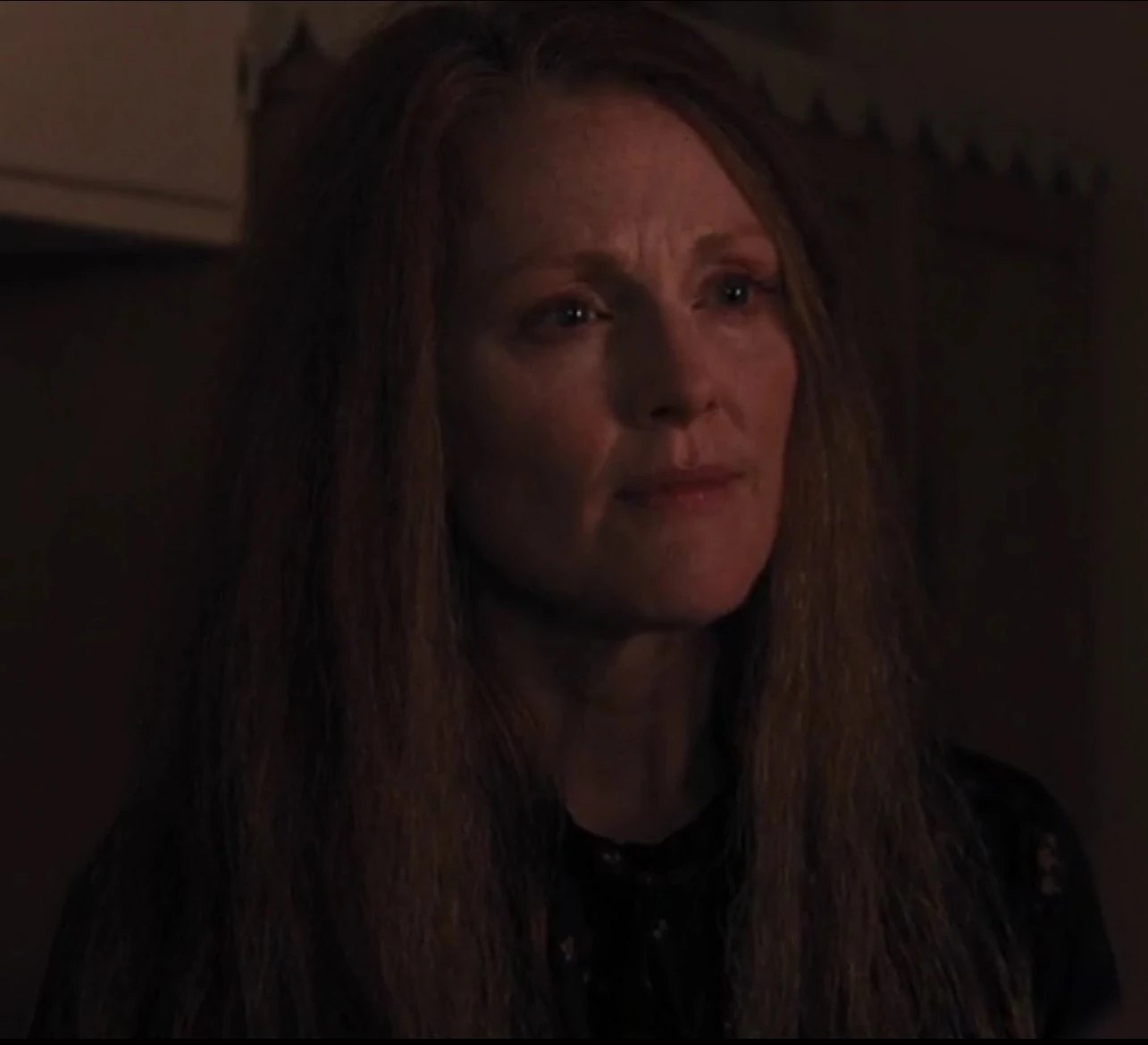
The performances justify the season’s 85% score on Rotten Tomatoes (110 reviews, as of October 9, 2026): Summer H. Howell plays Carrie’s fear and hunger for control without tipping into camp, and Samantha Sloyan’s Margaret is frightening precisely because she plays her as a woman who believes every terrible thing she does is love.
Tom’s Guide’s four-star review called it “a thoughtful, emotional reinvention of Stephen King’s classic, with strong performances and a modern approach to its themes of cruelty and isolation,” and that’s the show’s real strength: it’s patient with Carrie’s isolation in a way the 1976 and 2002 films, both under two hours, never had room to be. Flanagan directed four of the eight episodes himself, and the best stretches — the slow dread of the back half of the season — are his.
The Case Against It: Letting Carrie Live Defangs the Story
Carrie’s death in King’s novel isn’t a twist, it’s the whole point: she survives years of abuse by burying her power, and when it finally comes out, it destroys her along with everyone who hurt her. That collision of victim and monster in one act is what makes the story a tragedy instead of a revenge fantasy, and the 2026 series removes it.
Flanagan’s version removes both halves of that equation. Making Emaline the one who actually kills the prom crowd means Carrie herself never crosses the line the whole story has been building toward; she’s a bystander to her own climax. And letting her walk away afterward, headed off with Emaline into a bigger mythology, turns an ending about a girl destroyed by the people around her into a cold open for a franchise.
IndieWire’s review landed on a related problem from a different angle, arguing the series is too gentle for its own good and better at mood than actual horror. That’s the symptom; the survival twist is the cause. A show this interested in protecting Carrie from consequences was never going to let the ending hit as hard as the version where she doesn’t make it out.
| Version | Who kills the prom crowd | Does Carrie survive? | Ending |
|---|---|---|---|
| 1974 novel | Carrie, alone | No | Carrie dies of her wounds; the town is left to investigate what happened |
| 1976 film (De Palma) | Carrie, alone | No | Carrie dies after killing Margaret and burning down the house |
| 2026 series (Flanagan) | Emaline, using Carrie’s body | Yes | Carrie leaves town with Emaline; a hidden telekinetic organization sets up a larger story |
Our Take: A Comics Site’s Angle on the Adaptation
What’s genuinely new here isn’t the prom — it’s the “legacy of gifted women” idea Flanagan leans on to justify a sequel. Speaking to TVGuide the day after the premiere, Flanagan said the novel itself pointed him there: “One of the things that I was really excited about is that the novel talks about Carrie’s place in this long legacy of gifted women.” King’s book does gesture at that idea in its epilogue, in the form of a letter suggesting Carrie wasn’t unique. Flanagan’s choice to build an entire organization and a potential trilogy out of one ambiguous epistolary aside is a legitimate reading of the source material — it’s just a different story than the one about an abused teenager that King actually wrote, and the show is better when it remembers that than when it’s setting up what comes next.
Not sure what the premiere means for a second season? Our Carrie premiere news roundup has Mike Flanagan and the cast on what the finale sets up. For another Flanagan-adjacent prestige horror binge, check our Sandman watch guide.
Frequently Asked Questions
Does Carrie die in the 2026 Prime Video series?
No. Unlike Stephen King’s novel and the 1976 and 2002 films, Carrie survives the finale and leaves town with Emaline, a character created for the TV series.
Who actually kills people at the prom in Carrie (2026)?
Emaline, a psychic able to astral-project, asks to “take over” Carrie’s body during the prom and uses Carrie’s telekinetic powers to kill Chris Hargensen, Billy Nolan and the rest of the prom crowd — not Carrie acting alone, as in the book.
What happens to Margaret White at the end of Carrie?
Margaret survives the collapse of the White house alongside Carrie, but is later killed by a secret organization of telekinetics introduced over the course of the season.
How does the Carrie (2026) ending differ from the book?
In King’s novel, Carrie kills the prom crowd herself and dies of her wounds afterward. The series gives the killing to an invented character, Emaline, and lets Carrie live, setting up a larger story the novel doesn’t tell.
Is there a Carrie season 2?
Not yet confirmed. Prime Video hadn’t renewed the series as of October 9, 2026, though creator Mike Flanagan has discussed a three-season arc for the story.