The best Marvel comics of all time are the stories that permanently changed how Marvel books were written afterward — led by The Dark Phoenix Saga, Daredevil: Born Again, and Marvels. This ranking covers 12 essential storylines, what each one changed, and crucially, which ones you can actually read cold without decades of back issues.
How We Ranked the Best Marvel Comics of All Time
There are two ways to rank Marvel comics, and most lists blur them.
You can rank by enjoyment, which produces a list heavy on recent event books because those are in print, in trade, and fresh in memory. Or you can rank by consequence — which stories changed the rules everyone worked under afterward. This list does the second, because “best” in a 60-year shared universe should mean something more durable than “most fun this decade.”
Every entry below altered Marvel’s storytelling grammar in a way you can point at. And because a great comic you cannot get into is not much use to a new reader, each entry carries a practical rating:
- Read it cold — works with zero prior reading
- Light context — a paragraph of setup is enough
- Deep cut — genuinely rewards existing knowledge
1. The Dark Phoenix Saga (1980)
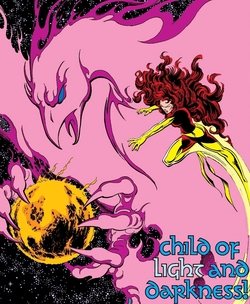
Uncanny X-Men #129–138 — Chris Claremont and John Byrne. Light context.
Jean Grey gains godlike power, destroys an inhabited star system, and dies for it. What Claremont and Byrne proved is that a superhero comic could let a beloved protagonist do something genuinely unforgivable and then follow the logic all the way down.
Before this, superhero deaths were reversible plot devices. Dark Phoenix made consequence a legitimate tool, and the entire modern practice of the high-stakes character arc runs through it. It is also the template for essentially every X-Men adaptation attempted since.
2. Daredevil: Born Again (1986)
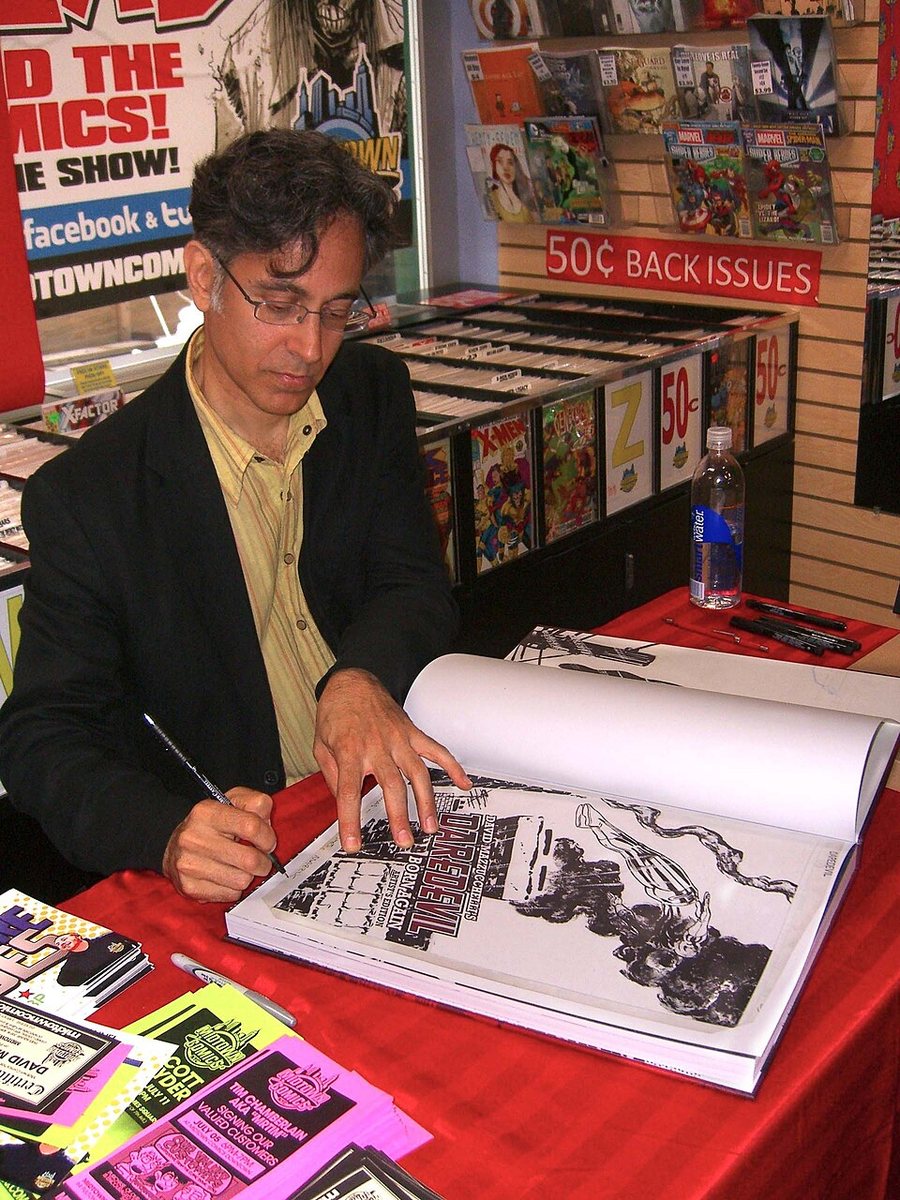
Daredevil #227–233 — Frank Miller and David Mazzucchelli. Read it cold.
Kingpin learns Matt Murdock’s identity and methodically dismantles his life — his money, his career, his home, his sanity — before Murdock rebuilds from nothing.
This is the story that established that a superhero comic could be about a person rather than a fight. Mazzucchelli’s storytelling is remarkably restrained, and Miller’s script trusts silence. Nearly every subsequent “hero broken down and rebuilt” arc, across both publishers, is doing a version of this.
3. Marvels (1994)
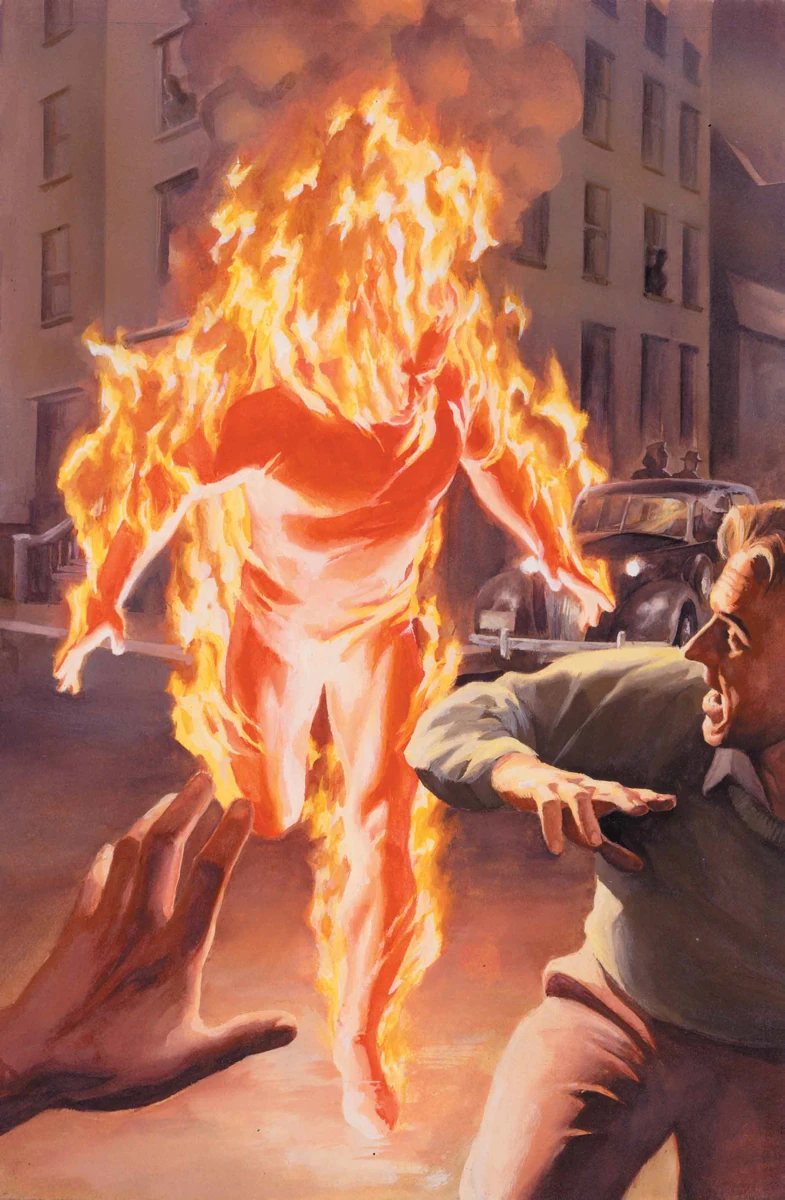
4 issues — Kurt Busiek and Alex Ross. Read it cold.
A newspaper photographer watches Marvel’s first three decades from street level. He is never a hero, never gets powers, and never gets an explanation.
Marvels is the best possible entry point to Marvel comics for someone who has never read one, because its subject is exactly the experience of being an outsider to this world. Ross’s painted art gave the universe a physical weight it had never had. It also invented an entire mode — the ground-level retrospective — that Marvel has returned to ever since.
4. Kraven’s Last Hunt (1987)
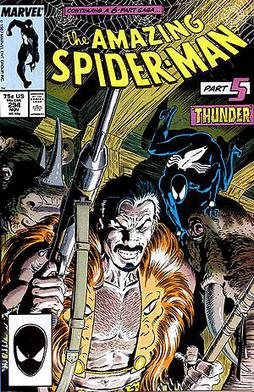
Six-part crossover — J.M. DeMatteis and Mike Zeck. Light context.
Kraven the Hunter shoots Spider-Man, buries him alive, and takes his place for two weeks to prove he was always the better man.
Superhero comics had not previously gone here. It is a genuine psychological horror story that happens to feature Spider-Man, and it treats a C-list villain with total seriousness — establishing that the quality of an antagonist is a writing problem, not a casting problem. It remains the best Spider-Man story ever published; see our ranking of the best Spider-Man villains for where Kraven sits in that rogues gallery.
5. The Infinity Gauntlet (1991)
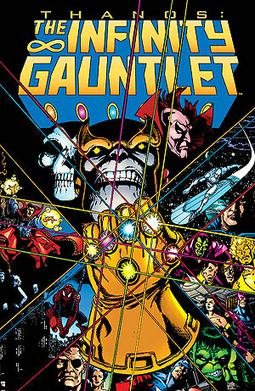
6 issues — Jim Starlin, George Pérez, and Ron Lim. Light context.
Thanos collects six gems, erases half of all life to impress Death, and becomes functionally omnipotent.
Its influence is now impossible to separate from the MCU, but the comic’s real contribution was proving that a cosmic story with genuinely unlimited stakes could still be legible and emotionally grounded. Starlin’s Thanos is a self-defeating narcissist rather than a force of nature, which is why the character has outlasted every other Marvel cosmic villain.
6. God Loves, Man Kills (1982)
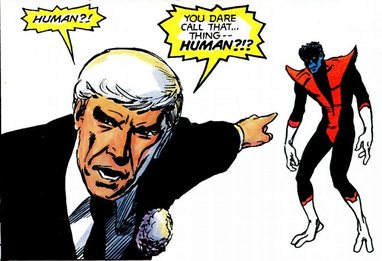
Marvel Graphic Novel #5 — Chris Claremont and Brent Anderson. Read it cold.
A televangelist launches a genocidal campaign against mutants, and the X-Men find themselves arguing with a man whose followers believe they are doing good.
This is the story that made the X-Men’s central metaphor explicit and unavoidable. It is also structurally daring — the climax is a televised debate, not a fight. Claremont trusted that an argument could carry a superhero comic’s ending, and he was right.
7. The Night Gwen Stacy Died (1973)
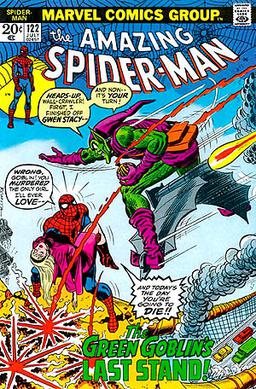
Amazing Spider-Man #121–122 — Gerry Conway and Gil Kane. Read it cold.
The Green Goblin throws Gwen Stacy off a bridge. Spider-Man catches her with a web-line, and the snap of the catch is what kills her.
Comics historians generally mark this as the end of the Silver Age. The hero’s own action causes the death; there is no version where he wins. Two issues rewrote what superhero comics were permitted to do to their protagonists, and every “the hero fails” story since owes it a debt.
8. Marvel Super Heroes Secret Wars (1984)
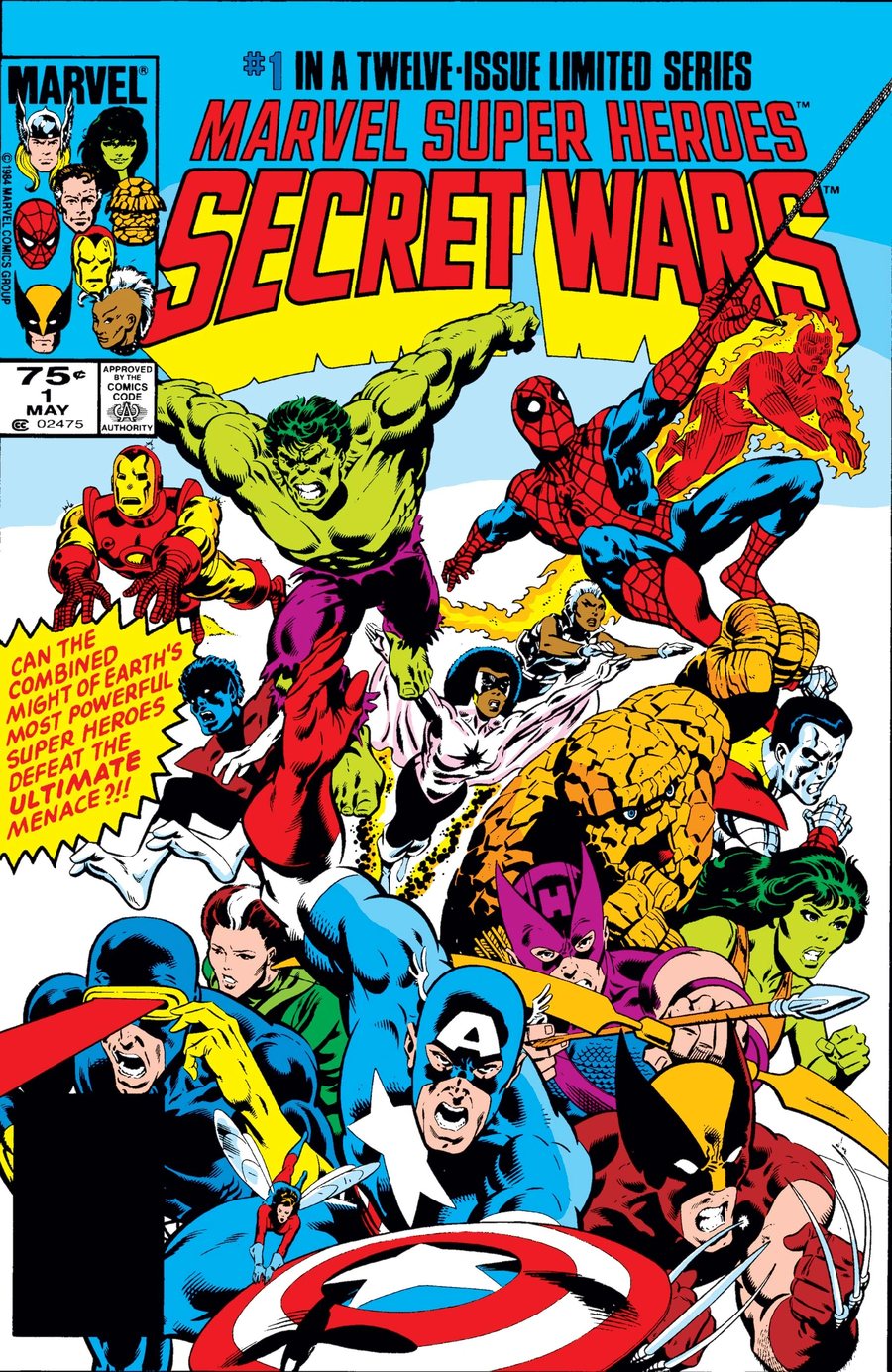
12 issues — Jim Shooter and Mike Zeck. Light context.
An omnipotent being abducts Marvel’s heroes and villains to a constructed planet and tells them to fight.
Judged purely as a story it is the weakest entry here — it was commissioned to sell a toy line, and it reads like it. It is on this list because it invented the line-wide crossover event, the single most consequential structural innovation in modern superhero publishing. Every event Marvel and DC have run for forty years descends from it, for better and considerably worse.
9. Planet Hulk (2006)
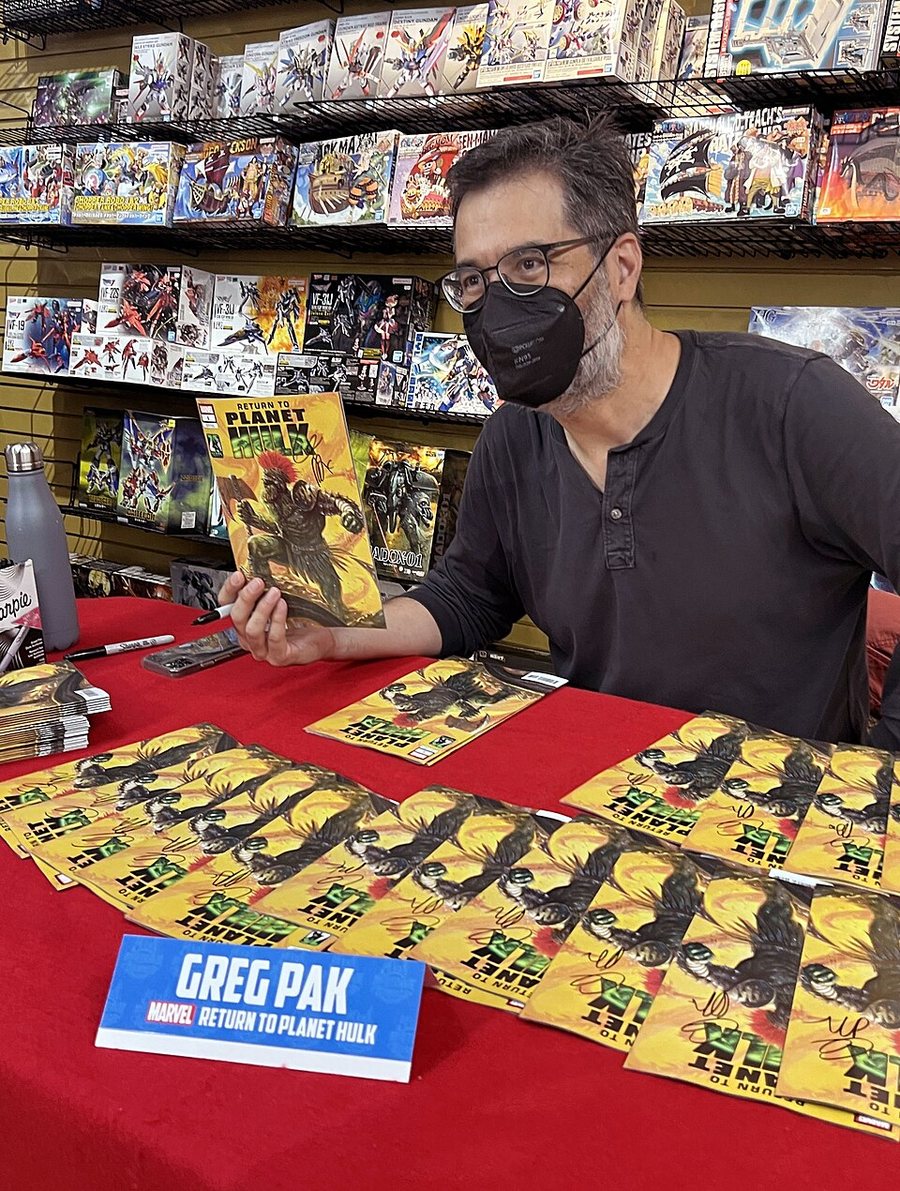
Incredible Hulk #92–105 — Greg Pak. Read it cold.
Earth’s heroes exile the Hulk into space. He crashes on a gladiator planet, wins his freedom, and becomes a king.
Pak’s insight was that the Hulk works better as a protagonist than a problem. Removing him from Earth removed the tired cycle of rampage-and-containment and let him be a character with goals. It is the best Hulk story precisely because it stops asking whether he should be stopped.
10. Old Man Logan (2008)
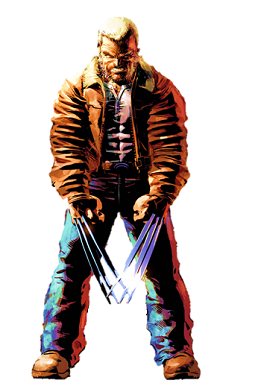
Wolverine #66–72 and Giant-Size Old Man Logan — Mark Millar and Steve McNiven. Light context.
Fifty years after the villains won, an aged Logan who has sworn off violence crosses a ruined America.
The Western structure is doing the heavy lifting, and McNiven’s art sells the desolation. Its lasting contribution was demonstrating that a self-contained “possible future” could be more resonant than in-continuity storytelling — the character proved popular enough to be imported into the main universe wholesale.
11. Civil War (2006)
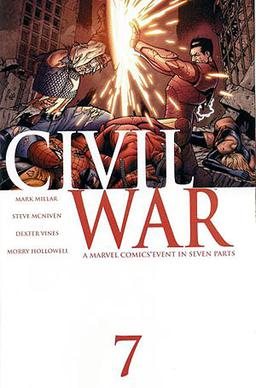
7 issues — Mark Millar and Steve McNiven. Deep cut.
Superhuman registration splits the hero community, with Iron Man and Captain America on opposing sides.
The premise is the strongest Marvel has ever built an event on, and the central question genuinely has no clean answer. It ranks here rather than higher because the execution wobbles — characterization bends to serve the plot, and the tie-in sprawl means the core series alone leaves gaps. Still, it set the template for the modern ideologically-driven event, and its influence on Marvel’s screen output is obvious.
12. Annihilation (2006)
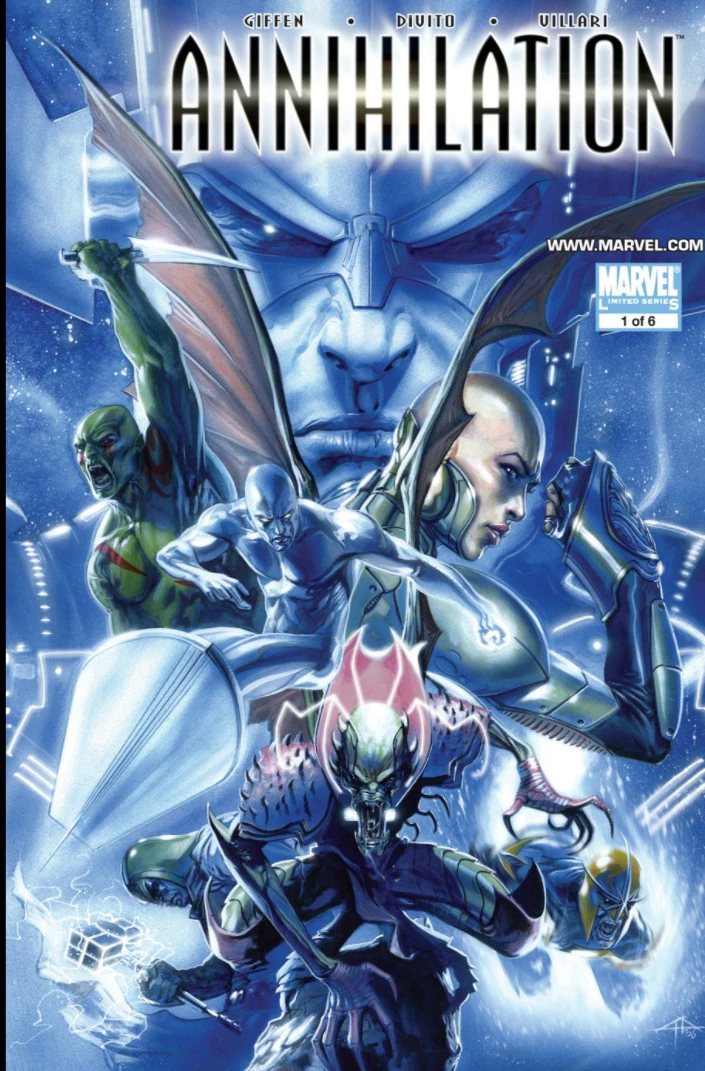
Crossover event — Keith Giffen and others. Deep cut.
Annihilus invades from the Negative Zone with a fleet large enough to end galactic civilization, and Marvel’s forgotten cosmic characters have to stop it.
Annihilation rescued Marvel’s entire cosmic line from irrelevance and rebuilt Nova, Star-Lord, and Drax into characters worth reading — work that directly enabled the Guardians of the Galaxy franchise. It is the most consequential comic on this list that casual readers have never heard of. It is newly relevant, too: Marvel’s recently announced Maximum X-Men opens with another Negative Zone invasion.
Where to Start, Depending on What You Want
| If you want… | Read | Length |
|---|---|---|
| Your first Marvel comic ever | Marvels | 4 issues |
| Proof comics can be literature | Daredevil: Born Again | 7 issues |
| The definitive X-Men story | The Dark Phoenix Saga | 10 issues |
| The MCU’s source material | The Infinity Gauntlet | 6 issues |
| Something genuinely unsettling | Kraven’s Last Hunt | 6 issues |
| Space opera | Annihilation | Event + tie-ins |
The one piece of advice worth giving a new reader: skip the events until last. Civil War and Secret Wars are historically important but they assume you already care about thirty characters. Start with Marvels or Born Again, which assume nothing.
For more reading guides, see our companion list of the best Batman comics of all time, and our rankings of the strongest Marvel villains and the smartest Marvel characters.
Frequently Asked Questions
What is the greatest Marvel comic ever written?
The Dark Phoenix Saga (Uncanny X-Men #129–138, 1980) is the most common answer, for establishing that consequences could be permanent. Daredevil: Born Again is the usual runner-up and is more accessible to a new reader.
What Marvel comic should I read first?
Marvels by Kurt Busiek and Alex Ross. It is four issues, requires no prior reading, and is specifically about experiencing the Marvel universe as an outsider.
Are Marvel event comics worth reading?
Some are, but not first. Events like Civil War and Secret Wars assume familiarity with a large cast and often depend on tie-in issues. Start with self-contained stories and come back to events once you have favorites.
Which Marvel comics inspired the movies?
The Infinity Gauntlet shaped the Infinity Saga, Civil War supplied the premise for Captain America: Civil War, Planet Hulk fed into Thor: Ragnarok, and Annihilation rebuilt the cosmic characters who became the Guardians of the Galaxy.
Publication details verified against Marvel’s official comics database and the Grand Comics Database.