The Teen Titans’ most powerful members, ranked from weakest to strongest, run from Nightwing’s pure hand-to-hand skill at the bottom to Raven’s reality-warping demon heritage at the top. DC has split the team in two for 2026 — a teen-led Red Hood squad debuting September 2 and an adult “New Titans” lineup that already reunited in March — but the seven names below are the core roster that built the team’s reputation, judged purely on raw power rather than plot armor or screen time.
Last updated: September 1, 2026.
How This Ranking Works
This list scores each Titan on raw power ceiling — what they can physically or metaphysically do at their peak comic-book portrayal — not tactical value, popularity, or how often they lead the team. That distinction matters here more than in most rankings, because the #1 spot on a skill-based list and the #1 spot on a power-based list belong to two completely different Titans. For how these seven stack up against DC’s wider roster, see our strongest DC characters ranking.
Where the Teen Titans Came From
The Teen Titans debuted in 1964 in The Brave and the Bold #54 as a junior-partner team for DC’s sidekicks, but the roster that made the franchise a genuine flagship — Robin, Cyborg, Beast Boy, Starfire, and Raven — came later, in Marv Wolfman and George Pérez’s 1980 The New Teen Titans. That is still the lineup most adaptations and most “who’s the strongest Titan” arguments are built around, which is why it’s the one this ranking uses rather than any single era’s roster.
Teen Titans Power Ranking, Weakest to Strongest
7. Nightwing
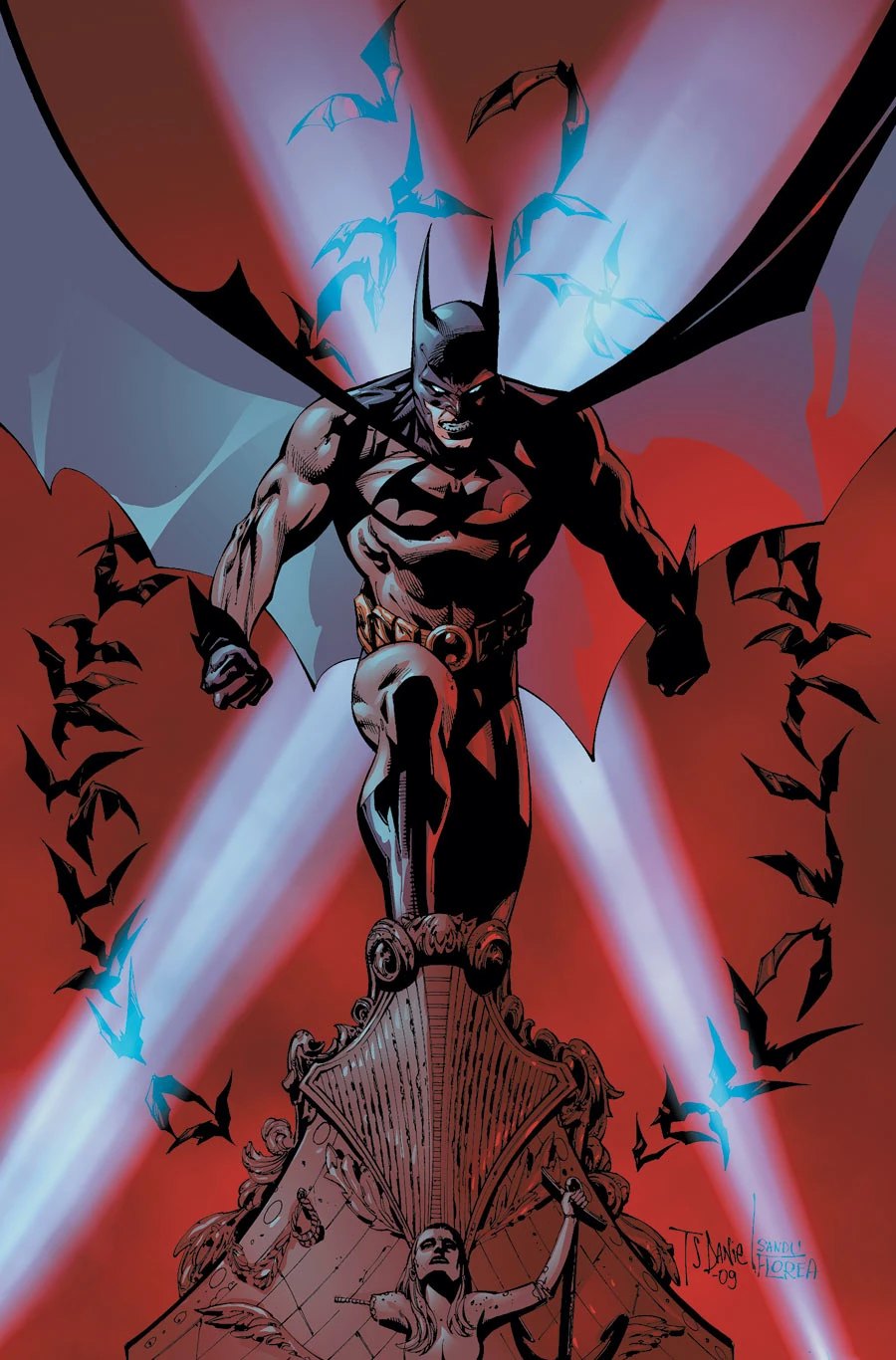
Dick Grayson has no metahuman powers at all — his entire arsenal is peak-human conditioning, a photographic memory for combat patterns, and escrima sticks. That is also exactly why he ranks last on a power-based list and why the Titans still follow him into a fight with New Gods and demon lords. Command ability isn’t power output, and this list only measures the latter. Weakness: a lucky hit from any Titan above him ends the fight; his entire value is never letting that hit land.
6. Terra
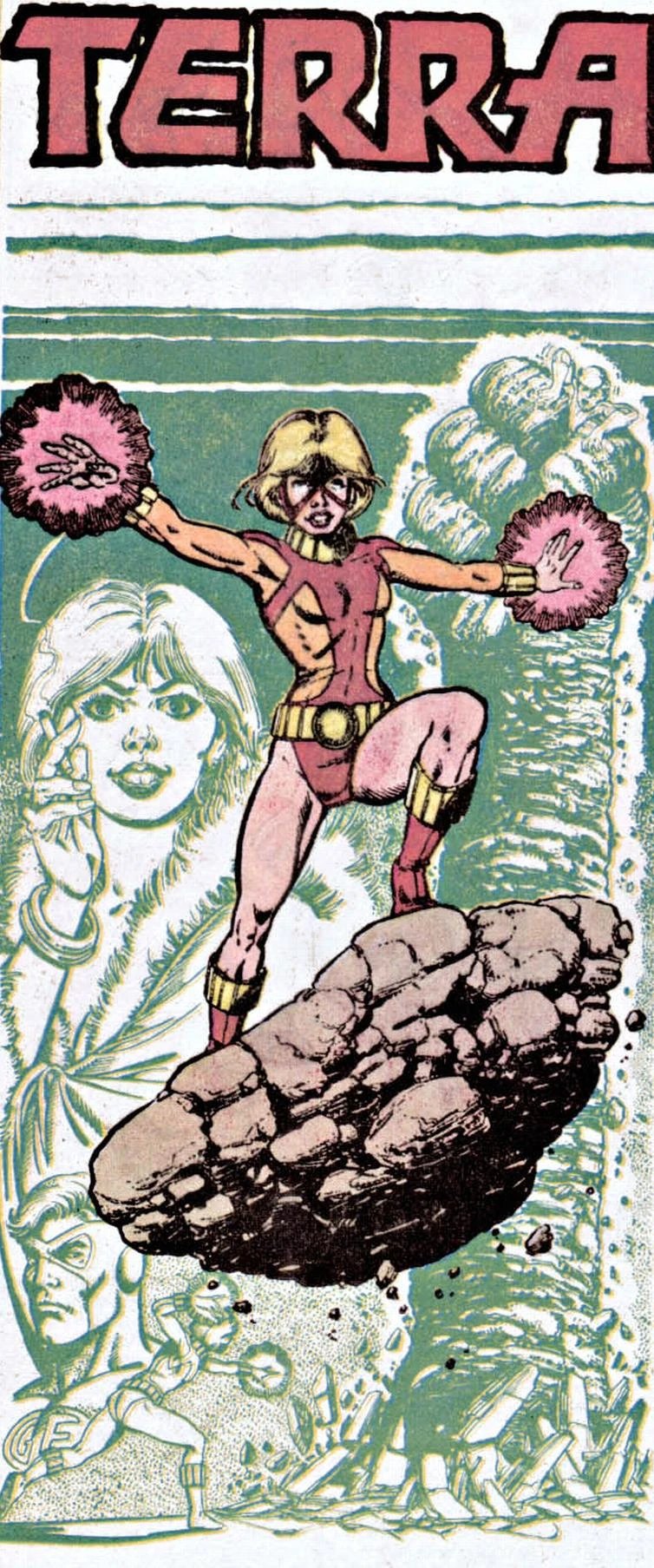
Tara Markov’s geokinesis lets her lift, shape, and hurl entire chunks of bedrock, and in a large-enough area that scales to city-block-level destruction. She sits low on this list because her power is bounded by the terrain around her — take away the ground and Terra has very little left, a limitation none of the Titans above her share. Weakness: over water, in space, or on any surface she can’t reshape, her power output drops close to zero.
5. Beast Boy
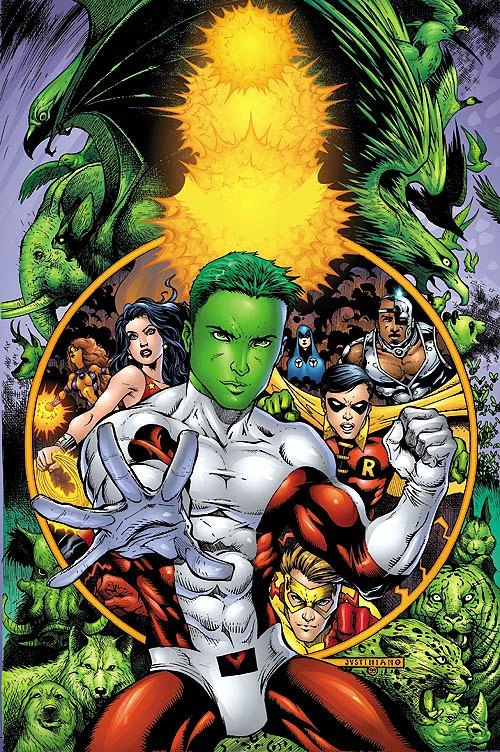
Garfield Logan can transform into virtually any animal that has ever existed, including extinct prehistoric creatures, which makes him one of the most versatile Titans in a straight fight. The ceiling is still set by whatever creature he’s copying, though, which is why he lands in the middle rather than the top tier. Weakness: he inherits an animal’s biological limits along with its strength, so nothing he becomes can out-scale a genuinely cosmic opponent.
4. Kid Flash
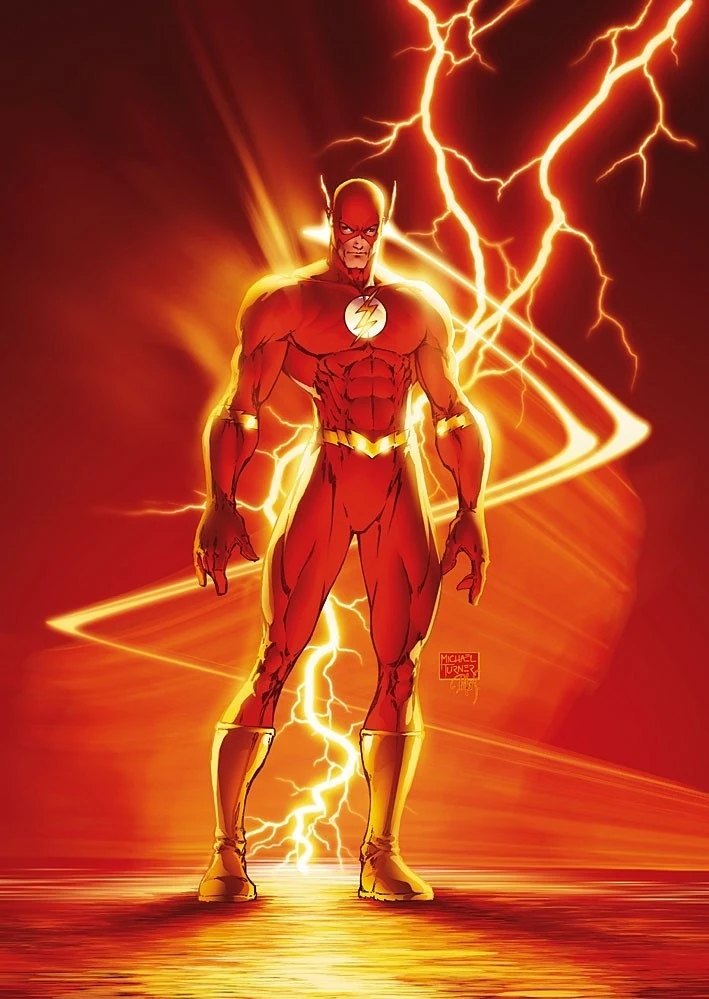
Wally West’s connection to the Speed Force is one of the most scalable powers in the DC Universe — outrunning light, vibrating through solid matter, and (in his adult Flash years) throwing an “infinite mass punch.” Even in his teen Kid Flash years, that connection puts him ahead of anyone whose power is capped by a physical form. Weakness: speed wins races, not fights against opponents who can no-sell physical damage entirely, which several of the Titans above him can.
3. Cyborg
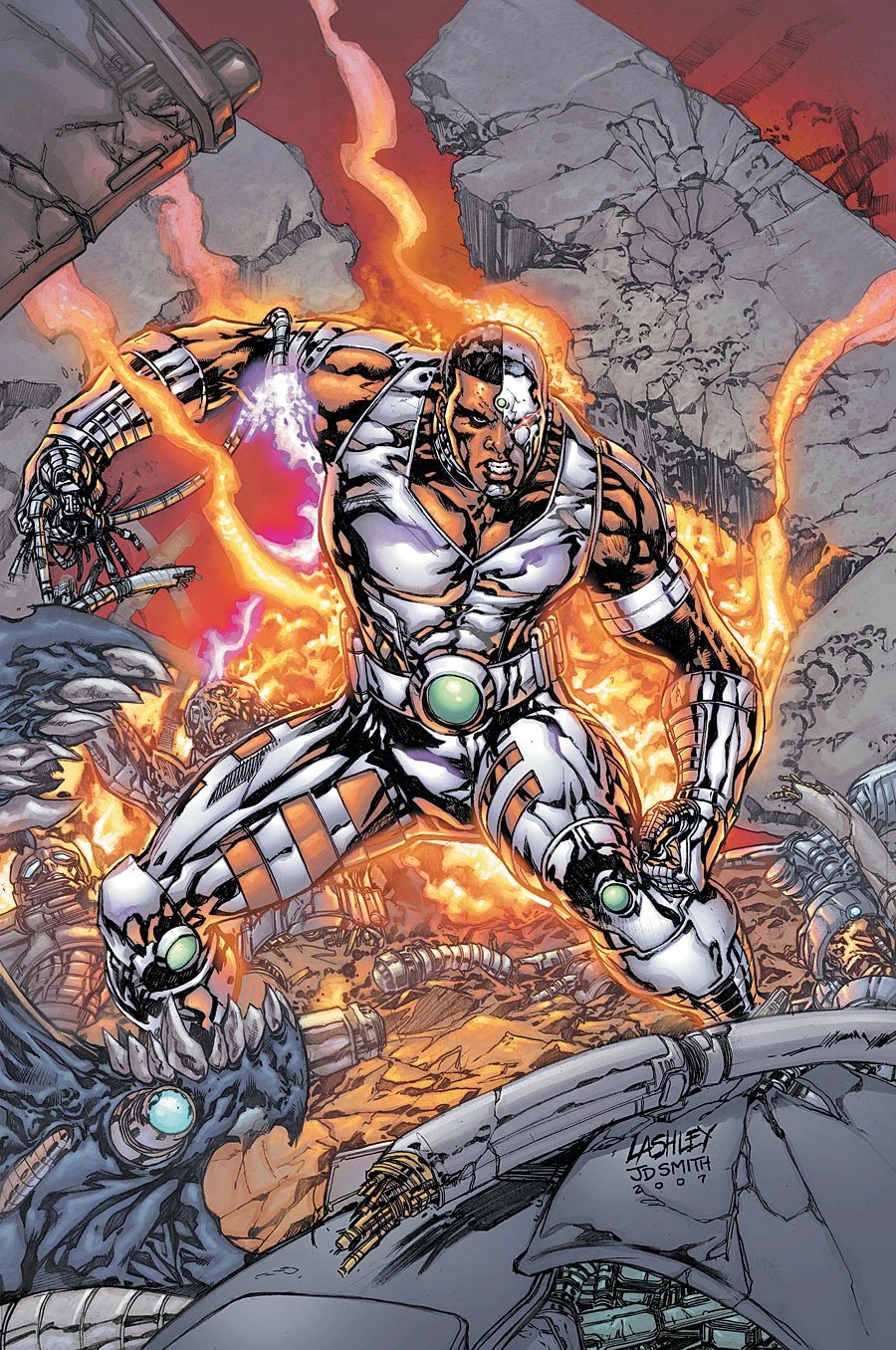
Victor Stone’s body was rebuilt at S.T.A.R. Labs with reverse-engineered alien technology, later retconned to trace back to a Mother Box and Apokoliptian tech, and later comic runs let him absorb and adapt to almost any technology he touches. That makes his ceiling less fixed than any organic Titan’s — Cyborg keeps getting stronger the longer a fight with a tech-based enemy runs. Weakness: against a purely magical or biological threat with nothing to hack or absorb, that adaptive edge disappears.
2. Starfire
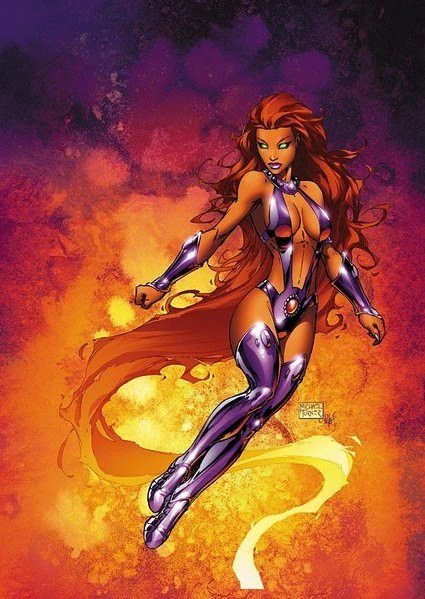
Koriand’r’s Tamaranean physiology converts solar radiation directly into superhuman strength, flight, and starbolts powerful enough to level city blocks — and unlike Earth-born metahumans, her ceiling rises the longer she’s out in open sunlight. Multiple Titans stories have put her output on the same scale as Kryptonians when she’s fully charged. Weakness: cut off from sunlight for long enough, her reserves genuinely run down, which is a limit none of the characters above her share.
1. Raven
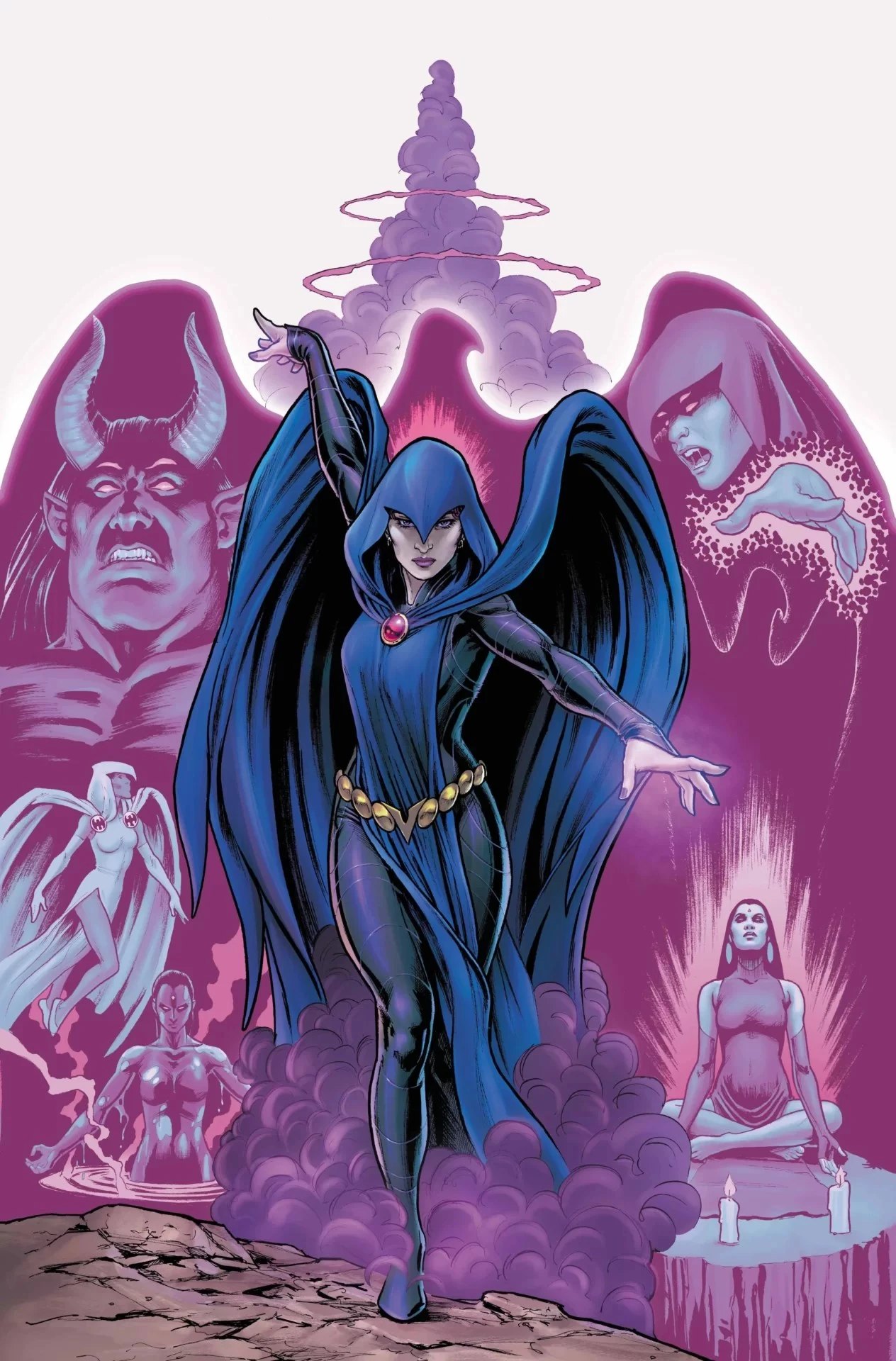
Raven is the daughter of the interdimensional demon lord Trigon, and her Soul-Self grants her telekinesis, empathic mind control, teleportation, precognition, and the ability to project a psychic form large enough to blot out the sky. Multiple stories have built entire arcs around the fear that Raven’s own power — not her father’s — is the thing capable of ending reality, which is the whole reason she tops this list. Weakness: her power is directly wired to her emotional control, so the one thing that reliably beats her is provoking her into losing it.
Teen Titans Power Ranking at a Glance
| Rank | Member | Power Type | Signature Feat |
|---|---|---|---|
| 7 | Nightwing | None (peak human) | Leads the team through fights none of them should survive |
| 6 | Terra | Geokinesis | Collapsed a mountain onto the Titans during the Judas Contract |
| 5 | Beast Boy | Full-spectrum shapeshifting | Transforms into prehistoric and alien creatures |
| 4 | Kid Flash | Speed Force connection | Vibrates through solid matter, outruns light |
| 3 | Cyborg | Adaptive tech absorption | Body rebuilt with alien tech later retconned to a Mother Box |
| 2 | Starfire | Solar-fueled physiology | Starbolts scaled to Kryptonian-level output at full charge |
| 1 | Raven | Reality-warping empathic magic | Soul-Self large enough to eclipse the sky |
DC Just Split the Titans Into Two Teams
As of September 2026, “Teen Titans” and the classic lineup are no longer the same book. DC’s Teen Titans #1, written by Kyle Higgins with art by Daniele Di Nicuolo, releases September 2, 2026 as part of the “Next Level” initiative — a new teen squad led by Red Hood, alongside Fairplay (Mr. Terrific’s son Jeffrey Holt), Cheshire Cat (Lian Harper), Flatline, Proxy, and Wildcard. Separately, the classic adult lineup — Nightwing, Starfire, Raven, Cyborg, Beast Boy, and Donna Troy — already regrouped under the New Titans banner with issue #33 on March 18, 2026, when DC rebranded its ongoing Titans series; that issue’s cover teased Terra, Stephanie Brown, a new Superboy, and a new Wonder Girl joining the reunion. The seven Titans ranked above are the ones who built the team’s reputation across both eras, and they’re still the roster most new readers mean when they search “Teen Titans.”
The Extended Roster This List Leaves Out
Jericho, Bumblebee, Wonder Girl, Aqualad, and Red Hood’s new 2026 squad have all worn the Teen Titans name, and several of them would scramble this ranking if included — Jericho’s possession power alone raises hard questions about what “strongest” even means when a character can simply take over someone else’s body. This list sticks to the seven-member core because that’s the roster most searches and most adaptations are actually asking about; for the character who has worn the mantle the most times, see our ranking of every Robin, and for viewing order across every Titans-branded show, see our Teen Titans watch order guide. Red Hood’s new team gets its own introduction in our coverage of his 2026 series.
Why Nightwing Still Leads a Team He Can’t Out-Power
The most common objection to any Titans power ranking is putting Nightwing at the bottom when he’s led the team more often than anyone on this list. That’s not a contradiction — it’s the actual point of the character. Every other Titan above him can end a fight with raw output; Nightwing’s value is that he can end a fight without it, reading an enemy’s pattern faster than Raven can read their mind. A power ranking measures the ceiling each character can hit alone. A team ranking would put him first.
Frequently Asked Questions
Who is the strongest Teen Titan?
Raven, based on raw power ceiling. Her Soul-Self grants telekinesis, empathic control, teleportation, and precognition, and multiple comic arcs have centered on the idea that her own power — inherited from the demon lord Trigon — could unravel reality itself.
Is Nightwing the weakest Titan?
In terms of raw superhuman power, yes — Dick Grayson has no metahuman abilities and relies entirely on peak-human training. He remains the team’s most frequent leader because tactics and combat instinct aren’t the same skill as power output.
What’s the difference between Teen Titans and New Titans in 2026?
They’re two separate DC series. Teen Titans #1 (September 2, 2026) follows a new teen-led roster headed by Red Hood as part of DC’s Next Level initiative. New Titans is DC’s ongoing Titans series rebranded with issue #33 on March 18, 2026, reuniting the classic adult lineup — Nightwing, Starfire, Raven, Cyborg, Beast Boy, and Donna Troy.
Is Starfire stronger than Cyborg?
At full solar charge, yes — Starfire’s output has been scaled to Kryptonian-level strength and starbolts in multiple stories, while Cyborg’s power depends on what technology he’s currently absorbed or adapted to. Cyborg’s ceiling is less fixed, but Starfire’s baseline output is higher.
Sources
Reporting on the 2026 Teen Titans and New Titans relaunch via ScreenRant and Popverse. Character background via Wikipedia.