Justice League Dark is DC’s occult-response team, built to handle magical and supernatural threats the regular Justice League can’t punch its way through — and its roster has turned over almost completely at least twice since Madame Xanadu first assembled it in 2011. This guide covers the members who actually matter to the team’s history: who founded it, who defined its long middle stretch, and who’s wearing the mantle now.
Last updated: September 1, 2026.
Why Justice League Dark Exists
Madame Xanadu organized the team after foreseeing a catastrophe that only a group of magic-users and outsiders could stop — the pitch, then and now, is a Justice League for threats that are supernatural rather than physical: demonic invasions, cursed artifacts, possessions, and magic gone wrong. That’s also why the roster looks nothing like the main Justice League: most of its members are solo occult characters on loan from their own corners of the DC Universe rather than career team players.
The Founding Five (2011)
Justice League Dark launched in September 2011 as part of DC’s New 52 relaunch, with a founding roster of John Constantine, Zatanna, Deadman, Madame Xanadu, and Shade the Changing Man.
John Constantine
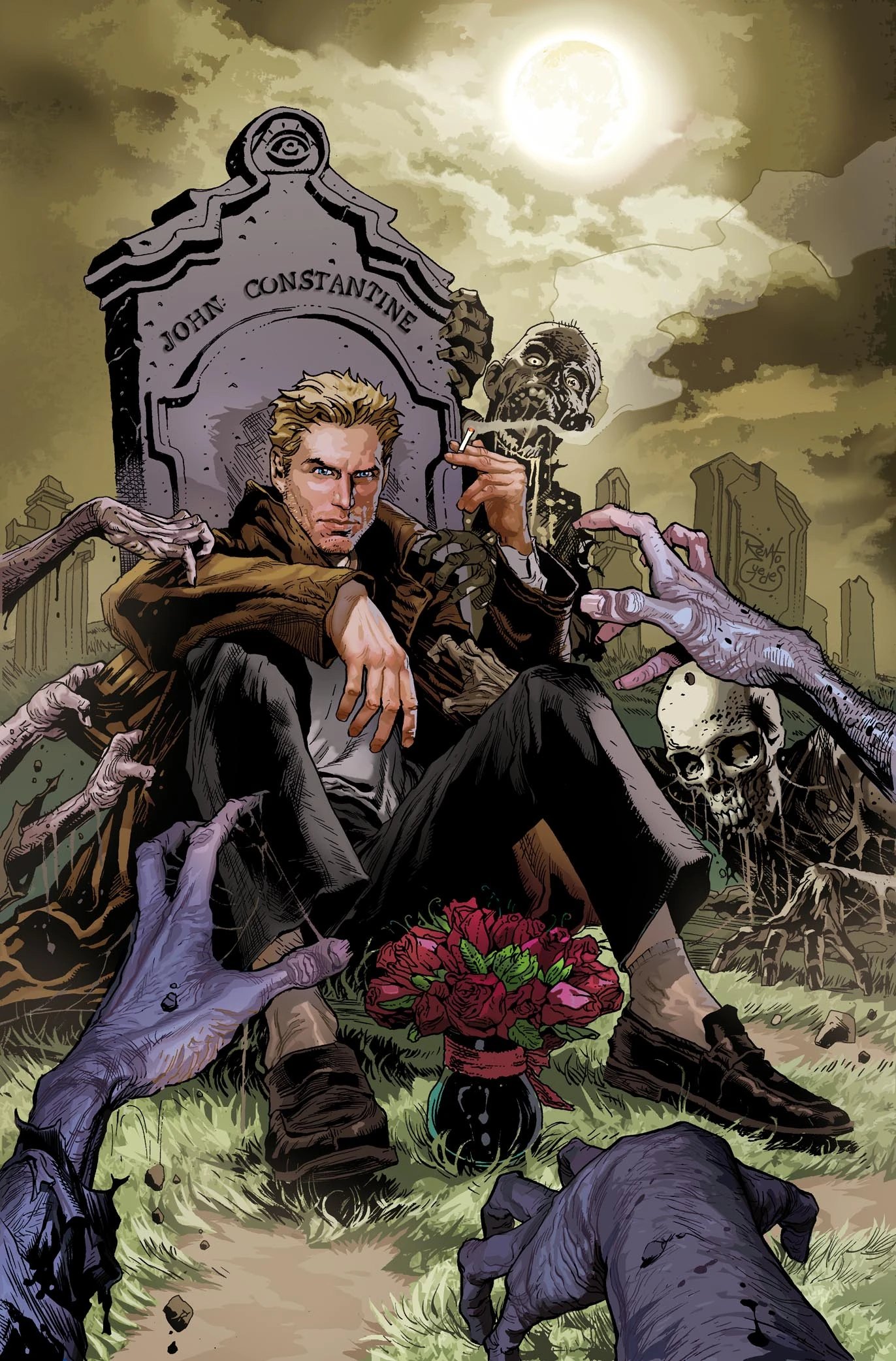
A working-class occult detective and con artist from Liverpool, Constantine is the team’s most reliable member and its worst leader — his plans tend to work specifically because he’s willing to sacrifice an ally without asking first. He’s appeared in his own Hellblazer series since 1988, making him the franchise’s longest-running solo occult character.
Zatanna
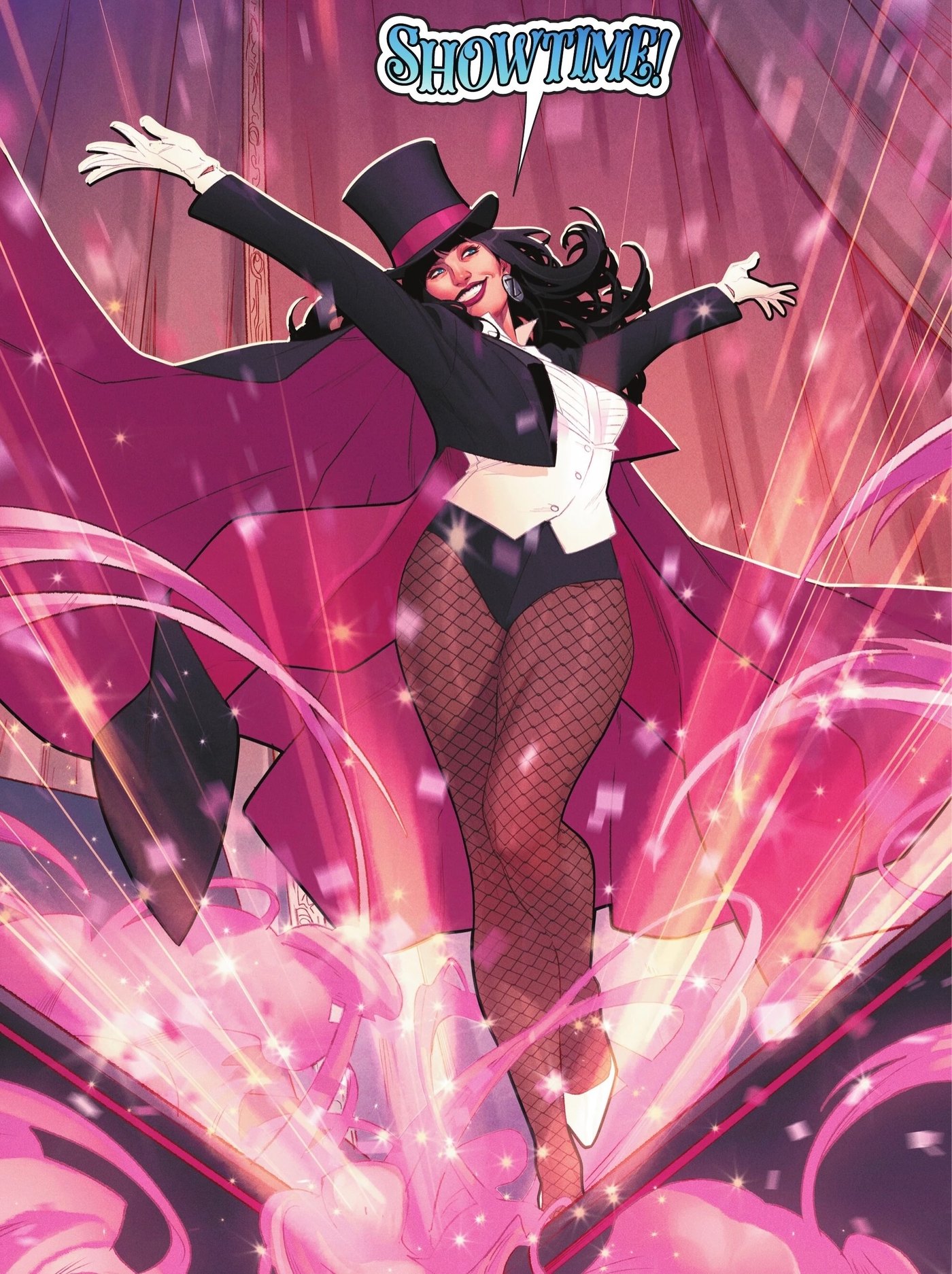
A stage magician whose spells work because she casts them by speaking backwards (“gninthgil” to summon lightning), Zatanna is the team’s most conventionally powerful spellcaster and has stepped into its leadership role more than once. She’s also a legacy character — her father, Giovanni Zatara, was one of DC’s original 1938 magician-heroes.
Deadman
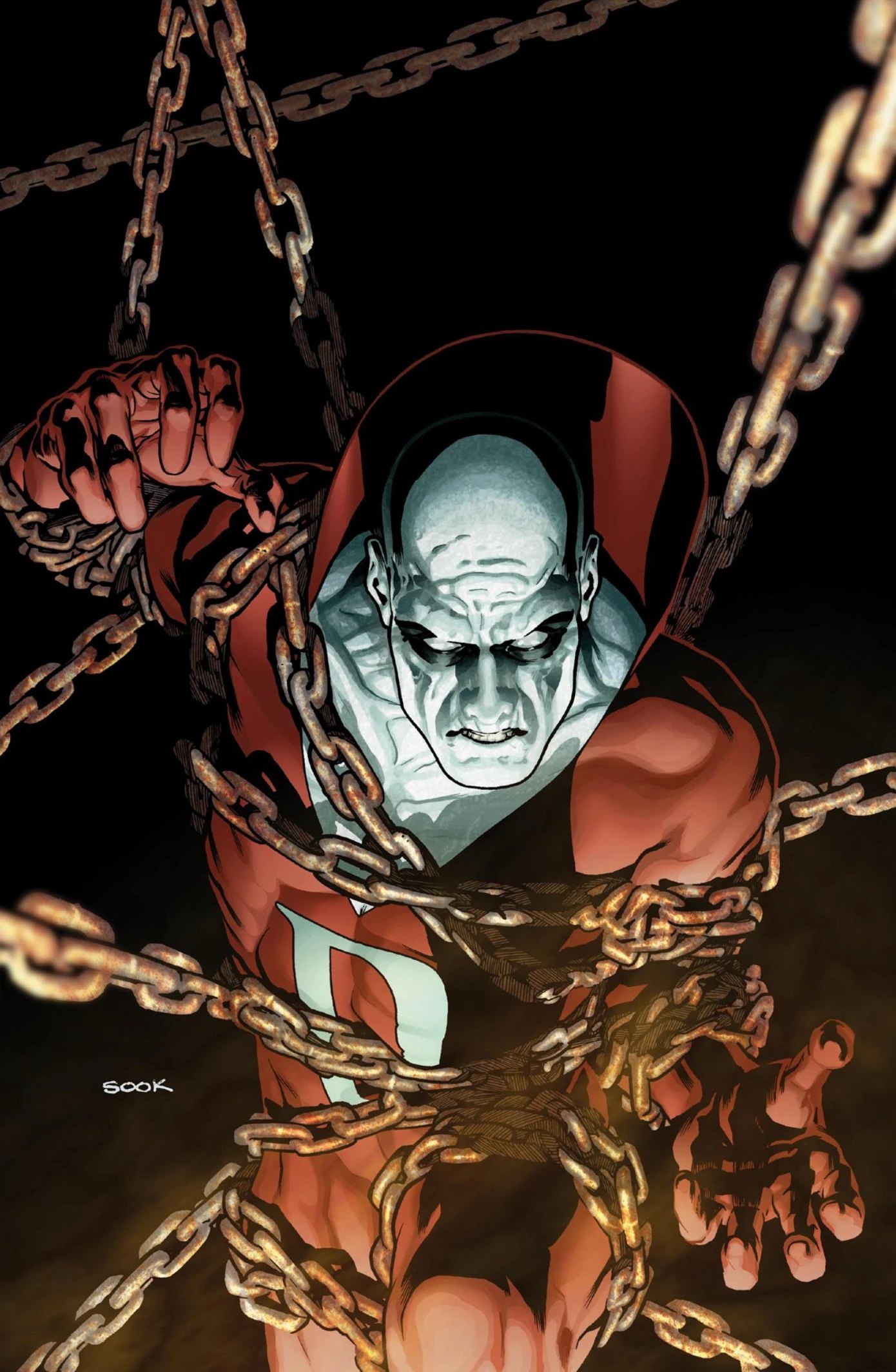
Boston Brand was a circus trapeze artist murdered mid-performance, and as a ghost he can possess any living body he touches — which makes him the team’s scout and infiltrator. He’s the rare Justice League Dark member who was already a recognizable DC character before the team existed, debuting in 1967.
Madame Xanadu
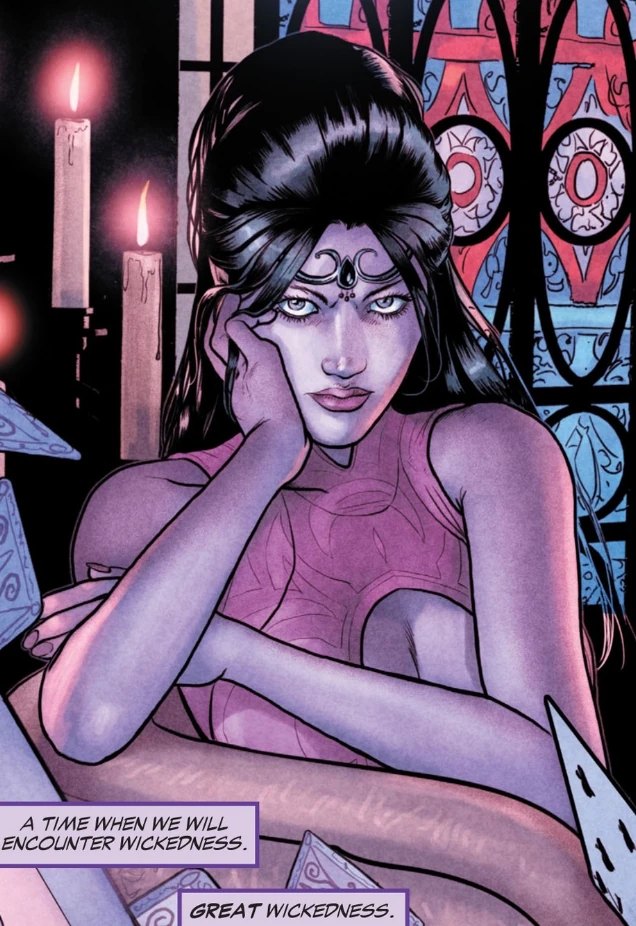
An immortal fortune teller who has operated in DC continuity since the Arthurian era in some tellings, Xanadu is the reason the team exists at all — she assembled it after a vision of the Enchantress-triggered disaster that opens the 2011 series. She works from behind the scenes more than in the field, which is exactly why the team keeps surviving crises she saw coming.
The fifth founder, Shade the Changing Man, is a reformed supervillain who manipulates reality through his “Madness Vest” — he rounds out the original roster but has had a lower profile than the other four in the years since.
The Members Who Defined the Team’s Middle Years
Justice League Dark’s roster has never been static. As the original lineup fractured — Constantine was pushed out after a betrayal, and Zatanna took over as leader — two long-running additions became as central to the team’s identity as any founder.
Swamp Thing
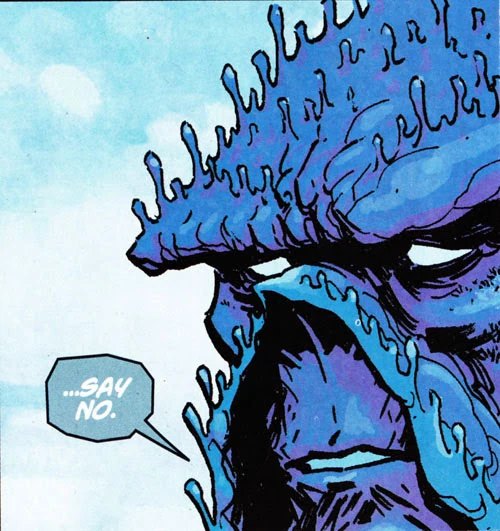
Alec Holland’s plant-elemental form gives the team its heaviest hitter and its most reluctant member — Swamp Thing’s loyalty has always been to the Green (Earth’s plant-based life force) first and any team second, and he’s cycled on and off the roster more than any other major member.
Frankenstein
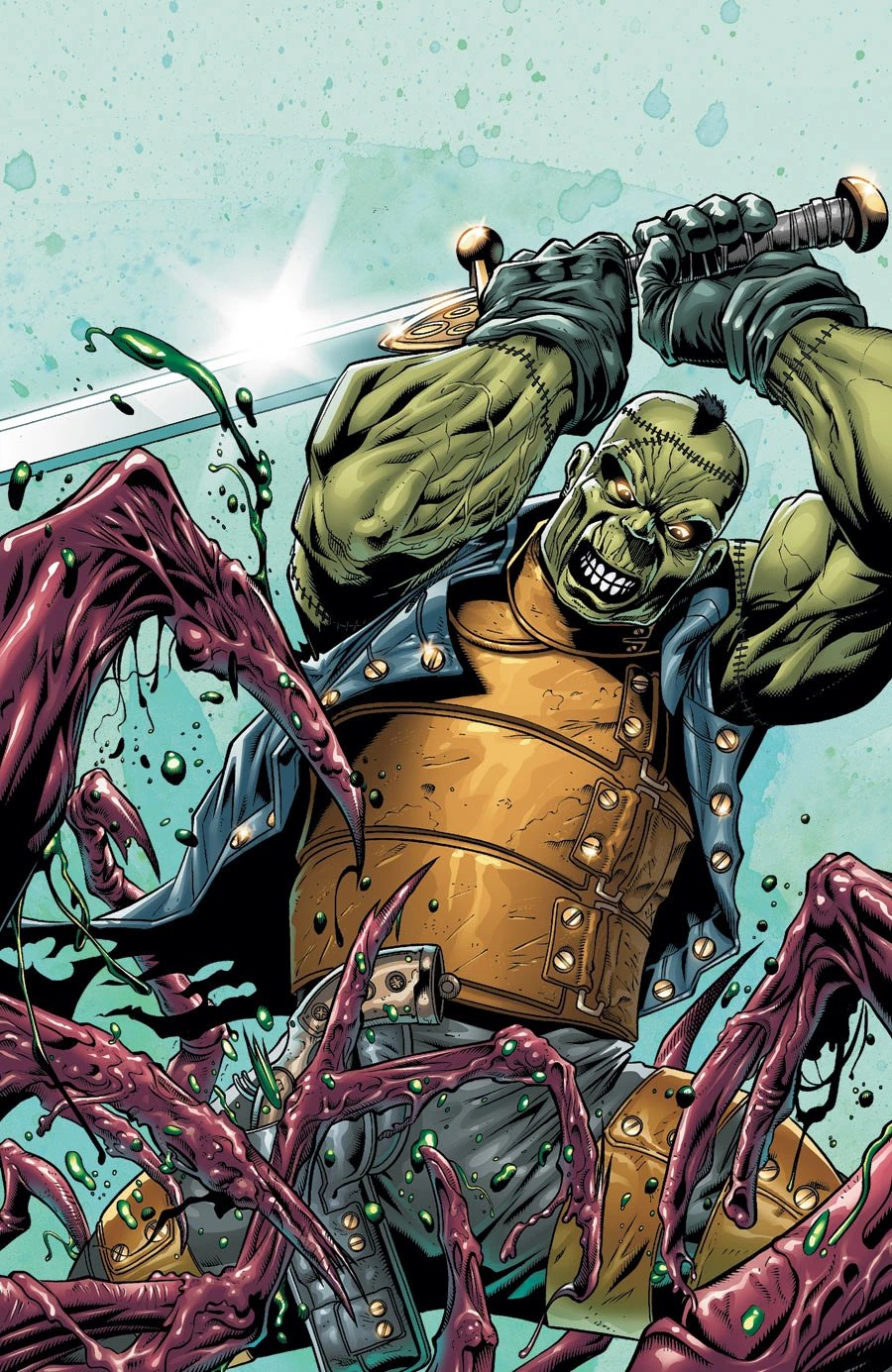
A reanimated, superhumanly durable agent of the government paranormal agency S.H.A.D.E., Frankenstein joined as the team’s muscle and its most straightforwardly heroic member, which made his eventual departure alongside Black Orchid one of the roster’s bigger shake-ups.
Who’s on Justice League Dark Now
The most recent version of the team paired its magic-users with heavier hitters: John Constantine, Zatanna, Detective Chimp, Ragman, Etrigan the Demon, and — in an unusual crossover pick — Doctor Fate (currently Khalid Nassour, not the classic Kent Nelson) and Wonder Woman. Pulling a mainline Justice League member into the Dark roster is a newer wrinkle for the team, signaling DC leaning into the idea that magical threats are now a mainline problem rather than a side concern.
Doctor Fate (Khalid Nassour)
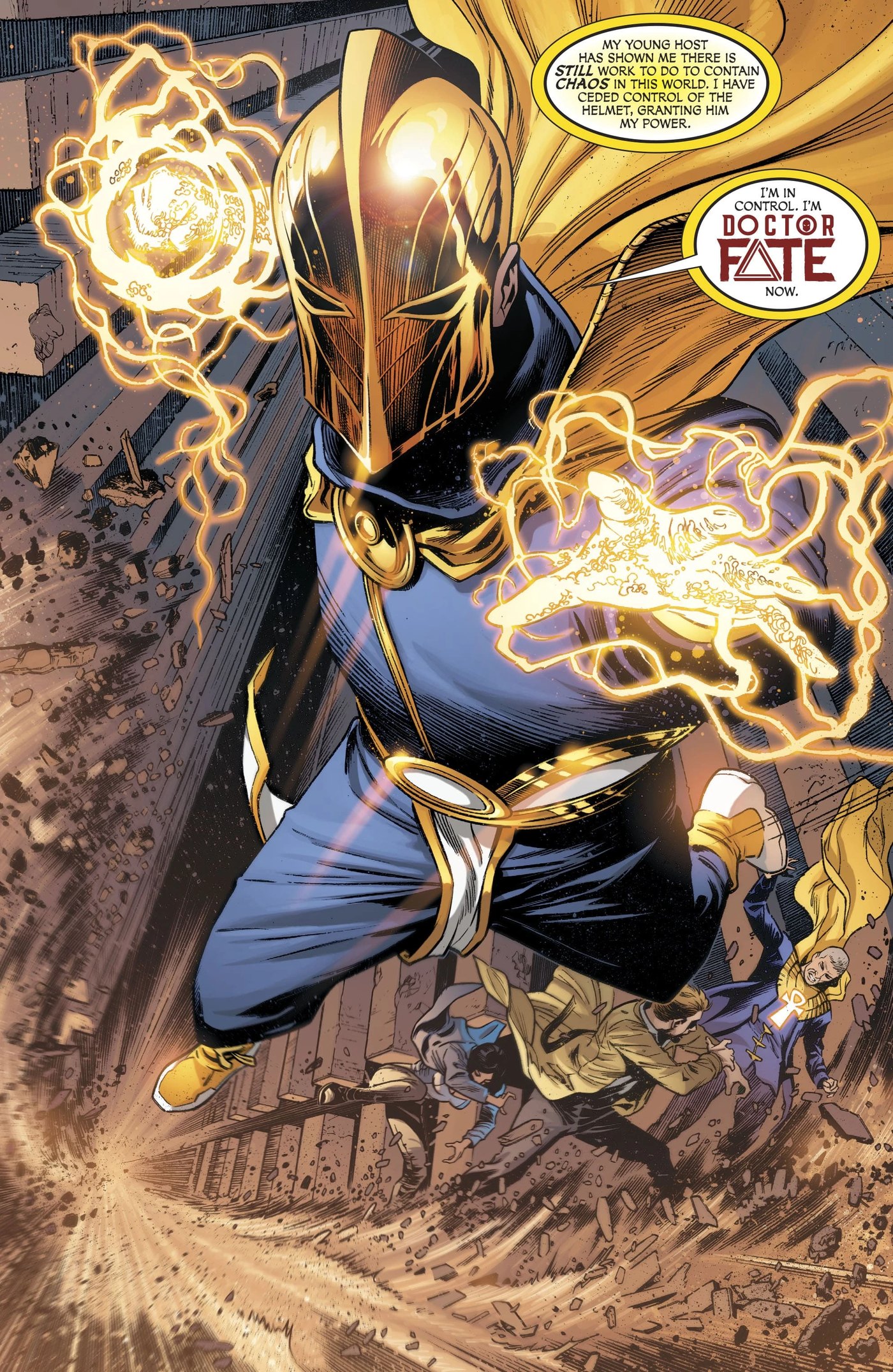
Khalid Nassour is a pre-med student who inherited the Helmet of Fate, making him one of the youngest characters to ever hold the Doctor Fate mantle — a deliberate contrast with the veteran occultists who make up the rest of the roster.
Justice League Dark’s Status as of 2026
The ongoing Justice League Dark series concluded with issue #29, and the team’s story is now continuing as a back-up feature inside Justice League Vol. 3 #59 rather than its own book — alongside a separate Justice League: Dark Realm Special line that launched in 2026. That’s a step down in format, not a cancellation of the concept: DC has folded and revived this team inside other titles before, and the founding five are still active characters across the DC line even when “Justice League Dark” isn’t the name on the cover.
Justice League Dark Roster, Then vs. Now
| Era | Key Members | Status |
|---|---|---|
| Founding (2011) | Constantine, Zatanna, Deadman, Madame Xanadu, Shade the Changing Man | Original New 52 lineup |
| Middle years | Swamp Thing, Frankenstein, Black Orchid, Andrew Bennett | Joined and cycled through as the roster expanded |
| Most recent (pre-2026) | Constantine, Zatanna, Detective Chimp, Ragman, Etrigan, Doctor Fate, Wonder Woman | Ended at issue #29 |
| 2026 | Same core cast | Continuing as a back-up feature in Justice League Vol. 3, plus a Dark Realm Special line |
Related Reading
For the team’s Marvel-side cosmic counterpart, see our cosmic hierarchy explainer, and for DC’s wider power scale, our strongest DC characters ranking and most powerful DC villains list both cover magic-based threats this team was built to fight.
Frequently Asked Questions
Who are the founding members of Justice League Dark?
John Constantine, Zatanna, Deadman, Madame Xanadu, and Shade the Changing Man, who launched the team together in September 2011 as part of DC’s New 52 relaunch.
Is Swamp Thing a member of Justice League Dark?
He has been, on and off. Swamp Thing joined during the team’s middle years but has cycled on and off the roster more than any other major member, since his real loyalty is to the Green rather than any team.
Who is on Justice League Dark now?
The most recent lineup includes John Constantine, Zatanna, Detective Chimp, Ragman, Etrigan the Demon, Doctor Fate (Khalid Nassour), and Wonder Woman, though the team’s own ongoing series ended with issue #29 and now continues as a back-up feature in Justice League Vol. 3.
Is Justice League Dark connected to the DCU movies?
A live-action Justice League Dark film was in development at one point with Guillermo del Toro attached, but it was shelved. An animated Justice League Dark film released in 2017 with Constantine, Deadman, Zatanna, Swamp Thing, Black Orchid, and Jason Blood (Etrigan’s human host).
Sources
Roster history and current-team reporting via DC Database, ComicBook.com, and Wikipedia.