The best anime adaptations better than the manga are not the ones with the prettiest animation — they are the ones that change something. Every series below alters, restructures or adds to its source in a way that makes the anime the version worth recommending first. Prettier is not better. Different, and right, is.
How this list was judged
One rule decides entry: the anime has to do something the manga did not. A faithful, gorgeous adaptation is not eligible, however good it is — Vinland Saga and Monster are excellent and are not here, because they are the manga with sound. What qualifies is a real change: a restructure, an invented plot, a performance, or a use of motion that the page cannot reproduce.
That rules out the most common version of this argument, which is really a preference for colour and voice acting. It also means the list is arguable, which is the point. Last updated: September 1, 2026.
| # | Series | Anime | What it changed |
|---|---|---|---|
| 1 | Ghost in the Shell: Stand Alone Complex | 2002–2005, Production I.G | Invented two original 26-episode arcs and dropped the manga’s comic register |
| 2 | Devilman Crybaby | 2018, Science SARU | Restructured a 1972 serial into ten episodes with a coherent ending |
| 3 | Mob Psycho 100 | 2016–2022, Bones | Turned psychic power into a change of medium, not a change of colour |
| 4 | Bleach: Thousand-Year Blood War | 2022–2026, Studio Pierrot | Expanded a compressed final arc, with the original author supplying new material |
| 5 | One-Punch Man (Season 1) | 2015, Madhouse | Gave an anticlimax joke the timing it needs to work |
| 6 | Attack on Titan | 2013–2023, WIT Studio / MAPPA | Made three-dimensional manoeuvring spatially legible |
| 7 | Parasyte -the maxim- | 2014, Madhouse | Gave Migi a voice, turning a speech balloon into a co-lead |
7. Parasyte -the maxim- (2014)
Hitoshi Iwaaki’s Parasyte ran from 1988 to 1995 and is a near-perfect horror manga. Madhouse’s 2014 adaptation earns its place for one decision: casting Migi. On the page Migi is a set of speech balloons attached to a hand. On screen it is a performance, and that changes what the story is about.
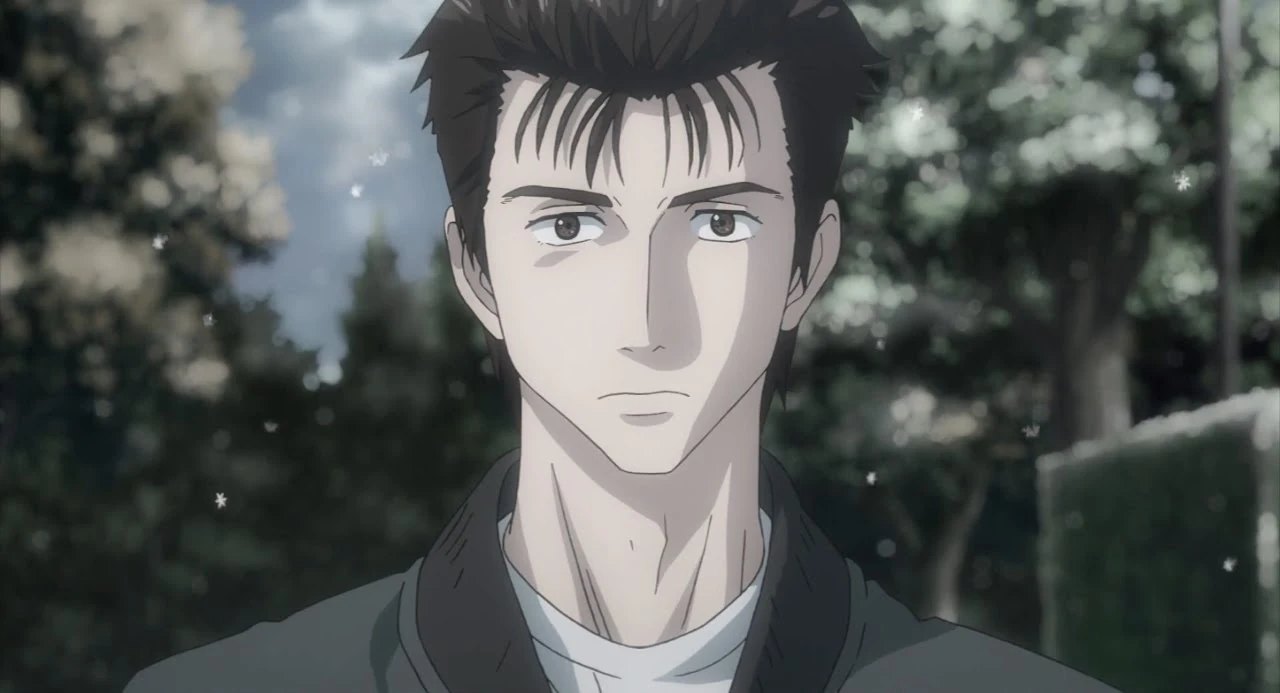
The manga’s central relationship is a man arguing with his own hand about whether human life has value. Voiced, that argument stops being an internal monologue and becomes a genuine two-hander — Migi’s flat, unbothered delivery does more to sell an alien intelligence than any amount of body horror on the page. The anime’s modernisation of the setting is the more debated change, and it is the weaker one; the casting is what makes this version the one to watch first.
6. Attack on Titan (2013–2023)
Hajime Isayama’s early art is the most honestly discussed weakness in modern manga, and the anime’s answer was not to make it prettier. It was to make the action readable. Omni-directional manoeuvre gear is a spatial idea, and space is exactly what a static panel struggles to convey.
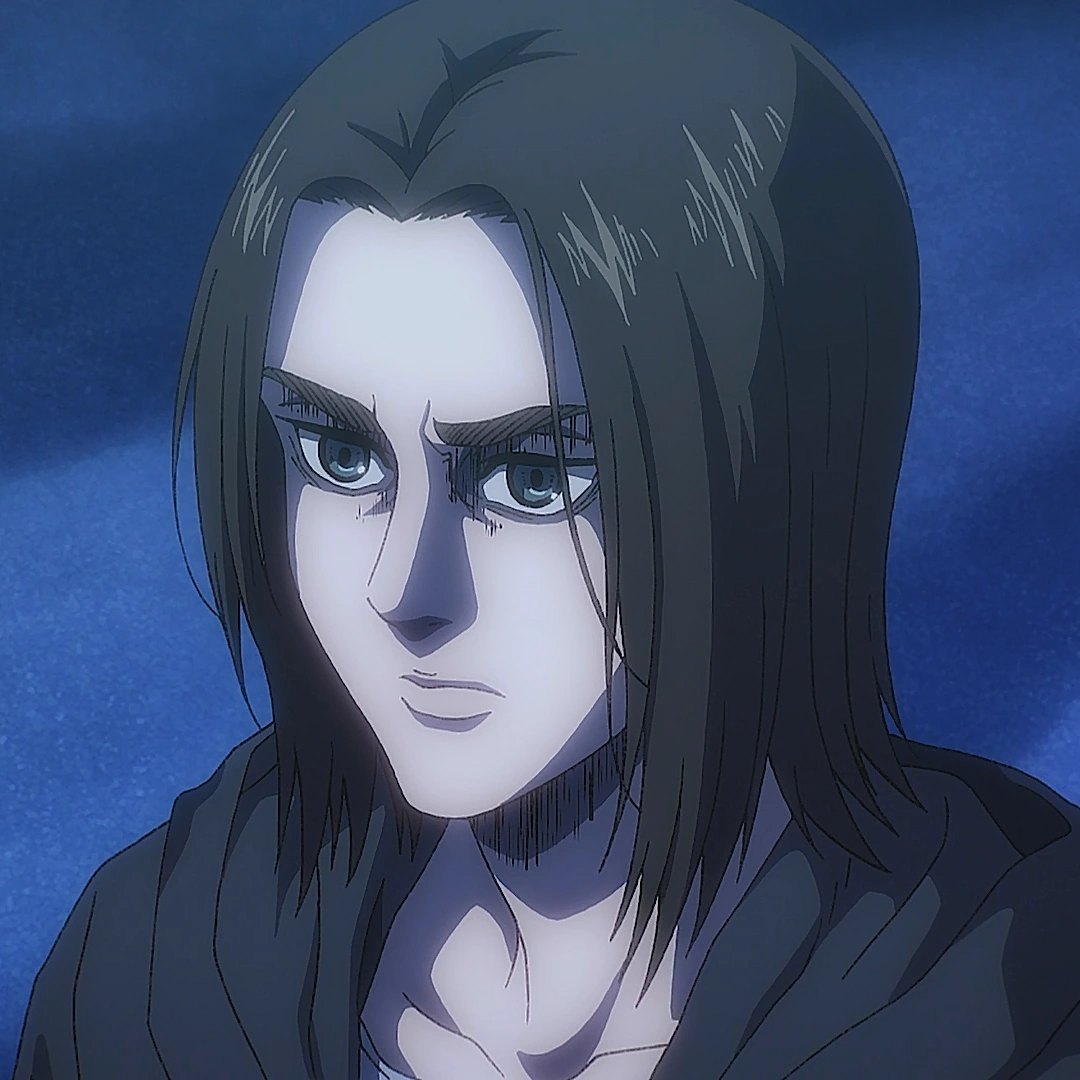
Read the manga’s early gear sequences and you frequently cannot tell where a character is relative to the titan they are attacking. WIT Studio’s 2013 first season solved that with continuous camera movement through three-dimensional space, and in doing so established the visual grammar the entire series runs on. It is a narrow improvement rather than a wholesale one — the manga’s late-arc writing is still where the story’s best ideas live — which is why it sits at six.
5. One-Punch Man, Season 1 (2015)
One-Punch Man is a joke about anticlimax: an enormous build-up, then one punch. Anticlimax is a timing gag, and timing is something animation has and a page does not. Madhouse’s 2015 season is the only version of this story that can actually control the pause before the punchline.
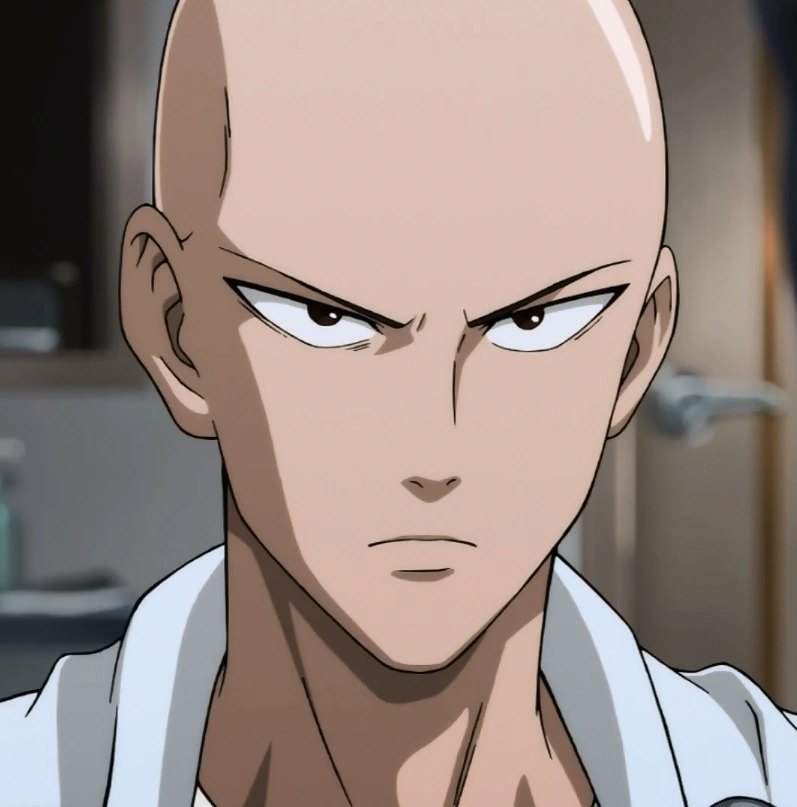
There is a second, sharper argument. Yusuke Murata’s manga art is so spectacular that it partly undercuts the premise — when every panel is a masterpiece, the deflation lands softly. The anime restores the gap by animating the fights with total sincerity and then cutting to Saitama’s deliberately under-drawn face. The joke needs both registers in the same shot, and only the anime can put them there.
4. Bleach: Thousand-Year Blood War (2022–2026)
Most entries on this list improve on their source over the author’s head. This one did it with the author in the room, which is why it ranks where it does. Tite Kubo’s final Bleach arc is widely held to have been compressed; the anime has spent four years decompressing it.
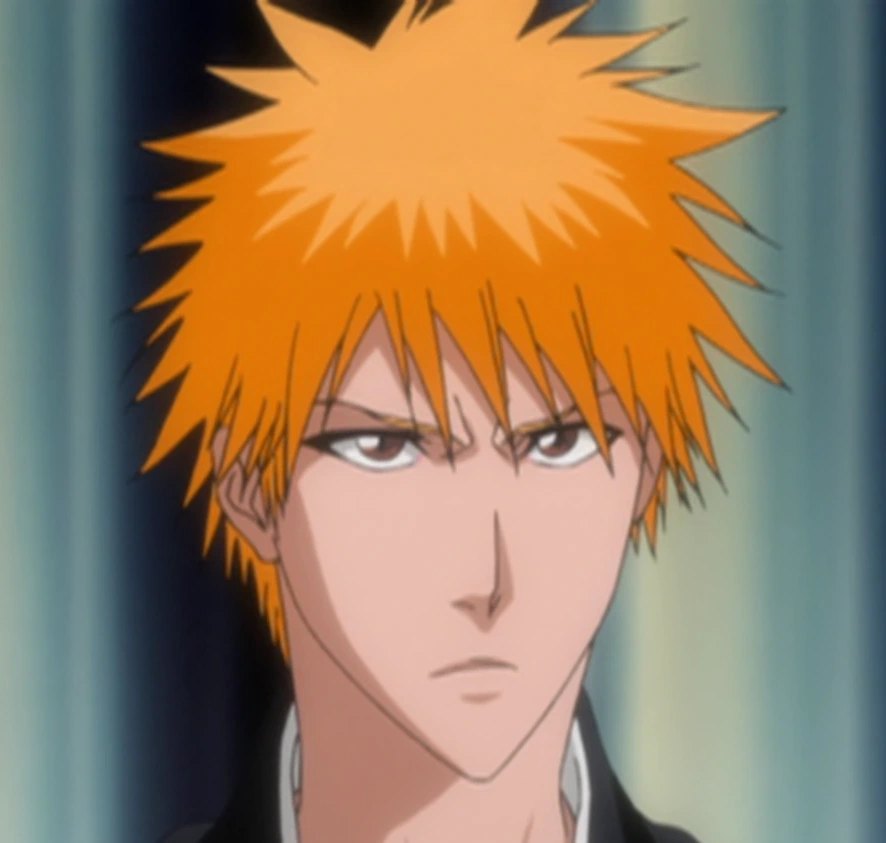
Series director Tomohisa Taguchi described the policy directly in a 2023 Febri interview (summarised in English by EpicStream): reading the arc, he wished several fights had been longer, so the team lengthened them — and Kubo cooperated on the anime-original material rather than merely approving it. That distinction matters. Every other “the anime fixed it” claim is a reader’s opinion. Here the person best placed to disagree signed off.
The arc’s final run makes the case in miniature. Our review of episode 46 breaks down an instalment that reorders eight non-consecutive chapters into a single sequence — editing, not just animating. The series finishes on September 26, 2026.
3. Mob Psycho 100 (2016–2022)
ONE’s manga is drawn in a deliberately rough, wobbling line. Bones did not clean it up. It escalated it — building its most extreme sequences out of deliberately experimental technique, including paint-on-glass animation, heavy smearing and abrupt shifts in rendering style, so that Mob losing control looks like the show itself losing its medium.
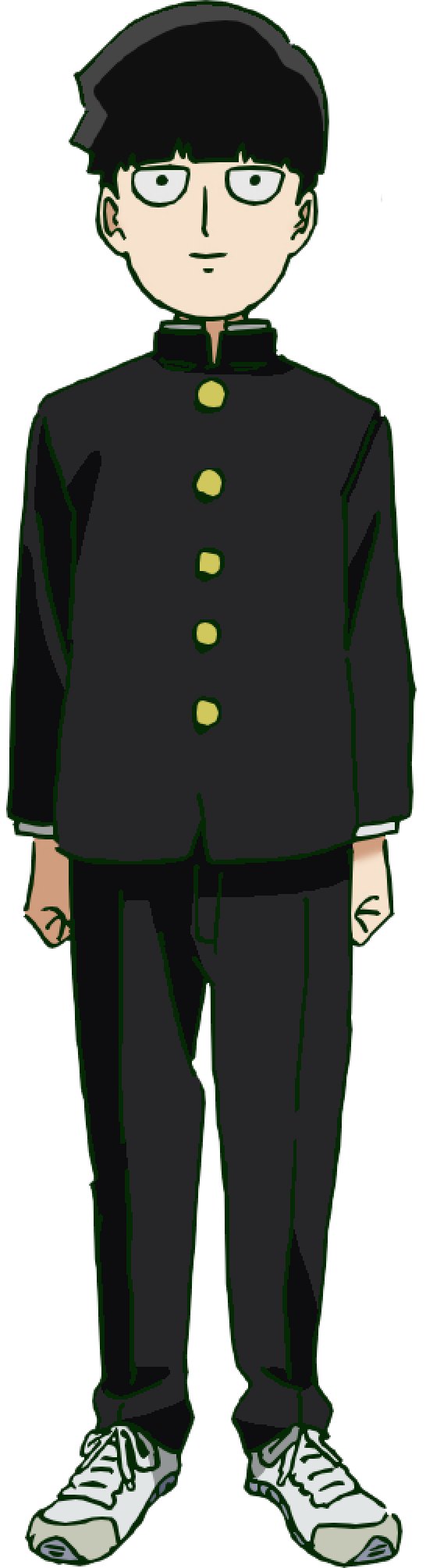
This is the clearest case on the list of an adaptation using something the source physically cannot. A manga can draw a boy who is about to explode. It cannot make the drawing style itself come apart over four seconds. Because Mob Psycho’s actual subject is a child suppressing feeling until the suppression fails, that technique is not decoration — it is the thesis, rendered.
2. Devilman Crybaby (2018)
Go Nagai’s Devilman (1972) is one of the most influential manga ever published and it is structurally a mess — a serial that shifts genre partway through and reaches its apocalypse at a sprint. Masaaki Yuasa’s ten-episode Netflix version keeps the ending and rebuilds everything leading to it.
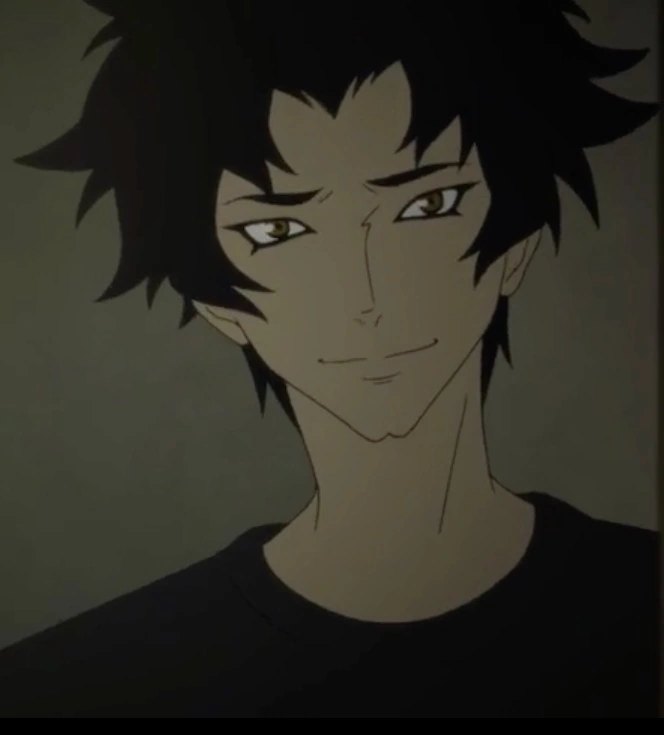
The restructure does one thing above all: it makes Ryo’s betrayal land as tragedy rather than as a twist. In the manga the friendship is asserted; in Crybaby it is built across ten episodes of accumulated, specific detail, so the ending devastates instead of merely arriving. Yuasa also lets the horror stay genuinely ugly, which is the part most modern adaptations of 1970s material sand off. It is the rare case where a landmark manga has been superseded by its own adaptation.
1. Ghost in the Shell: Stand Alone Complex (2002–2005)
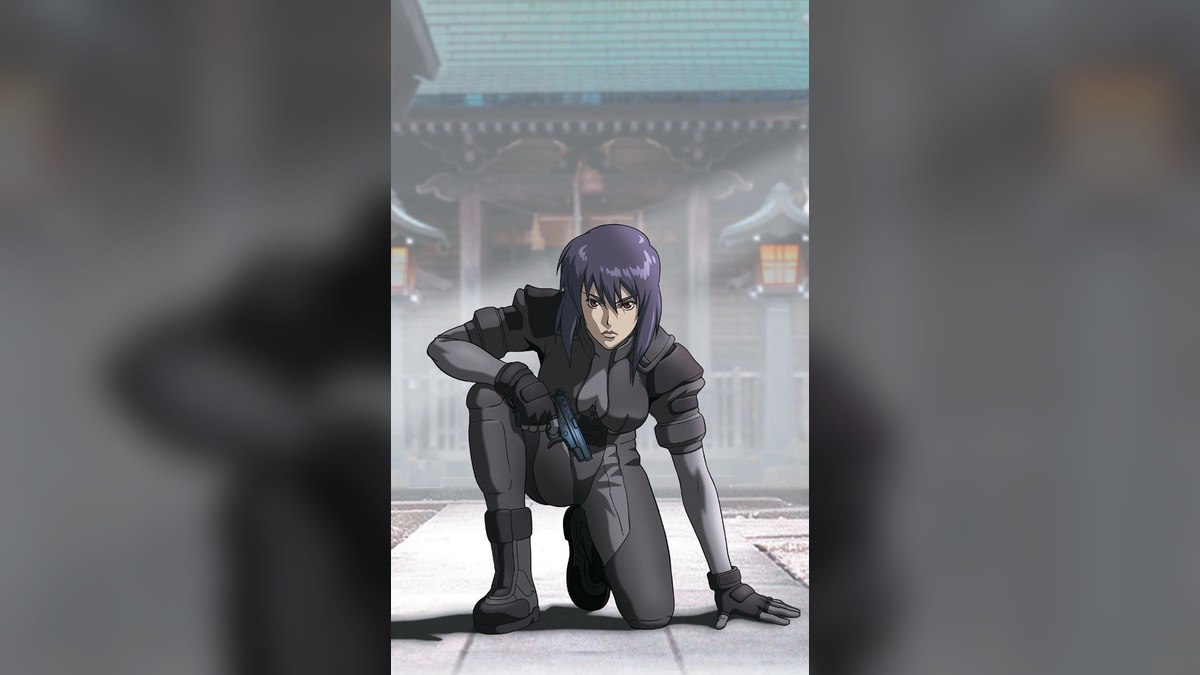
No other adaptation on this list simply writes its own story and wins. Shirow Masamune’s 1989–1991 manga is dense, tonally jokey and interrupted by the author’s own footnotes. Kenji Kamiyama’s series discards all of that and invents two original 26-episode arcs that are better than anything in the source.
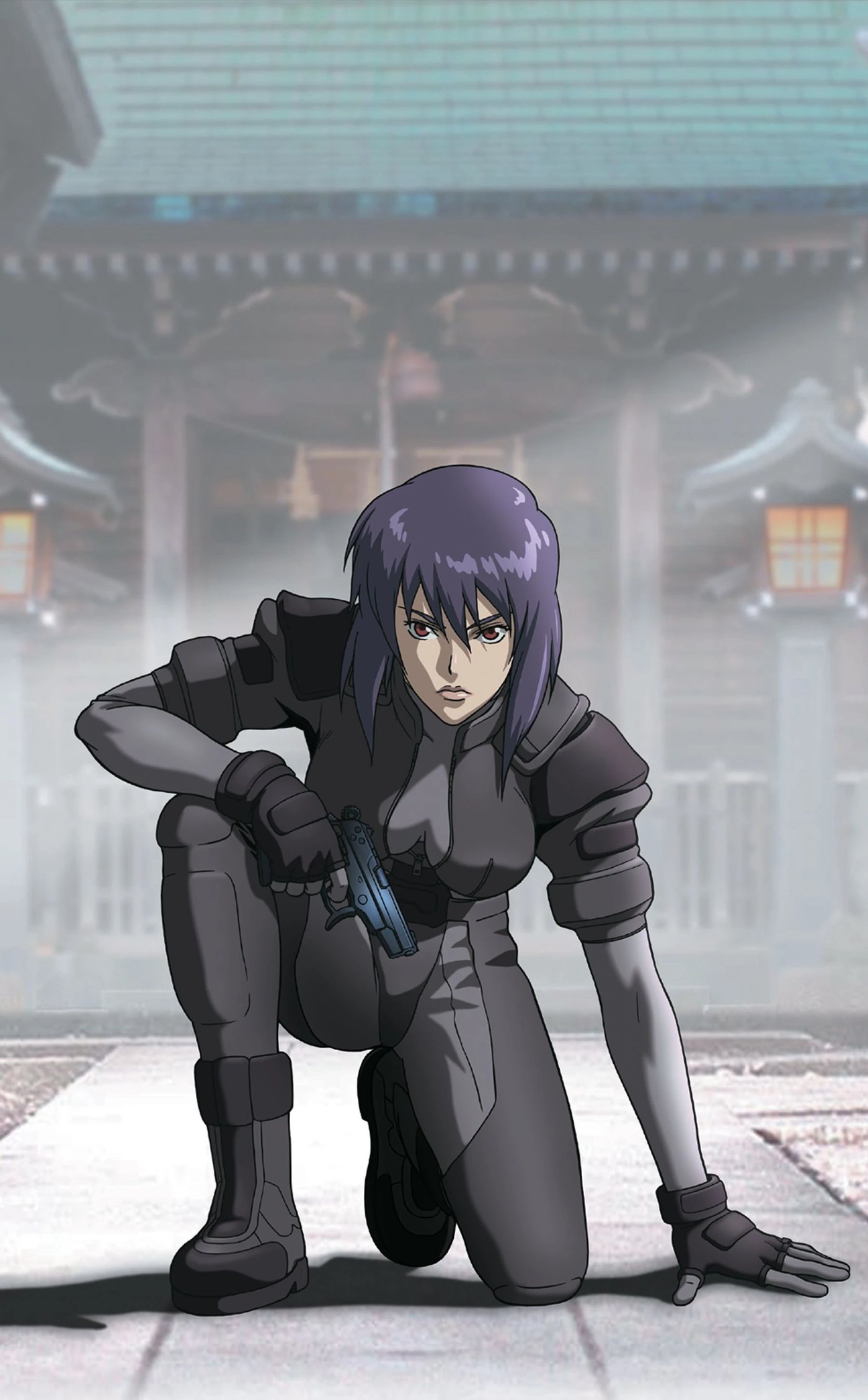
The Laughing Man arc and Individual Eleven are original to the anime. Both are procedural, political and patient in a way the manga never attempts, and the Laughing Man in particular built a story about copied behaviour and manufactured identity that reads as more accurate now than it did in 2002. Section 9 also becomes an actual ensemble here — Togusa and Batou get interior lives the manga does not give them.
The clearest sign that this is a rebuild rather than a transcription is the spider tanks. Production I.G could not use the manga’s Fuchikoma design because of a rights conflict, so Shirow drew a legally distinct replacement for the series and named it the Tachikoma. A workaround forced by paperwork became the show’s best invention: an entire recurring thread about nine identical machines slowly developing individual consciousness, which is the series’ central question asked from the one angle the manga never tried.
The strongest evidence is simply this: Stand Alone Complex is the version of Ghost in the Shell that everything afterwards responds to. If you want to see how the franchise is faring in its newest form, we have been reviewing the current series — start with our episode 8 review — and our Ghost in the Shell watch order covers where each version fits.
Close calls that did not make it
Three series were cut for failing the entry rule rather than for quality. Fullmetal Alchemist: Brotherhood is a faithful adaptation of a manga that was already excellent. Hunter x Hunter (2011) is likewise faithful. Fruits Basket (2019) finally adapts the whole manga, which fixes an earlier anime, not the source.
Trigun Stampede is the hardest omission. It changes an enormous amount, and whether those changes are improvements is still genuinely contested among readers of Yasuhiro Nightow’s manga. A list about improvement should not include a series where the improvement is the open question. If you want more anime rankings, try our best time-loop anime and the strongest Bleach characters.
Frequently Asked Questions
What is the best anime adaptation that is better than the manga?
Ghost in the Shell: Stand Alone Complex. Kenji Kamiyama’s 2002-2005 series discards Shirow Masamune’s tonal register and invents two original 26-episode arcs, the Laughing Man and Individual Eleven, which are more coherent and more thematically ambitious than the manga they came from.
Is Devilman Crybaby better than the Devilman manga?
By the standard used here, yes. Go Nagai’s 1972 manga reaches its apocalypse at a sprint; Masaaki Yuasa’s 2018 series keeps that ending but rebuilds the ten episodes leading to it, so Ryo’s betrayal reads as tragedy rather than as a twist.
Is the Bleach anime better than the Bleach manga?
For the Thousand-Year Blood War arc specifically, the anime is the fuller version. Director Tomohisa Taguchi has said the team lengthened fights he felt were too short in the manga, with creator Tite Kubo cooperating on the anime-original material.
Why isn’t Fullmetal Alchemist: Brotherhood on this list?
Because it does not change anything. Brotherhood is a faithful adaptation of a manga that was already outstanding. This list only counts adaptations that alter, restructure or add to their source and improve it in the process.
Does better animation make an anime better than its manga?
Not on its own. Prettier art is a difference in production value, not in the work. Every entry here changes something structural: an invented plot, a restructure, a vocal performance, or a use of motion and rendering the page cannot reproduce.