The best anime villain organizations are not just rosters of strong fighters — they are the pressure that forges the hero. This ranking orders eight of anime’s most iconic antagonist groups by how much they actually shaped the story and the protagonist around them, not just by raw power.
| Rank | Organization | Anime | Signature Trait |
|---|---|---|---|
| 8 | Dark Triad | Black Clover | Devil-wielding royal siblings |
| 7 | Espada | Bleach | Numbered rank by Aizen, 0-9 |
| 6 | Phantom Troupe | Hunter x Hunter | Spider tattoo, Yorknew massacre |
| 5 | Ten Commandments | The Seven Deadly Sins | Each bound to a magic Commandment |
| 4 | Twelve Kizuki | Demon Slayer | Ranked by crescent-moon tattoo |
| 3 | League of Villains | My Hero Academia | Built to mirror hero society |
| 2 | Akatsuki | Naruto | Converted ex-members into allies |
| 1 | Homunculi | Fullmetal Alchemist: Brotherhood | Named for the seven deadly sins |
8. Dark Triad — Black Clover
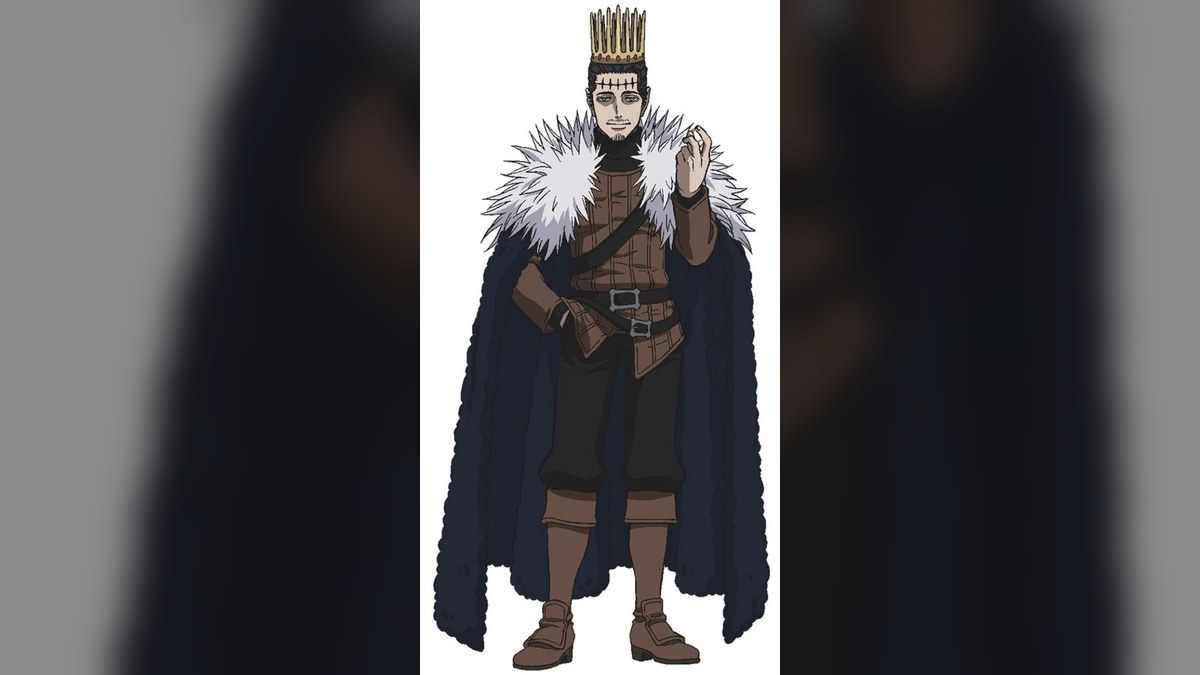
The Dark Triad is three Devil-wielding royals of the Spade Kingdom — Dante Zogratis, Vanica Zogratis and Zenon Zogratis — who spent the manga’s earlier arcs manipulating Clover and Heart from the shadows before the Spade Kingdom war revealed them as the real final-arc threat. They rank lowest here only because the fallout is still unfolding: the group reshaped the political map of Black Clover’s world, but it hasn’t had the years of hindsight the other seven entries have to prove how permanently it changed its heroes. The strongest Black Clover villains ranking has the full roster breakdown.
7. Espada — Bleach
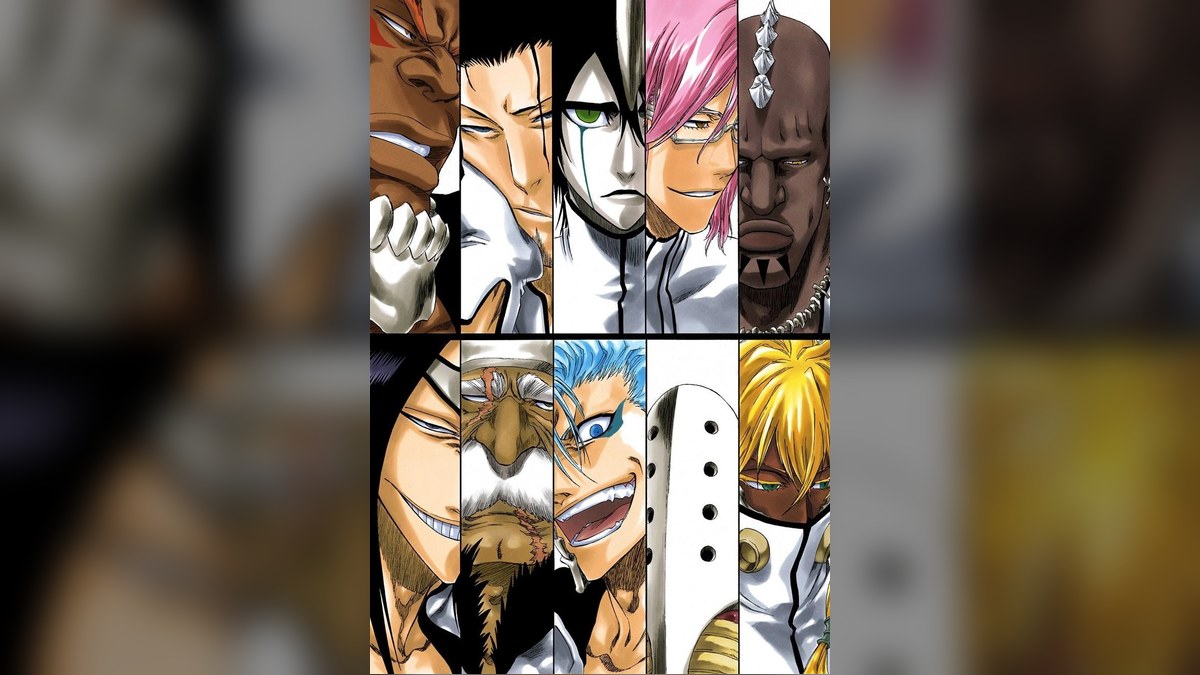
Sosuke Aizen’s ten Espada were ranked 0 through 9 by raw strength, each branded with a number tattoo marking their place in the hierarchy. Primera Espada Coyote Starrk, Segunda Baraggan Louisenbairn, and fan-favorite Grimmjow Jaegerjaquez gave the Arrancar arc its best fights, but the Espada mostly tested Ichigo’s power ceiling rather than his values — a power-scaling arc more than a character-defining one, which is why it sits lower on a list ranked by impact rather than spectacle. The Thousand-Year Blood War finale gave the franchise a very different, far more consequential antagonist years later.
6. Phantom Troupe — Hunter x Hunter
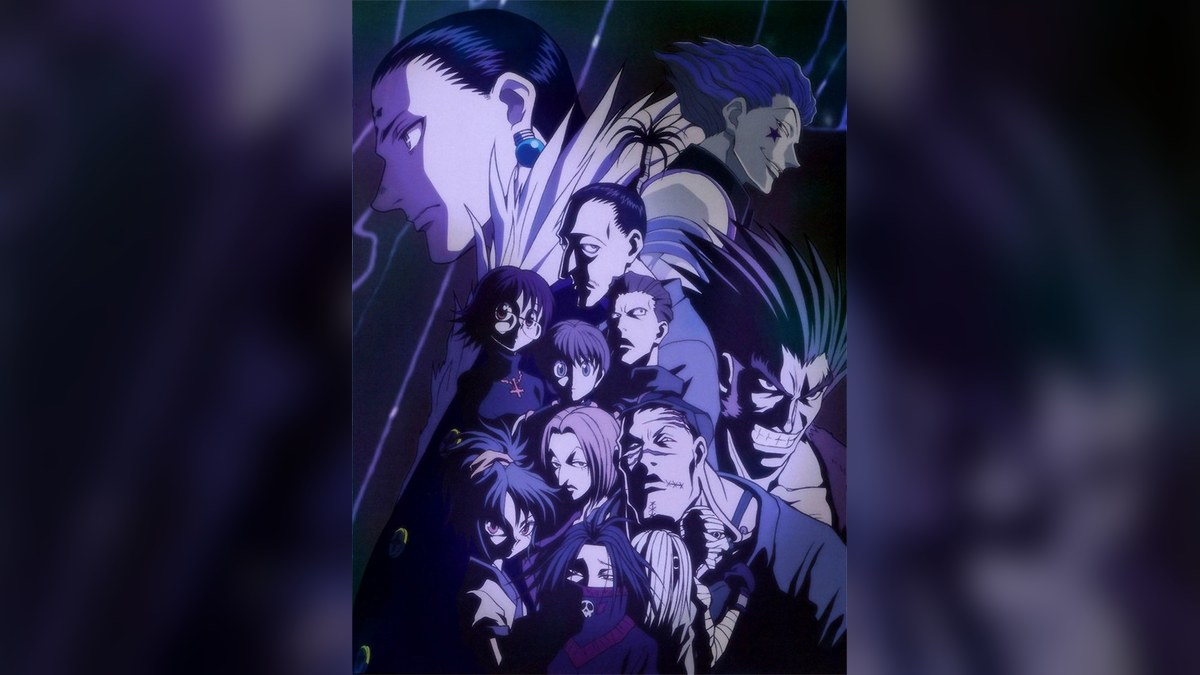
Led by Chrollo Lucilfer, the Phantom Troupe is a band of elite thieves marked by matching spider tattoos, infamous for the Yorknew City auction massacre that wiped out Kurapika’s entire Kurta clan. The Troupe is one of the best-written revenge engines in the genre — every member Kurapika hunts forces a new moral compromise — but its impact is narrow by design, driving one character’s arc with surgical precision rather than reshaping the whole cast the way the top entries do.
5. Ten Commandments — The Seven Deadly Sins
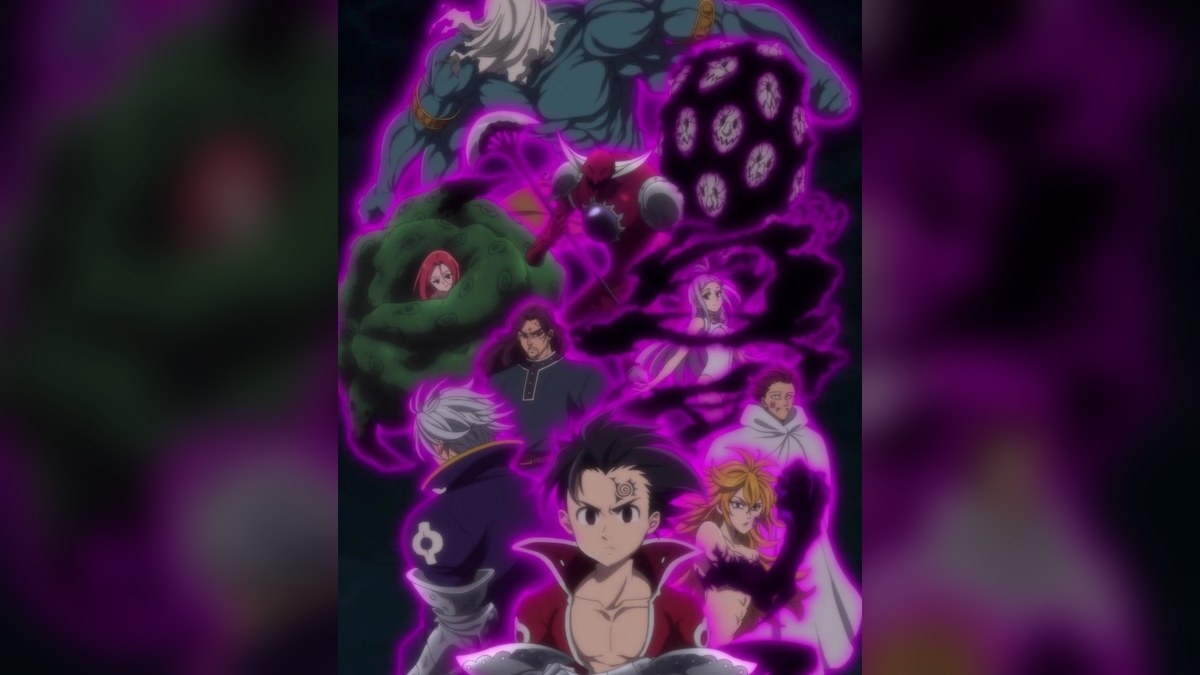
The Ten Commandments are ancient demon commanders, each bound to — and named for — a specific magical Commandment that doubles as their power and their curse. What separates them from a generic strongest-of-the-strong demon army is how personal the fallout is: several Commandments are revealed as family to the Seven Deadly Sins themselves, turning the final war into a reckoning with Meliodas’ and Elizabeth’s own bloodlines rather than a faceless invasion.
4. Twelve Kizuki — Demon Slayer
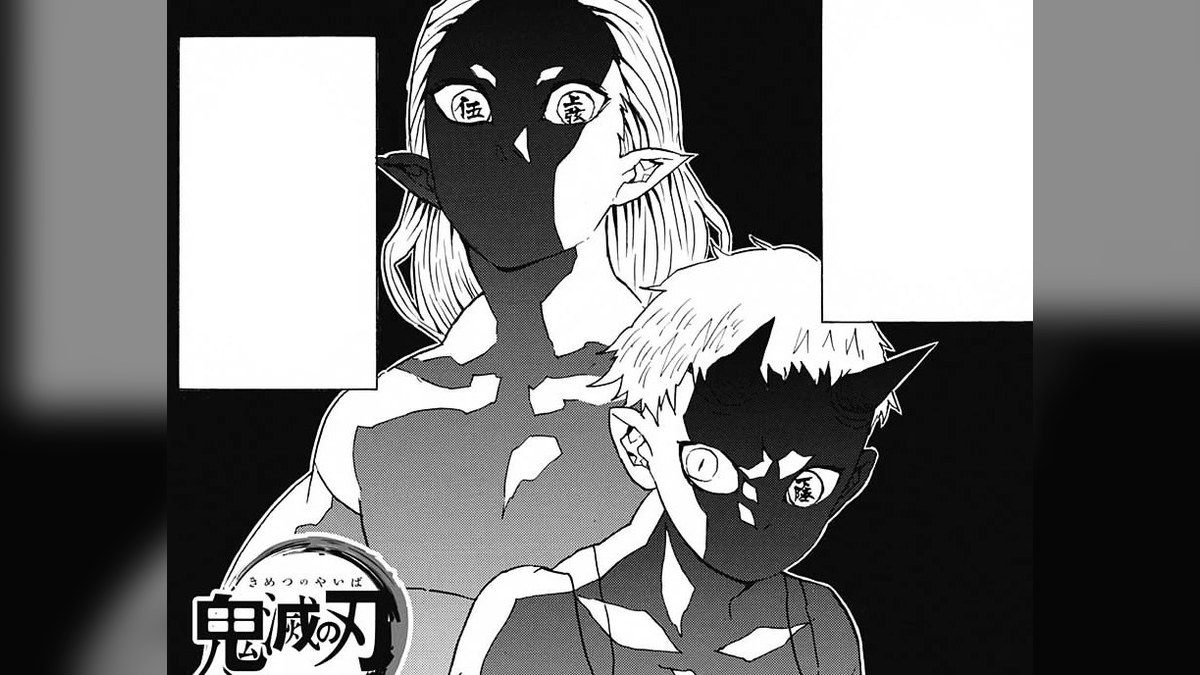
Muzan Kibutsuji’s Twelve Kizuki are ranked Upper and Lower Moons, each wearing a numbered crescent-moon marking tied directly to how much of Muzan’s blood — and power — they have been given. Every Upper Moon fight in the back half of the series doubles as a tragic backstory for the demon and a gut-check for the Hashira facing them, which is a big part of why the franchise has become a genuine box-office power: the first Infinity Castle film crossed ¥106.4 billion worldwide, the first Japanese film ever to pass the ¥100 billion mark, distributor Aniplex announced on November 17, 2025.
3. League of Villains — My Hero Academia
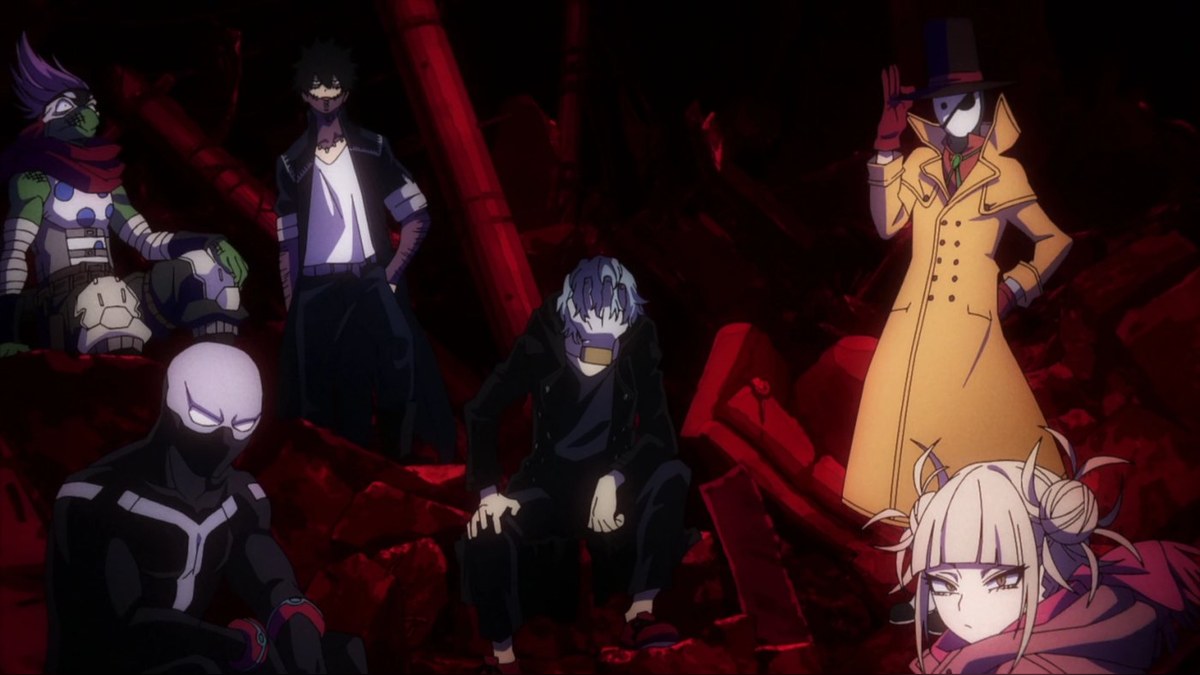
Assembled by Tomura Shigaraki under All For One’s guidance and later absorbed into the larger Paranormal Liberation Front, the League of Villains was built as a deliberate dark mirror of hero society — a found family of people the hero-first system failed, the same way U.A. is a found family for the people it chose. That structural parallel is the entire thesis of My Hero Academia, and it is why the League forces Deku’s ideology to keep evolving book after book instead of just giving him someone to punch. The manga crossed 100 million copies in print worldwide, a milestone publisher Shueisha confirmed in 2024, joining a short list of series to hit that number.
2. Akatsuki — Naruto
Akatsuki started as Yahiko, Nagato and Konan’s idealistic peace movement in Amegakure before Obito Uchiha hollowed it out into a vehicle for the Eye of the Moon Plan, and that double identity is exactly why it ranks this high: it is the rare villain organization where a meaningful chunk of the roster — Nagato, Itachi, even Obito himself — gets folded back into the hero side of the story’s moral ledger instead of just getting defeated. Few antagonist groups have forced as much of a franchise’s emotional growth; the Naruto villains ranking breaks down how each member stacks up individually. The manga has sold more than 250 million copies worldwide, according to the official Naruto website.
1. Homunculi — Fullmetal Alchemist: Brotherhood
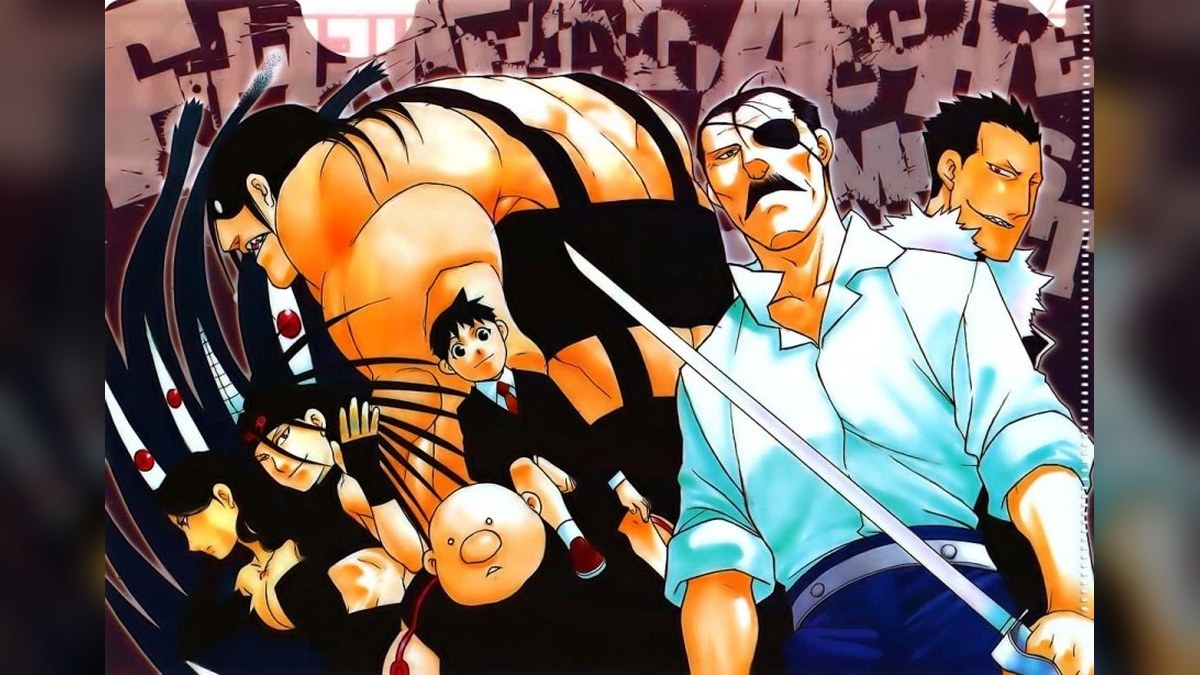
The Homunculi — Lust, Gluttony, Envy, Greed, Sloth, Wrath and Pride, each named for one of the seven deadly sins and created by the being known only as Father — are not a threat the Elric brothers stumble into. They are the direct cause of the tragedy that opens the series: Edward and Alphonse’s failed attempt to resurrect their mother is tied into Father’s centuries-long plan from the very first episode. Every major character in Brotherhood, not just the leads, gets a personal reckoning with one specific Homunculus, which is why the series is still cited as having one of the best-integrated villain organizations in the genre — the antagonists and the protagonists’ arcs were written as one story, not two.
Frequently Asked Questions
Which anime villain organization has caused the most main-character deaths?
The Twelve Kizuki and the Phantom Troupe are among the deadliest by named-character body count — the Kizuki killed multiple Hashira across the series, and the Troupe’s Yorknew City massacre wiped out the entire Kurta clan in a single night.
Which anime villain group turned the most members into allies?
Akatsuki, by a wide margin. Nagato, Itachi Uchiha, and eventually Obito are all reframed as sympathetic or outright heroic by the end of Naruto Shippuden, which is unusual for a group introduced as the series’ primary antagonist faction.
Are the Twelve Kizuki or the Espada more powerful?
They are not from the same continuity so there is no official crossover answer, but structurally the Upper Moons of the Twelve Kizuki are written as closer to unbeatable without a Hashira’s specific Breathing Style and Nichirin blade, while the Espada’s power is more conventional and scalable.
What was the first major anime villain organization?
Among the groups on this list, Akatsuki and the Homunculi both trace back to manga that began serialization in the late 1990s and early 2000s, making them the genre’s formative templates for a full antagonist organization rather than a single arch-villain.