Quick TakeArticle at a glance
- The best Batman villains aren't just guys in costumes — most of them are Bruce Wayne's own worst impulses wearing a better outfit.
- Every comics site runs a "greatest villains of all time" list eventually, and we did too — you can read our take on the greatest comic book villains of all time if you want the widescreen version.
- Here's the actual insight, not the marketing version: most of Batman's best villains aren't opposites of Bruce Wayne.
The best Batman villains aren’t just guys in costumes — most of them are Bruce Wayne’s own worst impulses wearing a better outfit. Joker tops this list because no other rogue does more damage with less reason, and the ranking runs all the way down to Poison Ivy, based on lasting damage done to Batman’s world.
Last updated: September 17, 2026.
Every comics site runs a “greatest villains of all time” list eventually, and we did too — you can read our take on the greatest comic book villains of all time if you want the widescreen version. This one’s narrower on purpose. Batman’s rogues gallery is the deepest bench in superhero comics, deep enough that guys who’d be the scariest villain in almost any other book (Clayface, Hush, an entire secret society of owl-obsessed assassins) end up in the back half of the ranking. That’s the fun of it.
The thing nobody says out loud about this rogues gallery
Here’s the actual insight, not the marketing version: most of Batman’s best villains aren’t opposites of Bruce Wayne. They’re forks. Joker is what happens if you decide none of it means anything. Two-Face is what happens if you let one bad night decide everything for you forever. Ra’s al Ghul is what happens if you let the mission outlive your humanity. Hush is what happens if you spend your whole life jealous of someone else’s tragedy. Take Batman’s code away, one villain at a time, and you get this list.
It’s also why this rogues gallery has outgrown Gotham. Ra’s al Ghul’s League of Assassins has been a recurring headache for half of the Justice League, and Harley Quinn is now a bigger cross-media star than most actual superheroes. Compare that to Superman’s rogues, where almost everything still runs through one guy in a suit — our ranking of Lex Luthor’s best storylines covers that side of it. Batman’s villains didn’t stay in their lane. That’s part of why they’re better.
Joker is still No. 1, and it isn’t close
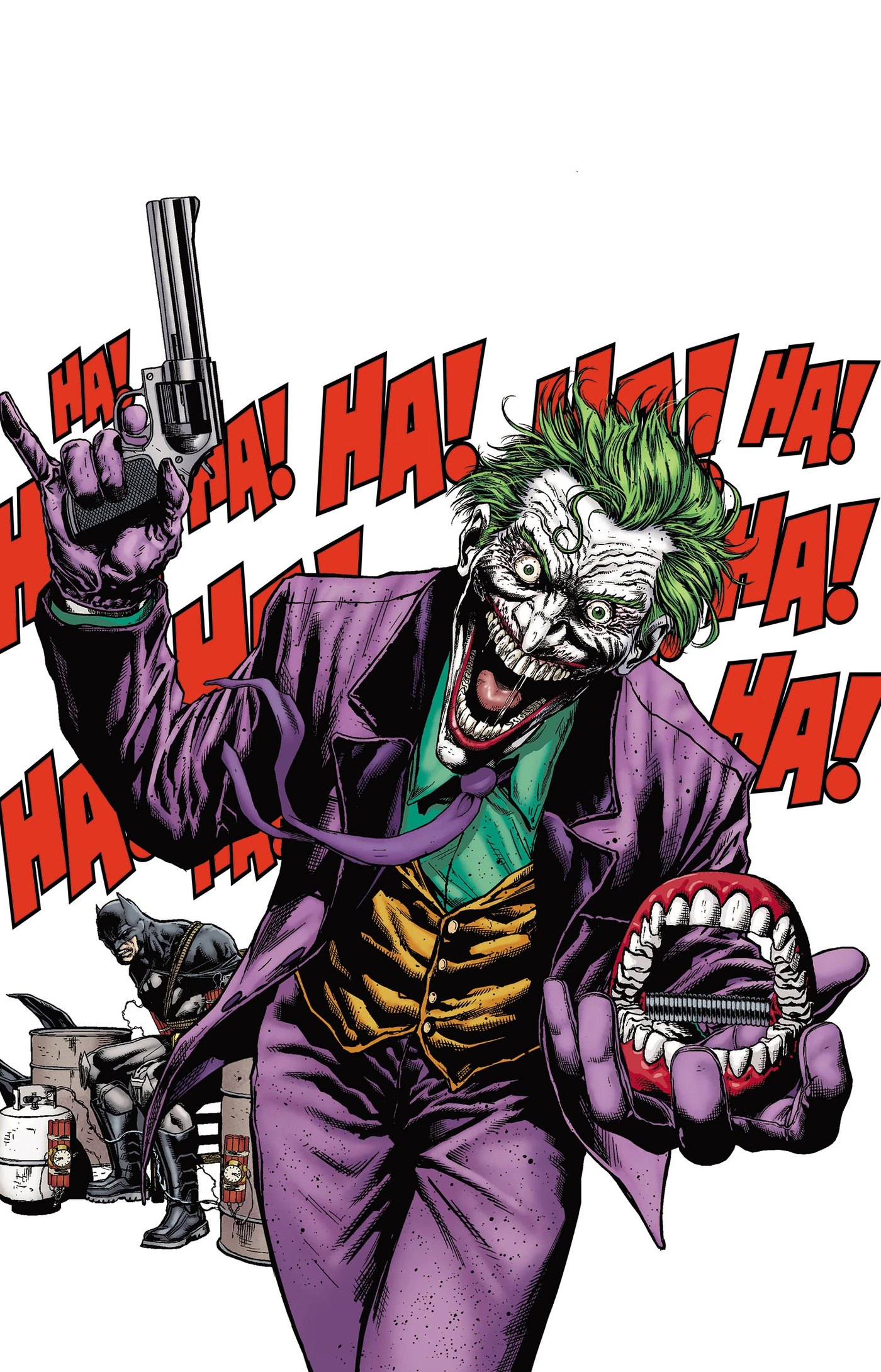
This is the one entry where we’re not going to pretend there’s a debate. Joker has no organization, no army, no master plan half the time — he just needs one bad day and a captive audience. That’s scarier than anything with an actual army behind it.
He’s also, unglamorously, the reason this franchise makes money. In 2019, Joker became the first R-rated movie ever to cross $1 billion worldwide, on a budget under $70 million. No other Batman villain has come close to carrying a movie that size solo. Check his official DC.com character profile if you want the full rap sheet.
Ra’s al Ghul is the mentor Bruce should be more scared of
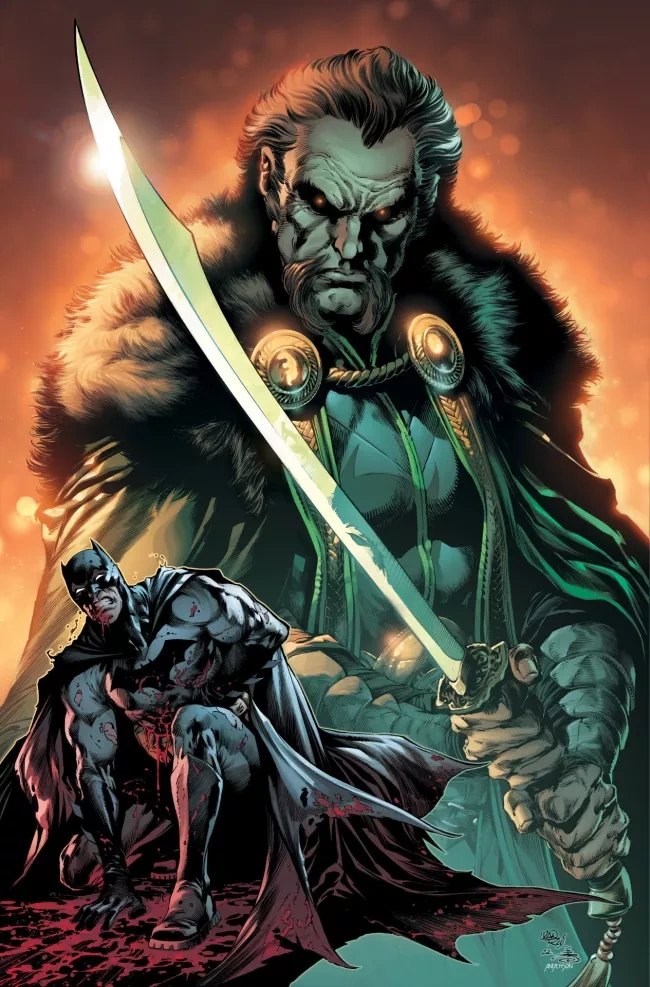
Ra’s al Ghul trained Bruce. That’s the whole pitch. He’s not a stranger Batman has to figure out — he’s a guy who already knows exactly how Bruce thinks, because he helped build it, and he’s been alive for centuries deciding the planet needs a hard reset.
He’s No. 2 because he’s the only villain on this list who operates like a state actor. The League of Assassins has armies, funding, and outposts that outlast any single defeat. Beat Ra’s in Gotham and he’s rebuilding in another hemisphere by the next arc.
Bane is the only villain who actually beat him
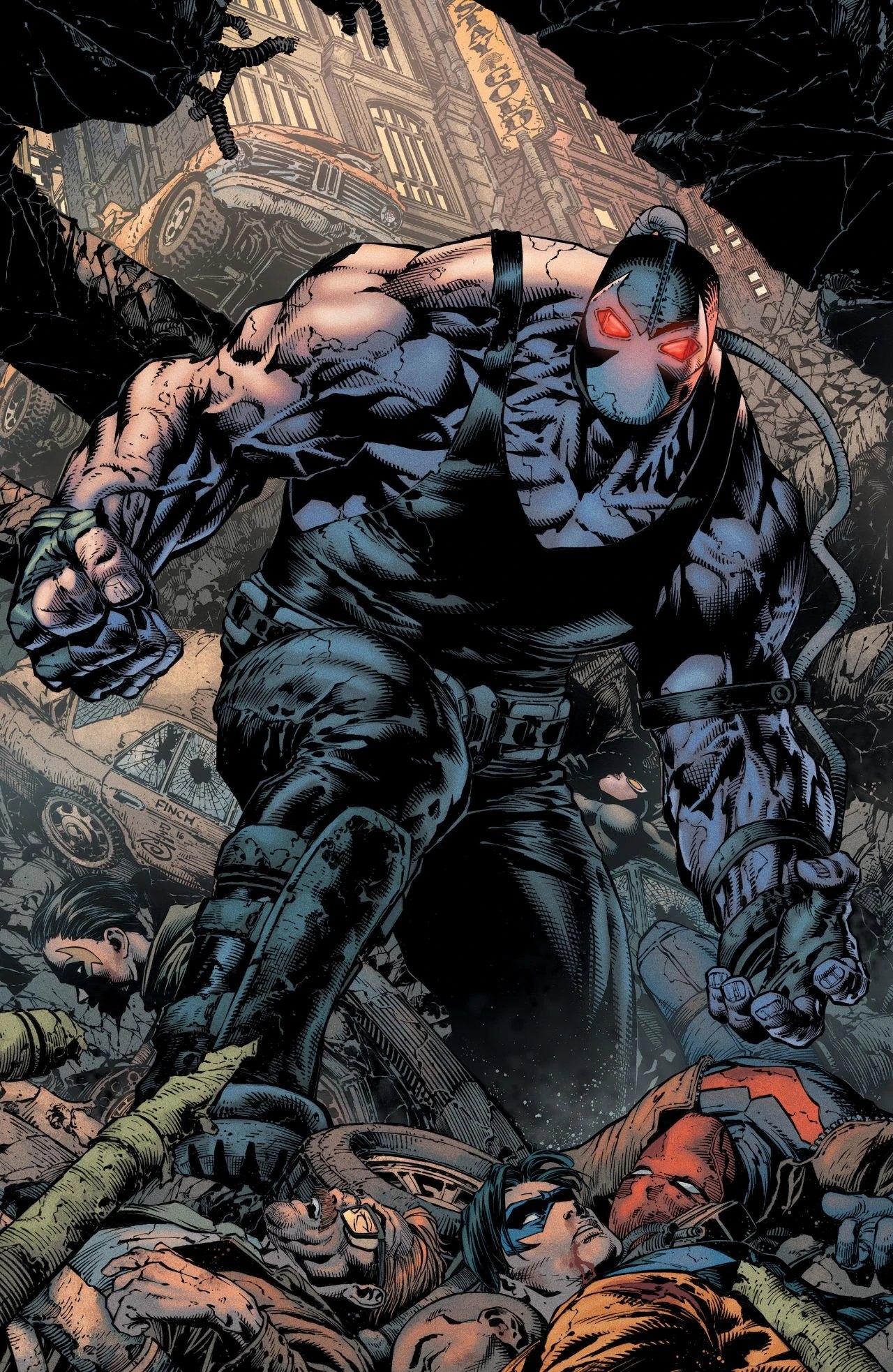
Most villains on this list lose to Batman eventually and everyone moves on. Bane is the one who broke his back in Knightfall and made Bruce hand the cowl to someone else for a while. That single story is still the reference point every “has anyone ever really beaten Batman” argument goes back to.
What keeps him out of the top two is that Bane needs Venom to be a physical match for Batman. Take the drug away and he’s just a very smart, very dangerous man — which is still plenty, but it’s a ceiling the villains above him don’t have.
Two-Face is the tragedy that never gets old
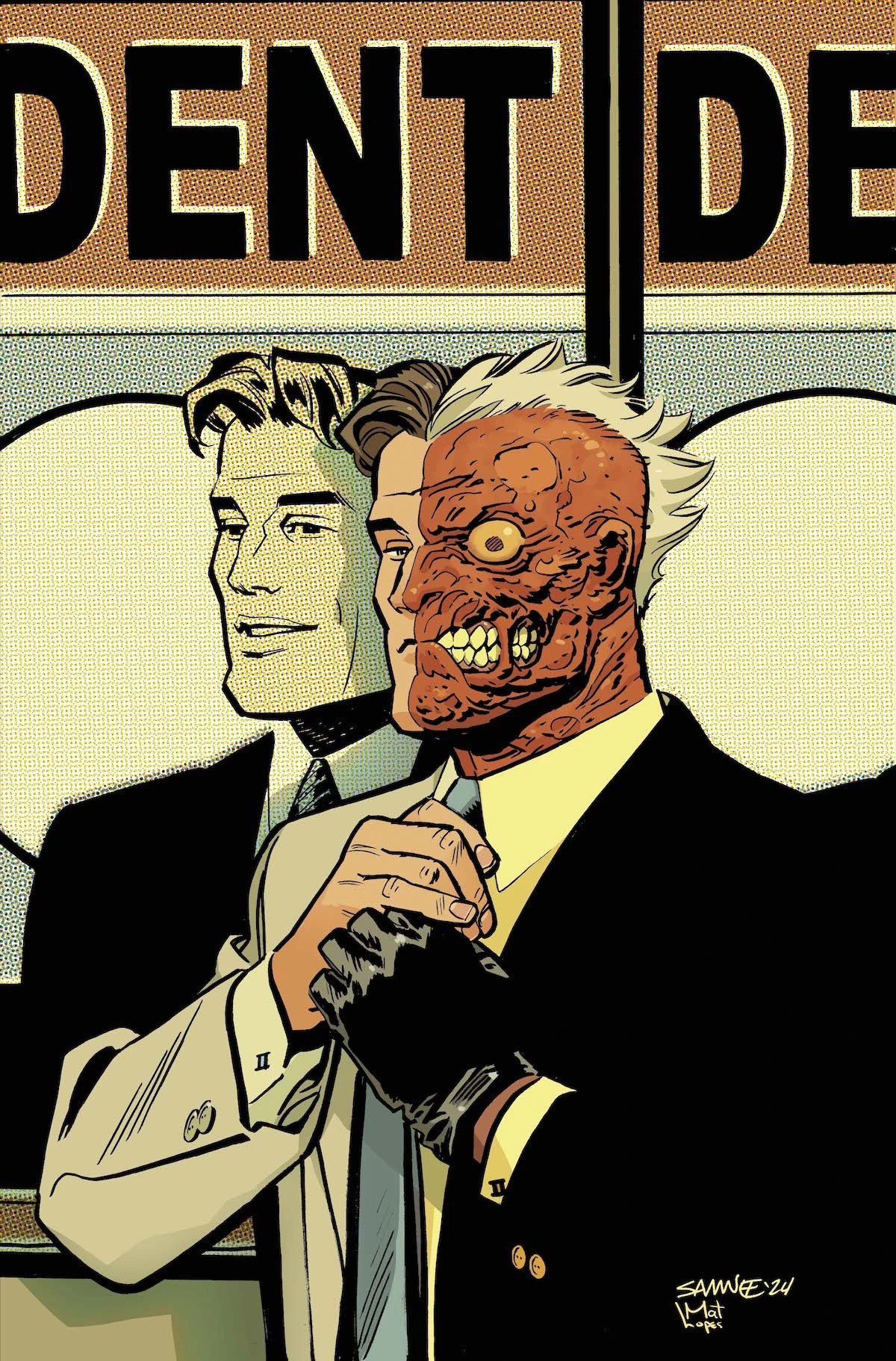
Harvey Dent was Gotham’s best hope for a clean city before acid and one unlucky trial ruined half his face and all of his certainty. Now a coin flip runs his life. It’s the most purely tragic origin in the rogues gallery, and writers keep coming back to it because it still works.
He ranks above villains with bigger body counts because his damage is personal. Every other name on this list is an external threat. Two-Face is a reminder of exactly how close Bruce’s own allies can come to the same fall.
Scarecrow won because he skipped the muscle entirely
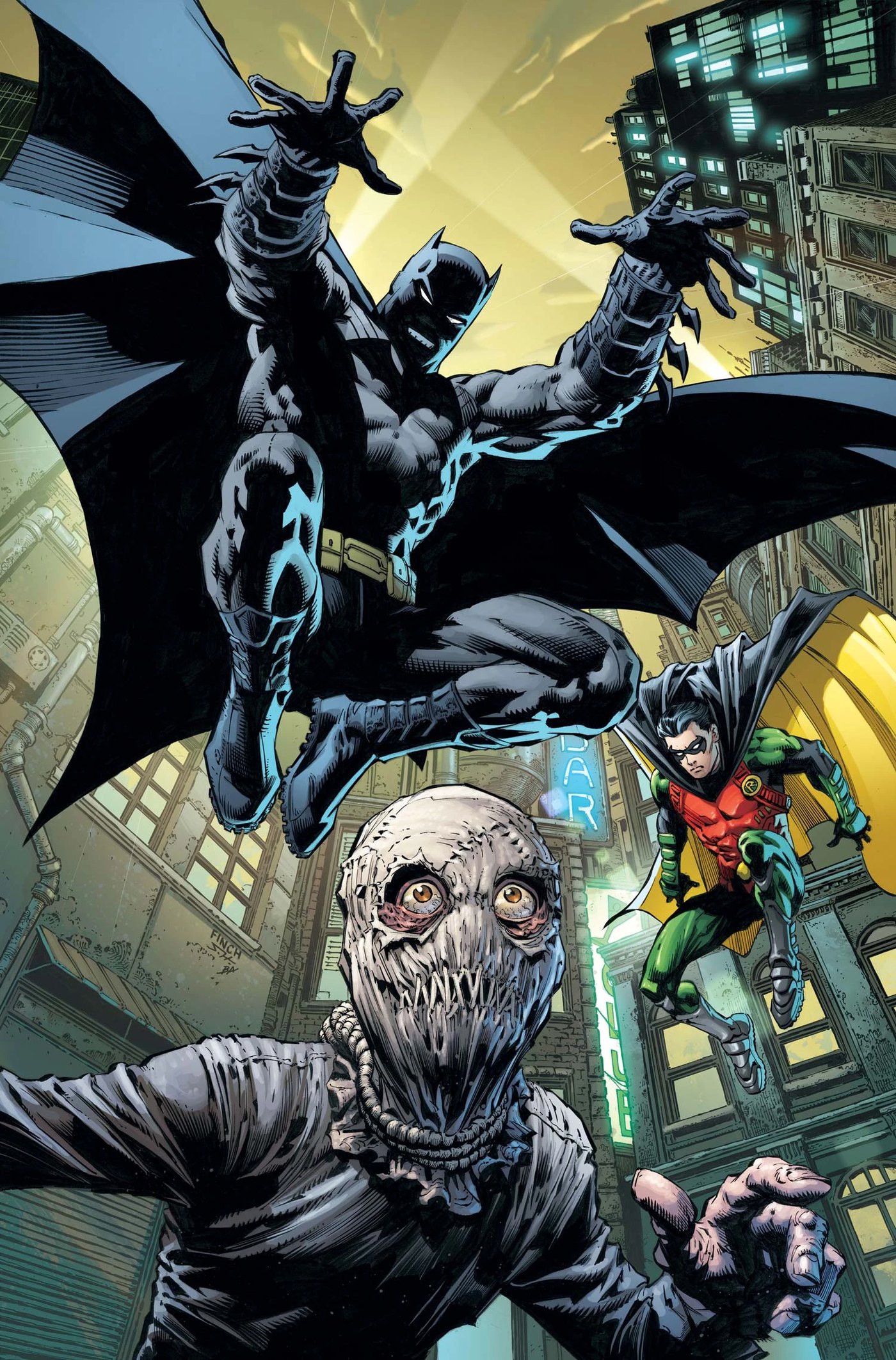
Jonathan Crane never throws a punch you’d remember. He doesn’t need to — his fear toxin turns your own head into the weapon, and it scales to whatever you’re personally most afraid of. That’s a smarter villain mechanic than half the guys ranked above him on raw menace alone.
He lands mid-list because the toxin is also his ceiling. Give a target immunity, a strong enough will, or the right antidote, and Scarecrow has nothing else in the tank.
Hush is the villain who read Bruce’s whole diary
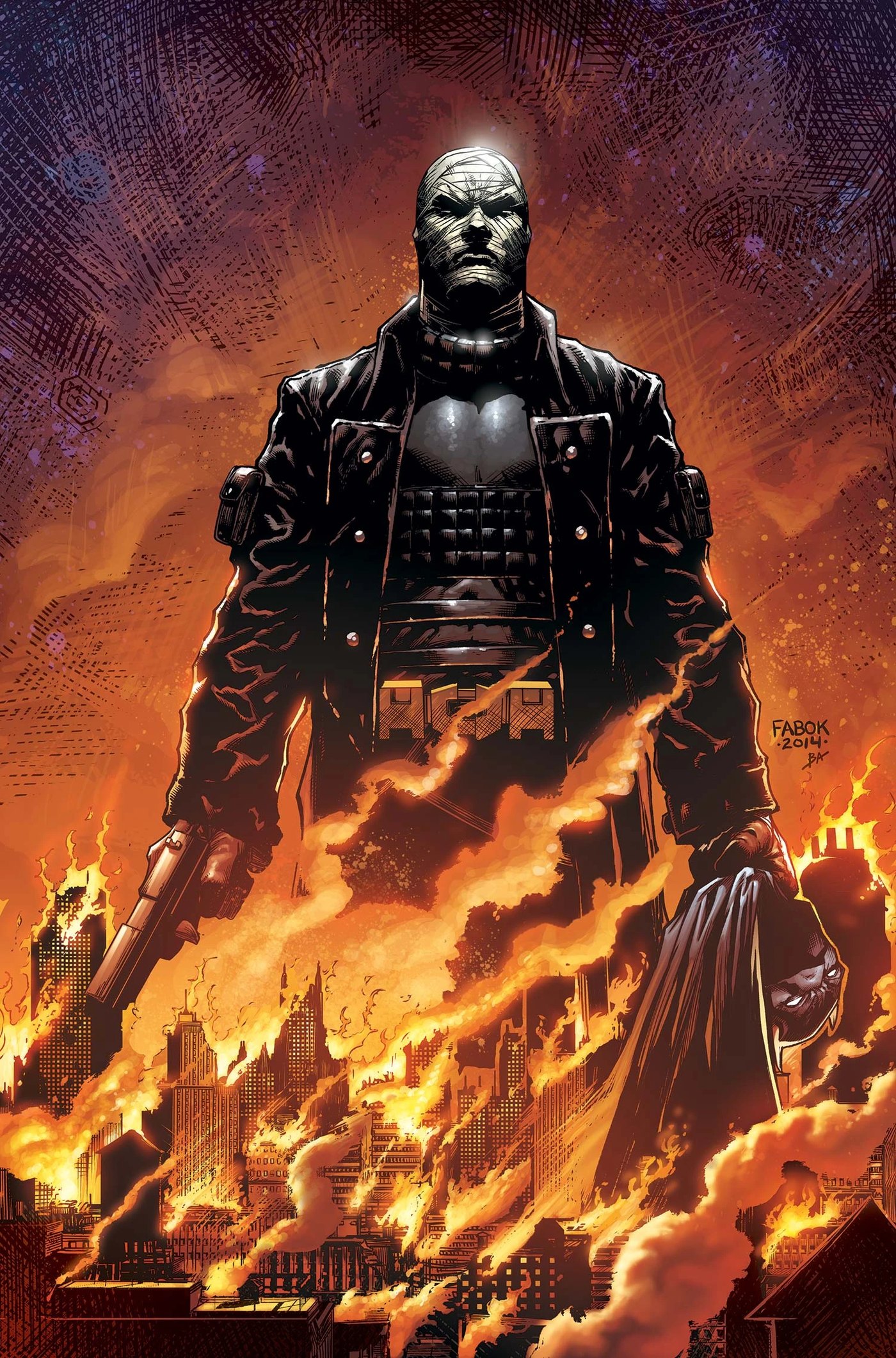
Thomas Elliot grew up next door to Bruce Wayne, trained as a surgeon, and spent years quietly assembling a plan built entirely out of things only a childhood friend would know. He’s the villain who doesn’t need to guess Batman’s identity, because he’s had it since they were kids.
He’s mid-pack because his whole gimmick depends on disguises and other villains’ tech to do the actual fighting. Brilliant as a schemer, unremarkable the moment the mask comes off.
The Court of Owls proved Gotham itself could be the villain
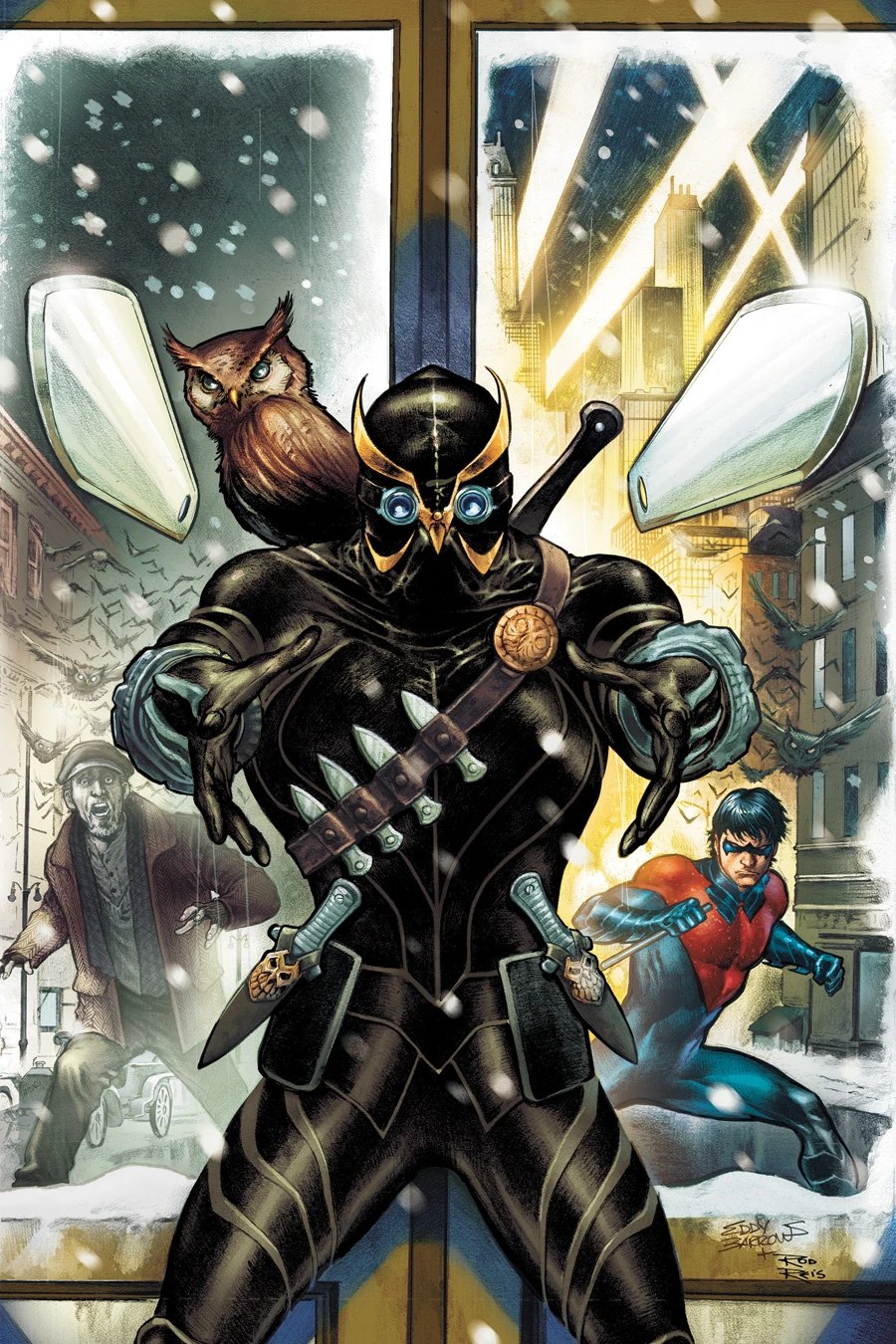
Before 2012’s “Night of the Owls,” Bruce Wayne genuinely believed he knew every shadow of his own city. The Court of Owls is a secret society that’s been running Gotham from underneath for centuries, and their Talons are reanimated assassins who don’t stay dead the way normal henchmen do. Read the wider list of Batman-family enemies on Wikipedia and you’ll see how rare it is for a modern addition to actually stick.
They rank this high for one reason: they’re the only entry on this list that made Bruce Wayne wrong about his own city, which is a scarier trick than another guy with a gimmick.
Penguin runs the underworld so nobody else has to
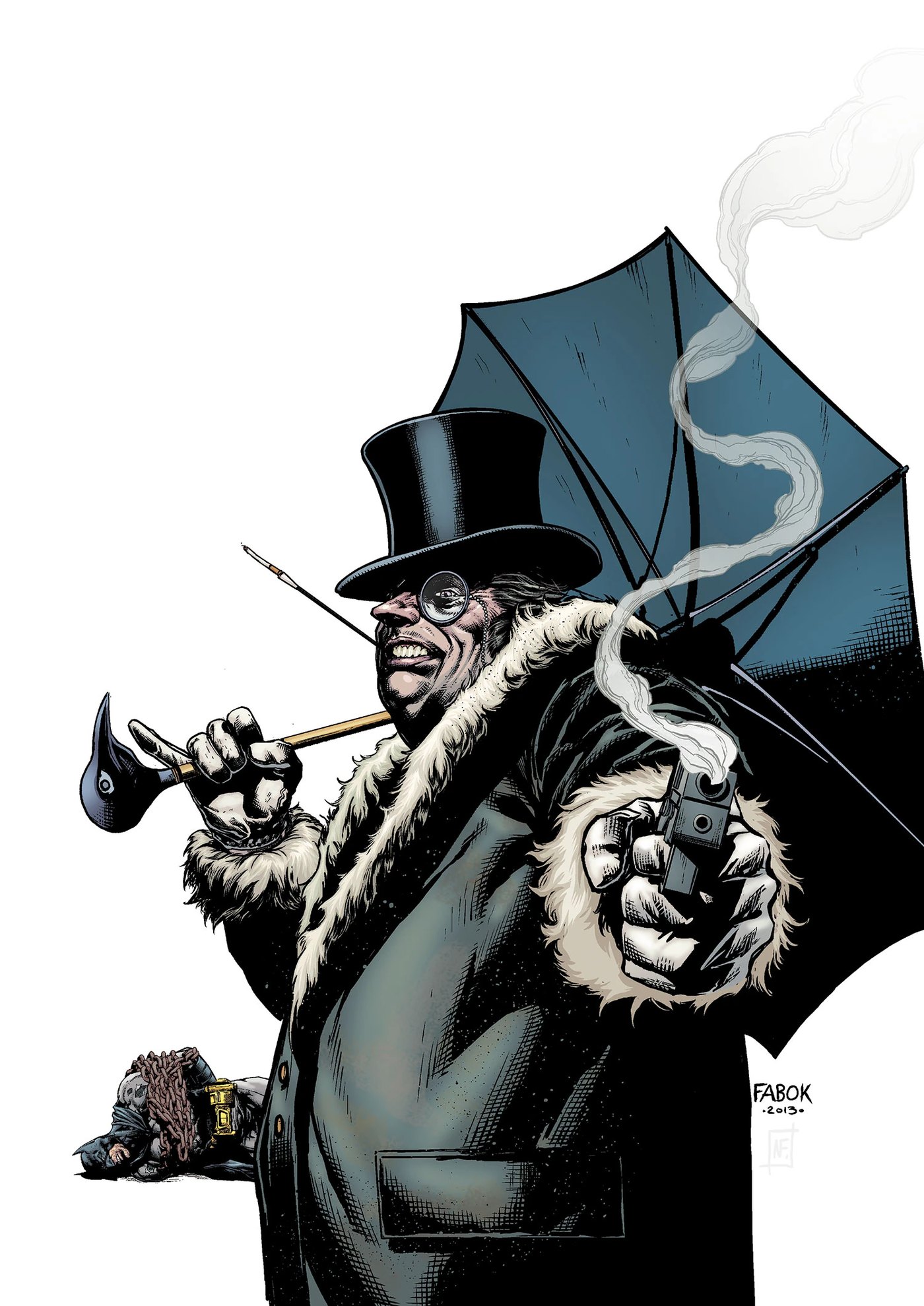
Oswald Cobblepot has no powers and no fear toxin. What he has is every gun, every favor, and every piece of dirty money in Gotham’s underworld running through the Iceberg Lounge. He’s the villain who makes every other villain’s plan possible by selling them the weapons.
He doesn’t rank higher because he’s rarely the actual threat in a story — he’s the guy the threat buys equipment from. Important, but one step removed from the danger himself.
Riddler is a genius who can’t help sabotaging himself
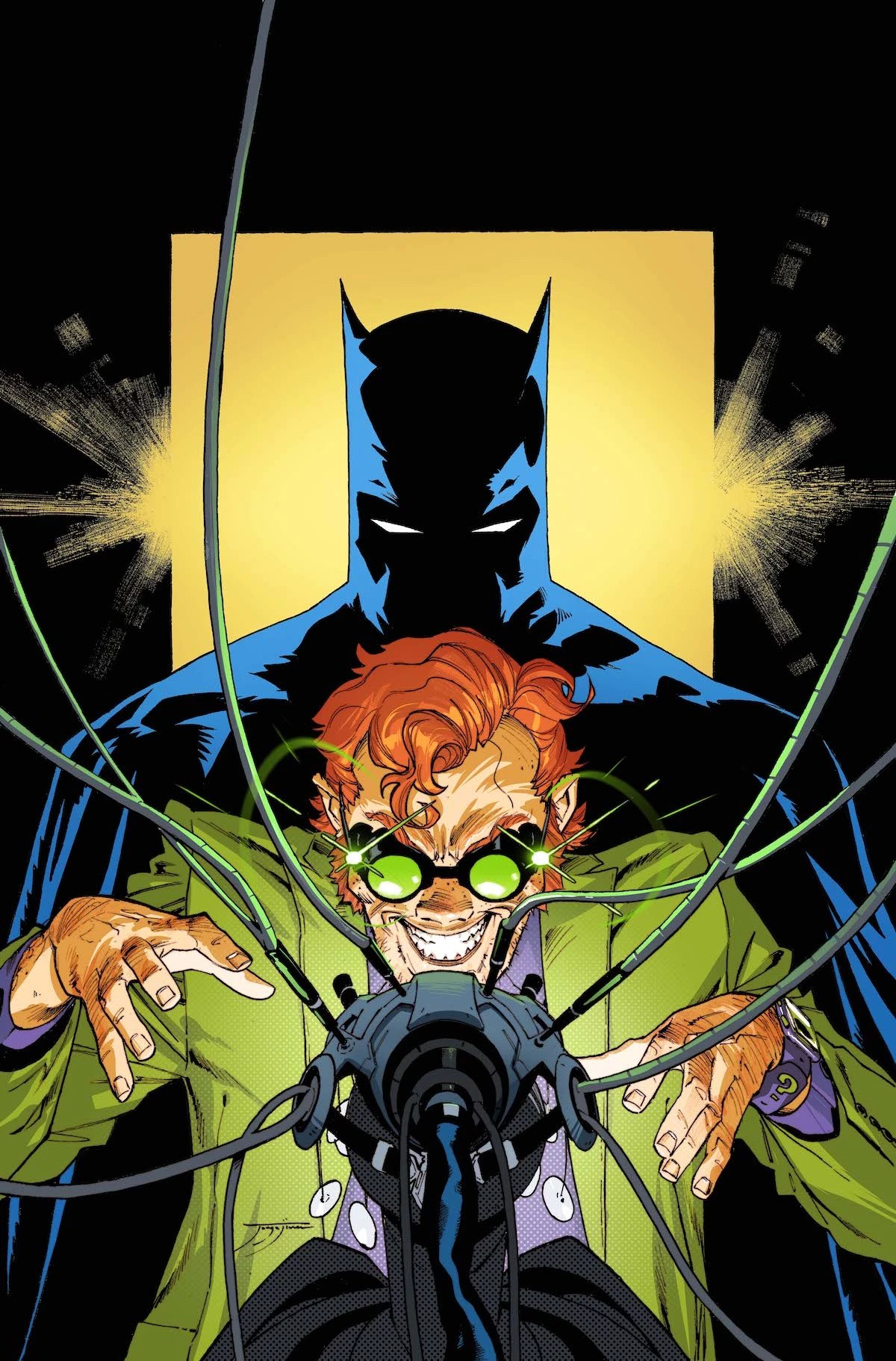
Edward Nygma is smart enough to out-plan Batman on a good day, and he still can’t resist leaving a clue. That compulsion is the whole character: a genius with a self-destruct button built into his own ego.
It’s a great hook for one story at a time, which is exactly why he sits in the middle of this ranking instead of the top five — the flaw that makes him interesting is the same one that keeps him from ever finishing the job.
Mr. Freeze turned grief into a weapon and never put it down
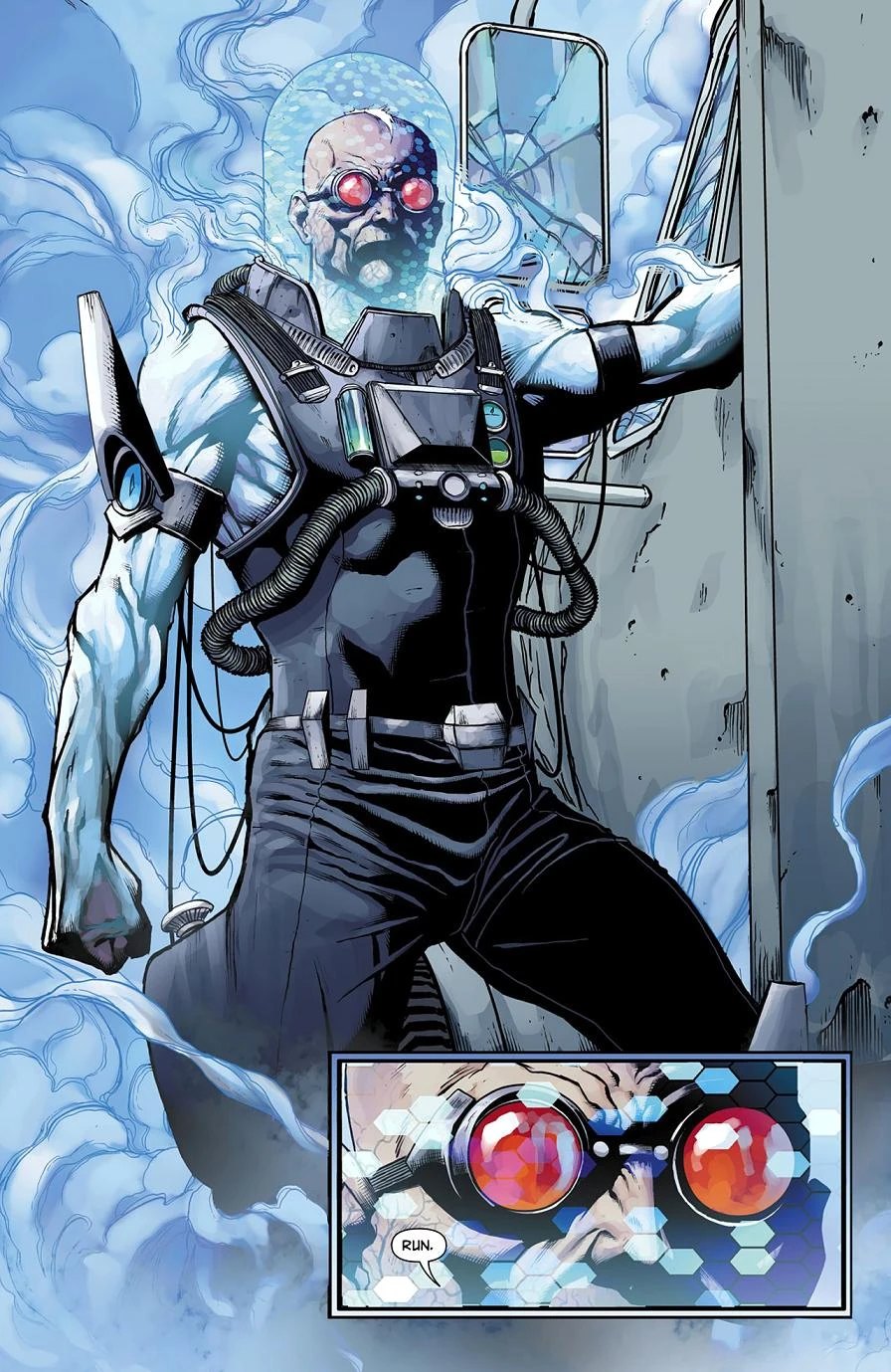
Victor Fries froze himself to survive the same condition killing his wife, Nora, and hasn’t been the same temperature since. “Heart of Ice,” the 1992 Batman: The Animated Series episode built around that backstory, is still the reason Freeze gets treated as tragic instead of just a guy with a cold gun.
He’s this far down the list because, stripped of the suit, he’s a scientist, not a fighter. The tragedy is the character. The threat level without his tech is genuinely low.
Harley Quinn outgrew the villain column entirely
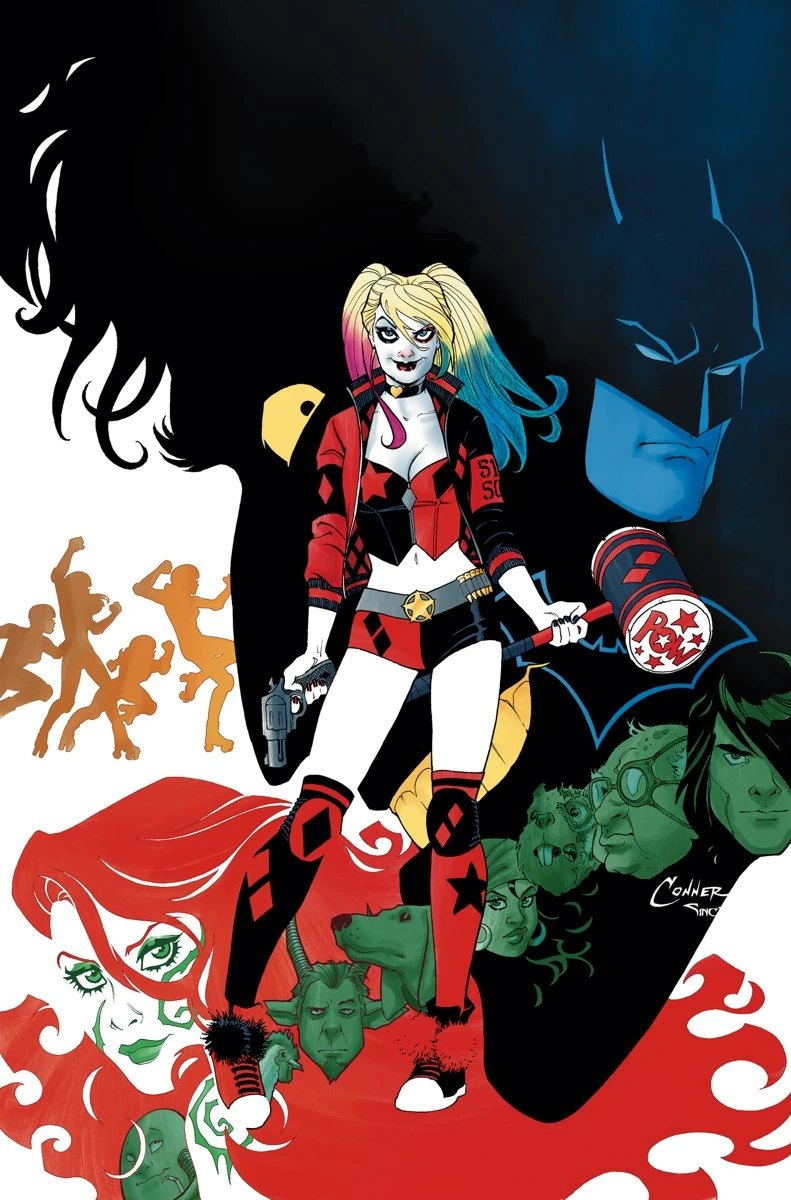
Harley started as a joke — literally, the Joker’s psychiatrist-turned-girlfriend, invented for Batman: The Animated Series and never meant to matter this much. She’s here because for decades she did real, serious damage as his enabler, not because of who she’s become since.
That’s also why she ranks lower than the pure villains above her: most of her modern stories are about leaving that life, not deepening it. If you want the full arc from Joker’s sidekick to her own book, we mapped the whole thing in our Harley Quinn watch guide.
Clayface is a stunt double with a body count
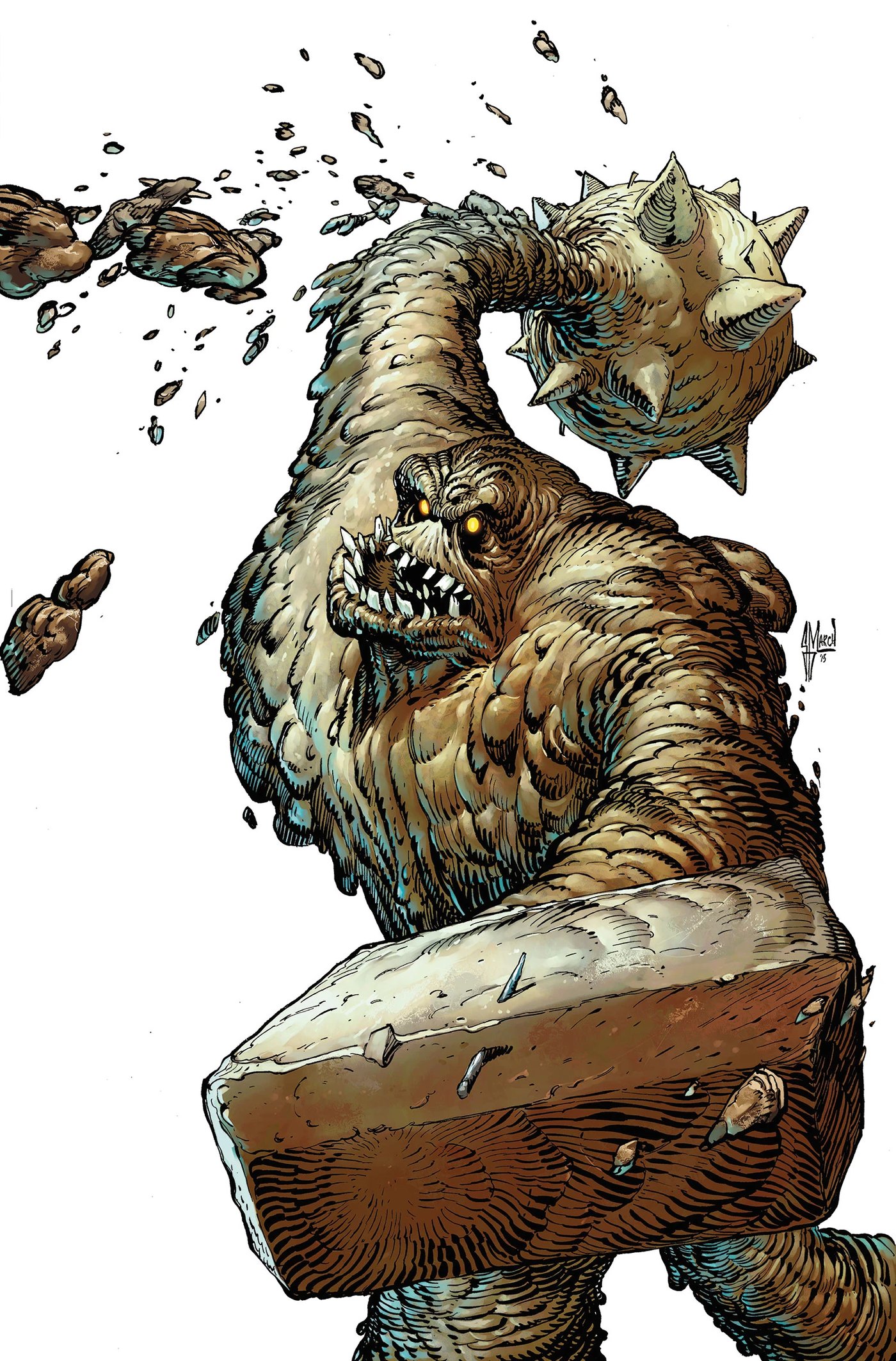
Basil Karlo was a working actor before a botched experiment turned him into living, shapeshifting clay. He can wear anyone’s face and anyone’s voice, which makes him one of the only villains who can infiltrate the Bat-family from the inside instead of attacking it from outside.
He sits near the bottom because that trick has a hard counter: enough heat or cold and his whole body destabilizes. A great one-story problem, not a long-term threat.
Black Mask is what happens with money and zero conscience
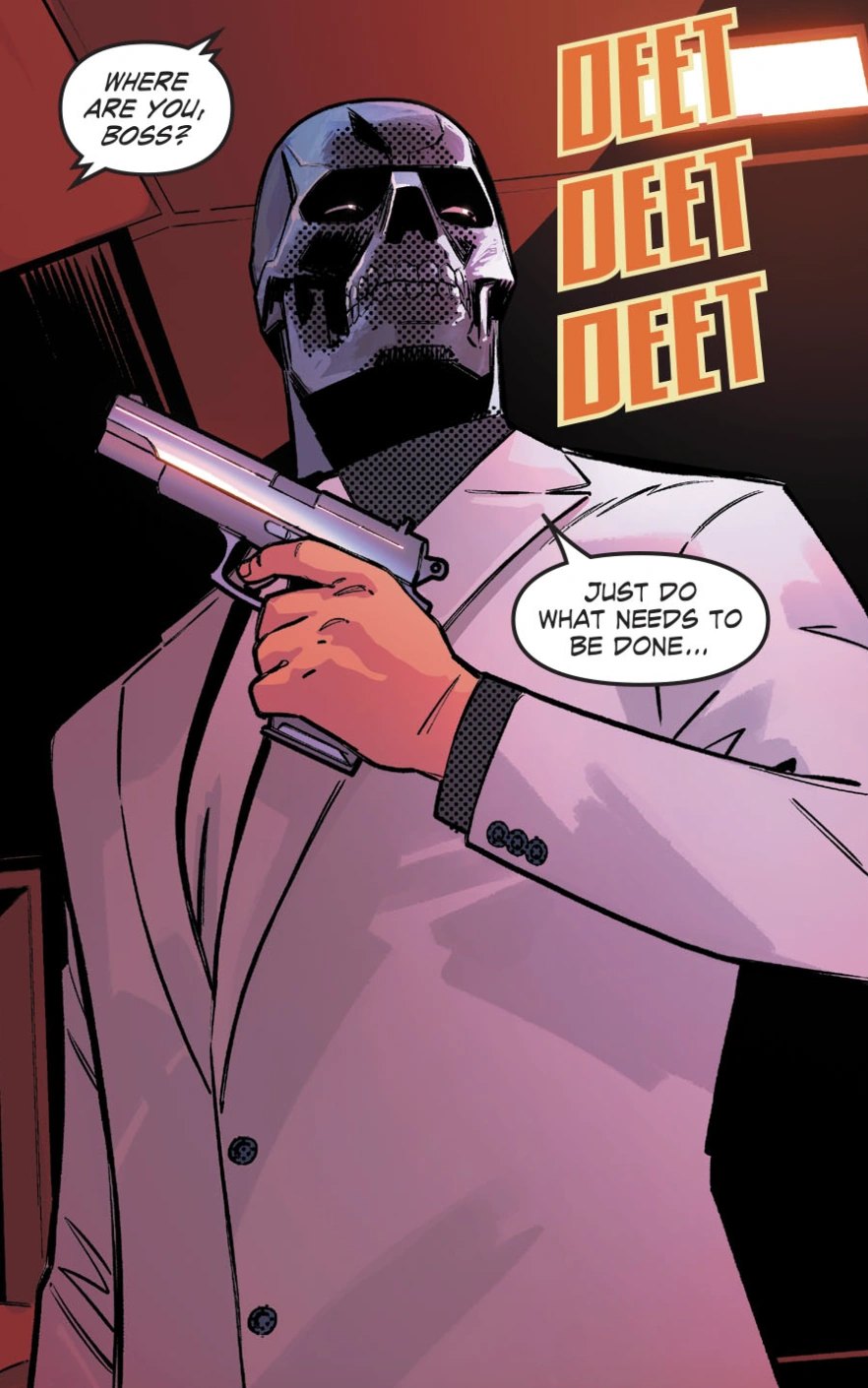
Roman Sionis inherited a fortune, lost it, and decided cruelty was a better business model than grief. He runs the False Face Society and treats torture as a management style. No tragic backstory redeems him and the comics don’t try to give him one.
He ranks here because he’s genuinely unpleasant but replaceable — swap him for any other rich sociopath with a gang and Gotham’s underworld barely notices the difference.
Poison Ivy closes the list because she’s not really fighting Batman
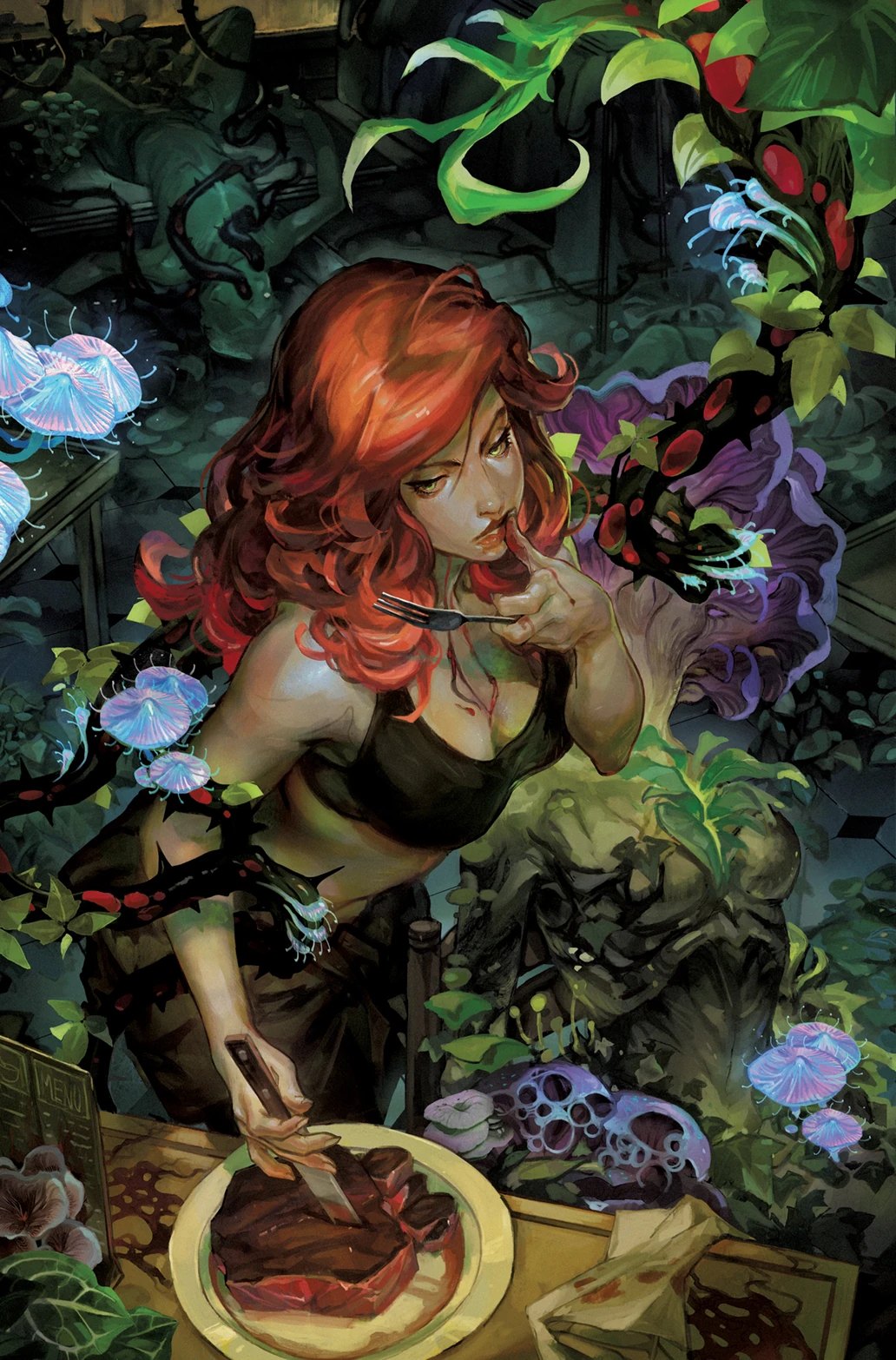
Pamela Isley’s real fight is with everyone who’s paved over something alive to build something profitable. Batman just happens to be standing in Gotham when that fight spills into the streets, which makes her one of the few names here with a genuine point buried in the villainy.
She’s last because Gotham is rarely her actual target. Fire and the right toxin counter her plant control fast, and most of her best stories end with a truce, not a body count.
How they stack up side by side
| Villain | Signature weakness | Best portrayal |
|---|---|---|
| Joker | No real weakness — pure obsession with Batman | Heath Ledger, The Dark Knight (2008) |
| Ra’s al Ghul | Depends on the Lazarus Pit to keep cheating death | Liam Neeson, Batman Begins (2005) |
| Bane | Needs Venom to match Batman physically | Tom Hardy, The Dark Knight Rises (2012) |
| Two-Face | Every decision runs through a coin flip | Aaron Eckhart, The Dark Knight (2008) |
| Scarecrow | Fear toxin fails against immunity or real willpower | Cillian Murphy, the Dark Knight trilogy |
| Hush | No powers once the disguises come off | Batman: Hush (2019 animated film) |
| Court of Owls | Talons can be permanently stopped, just rarely are | Batman vs. Robin (2015 animated film) |
| Penguin | No powers, relies entirely on hired muscle | Colin Farrell, The Batman (2022) / The Penguin (2024) |
| Riddler | Compulsion to leave clues gives away his plans | Paul Dano, The Batman (2022) |
| Mr. Freeze | Dies without his cryo-suit’s climate control | Batman: The Animated Series, “Heart of Ice” (1992) |
| Harley Quinn | Impulsive loyalty overrides self-preservation | Margot Robbie, Birds of Prey (2020) |
| Clayface | Extreme heat or cold destabilizes his form | Alan Tudyk, Harley Quinn animated series (2019–) |
| Black Mask | Fully human, no powers or resources beyond money | Ewan McGregor, Birds of Prey (2020) |
| Poison Ivy | Fire and the right chemical toxin counter her | Lake Bell, Harley Quinn animated series (2019–) |
Frequently Asked Questions
Who is the most dangerous Batman villain?
Joker, by the standard that matters most: unpredictability. He doesn’t need an army or a master plan, just one bad day and an opening, which makes him harder to defend against than villains with bigger resources.
Is Harley Quinn a villain or an antihero?
Both, depending on the era. She started as a straightforward villain enabling the Joker’s worst plans, which is why she’s ranked here, but most of her stories since the mid-2010s have repositioned her as an antihero leaving that life behind.
What is the Court of Owls?
A secret society in DC Comics that has secretly influenced Gotham City for centuries, introduced in the 2011-2012 “Court of Owls” storyline and expanded in 2012’s “Night of the Owls” crossover. Their enforcers, called Talons, are reanimated assassins who are extremely difficult to permanently kill.
Which Batman villain has appeared in the most stories?
Joker and Two-Face are the most consistently used across comics, film, and TV, but Ra’s al Ghul has the widest footprint outside Gotham specifically because the League of Assassins keeps crossing over into other DC titles.