The best DC TV shows are not the ones that adapted the comics most faithfully — they are the ones the comics ended up copying. Batman: The Animated Series, Watchmen and Peacemaker top this ranking because each one changed what DC is, rather than simply restaging it. Here are the 12 that matter most, ranked.
DC Television Keeps Writing Itself Into the Comics
DC television is not a downstream adaptation channel. It is a primary source of DC canon. Characters and origins invented for TV have repeatedly been absorbed into the comics as canon, which is close to the reverse of how superhero adaptation is normally described. That is the single strongest argument for taking DC’s TV output more seriously than its film output, and it is measurable.
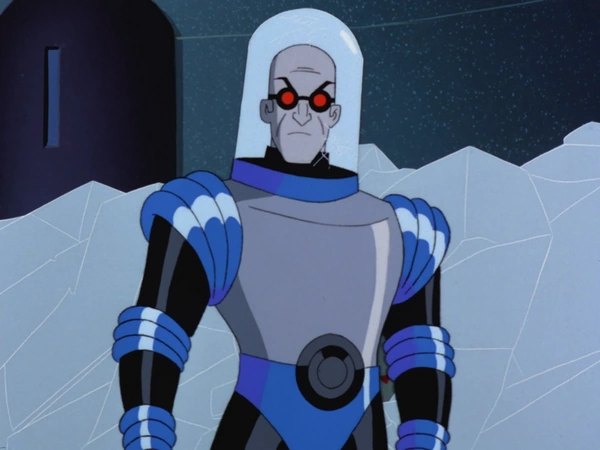
Harley Quinn was created for Batman: The Animated Series in 1992 and is now one of DC’s most valuable characters. Mister Freeze’s entire tragic reinvention — the dying wife, the cold suit, the grief — came from the episode “Heart of Ice,” which won Paul Dini the 1993 Daytime Emmy for Outstanding Writing in an Animated Program (Wikipedia) and was then written back into the comics. Livewire was invented for Superman: The Animated Series by Evan Dorkin and Sarah Dyer and entered mainstream continuity in Action Comics #835 in March 2006. Terry McGinnis, the Batman of Batman Beyond, entered mainstream DC continuity in The New 52: Futures End in 2014.
James Gunn’s DCU has now formalised what DC television had been doing informally for three decades. Creature Commandos, Peacemaker and Lanterns are canon-equal with the films rather than spin-offs from them. That is not a new idea at DC. It is an old habit finally written into the org chart.
The Best DC TV Shows, Ranked
| # | Show | Years | Home | The case |
|---|---|---|---|---|
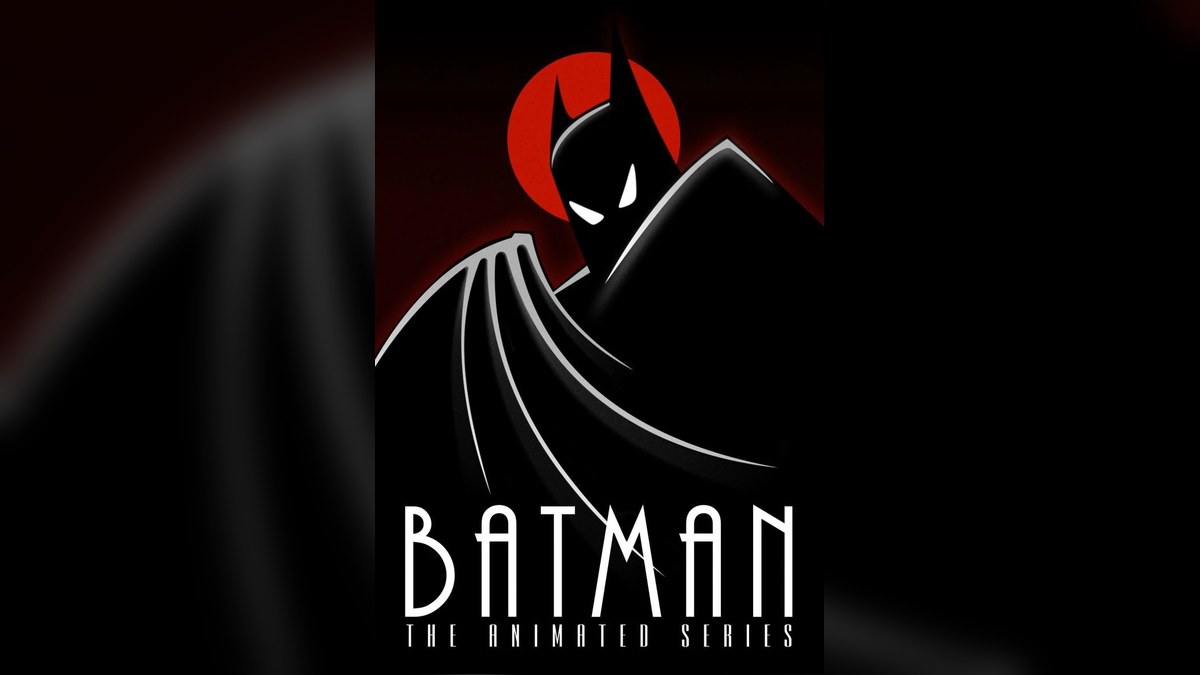
| 1 | Batman: The Animated Series | 1992–1995 | Fox Kids | Invented Harley Quinn and the modern Mister Freeze; still the definitive Batman. |
| 2 | Watchmen | 2019 | HBO | 11 Emmys from 26 nominations; the first comic-book adaptation to win a major Emmy category. |
| 3 | Justice League / Unlimited | 2001–2006 | Cartoon Network | Built a shared universe on television years before the films managed one. |
| 4 | Peacemaker | 2022–present | HBO Max | 94% on Rotten Tomatoes for season 2; the DCU’s critical high-water mark. |
| 5 | Batman Beyond | 1999–2001 | Kids’ WB | A genuine new Batman who survived into main comics continuity. |
| 6 | Harley Quinn | 2019–present | DC Universe / HBO Max | The rare adult animated comedy that deepens its characters instead of mocking them. |
| 7 | Superman: The Animated Series | 1996–2000 | Kids’ WB | The best sustained take on Superman in any medium since the Fleischer shorts. |
| 8 | Young Justice | 2010–2022 | Cartoon Network / HBO Max | Serialised teen-hero storytelling with an unusually adult grasp of consequence. |
| 9 | Doom Patrol | 2019–2023 | DC Universe / HBO Max | The strangest DC show ever greenlit, and the most emotionally honest. |
| 10 | Superman & Lois | 2021–2024 | The CW | Reframed Superman as a father; the best live-action Clark Kent to date. |
| 11 | Smallville | 2001–2011 | The WB / The CW | Ten seasons that proved a DC show could carry a network. |
| 12 | The Flash | 2014–2023 | The CW | Anchored the Arrowverse and made multiversal crossovers a TV format. |
1. Batman: The Animated Series (1992–1995)
No other DC show has changed the source material this much. Bruce Timm and Eric Radomski’s “dark deco” Gotham gave the character a coherent visual world, Kevin Conroy and Mark Hamill defined two voices that every subsequent production has been measured against, and the writing room produced two permanent additions to DC canon in its first season alone. “Heart of Ice” aired on September 7, 1992, was written by Paul Dini and directed by Bruce Timm, and turned a disposable gimmick villain into a tragedy that the comics adopted wholesale. Harley Quinn arrived the same season as a one-off henchwoman.
The ranking is not nostalgia. It is the only DC show whose inventions became load-bearing parts of the publisher’s business.
2. Watchmen (2019)
Damon Lindelof’s sequel-not-adaptation won 11 Emmys from 26 nominations at the 72nd Primetime Emmy Awards in September 2020, including Outstanding Limited Series, Regina King for Lead Actress and Yahya Abdul-Mateen II for Supporting Actor (72nd Primetime Emmy Awards). It was the most-awarded programme of that year and the first comic-book adaptation to take a major Emmy category.
It ranks second rather than first only because it is a closed nine-hour statement rather than a world DC kept building in. What it proved is more valuable than what it added: that a comic-book property could win the industry’s most prestigious category outright, on its own terms, without softening its politics.
3. Justice League and Justice League Unlimited (2001–2006)
Justice League Unlimited was running a shared universe with dozens of interlocking characters, a season-long conspiracy arc and real continuity consequences years before cinema attempted the same trick. Its Cadmus arc — in which the American government reasonably concludes that seven unaccountable superhumans are a security threat — remains the most intelligent thing DC has put on screen about what its heroes actually are.
4. Peacemaker (2022–present)
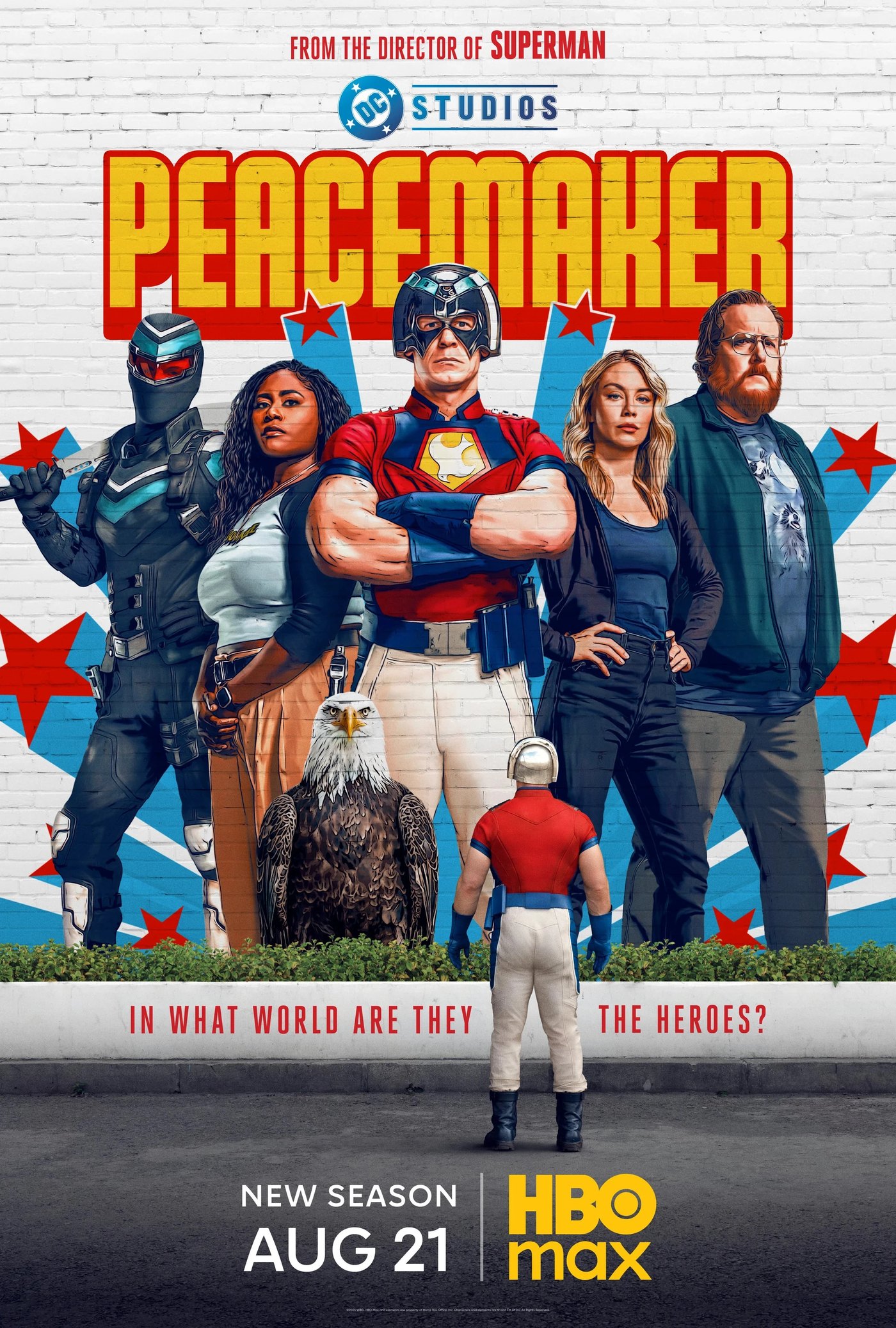
Season 2 holds a 94% Tomatometer score from 148 reviews (Rotten Tomatoes), and briefly stood as the highest-rated DC project on the site after opening at 100%. More importantly it is the show that established the shape of the new DCU: television carrying canon rather than servicing it. James Gunn has been explicit that season 2’s events are fully canon.
It also does something DC has historically been bad at — it is genuinely funny without treating its own premise as a joke. The parental-abuse throughline underneath the vulgarity is the reason it outranks better-looking DC shows.
5. Batman Beyond (1999–2001)
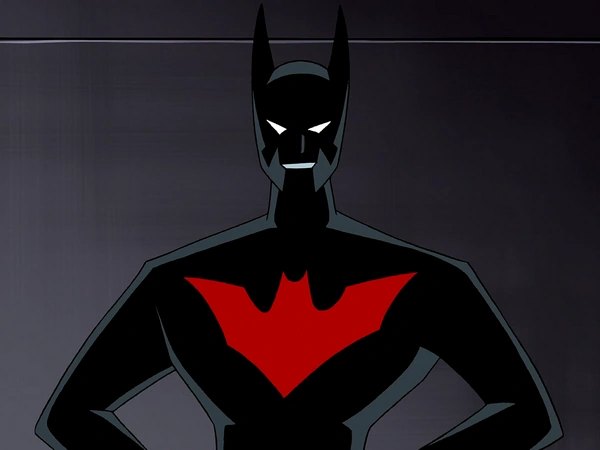
Handing the cowl to a teenager in a neon future should have been a cash-in. Instead Batman Beyond produced the most complete portrait of Bruce Wayne’s old age in any medium, and a successor durable enough that Terry McGinnis entered mainstream DC continuity in The New 52: Futures End in 2014 and has held a comics presence since.
6. Harley Quinn (2019–present)
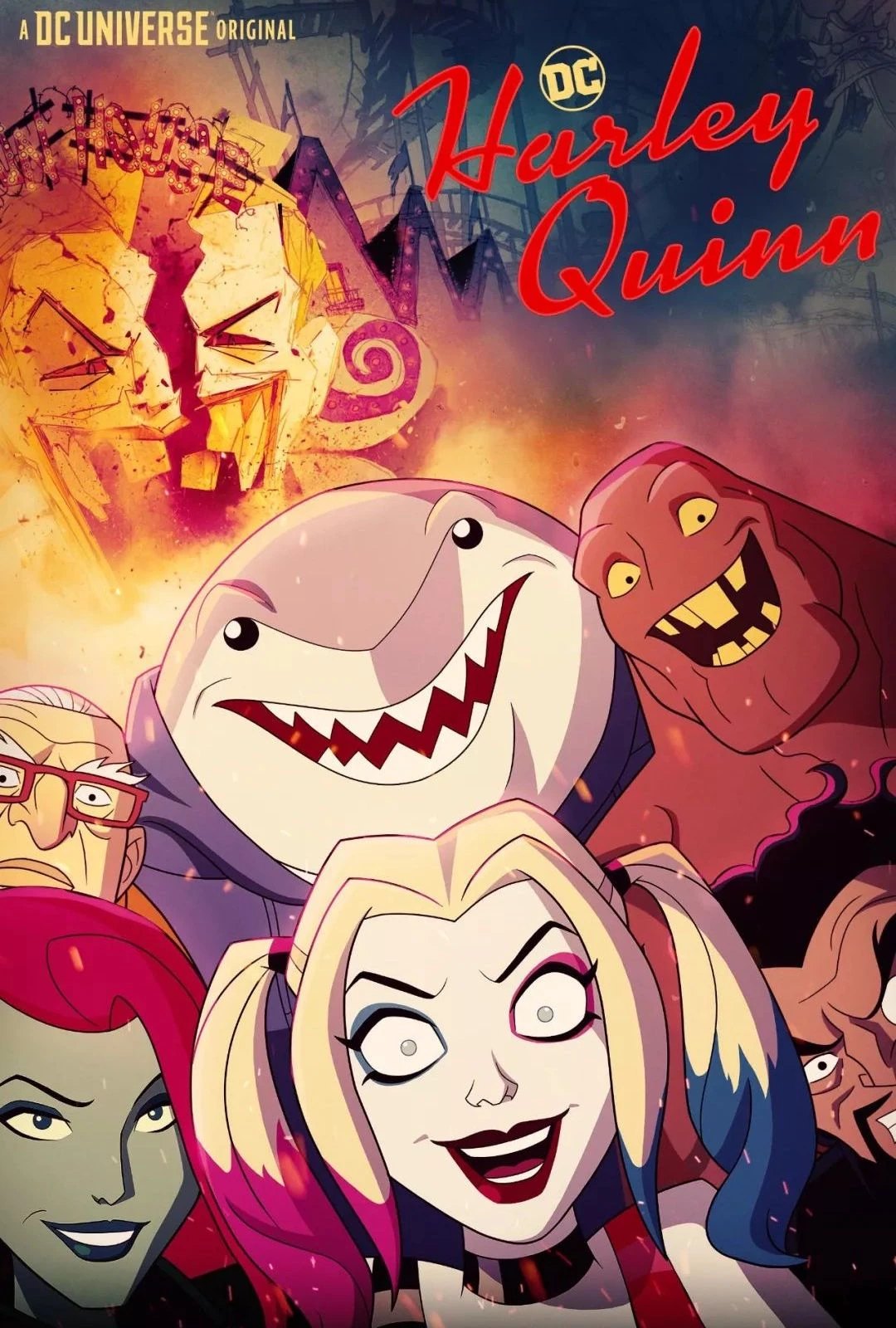
The character DC television invented came back to television and got the best version of herself. The series’ real achievement is structural: it took Harley out of the Joker’s orbit permanently and built a functioning ensemble around her. The comics have moved in the same direction over the same years — we are not claiming the show caused it — but the series is where the Harley-and-Ivy relationship got its most sustained treatment, and it is crude in service of that arc rather than at its expense.
7–12: The Rest of the Top Twelve
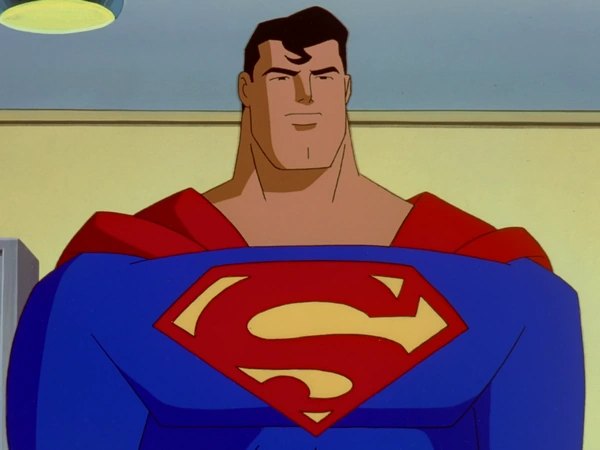
Superman: The Animated Series (1996–2000) is the most underrated show on this list, largely because it followed a masterpiece. It gave Superman a Metropolis with texture, a genuinely menacing Lex Luthor, and Livewire — who reached the comics a decade later.
Young Justice (2010–2022) is the most narratively ambitious DC cartoon ever made, tracking a cast across years of in-universe time and refusing to reset them. Doom Patrol (2019–2023) is the outlier — a show about trauma that happens to contain a sentient street, and the only DC series that ever felt genuinely unpredictable.
Superman & Lois (2021–2024) is the best live-action Clark Kent, precisely because it asked what the character is like when the stakes are domestic. Smallville (2001–2011) ran ten seasons and proved a DC property could sustain a network, even if its refusal to let Clark fly became a running joke. The Flash (2014–2023) anchored the Arrowverse and turned the multiversal crossover into a repeatable television format — an idea the films are still borrowing.
Too Early to Rank: Lanterns
Lanterns premiered on HBO and HBO Max on August 16, 2026 and is still airing weekly at the time of writing, with its first season running into October. It is the most ambitious swing DC television has taken in years — a prestige detective drama built on Hal Jordan and John Stewart, sharing canon with the DCU films. It is deliberately excluded from the ranking above because an unfinished first season cannot be measured against completed runs. We are covering it weekly: see the Lanterns episode schedule and where to watch Lanterns, and our ranking of the strongest Green Lanterns for the comics background.
For the source material behind all of this, see our picks for the best DC comics and the most powerful DC villains.
Frequently Asked Questions
What is the best DC TV show of all time?
Batman: The Animated Series (1992–1995). It is the only DC show whose inventions became permanent canon: Harley Quinn was created for it, and the Mister Freeze origin from “Heart of Ice” was adopted by the comics. That episode won the 1993 Daytime Emmy for Outstanding Writing in an Animated Program.
Which DC show has won the most awards?
Watchmen (HBO, 2019). It won 11 Emmys from 26 nominations at the 72nd Primetime Emmy Awards in September 2020, including Outstanding Limited Series, and was the most-awarded programme of that year.
Are DC TV shows canon in the DCU?
Some are. Under James Gunn and Peter Safran, Creature Commandos, Peacemaker season 2 and Lanterns are canon-equal with the DCU films rather than spin-offs. Older shows — the Arrowverse, Smallville, the DC Animated Universe — sit in their own separate continuities.
Which DC characters were created for television?
Harley Quinn and the modern Mister Freeze origin both came from Batman: The Animated Series in 1992. Livewire was created for Superman: The Animated Series and entered comics continuity in Action Comics #835 in March 2006. Terry McGinnis of Batman Beyond entered mainstream continuity in The New 52: Futures End in 2014.
Where can I watch these DC shows?
Most of the animated catalogue and all of the HBO originals sit on HBO Max, though availability moves between regions and rotates. The CW-era live-action shows have shifted between services repeatedly. Verified August 30, 2026 — check current listings before subscribing.
Last updated: August 30, 2026.