Quick TakeArticle at a glance
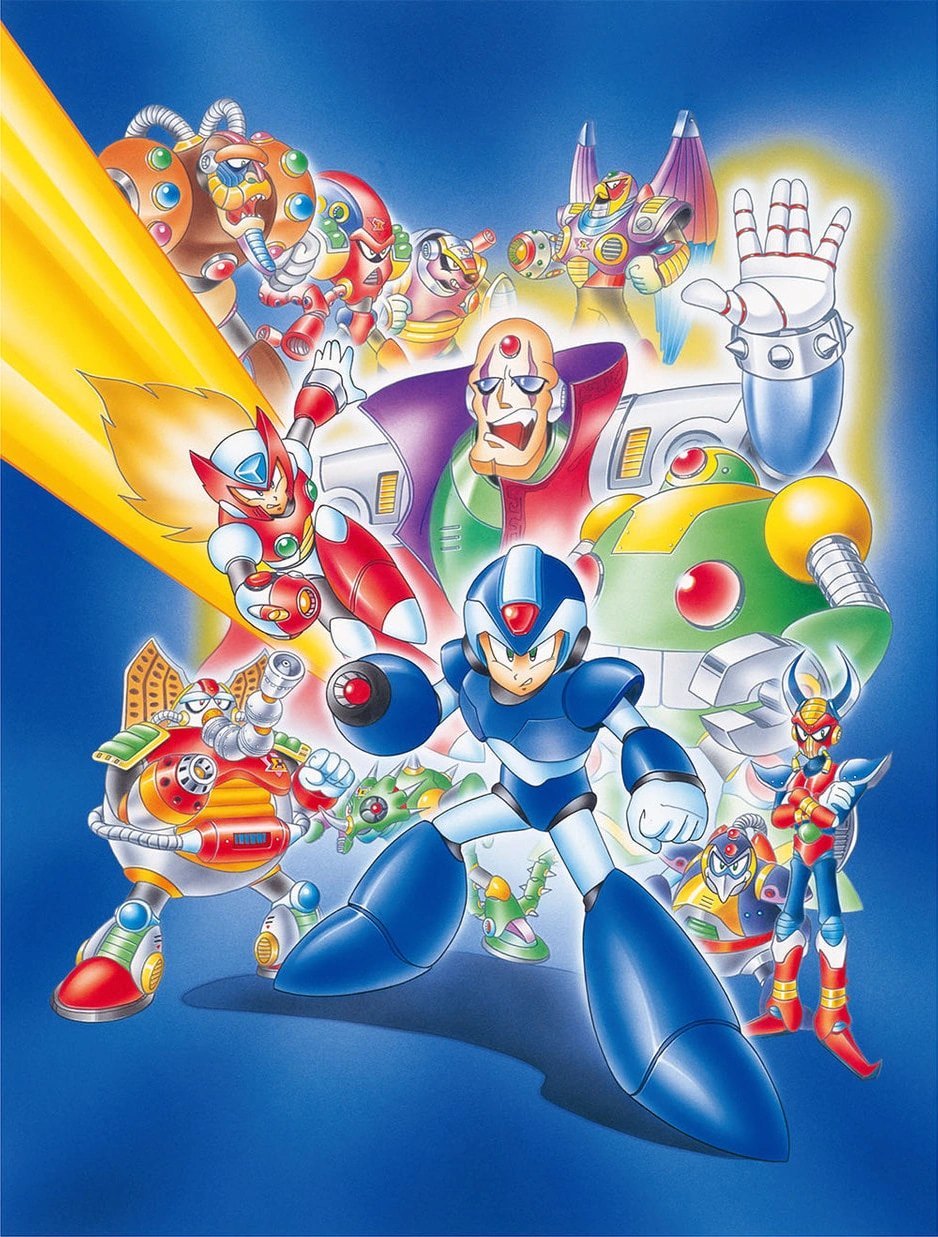
- The best Mega Man games are led by Mega Man X (1994), whose dash-and-wall-jump reinvention of the NES formula still shapes 2D action platformers today, though Mega Man 2's soundtrack and Mega Man 11's Double Gear System both have real claims to the top spot.
- With Mega Man: Dual Override revealed at Tokyo Game Show 2026 for a Spring 2027 launch, now is a good time to catch up on the games that actually earned the Blue Bomber his 40-year run.
- Mega Man V is the best of the four Game Boy spin-offs, built as an original story rather than a portable rehash of an NES game.
The best Mega Man games are led by Mega Man X (1994), whose dash-and-wall-jump reinvention of the NES formula still shapes 2D action platformers today, though Mega Man 2’s soundtrack and Mega Man 11’s Double Gear System both have real claims to the top spot. Here are the eight best entries, ranked, as of September 2026.
With Mega Man: Dual Override revealed at Tokyo Game Show 2026 for a Spring 2027 launch, now is a good time to catch up on the games that actually earned the Blue Bomber his 40-year run. RetroDodo and Nintendo Life both put Mega Man X on top for the same reason we do, and this list leans on that same critical consensus rather than nostalgia alone. It spans the classic series, the X series, and the PS1 detour that took Mega Man 3D.
The Ranking at a Glance
| # | Game | Year | Why It Matters |
|---|---|---|---|
| 8 | Mega Man V (Game Boy) | 1994 | Best of the handheld spin-offs; introduced the transforming cat Tango |
| 7 | Mega Man Legends | 1997 | The franchise’s first 3D adventure, trading platforming for exploration |
| 6 | Mega Man Zero 3 | 2004 | The high point of the GBA’s darker, faster spin-off series |
| 5 | Mega Man X4 | 1997 | First X game to let you play as Zero from the start |
| 4 | Mega Man 11 | 2018 | The Double Gear System and the franchise’s best-selling single entry |
| 3 | Mega Man 7 | 1995 | The classic series’ 16-bit debut, with a boss designed by contest winners |
| 2 | Mega Man 2 | 1988 | The soundtrack and boss lineup that saved the franchise |
| 1 | Mega Man X | 1994 | Reinvented the formula with dashing, wall-jumping and armor upgrades |
8. Mega Man V (Game Boy, 1994)
Mega Man V is the best of the four Game Boy spin-offs, built as an original story rather than a portable rehash of an NES game. It introduced Tango, the transforming robot cat, and gave the handheld series its most confident boss design yet. It’s a lesser-known entry, but one worth tracking down for anyone who has already cleared the mainline games.
7. Mega Man Legends (1997)
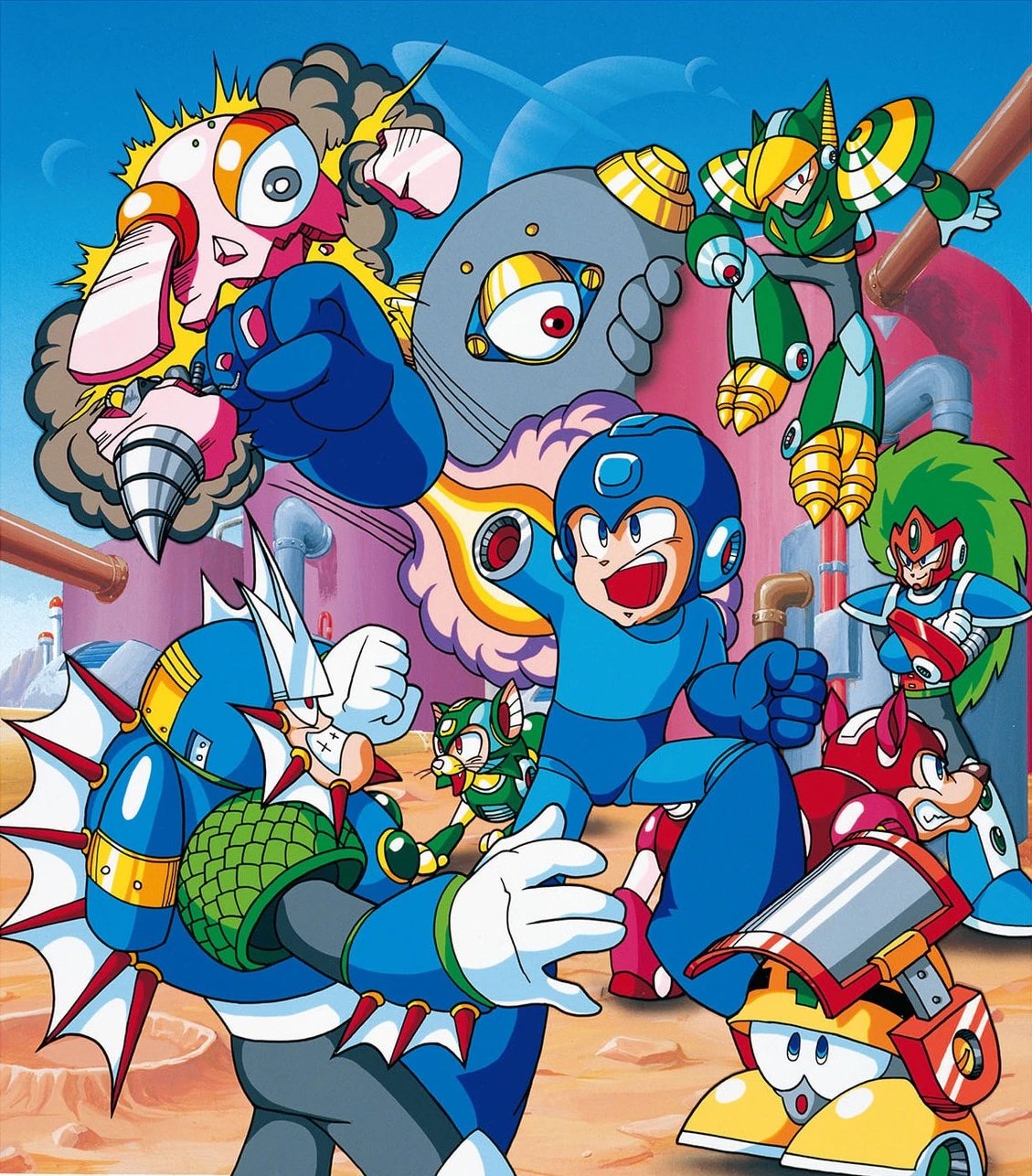
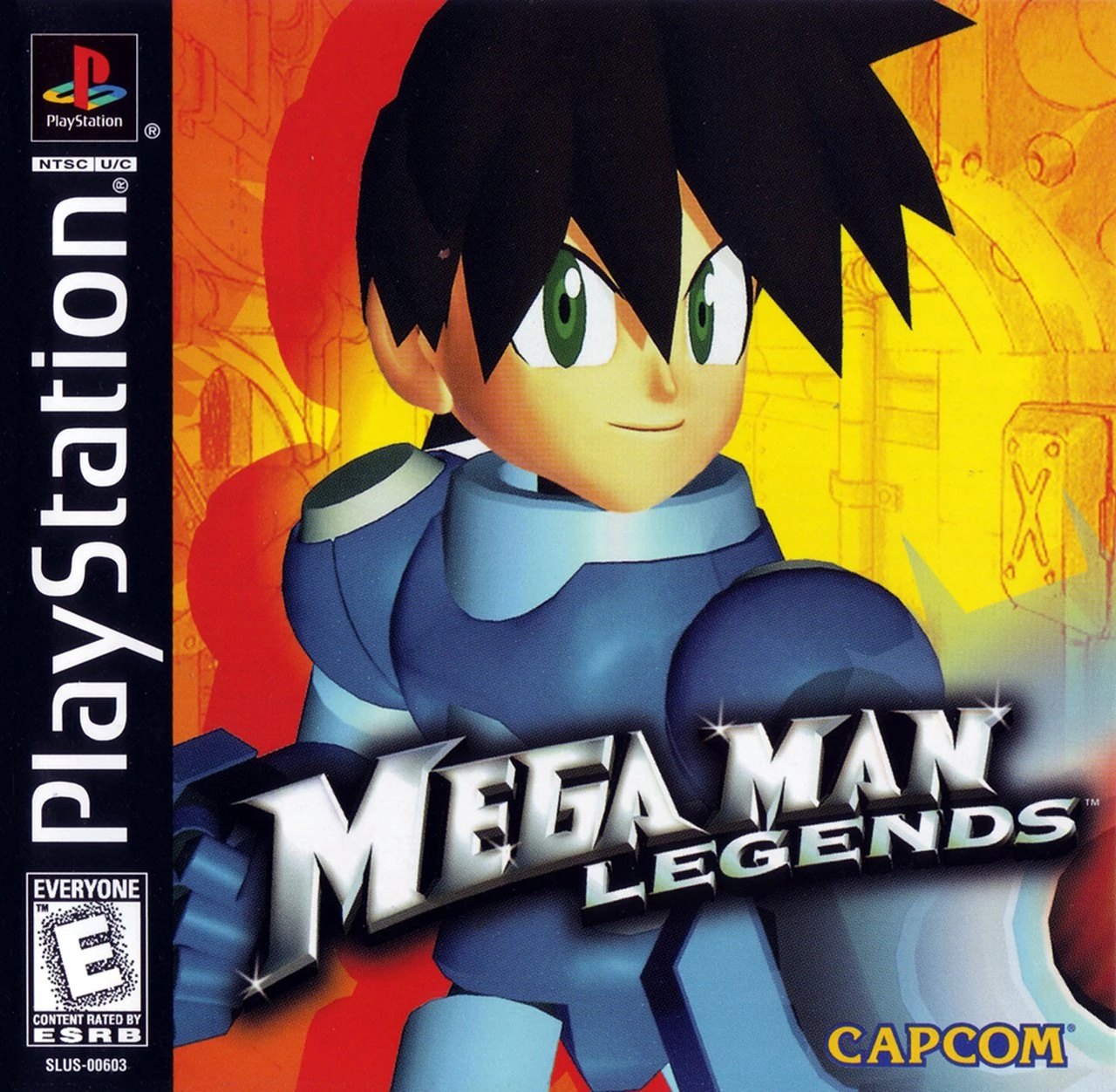
Mega Man Legends, sometimes called Mega Man 64 after its Nintendo 64 port, swapped run-and-gun platforming for open exploration, voice acting and a treasure-hunting story starring Mega Man Volnutt. It’s the biggest structural risk the series ever took, and it mostly paid off; the two sequels it spawned still have a dedicated following pushing Capcom for a proper remaster.
6. Mega Man Zero 3 (2004)
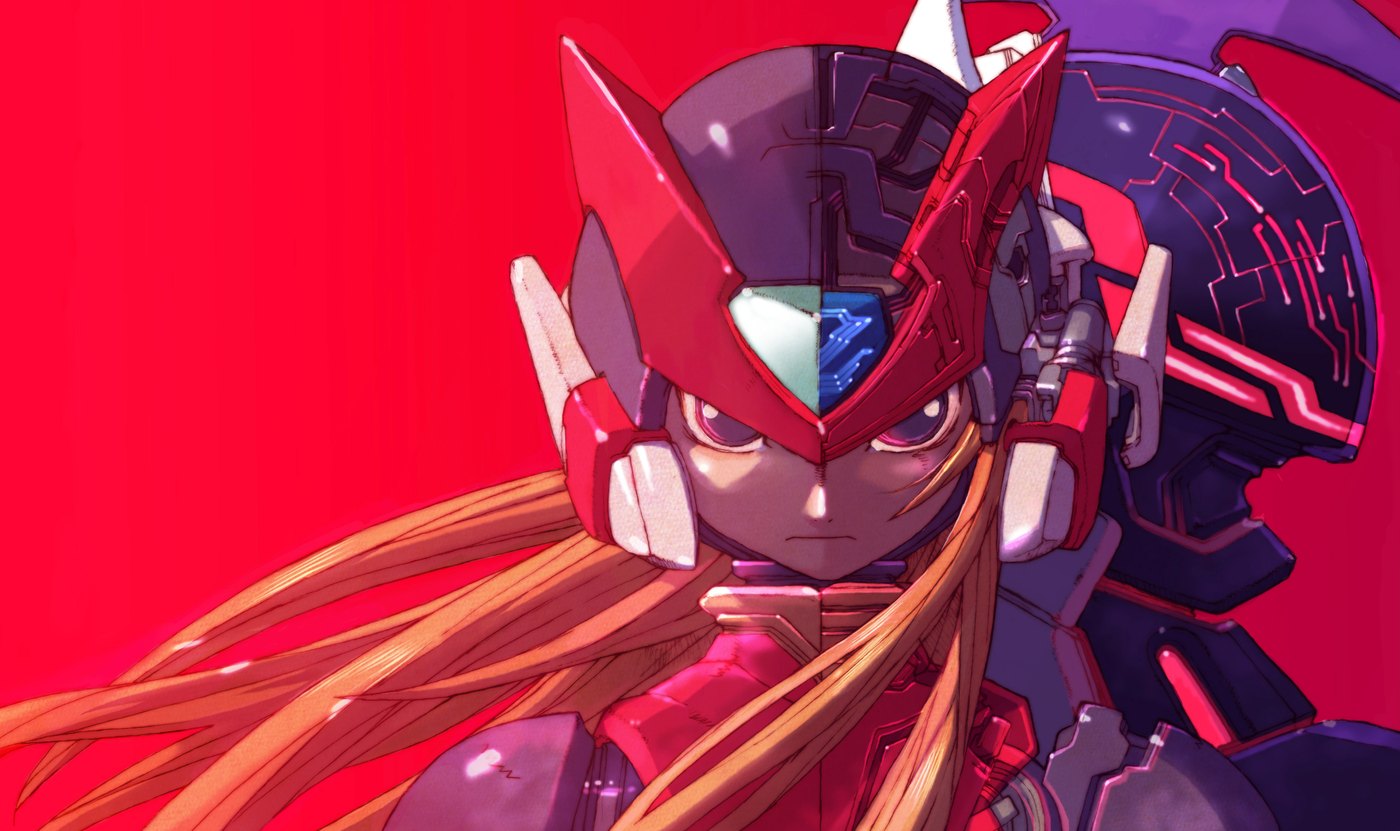
The Zero series moved the franchise into darker, faster territory on the Game Boy Advance, and Mega Man Zero 3 is where it peaked: tighter level design, a stronger cast around Zero and Ciel, and a difficulty curve that rewards mastering the series’ Cyber-elf and ranking systems instead of just grinding through it.
5. Mega Man X4 (1997)
Mega Man X4 is the first X game to let you choose Zero as a fully playable character from the start, not just a scripted ally, and his melee-focused Z-Saber kit plays nothing like X’s Buster-first arsenal. That split-identity design, two heroes with genuinely different combat styles sharing one campaign, is exactly the idea Capcom is revisiting with Proto Man in Mega Man: Dual Override almost 30 years later.
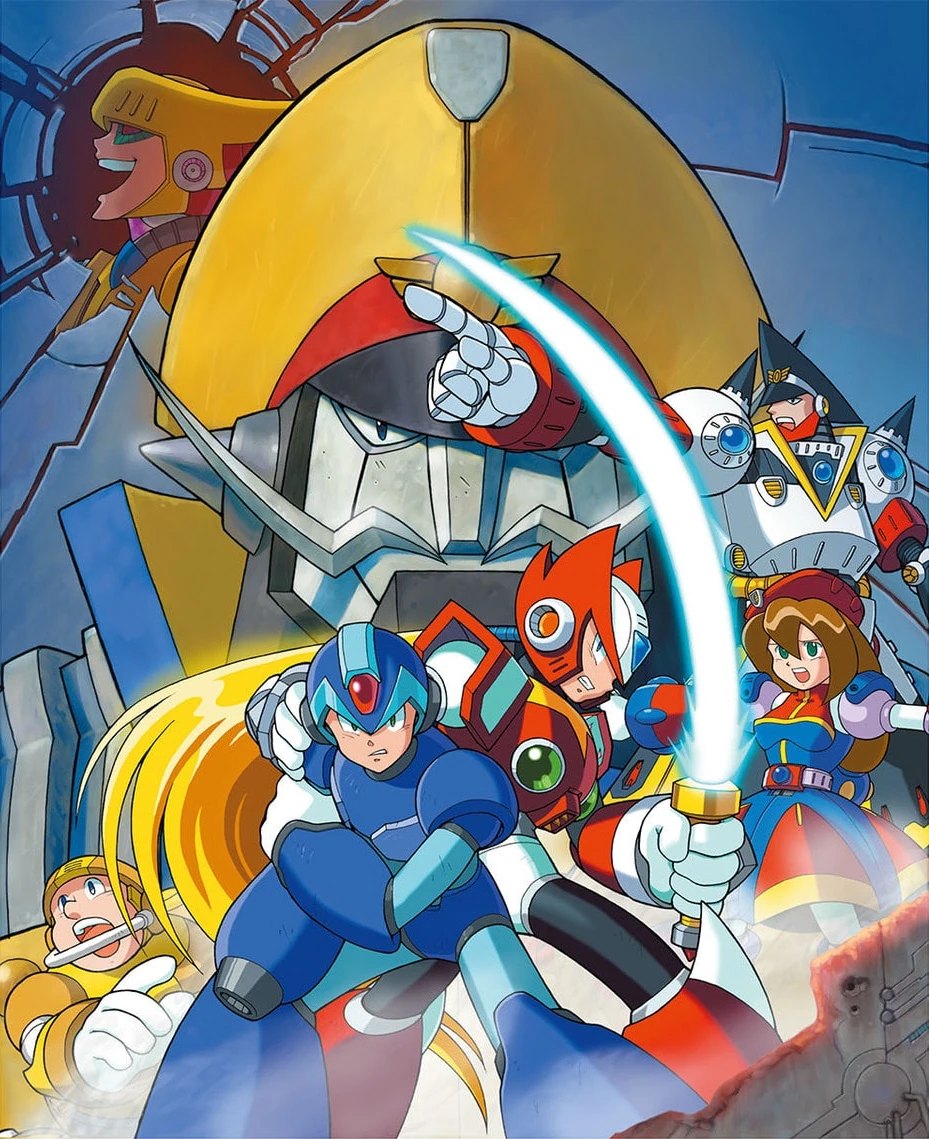
4. Mega Man 11 (2018)
Mega Man 11’s Double Gear System, which lets you slow time or boost power at the cost of a cooldown, is the best mechanical addition the classic series has made since the slide in Mega Man 3. It’s also the franchise’s commercial high point: Capcom confirmed in February 2025 that Mega Man 11 had passed 2 million units sold worldwide, making it the best-selling single entry in the series’ 38-year history, according to The Gamer.
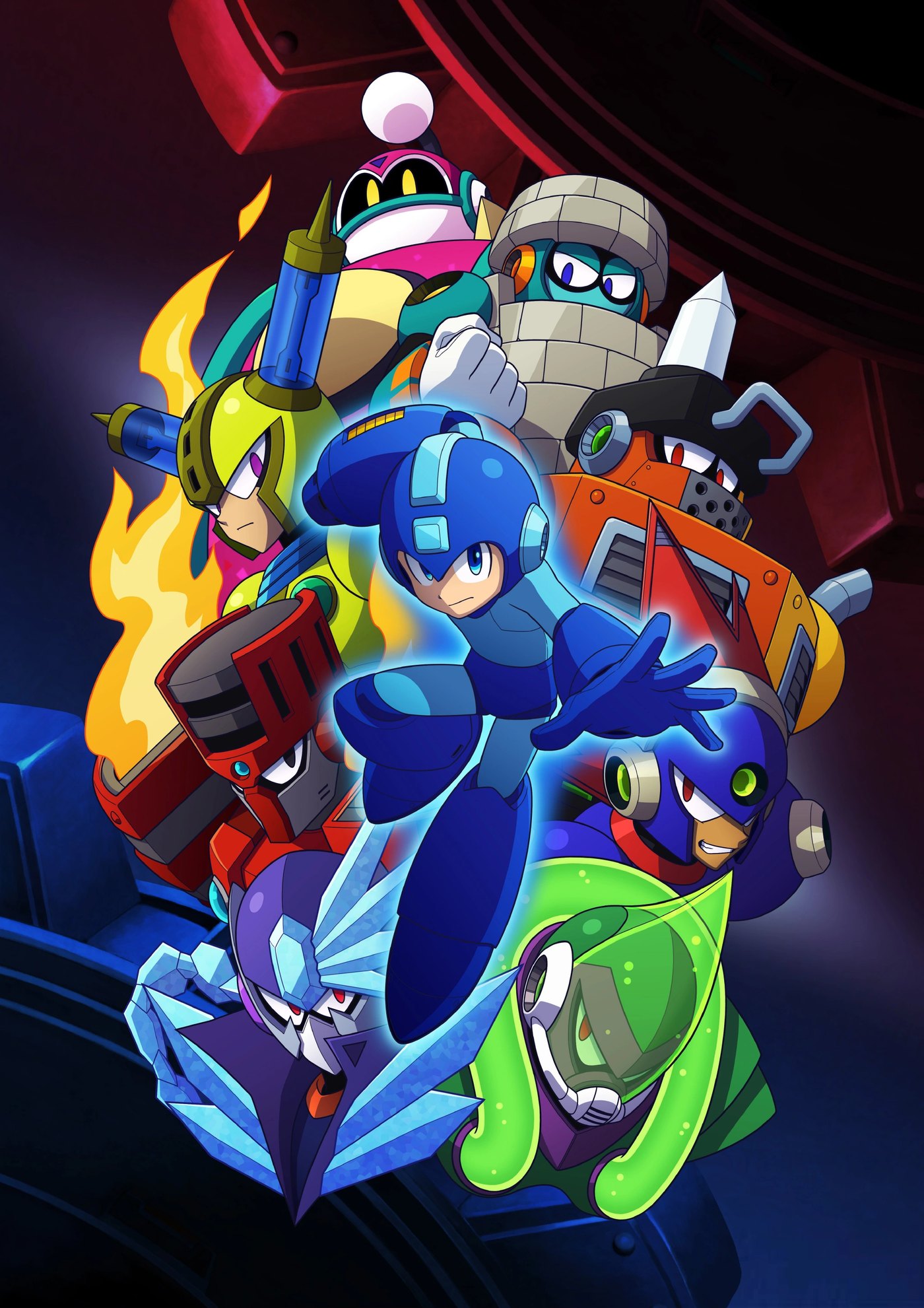
3. Mega Man 7 (1995)
Mega Man 7 was the classic series’ jump to 16-bit hardware, and it used the extra horsepower well: bigger sprites, a genuinely funny Dr. Wily ending, and a Robot Master, Freeze Man, designed by a contest-winning fan. It’s a slower, denser game than its NES predecessors, which is exactly why it holds up better than most of them today.
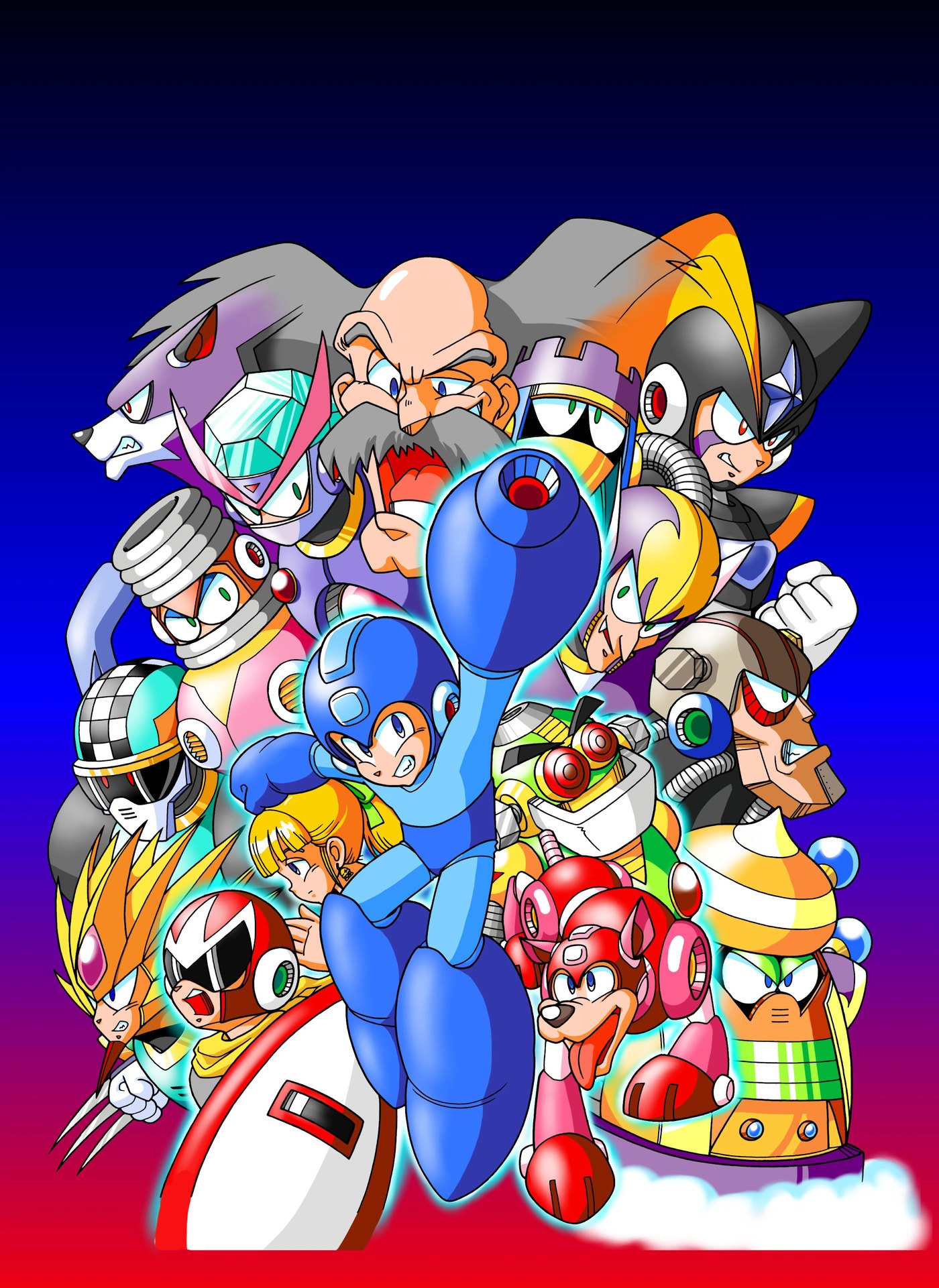
2. Mega Man 2 (1988)
Mega Man 2 is still the game most people picture when they hear the name. Its soundtrack (Dr. Wily Stage 1 alone has outlived entire consoles), its Robot Master roster and Metal Blade’s infamously broken damage output all turned a struggling first entry into the release that saved the franchise. It remains the second best-selling game in the series behind only Mega Man 11.
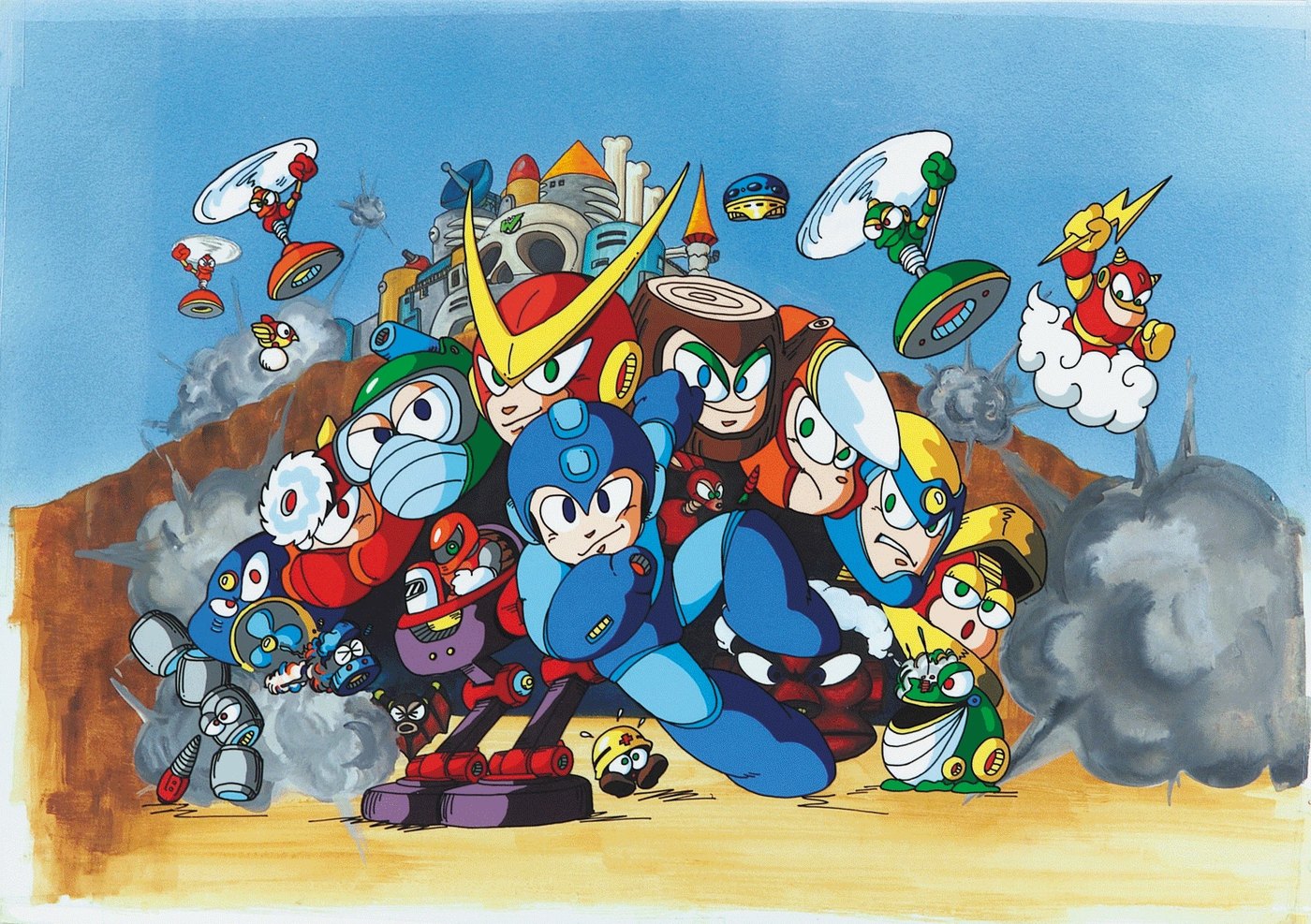
1. Mega Man X (1994)
Mega Man X earns the top spot for what it changed, not just what it added. Dashing and wall-jumping turned Wily’s slower, stage-by-stage rhythm into something closer to a speedrunner’s playground, and the armor-upgrade system gave the series its first real sense of build progression. Three decades and an entire X series later, it’s still the blueprint every 2D Mega Man game, including Dual Override, is measured against.
Where to Start If You’re New
Start with Mega Man X if you want the best-playing game on this list, or Mega Man 2 if you want the one that actually explains why this franchise matters. Skip straight to Mega Man 11 if slower NES-style platforming isn’t for you, and save Legends for after you’ve cleared at least one of the action games; its exploration-first pacing is a very different experience.
Frequently Asked Questions
What is the best Mega Man game to start with?
Mega Man X (1994) is the most approachable starting point for new players: its dashing and wall-jumping controls feel closer to modern platformers than the stiffer NES-era classic games, and its Robot Master difficulty curve is more forgiving.
Is Mega Man X better than the classic Mega Man series?
Most critics rank Mega Man X above the classic series for its more fluid movement and armor-upgrade progression, though Mega Man 2 and Mega Man 11 both remain strong picks for players who prefer the original stage-select formula.
How many mainline Mega Man games are there?
There are 11 numbered games in the original classic series as of 2026, alongside the X, Zero, ZX, Legends and Battle Network spin-off series, plus the newly revealed Mega Man: Dual Override, due in Spring 2027.
Is Mega Man 11 worth playing before the older games?
Yes. Mega Man 11’s Double Gear System and adjustable difficulty settings make it one of the more approachable classic-style entries, and its 2-million-unit sales record shows it holds up for newcomers rather than only longtime fans.
Will Mega Man: Dual Override change this ranking?
It’s too early to say. Dual Override doesn’t launch until Spring 2027, and this list only ranks games that are currently playable; it will be reconsidered once the game is out and reviewed.