The best early-game build in Clair Obscur: Expedition 33 is less about chasing rare Pictos and more about stacking cheap, repeatable AP generation and survivability — the handful of Lumina points you have at the start reward consistency over a flashy one-shot combo. Sandfall Interactive released the game on April 24, 2025, and 18 months later its Pictos-and-Lumina system is still the thing new players misjudge first.
Why Early-Game Builds Work Differently in Expedition 33
Every Pictos has a Lumina cost, and you start the game with almost none to spend. The priority early isn’t your strongest possible Pictos — it’s the cheapest ones that keep your party alive and your Action Points flowing, since a dead character contributes zero damage regardless of their build.
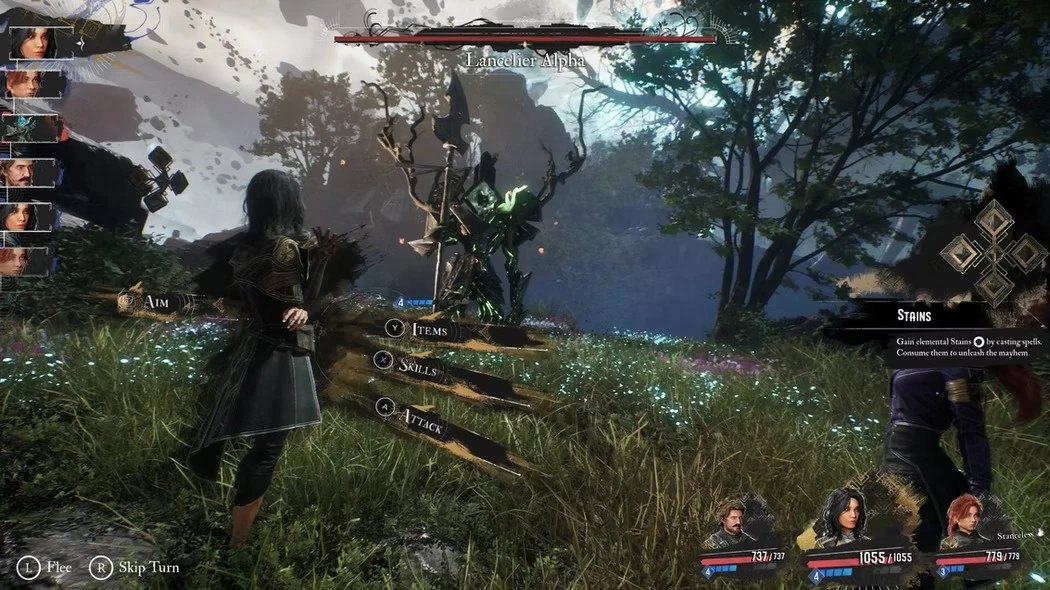
Two Pictos carry almost every early party: Dodger (1 Lumina, gain 1 AP on a Perfect Dodge) and Augmented Aim (3 Lumina, +50% Free Aim damage for characters who lean on precise shots). Both are cheap enough to equip on more than one character at once, which matters more than any single big-ticket Pictos this early.
Lune: Support First, Damage Second
Lune’s early build leans into her healing kit rather than her damage, mostly because Maelle already covers burst damage well in the opening hours. Prioritize Lumina that extends her healing uptime and AP generation over raw Elemental damage Pictos — a Lune who can keep the party topped up is worth more early than a Lune chasing a damage ceiling she won’t reach yet.
Maelle: Hybrid Damage With a Supportive Edge
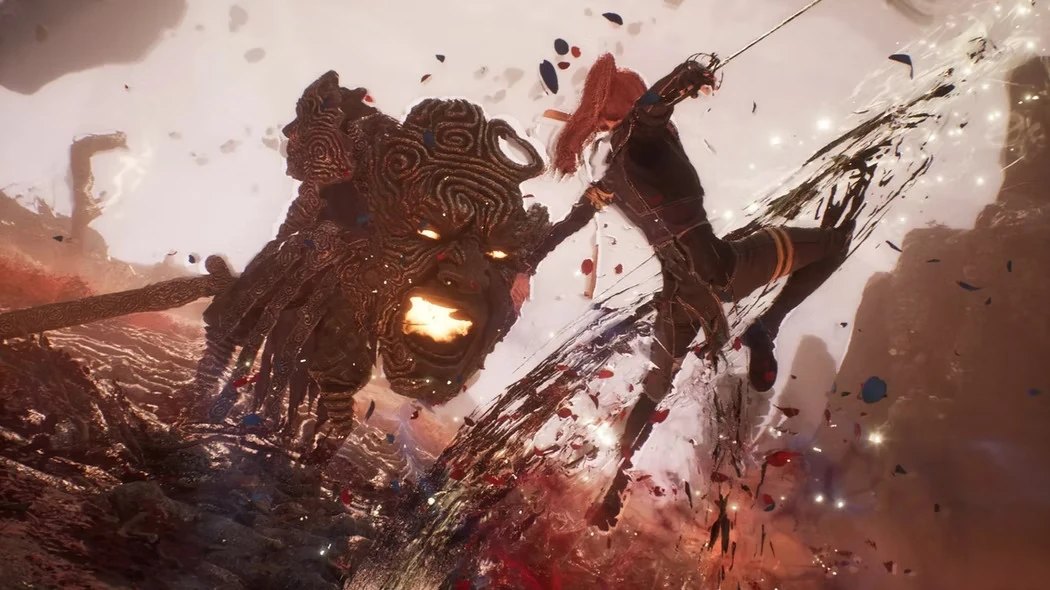
Maelle is the strongest early damage dealer in most parties because her one-shot skills hit hard without needing a full build to support them. Pair her with Dodger if you’re comfortable with precision dodging, since Perfect Dodge AP generation compounds especially well on a character who’s already in the thick of combat.
Gustave: Your Early-Game Anchor
Gustave is the character you learn combat on, and he stays your most consistent damage dealer through most of the early acts. His kit builds toward Overcharge, a high-damage finisher you charge up by dealing damage, dodging, parrying, and landing certain skills — so a Gustave build is really about keeping that charge topped up between fights, not just maximizing a single stat. Prioritize Vitality and Agility over raw offense this early, and lean on Marking Shot and Shatter to build Overcharge safely before you commit to the big payoff hit.
Sciel: Tempo Control Through Foretell and Twilight
Sciel’s entire kit runs on applying Foretell to enemies and then cashing it in by entering Twilight Mode, which means her early build is a balancing act between Sun and Moon skills rather than a straight damage stack. Agility and Luck are her priority attributes — Agility gets her acting earlier to apply Foretell before enemies move, and Luck improves how reliably Twilight payoffs land. She’s less about raw early damage and more about setting up the turn order so your other three characters hit harder.
| Character | Early-Game Role | Priority Pictos |
|---|---|---|
| Lune | Support / sustain healer | AP generation, healing-uptime Lumina |
| Maelle | Hybrid burst damage | Dodger, Augmented Aim |
| Gustave | Early-game anchor DPS | Basic damage and defense Lumina |
| Sciel | Utility and tempo control | AP generation, survivability Lumina |
Don’t Over-Invest Before You’ve Unlocked More Lumina Slots
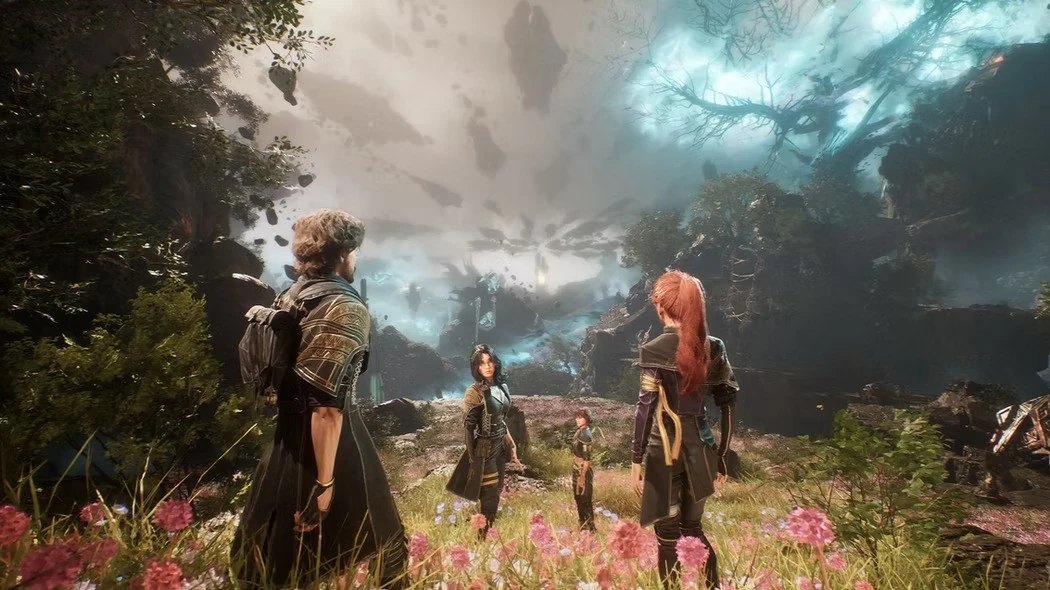
Pictos and Luminas can be swapped freely outside combat, so there’s no reason to lock in a single “best” build this early and stop adjusting. Maxroll’s early-game build guide and Game8’s character build archive both land on the same core advice: favor AP economy and basic survivability first, and save the specialized, expensive Luminas for once you’ve unlocked more slots and know which fights you’re actually struggling with.
If you’ve already got the early game under control, our breakdown of Expedition 33’s co-op support covers whether you can tackle these builds with a second player.
Frequently Asked Questions
What’s the single best early Pictos in Clair Obscur: Expedition 33?
Dodger, which costs only 1 Lumina and grants 1 AP on a Perfect Dodge. It’s cheap enough to equip on multiple characters and keeps your Action Points flowing in the early hours.
Should I build Lune for damage or healing early on?
Healing. Maelle already covers burst damage well in the opening hours, so a Lune focused on healing uptime and AP generation keeps the whole party alive longer than a damage-focused build would.
Can I change my Pictos and Lumina build later?
Yes. Pictos and Luminas can be swapped freely outside combat, so early choices aren’t permanent commitments — it’s safe to prioritize cheap, flexible options first.
Is Clair Obscur: Expedition 33 playable in co-op?
See our separate explainer on Expedition 33’s multiplayer support for the full breakdown of what co-op does and doesn’t cover.