The strongest My Hero Academia villains are ranked here by raw Quirk power, narrative threat, and the lasting damage they inflicted on the hero side, not by popularity. All For One tops the list as the century-spanning architect behind nearly every catastrophe in the series, with Tomura Shigaraki, Hood, and Dabi close behind.
Last updated: September 5, 2026
My Hero Academia Is Over — Here’s Where the Story Actually Stands
My Hero Academia’s manga wrapped its 430-chapter run on August 5, 2024, across 42 volumes, and the anime followed it to the finish line. Season 8 (marketed as the Final Season) adapted the Final War and Epilogue arcs in 11 episodes that aired in Japan between October 4 and December 13, 2025, streaming on Crunchyroll. A single bonus episode, “More”, closed things out for good on May 2, 2026, adapting the extra epilogue chapter printed only in Volume 42. Reviewing it for Anime Corner, critic Marko Jovanovic called it a conclusion that “perfectly adapts the bonus chapter from the manga, utilizing the possibilities of the medium to give the perfect conclusion to the 10-year anime adaptation” — a fitting note to end on for a franchise whose manga has sold over 100 million copies in circulation worldwide as of April 2024, according to Anime News Network. Every villain below is ranked against the finished story, not a work in progress.
For the hero side of this story, see our ranking of the 15 strongest My Hero Academia characters, and if you need a refresher on how the power system works at all, start with what a Quirk actually is. We also covered the season’s full run in My Hero Academia Final Season: Everything We Know.
How We Ranked These Villains
Most “strongest villain” lists collapse into a single axis — whoever hits hardest wins. My Hero Academia resists that because its scariest villains and its most destructive ones are rarely the same person. So this ranking weighs three separate things and blends them: raw Quirk power (what the ability can physically do at full output), narrative threat (how much the villain reshapes the plot, the hero side’s psychology, or society’s view of heroes), and body count and lasting damage (confirmed casualties, permanent injuries, and damage that never gets undone by the story’s end).
That third axis is why a Quirk-stacked juggernaut like Gigantomachia sits below a manipulator like Toga Himiko in our narrative-threat scoring even though he could flatten her in three seconds of direct combat: Gigantomachia’s damage is property and terrain, while Toga’s Transform Quirk attacks the one thing the series treats as sacred — identity itself — which is exactly the theme My Hero Academia spends eight seasons building toward. A pure combat-power list would never surface that trade-off. This one is built to.
15. Moonfish (Blade-Tooth)
Moonfish is the floor of this list for a reason: a minor antagonist from the Hero License Exam arc with a genuinely disturbing Quirk and almost no strategic weight beyond it.
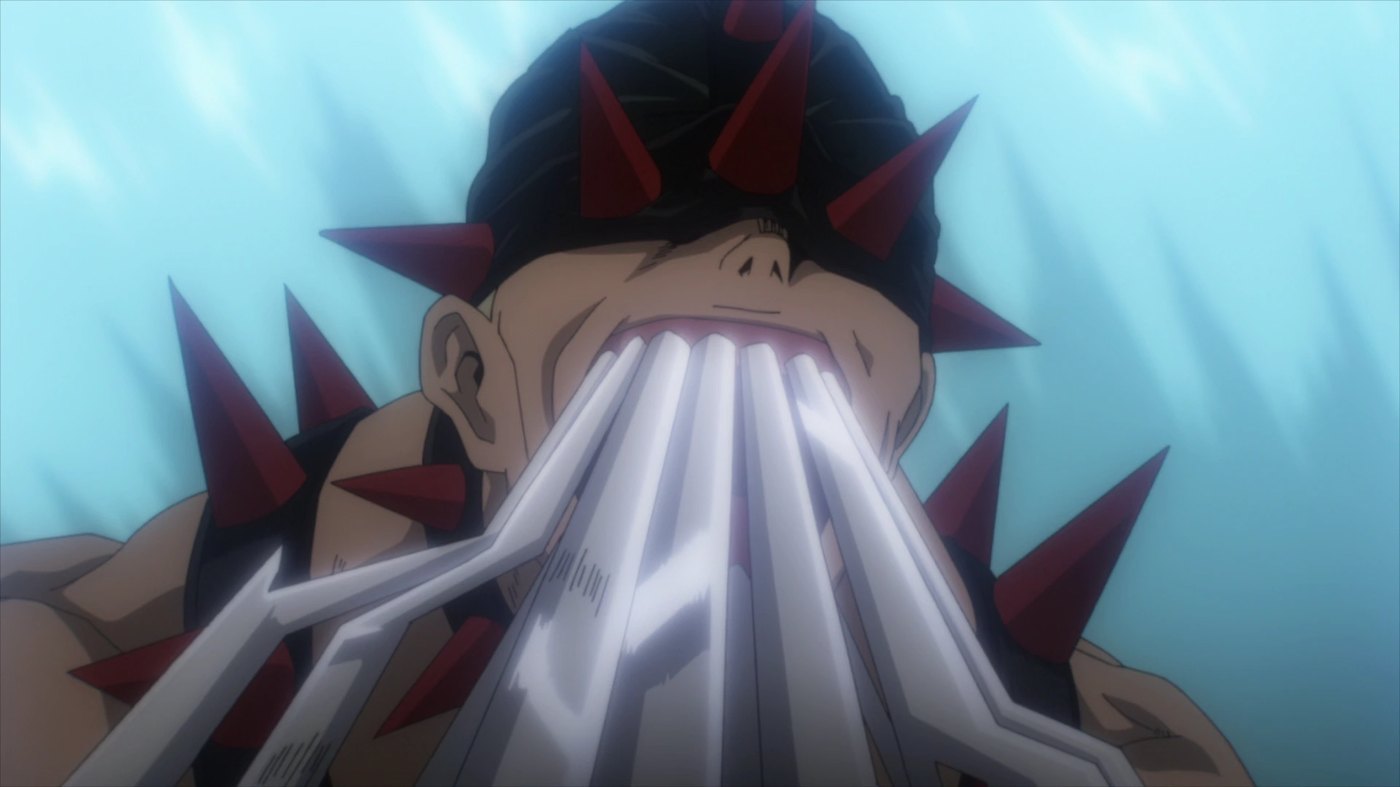
His Blade-Tooth Quirk lets him extend and reshape his teeth into blades sharp enough to slice through concrete, and his backstory as a cannibalistic serial killer makes him one of the more openly horrifying designs in the early series. But he loses a three-on-one fight to Bakugo, Todoroki, and Tokoyami without landing a decisive blow, and he never appears again. He earns his spot on a strongest-villains list on Quirk design alone, not on what he actually accomplished.
14. Twice (Jin Bubaigawara)
Twice’s Double Quirk is one of the most tactically dangerous abilities in the League of Villains, even though Twice himself was never a frontline fighter.
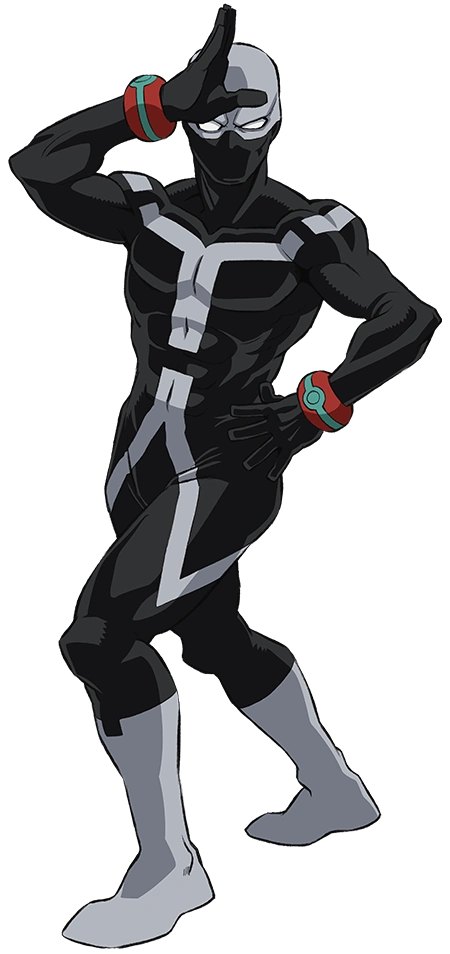
Double lets him create fully physical, independent clones of anything he touches — including himself, up to a limit before his sanity frays. In practice that means one man can field an army: clones held off multiple pro heroes simultaneously during the Pro Hero Arc and again in the Final War. His real weight on this list is narrative rather than physical — his death radicalized both Dabi and Toga, pushing the League’s two most dangerous remaining members past the point of restraint.
13. Mr. Compress (Atsuhiro Sako)
Mr. Compress rarely wins a fight through force, and that is precisely what makes him dangerous: his Compress Quirk turns any target — a person, a weapon, a hostage — into a marble-sized sphere he can store and release at will.
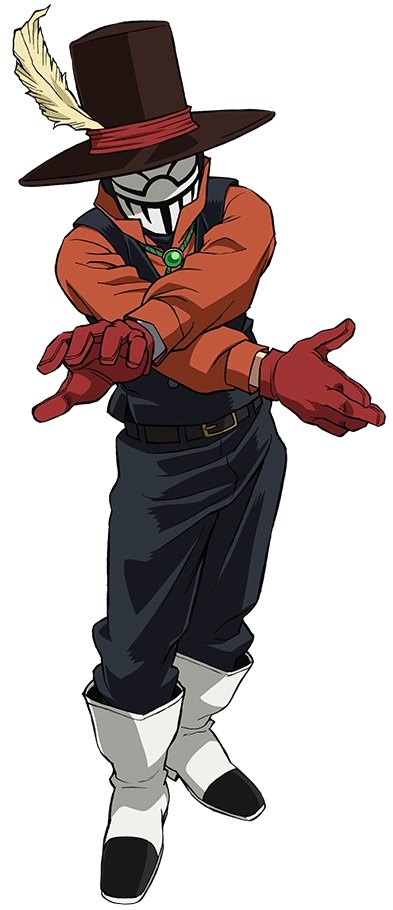
That utility made him the League of Villains’ extraction specialist and problem-solver, repeatedly pulling allies out of collapsing situations and once compressing himself to fake his own death and escape U.A.’s custody. He inflicts almost no direct casualties, which is exactly why his narrative-threat score outpaces his combat one: he is the reason the League survived long enough to become the Paranormal Liberation Front at all.
12. Spinner (Shuichi Iguchi)
Spinner’s Lizard Quirk gives him reptilian traits and sharpened reflexes, but he was never built to headline a fight — his significance comes from what he represents to the League’s ideology.
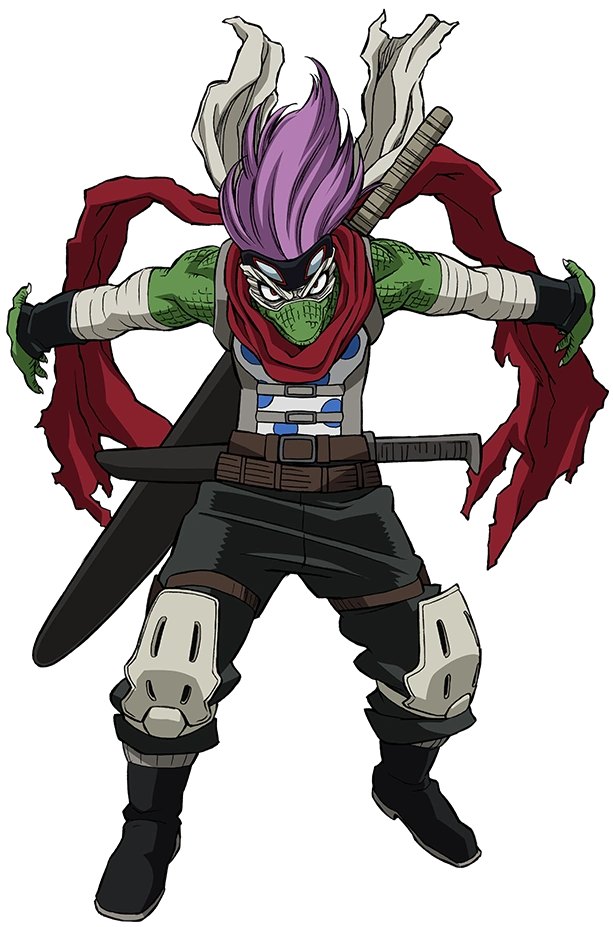
A lifelong admirer of the Hero Killer Stain, Spinner becomes the League’s loudest believer in quirk-supremacist rhetoric, and in the Final War’s aftermath he is left holding the movement’s symbolic leadership when its stronger members fall. That arc — the least powerful member ending up as the ideology’s last torchbearer — is a deliberate irony the manga leans into, and it is why he outranks villains with flashier Quirks but no lasting narrative footprint.
11. Geten
Geten is the Meta Liberation Army’s answer to Shoto Todoroki: an ice-manipulation Quirk, Ice Ply, capable of freezing entire city blocks and generating icebergs mid-battle.
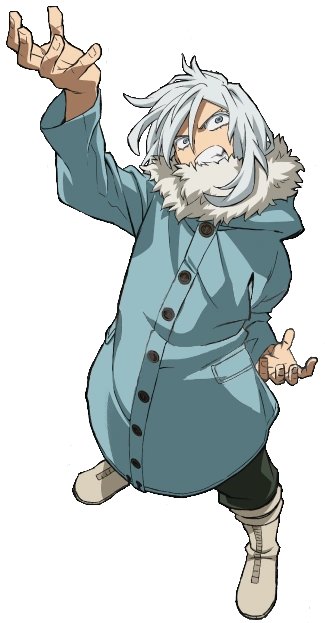
His defining fight is against Dabi during the Meta Liberation War arc, where his fire-versus-ice clash puts his output on par with a top-tier hero-in-training. Geten stays this low because his ambitions never scale past being the strongest fighter in his own faction — he has no larger plan, no ideology beyond personal pride, and no lasting mark on the story once the Meta Liberation Army folds into the Paranormal Liberation Front.
10. Himiko Toga
Toga’s Transform Quirk lets her become a physical, voice-perfect copy of anyone whose blood she has tasted, and no other villain on this list weaponizes identity itself the way she does.
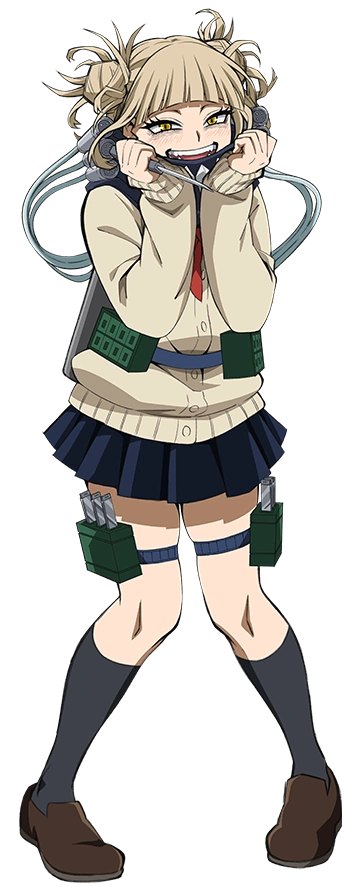
In combat terms she is unremarkable — fast, evasive, and dangerous mainly with a blade at close range. But she infiltrates hero operations by literally becoming trusted heroes, and her arc forces the story to ask whether the line between hero and villain is really about power at all, or just about who society lets get away with wanting things. That thematic weight is why she sits well above several villains who could beat her in a straight fight.
9. Muscular (Goto Imasuji)
Muscular’s Muscle Augmentation Quirk lets him swell his muscle mass on command for enormous, near-unfiltered physical strength, and he uses it with none of the restraint most villains show.
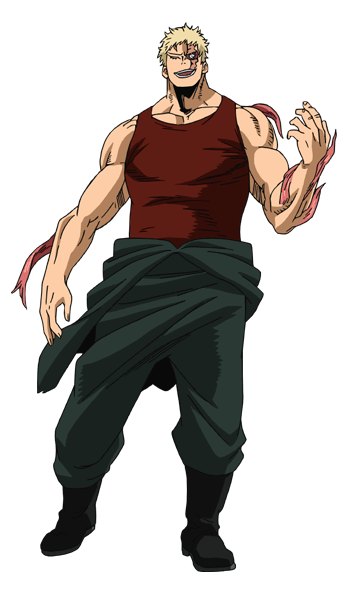
His Forest Training Camp rampage in Season 4 is one of the franchise’s most brutal sequences — he nearly kills a training-arc Izuku Midoriya in a fight the story frames as genuinely unwinnable without outside help. He ranks this high on pure body-count-and-brutality grounds: no tactics, no ideology, just a man who enjoys hurting people and has the raw output to do real damage to a student who is nowhere near his final power level.
8. Overhaul (Kai Chisaki)
Overhaul’s Quirk lets him restructure anything he touches down to its component parts — flesh, concrete, or a hero’s own weapon — making him one of the few villains who turns the battlefield itself into a weapon.
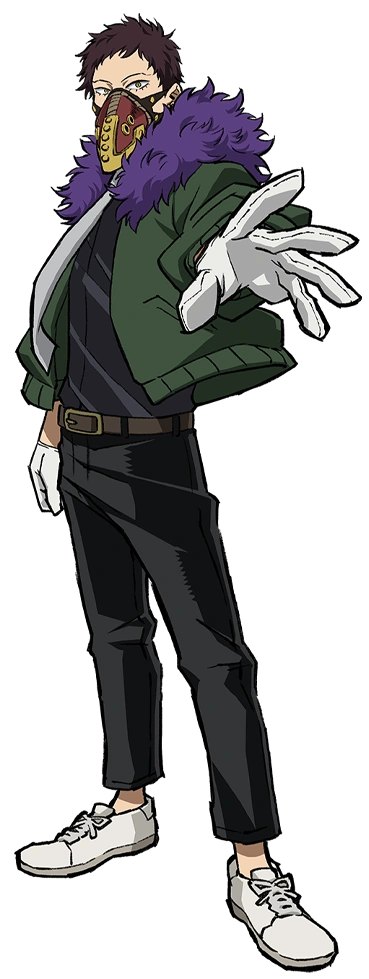
As leader of the Shie Hassaikai, he weaponized a child, Eri, whose Rewind Quirk he intended to mass-produce into Quirk-destroying bullets, threatening the entire premise of a Quirk-based society. He loses the Shie Hassaikai arc’s climactic fight to Deku and Overhaul-empowered heroes, but the scale of what he nearly built — an industrial process for erasing Quirks — makes his narrative threat far larger than a single defeat suggests.
7. Stain, the Hero Killer (Chizome Akaguro)
Stain’s Bloodcurdle Quirk paralyzes anyone whose blood he tastes, matched by superhuman physical combat skill that let him take down multiple pro heroes single-handedly before U.A.’s students stopped him.
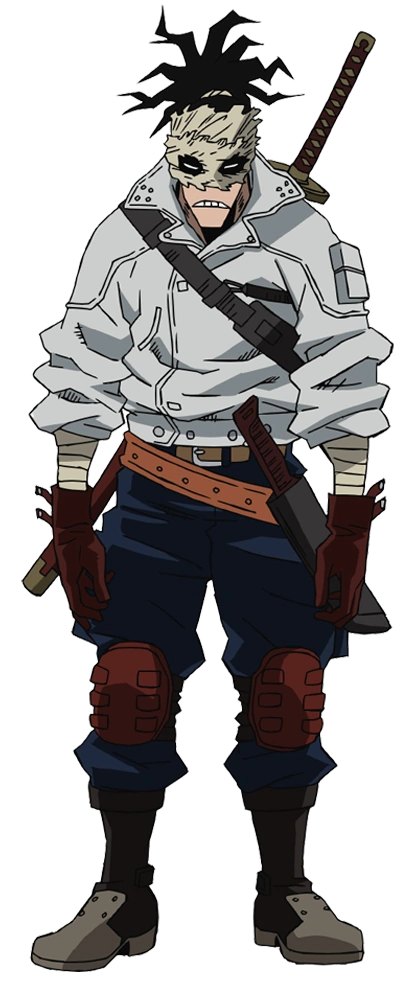
He is arguably the single most influential villain in the series despite being captured in Season 2: his ideology — that most modern heroes are frauds chasing fame rather than following All Might’s example — directly inspires Shigaraki to reorganize the League of Villains and gives Spinner a cause to devote his life to. Stain does more damage from a cell than most villains manage while free, which is why he outranks several fighters he would likely lose to head-on.
6. Re-Destro (Rikiya Yotsubashi)
Re-Destro’s Stress Quirk converts accumulated stress directly into physical power, letting him balloon into a hulking, nearly unstoppable form when pushed far enough.
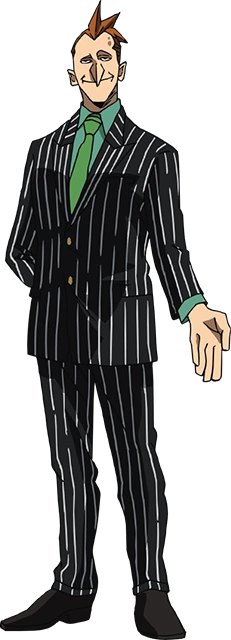
What makes him dangerous isn’t the Quirk alone — it’s that he commands the Meta Liberation Army, an organization built on his grandfather Destro’s ideology with a membership base that dwarfs the League of Villains at the time they first clash. His fight against Shigaraki is as much a test of philosophies as of Quirks, and his eventual alliance with the Paranormal Liberation Front is what turns Shigaraki’s gang into a nation-threatening force instead of a street-level menace.
5. Gigantomachia
Gigantomachia isn’t just strong — he’s a walking stack of seven separate Quirks, and that alone makes him a useful stress test for what “raw power” even means in this series.
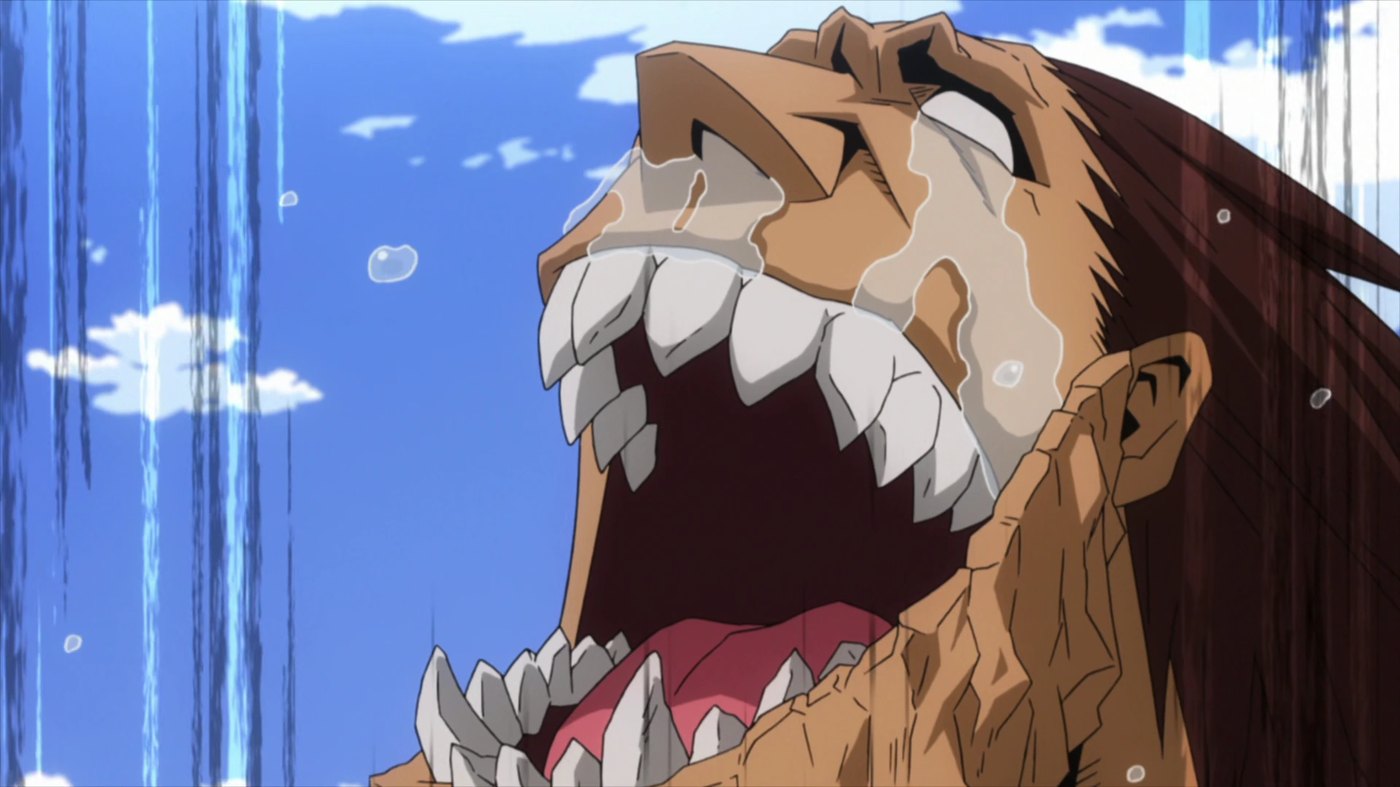
His primary ability, Gigantification, lets him grow up to roughly 25 meters tall as his emotions intensify, layered with Pain Blocker, Fierce Gains, Dog, Energy Saver, Mole, and Endurance — a set All For One personally assembled onto one body. Loyal only to All For One, he spends the climax of the series charging across the country toward Shigaraki, leveling terrain along the way. He ranks below several villains with weaker Quirks because he has no ideology and no plan of his own — he is a weapon, not an architect, and this ranking treats architects as the bigger threat.
4. Dabi (Touya Todoroki)
Dabi’s Cremation Quirk produces blue flames hot enough to rival his father Endeavor, Japan’s reigning No. 1 hero, and using it does visible, permanent damage to his own body every time.
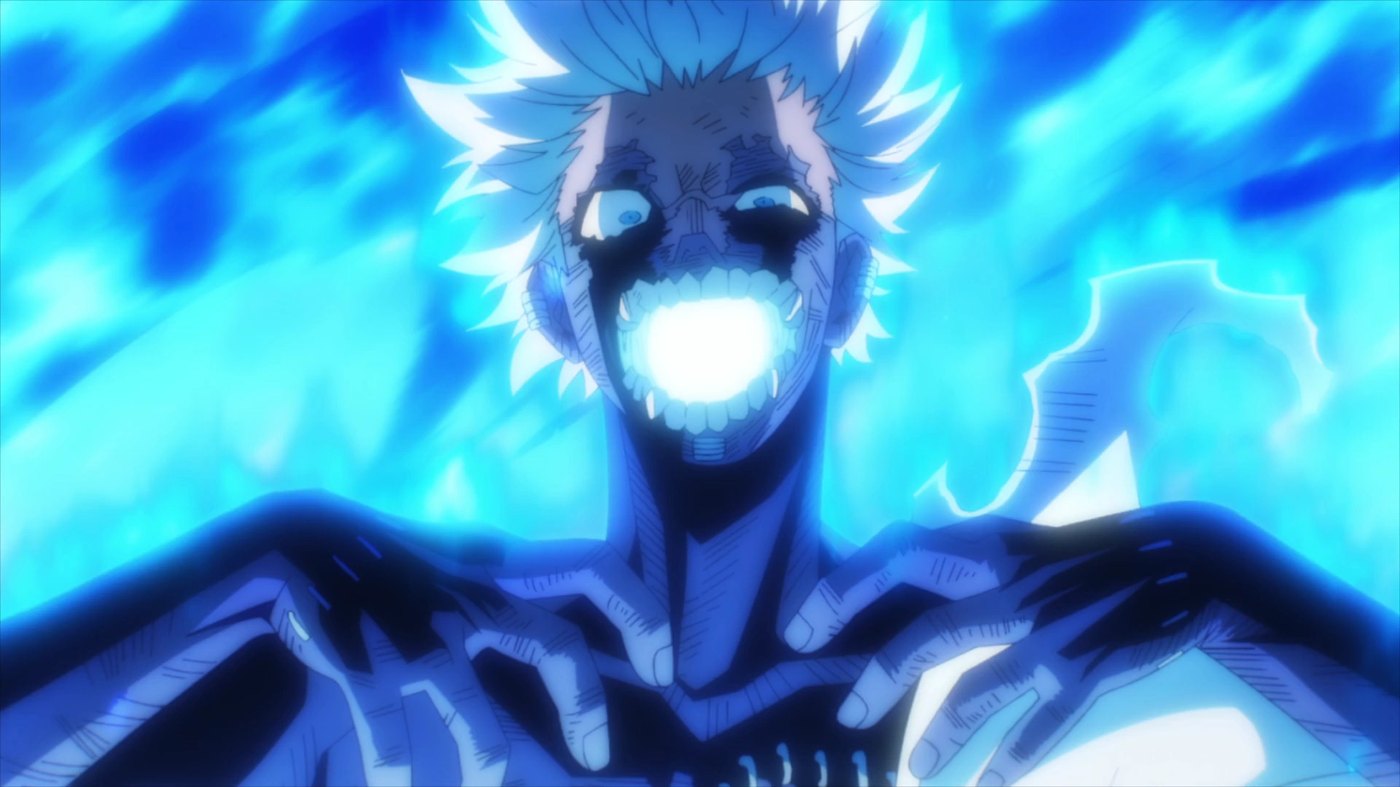
Combat power alone would place him lower, but Dabi’s real weapon is exposure: as Endeavor’s eldest son, presumed dead, he publicly reveals his father’s history of family abuse and quirk-marriage eugenics on live broadcast, detonating the credibility of Japan’s top hero in front of the entire country. Few villains in the genre do that much damage without throwing a punch. Combined with genuinely elite close-range firepower in the Paranormal Liberation War, he lands solidly in the top five.
3. Hood (High-End Nomu)
Hood represents an entire category of threat rather than a single character: the High-End Nomu, artificial bioweapons built by grafting stolen Quirks onto a body with no will of its own.
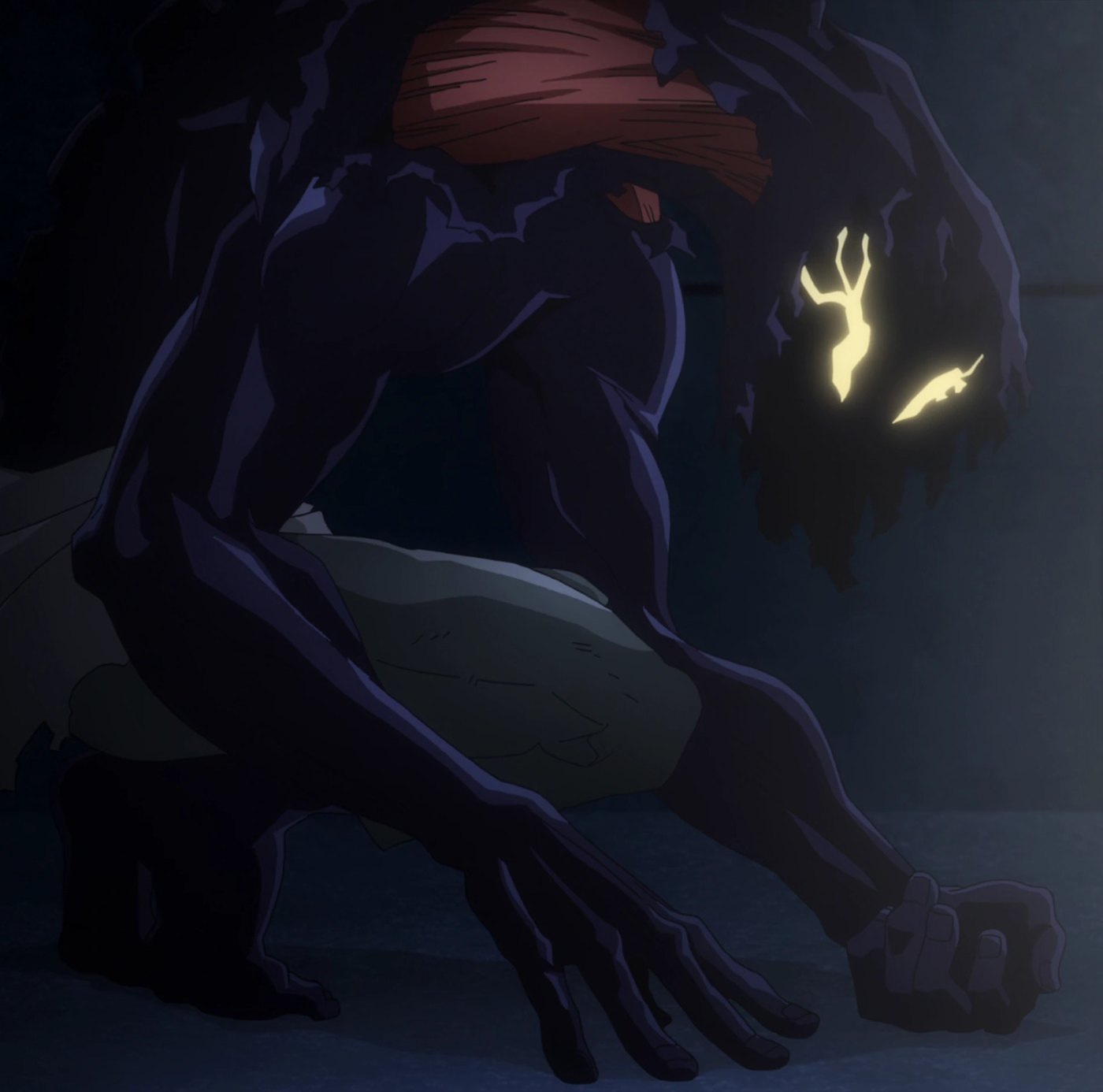
Where every other villain on this list makes choices, Hood and the other High-Ends are simply unleashed, and the Final War arc uses them to force pro heroes — including some of Japan’s strongest — into fights they cannot win through skill alone, only overwhelming numbers and coordination. Ranking a mindless weapon above named villains like Dabi’s allies might look strange, but by the body-count-and-lasting-damage axis this ranking uses, the High-Ends are responsible for some of the single worst combat losses pro heroes suffer in the entire series.
2. Tomura Shigaraki
Shigaraki starts the series as a Decay-Quirk user who disintegrates anything he touches with all five fingers, and ends it wielding a stolen fragment of One For All layered on top of everything All For One ever gathered.
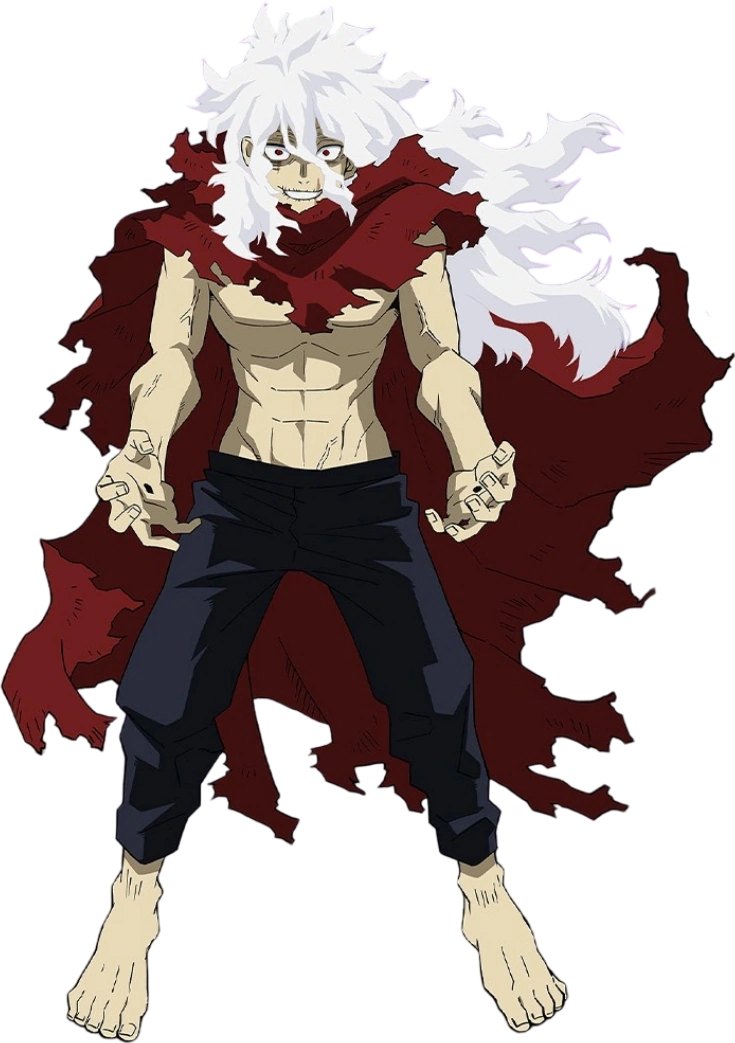
That combination, unlocked through the Quirk Singularity process Dr. Garaki engineered, makes Final-War Shigaraki the single most destructive individual combatant the series ever depicts — he single-handedly fights All Might, Endeavor, and Deku’s coalition simultaneously and very nearly wins. The added irony that he is the biological grandson of Nana Shimura, the previous One For All user whose abandonment set his entire villain arc in motion, makes him the story’s clearest argument that villains are made, not born. He sits at #2 rather than #1 because his power, however staggering, is still borrowed — inherited from All For One rather than built by him.
1. All For One
All For One earns the top spot not for a single feat of strength but for being the reason nearly every other villain on this list exists at all.
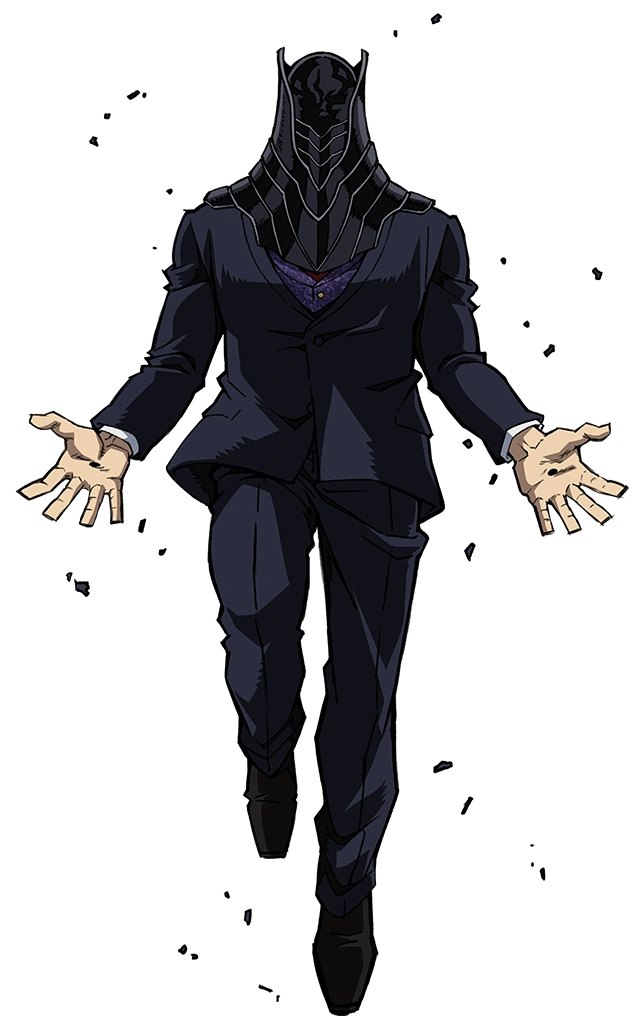
His quirk, also named All For One, lets him steal Quirks from anyone he touches and stockpile or redistribute them at will — a power that has let him personally assemble an arsenal spanning decades, including the abilities layered onto Gigantomachia and the High-End Nomu. He killed or maimed multiple generations of heroes, engineered the societal conditions that let quirk-based crime flourish, and personally raised Shigaraki into the weapon he became after Nana Shimura’s death. Even reduced to a parasitic consciousness inside Shigaraki’s mind by the series’ end, he remains the single villain whose fingerprints are on every major catastrophe in My Hero Academia’s history — raw power, narrative reach, and lasting damage, all at once.
Top 5 Villains Compared
| Villain | Quirk Type | Active Era | Body Count / Lasting Damage | Final Fate |
|---|---|---|---|---|
| All For One | Quirk theft & redistribution | Decades before the series through the Final War | Multiple generations of heroes killed or maimed | Consciousness erased inside Shigaraki’s mind |
| Tomura Shigaraki | Decay + inherited One For All/AFO power | Final War | Fought All Might, Endeavor, and Deku’s coalition simultaneously | Body destroyed after reconciling with humanity |
| Hood (High-End Nomu) | Stolen-Quirk bioweapon amalgam | Final War | Inflicted some of the war’s worst pro-hero combat losses | Destroyed by coordinated hero forces |
| Dabi | Cremation (self-damaging flame) | Paranormal Liberation War | Publicly destroyed Endeavor’s reputation; heavy collateral damage | Defeated by Shoto and Endeavor; survives, incarcerated |
| Gigantomachia | Gigantification + 6 stacked Quirks | Post-Deika City through the Final War | Widescale property and terrain destruction | Survives the war; fate left unresolved in canon |
Frequently Asked Questions
Who is the strongest My Hero Academia villain overall?
All For One. His Quirk lets him steal and stockpile abilities from anyone he touches, which is how he personally built the power sets behind Gigantomachia and the High-End Nomu and raised Tomura Shigaraki into the series’ final threat. By raw power, narrative reach, and lasting damage combined, no other villain matches his footprint across the story.
Is Tomura Shigaraki stronger than All For One?
In a direct fight during the Final War, Shigaraki’s inherited One For All fragment stacked on top of AFO’s own power makes him the more destructive combatant in the moment. This ranking still places All For One at #1 because Shigaraki’s power is borrowed from him — the source of the power outranks its temporary wielder.
Is the My Hero Academia anime finished as of 2026?
Yes. Season 8 aired its 11 main episodes in Japan from October 4 to December 13, 2025, adapting the Final War and Epilogue arcs. A single bonus episode, “More,” aired May 2, 2026, adapting an extra epilogue chapter from the manga’s final volume and closing out the anime for good.
Are movie-only villains like Nine included in this ranking?
No. This list covers only villains who appear in the core manga and its anime adaptation, so it lines up with the finished, canonical story rather than side movies that exist outside it.
What is Dabi’s real identity?
Dabi is Touya Todoroki, the eldest son of the pro hero Endeavor, presumed dead in a childhood accident before resurfacing as a League of Villains member. His public reveal of Endeavor’s family history is one of the most damaging single acts any villain commits in the series.