Quick TakeArticle at a glance
- The biggest Invincible comic vs show differences come down to violence, pacing, and an ending the show hasn't reached yet.
- Invincible began as an Image Comics series in January 2003, created by writer Robert Kirkman with artist Cory Walker, who handed the pencils to Ryan Ottley starting with issue #8 for most of the run.
- Season 3 became the most-watched Adult Animation season in Prime Video's history, and Season 4 opened at No.
Last updated: September 15, 2026
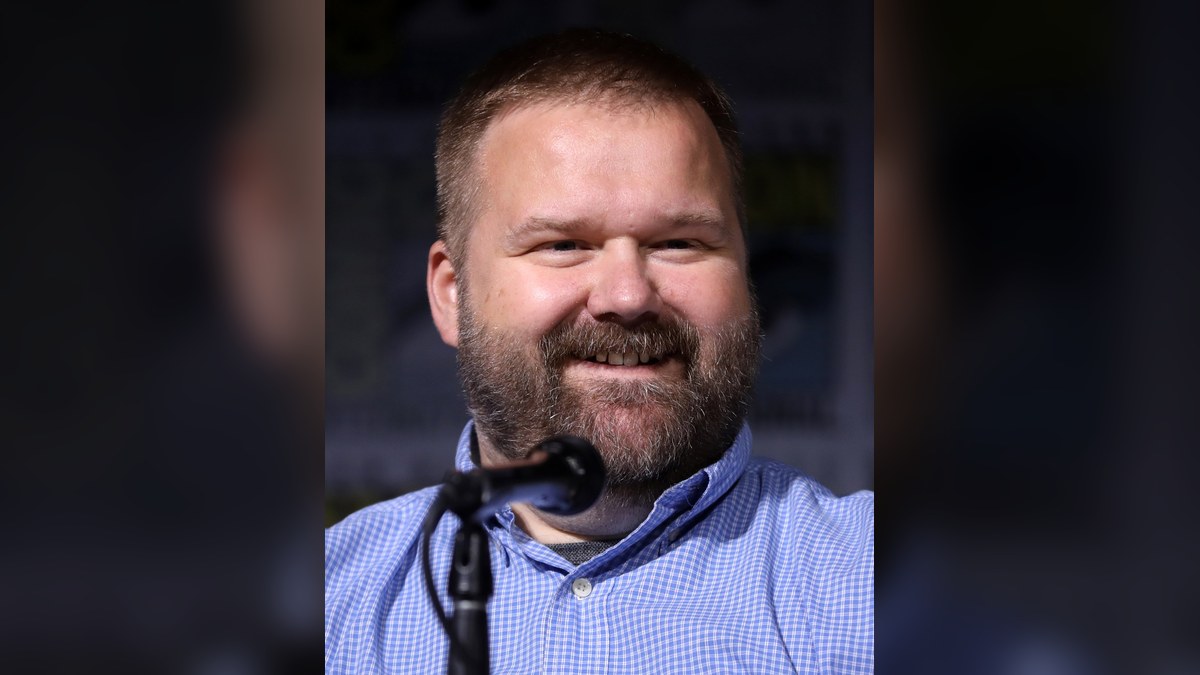
The biggest Invincible comic vs show differences come down to violence, pacing, and an ending the show hasn’t reached yet. Robert Kirkman, Cory Walker, and Ryan Ottley’s 2003-2018 Image Comics series and Kirkman’s own Prime Video adaptation share a premise and a cast of names, but the show is bloodier, restructures the Viltrumite War’s timeline, expands several supporting characters, and is still mid-story where the comic already has a finished ending.
Two Productions, One Creator, Very Different Timelines
Invincible began as an Image Comics series in January 2003, created by writer Robert Kirkman with artist Cory Walker, who handed the pencils to Ryan Ottley starting with issue #8 for most of the run. The comic finished a complete, 144-issue story in February 2018 under Kirkman’s Skybound Entertainment imprint. The Amazon Prime Video animated series, which Kirkman co-showruns with Simon Racioppa, premiered in March 2021 and is still airing: Season 4 ran 35 days, from March 18 to April 22, 2026, Season 5 is confirmed for a 2027 window with no exact date yet, and Prime Video renewed the show for Season 6 in June 2026.
Season 3 became the most-watched Adult Animation season in Prime Video’s history, and Season 4 opened at No. 3 on Prime Video’s global rankings before later reclaiming the No. 1 spot in dozens of countries — a hit run that is the reason this comparison exists now rather than in 2021. For the full episode-by-episode release history, see our Invincible Seasons 3 & 4 release date guide.
The Comparison Table: Comic vs. Show
| Element | Comic (2003-2018) | Prime Video Series (2021-present) |
|---|---|---|
| Story status | Complete, 144 issues, ended February 2018 | Ongoing; Season 4 ended April 2026, Seasons 5 and 6 still to come |
| Guardians of the Globe massacre | Shown mostly in aftermath; the violence itself is downplayed on the page | Depicted in frame-by-frame gore, including crushed skulls and dismemberment |
| Omni-Man vs. Mark fight (Season 1 finale) | A mountain confrontation with Nolan punching Mark only twice, framed as his inner conflict | Adds an entire subway/train sequence not in the comic, with Nolan forcing Mark to watch passengers die |
| Debbie and Nolan’s reunion (post-Viltrumite War) | Quick and comedic; the two reconcile almost immediately | A longer, harder-hitting argument that gives Debbie’s arc more weight |
| Eve and her father’s conversation | Issue #68: Adam thanks Mark for dating Eve and references her prior relationship with Rex Splode | Season 4: Adam confronts Mark about Eve nearly dying against Conquest and says he hates that she has powers |
| William’s sexuality | Comes to terms with being gay gradually over several early issues | Openly gay from the character’s first appearance |
For how the show’s version of Nolan Grayson compares to television’s other corrupted-superman archetype, see our breakdown of Homelander vs. Omni-Man.
Why the Show Compresses the Comic’s Pacing
In the comic, the Viltrumite War stretches across more than a year of in-story time, including a stretch where Mark is in a coma recovering from his injuries. The show condenses that same arc into a tighter, more immediate season-length clock — the clearest example of a structural choice, not a content cut, and it’s worth understanding why the writers made it.
A 144-issue monthly comic can let months pass between checking in on a character, because readers absorb time skips as a natural part of serialized publishing. A prestige animated season has eight episodes to deliver a complete dramatic arc before the next premiere, sometimes a year or more away, so lingering on downtime the way the comic does would slacken momentum the format can’t afford. Robert Kirkman described the underlying philosophy directly in a 2026 appearance on the Robservations podcast with Rob Liefeld: “we are trying to adapt the Invincible comic book the way that manga is adapted into anime” — keeping the source material’s events intact while rebuilding their delivery for a different medium, rather than “trying to reinvent the wheel.”
Tone and Violence: How Much Bloodier the Show Is
The single most-cited difference between the two versions is gore. The comic generally spares readers the mechanics of its violence — Omni-Man’s slaughter of the Guardians of the Globe plays out mostly through aftermath panels — while the Prime Video series renders the same events in explicit, frame-by-frame detail. That choice isn’t just shock value; animation lets the show show consequence in a way a comic panel implies, and the series leans into that difference deliberately.
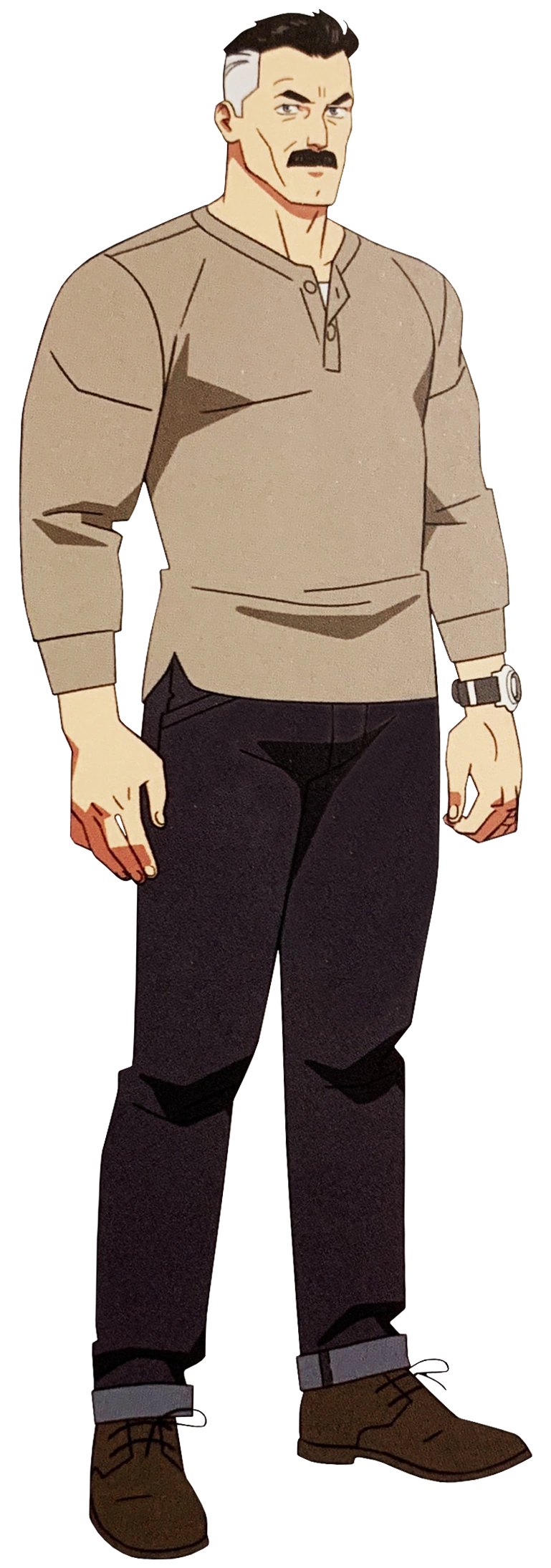
The Season 1 finale’s subway fight is the clearest single example: it doesn’t exist in the comic at all. The comic’s equivalent confrontation is a shorter mountain fight where Nolan hits Mark only twice and the scene reads as his internal conflict about recruiting his son. The show invents the subway sequence from scratch, has Nolan punch Mark repeatedly, and forces him to watch train passengers die, turning Nolan into a far more overt villain in the moment — a change TV critics have argued makes his later redemption arc land harder, because he has further to climb back from.
Character Changes: Debbie, Eve, William, and Amber Get More Room
Several supporting characters get expanded roles onscreen that the monthly comic never had space for. Debbie Grayson’s confrontation with Nolan after the Viltrumite War is a comedic, near-instant reconciliation in the comic; the show stretches it into a longer, more emotionally grounded argument that writers and critics alike have called one of Season 4’s strongest changes. Eve’s relationship with her father Adam is reworked too — the comic’s issue #68 conversation centers on Eve’s virginity and her relationship with Rex Splode, while the show’s Season 4 version has Adam confront Mark about nearly losing Eve to Conquest and admit he hates that she has powers at all.
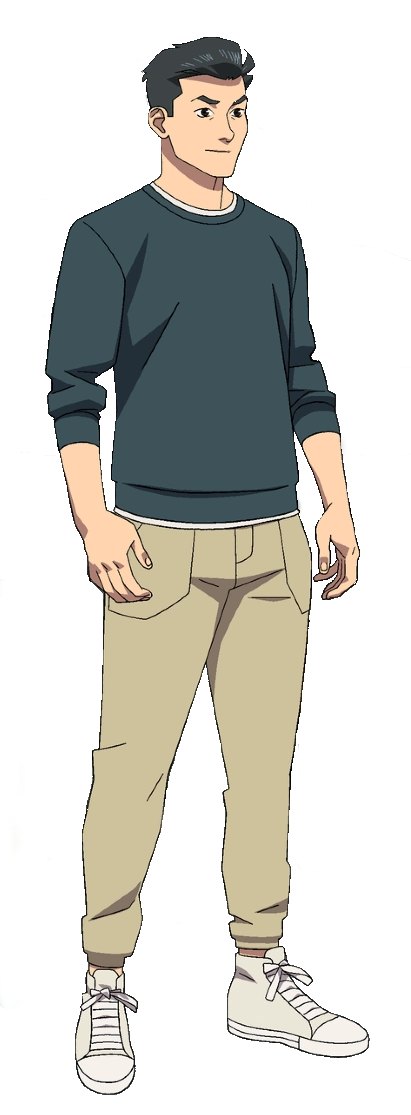
William Clockwell is openly gay from his first appearance in the show, while the comic has him work through his sexuality gradually across its early issues. Amber Bennett gets a stronger, more independent personality in the series and a different reaction to learning Mark’s secret than her comic counterpart. None of these are corrections of the comic — Kirkman still writes or approves each change — they’re adjustments for a visual medium and a wider, more mainstream streaming audience than the creator-owned monthly ever had.
The Ending Gap: Comic Finished, Show Still Mid-War
This is the difference that matters most for anyone deciding which version to experience first: the comic has an ending and the show doesn’t. Kirkman, Walker, and Ottley closed the story in issue #144 (February 2018), with Mark killing Grand Regent Thragg near the sun and becoming the Viltrumites’ new leader, ending the empire’s threat to Earth for good.
The show has not reached that point. Season 4’s finale (April 22, 2026) ends with Viltrum destroyed and Thragg alive, offering Mark a truce: the surviving Viltrumites can quietly resettle on Earth and rebuild their population if he stays silent and doesn’t interfere. Mark reluctantly accepts after visions of his loved ones being killed if he refuses — a setup that leaves the Viltrumite conflict very much unresolved heading into Season 5. Readers who know how the comic ends should treat that knowledge as a rough map, not a spoiler for specific show beats, since the show has already proven it will restructure how it gets there. See our full breakdown of Invincible’s powers and Viltrumite biology for how Mark’s abilities factor into that endgame.
Which Should You Experience First?
Neither version spoils the other in the way a faithful adaptation would, because the show invents entire sequences — the subway fight, several Season 4 family scenes — that have no comic equivalent at all. Comic-first readers get a darker, more compressed story with a real ending; show-first viewers picking up the trade paperbacks afterward should expect a story that hits familiar beats through very different scenes, plus a large stretch of comic material — including the entire ending — that the show hasn’t caught up to yet. Either order works, but going in expecting a page-to-screen translation is the wrong expectation for either direction.
Frequently Asked Questions
Is the Invincible show a faithful adaptation of the comic?
No. Robert Kirkman has compared the approach to how manga gets adapted into anime — keeping the comic’s core events and character arcs while rebuilding individual scenes for television. Several sequences, including the Season 1 subway fight, don’t exist in the comic at all.
Does the Invincible comic have an ending?
Yes. Kirkman, Cory Walker, and Ryan Ottley concluded the story in issue #144, published February 2018, with Mark defeating Grand Regent Thragg and becoming the Viltrumites’ new leader. The Prime Video series has not reached this point in the story as of Season 4.
Why is the Invincible show so much more violent than the comic?
The comic generally shows violence through aftermath and implication, while the animated series renders it in explicit detail. Showrunners have leaned into the visual medium’s ability to depict consequence directly, most notably in the Season 1 subway sequence, which was created for TV and has no comic equivalent.
How many issues does the Invincible comic run?
The Invincible comic ran 144 issues from January 2003 to February 2018, published by Image Comics under Robert Kirkman’s Skybound Entertainment imprint.
Sources: Invincible (comics), Wikipedia; Popverse, Robert Kirkman on respecting the source material; Screen Rant, “Omni-Man vs Mark: How Invincible Changed One of Its Best Fights For TV”.