The Avatar: Seven Havens finale closes out Book One by finally making the show’s central mystery personal instead of mythological — the Anomaly turns out to be born from Nisha’s own fear, not a returning Legend of Korra villain, and that choice pays off a season that worked best when it stopped looking backward.
Spoiler warning: this review covers the full Book One finale — episodes 10 through 13 — including who the Anomaly turns out to be and how the season ends.
We haven’t watched this one yet; this review is built on the official episode synopses and multiple critics’ published accounts of the finale, not a first-hand viewing.
What Happens in the Finale
“Ghosts and Spirits,” “Battle of the Ruins,” “The Dome” and “The Root Chakra” all landed together on October 30, picking up two weeks after Pavi and Nisha were separated on opposite sides of Ellora. Chancellor Kayoko tries to weaponize the Anomaly’s power against the Faceless and against the Avatar herself, and ends up afflicted by it instead. The Faceless, led by Agam, abandon the fight and join the city’s evacuation. The real climax is personal: the Anomaly drags the twins back into a childhood memory and reveals that their parents tried to separate them in the night, taking Pavi and leaving Nisha behind because, as their father put it, “your power is too dangerous.” A panicked young Nisha’s bending triggers the rockslide that kills them both and scars Pavi’s leg. In the present, Pavi unlocks her root chakra, pushes Nisha away, and rides off alone to find the other Havens.
The Anomaly Was Never About Vaatu, and That’s the Right Call
Every theory thread this season pointed at Legend of Korra‘s Vaatu coming back. The finale throws that out. Showrunner Sehaj Sethi confirmed the red diamond entity was never a revived dark spirit at all — it’s a manifestation of “Nisha’s fear of abandonment,” something Sethi called “a very significant character moment” for a show that spent nine episodes dangling franchise nostalgia as a hook. That’s the correct call. Our review of episodes 7-9 already flagged that leaning on Korra’s unfinished business was a cheap shortcut, and the finale backs away from that shortcut at the exact moment it mattered most. Co-creator Michael Dante DiMartino described the whole season as “Pavi’s journey, going from the girl who’s hiding out in the streets of Ellora, to ‘I’m the Avatar,’ and embracing her identity” — and that’s a cleaner, smaller story than the mystery-box machinery around it ever let on.
Why Burying the Parents in the Same Hour as the Breakthrough Undercuts Both
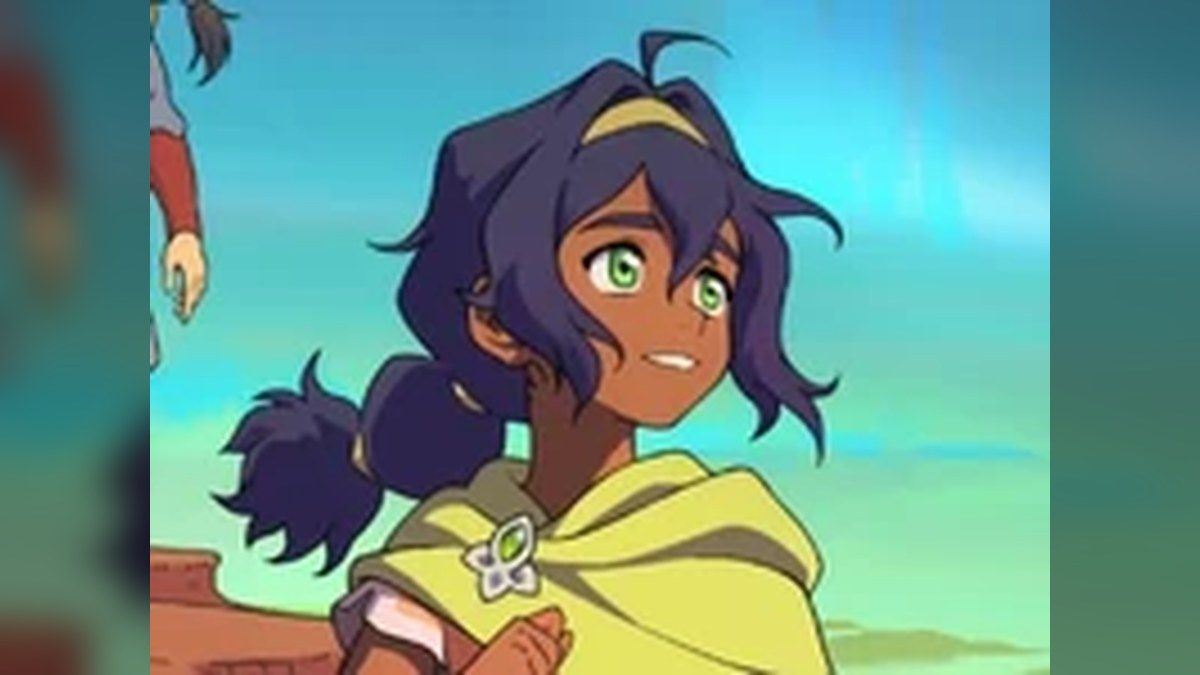
Here’s where the finale overreaches. The reveal that Pavi and Nisha’s parents chose to split the twins up, and that Nisha’s own panic got them both killed, is the single darkest beat in the Avatar franchise to date. It deserves room to breathe. Instead, the same episode turns around and gives Pavi her root-chakra unlock and a triumphant exit on Geet within minutes of that revelation. Actor Saheli Khan called filming the chakra scene “unbelievable, and such a beautiful moment,” and it plays that way in isolation — but stapled directly onto a childhood tragedy, it reads as the show rushing to end on an up note rather than sitting with what it just did to these two kids. Pavi taking the mother stone and telling Nisha “I won’t be a destroyer like you, I’ll be a better Avatar” is a gut-punch line. It needed its own scene, not a victory lap sharing the runtime.
Pavi and Nisha’s Season, Not Korra’s
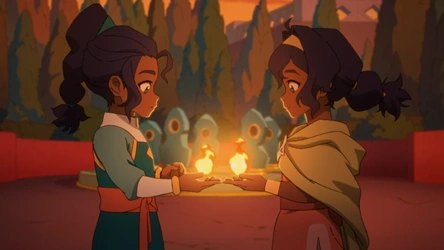
What Seven Havens gets right, more than any other post-Korra Avatar project, is treating the twin-Avatar premise as a character problem rather than a lore problem. Every other Avatar era has had exactly one chosen kid figuring out who they are. Giving that burden to two sisters at once, and then letting the actual villain be their shared trauma rather than a reanimated Korra-era spirit, is the first genuinely new idea this franchise has tried since Korra’s finale ten years ago. The season stumbles when it forgets that and chases mystery-box momentum instead — but the finale, for all its pacing problems, remembers what the show is actually about just in time.
| Book One finale | |
|---|---|
| Episodes in this batch | 10-13 (“Ghosts and Spirits,” “Battle of the Ruins,” “The Dome,” “The Root Chakra”) |
| Aired | October 30, 2026, Paramount+ |
| Rotten Tomatoes (Season 1) | 100% from 21 reviews as of October 30, 2026 |
| Book Two | Already ordered; premiere date not yet announced |
What’s Confirmed for Book Two
Paramount+ ordered a second 13-episode book before Book One even premiered, and Sethi has confirmed the twins will “deal with” their parents’ deaths going into it. No premiere date has been announced yet. Season 1 is Certified Fresh at 100% on Rotten Tomatoes from 21 reviews, with critics singling out the animation and Pavi and Nisha’s performances. For a deeper breakdown of how the Anomaly reveal reshapes everything that came before, ScreenRant’s ending explainer is worth a read. Our full episode guide has the cast and streaming details, and the Book One episode schedule has every confirmed date.
Frequently Asked Questions
Is the Anomaly in Avatar: Seven Havens connected to Vaatu?
No. The finale reveals the Anomaly is a manifestation of Nisha’s own fear of abandonment, not a returning Legend of Korra spirit, according to showrunner Sehaj Sethi.
What happened to Pavi and Nisha’s parents?
The finale shows their parents tried to separate the twins as children, taking Pavi and leaving Nisha behind. A rockslide triggered by young Nisha’s panicked bending killed them both and scarred Pavi’s leg.
Is Avatar: Seven Havens getting a season 2?
Yes. A second 13-episode book, Book Two, was ordered before Book One even premiered. Paramount+ has not announced a release date.
How many episodes does Avatar: Seven Havens Book One have?
Thirteen episodes, released in four weekly batches on Paramount+ from October 9 to October 30, 2026.
What is Avatar: Seven Havens’ Rotten Tomatoes score?
100% from 21 critic reviews as of October 30, 2026, with a Certified Fresh rating.