The best Witcher 3 build is the Euphoria alchemy build, which converts Toxicity directly into damage and has the highest ceiling in the game. Sign, hybrid and pure-combat builds all have a case depending on difficulty and playstyle. Every build below is described as it works in patch 4.04, the current version in August 2026.

Read this before you respec
Two things changed in the last week that affect every build guide for this game, including this one. First, The Witcher 3 Remastered lands on 29 September as a free upgrade, and CD Projekt Red’s own feature list for it includes a skill tree revamp. Second, Blood and Wine is now free for all existing owners of the base game, which means the mutation system these builds are built on is no longer behind a paywall.
So: everything here is accurate for patch 4.04, and none of it is guaranteed to survive 29 September. The studio has not published what the revamp changes. If you are starting a run now, that is fine — you will finish it long before then. If you are planning a build for a New Game+ character you intend to keep, wait a month.
The pattern behind every top-tier build
Witcher 3 build guides usually present the strong builds as unrelated options. They are not. Every build in the top half of this list is a single-stat stacking exercise — either Toxicity or Sign intensity — because the game’s largest multipliers all key off one number and then compound. A build that spreads points across swordplay, signs and alchemy gets a small bonus in three places instead of a large one in a single place, which is why “balanced” characters feel weak at high levels despite looking sensible on the skill screen.
The corollary matters more than the rule. Euphoria’s ceiling is set by how much Toxicity you can carry, and Acquired Tolerance raises your maximum Toxicity by 1 for every alchemy formula you know. That makes the strongest build in the game scale with your recipe collection rather than your character level — which is exactly why Euphoria feels broken on a New Game+ character with a full notebook and underwhelming on a first playthrough with a dozen recipes.
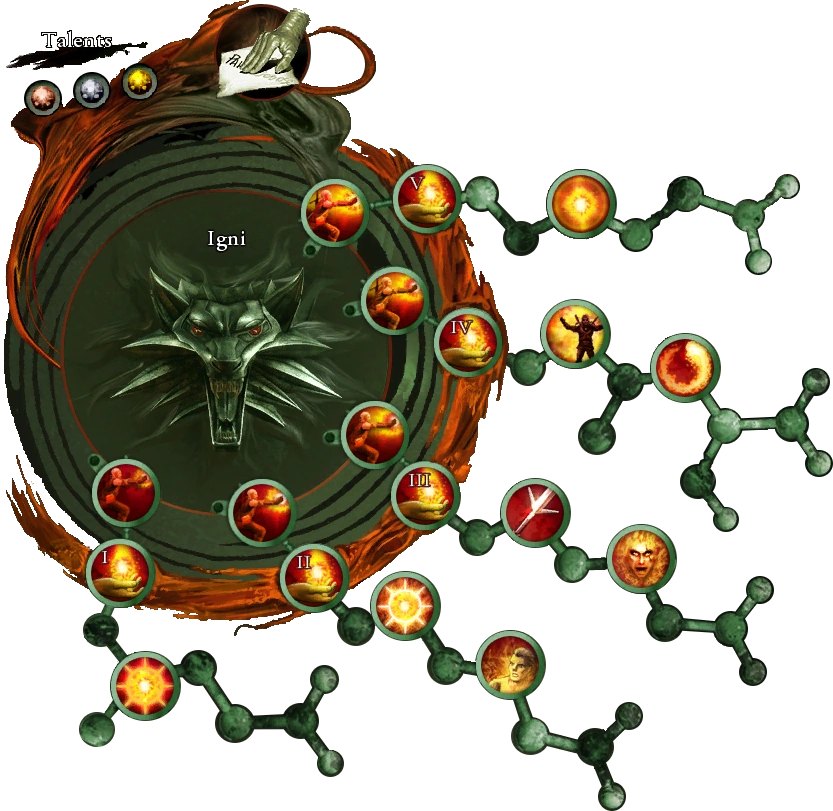
1. Euphoria (alchemy)
Euphoria reads simply: each point of Toxicity increases sword damage and Sign intensity by 0.75%, per the Fextralife mutations index. Carry 100 points of Toxicity and that arithmetic gives +75% to both from a single mutation, and it keeps climbing as Acquired Tolerance raises your Toxicity ceiling with every formula you learn.
The build is decoctions plus Acquired Tolerance, Delayed Recovery, Synergy and Protective Coating, wearing Manticore or Grandmaster Wolven gear. It is the best build in the game and also the most demanding to assemble, because it does nothing until you have both the mutation and a deep formula list.
2. Piercing Cold (signs)
Piercing Cold makes Aard freeze enemies with a 25% chance to fully immobilise them for a few seconds, and costs 3 skill points and 3 Greater Blue Mutagens. Paired with Magic Sensibilities — 2 points and 2 Greater Blue Mutagens, letting Signs crit with crit chance and damage scaling off intensity — it turns crowd control into a damage build.
This is the build for players who dislike dodge-heavy swordplay. Grandmaster Griffin gear is the intensity set. The honest weakness: several late-game bosses resist freezing outright, and the build has no answer on those fights beyond falling back on a sword.
3. Metamorphosis (hybrid)
Metamorphosis activates a random decoction for two minutes whenever you apply a critical effect to an opponent. It is the closest the game has to a build that plays itself: you get decoction benefits without managing Toxicity manually, which sidesteps the exact bookkeeping that puts people off Euphoria.
Lower ceiling than Euphoria, far lower effort, and it works from the moment you unlock it rather than after you have collected half the formulae in the game.
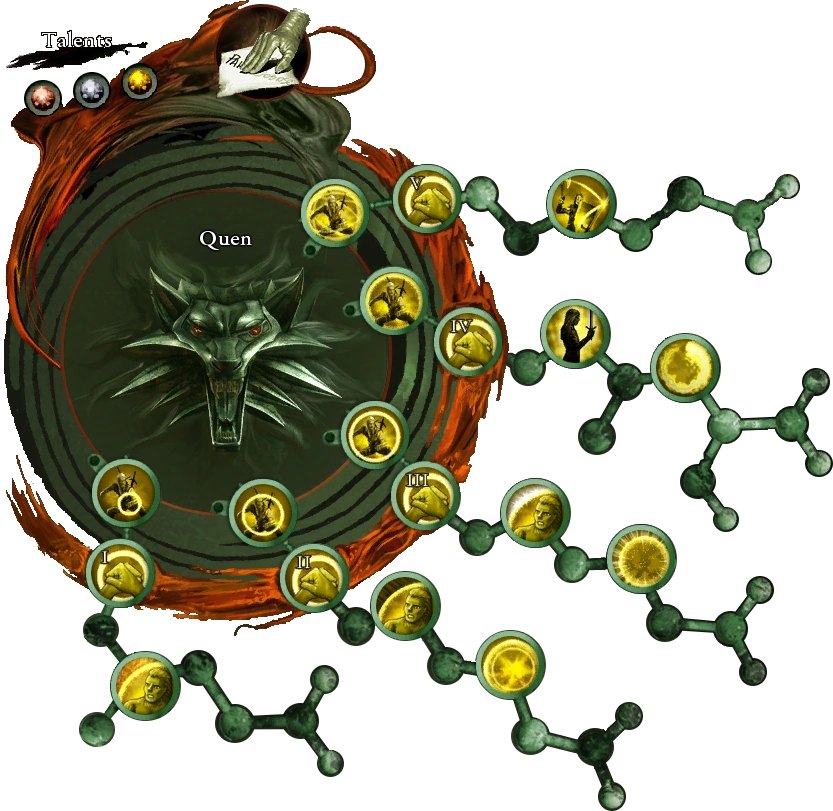
4. Bloodbath (fast-attack combat)
Bloodbath grants +5% attack power with every weapon blow until the end of combat, and the bonus is lost entirely if you take damage. That single condition defines the build: it rewards flawless fights and punishes one mistake, which makes it thrilling on Blood and Broken Bones and temperamental on Death March.
Light armour, Grandmaster Feline gear, fast attacks and Whirl. It is the purest swordsman build in the game and the one that most rewards actually being good at the combat system.
5. Adrenaline Rush (crowd clearing)
Adrenaline Rush increases attack power and Sign intensity by 30% for each additional enemy you are facing, for 30 seconds. Against a lone boss it does nothing. Against a bandit camp it is the strongest mutation in the game, and it is the specialist pick for players who spend their time on contracts and question marks rather than main-quest set pieces.
6. Second Life (Death March insurance)
Second Life makes you invulnerable for a short time and regenerates all your health when you hit zero. It adds no damage at all, which is why it never tops a ranking, and it is still the mutation most likely to finish a Death March run. Pair it with Grandmaster Ursine heavy armour and Deadly Counter, which adds +25% sword damage against monsters and against humans immune to counterattacks.
| Build | Core mutation effect | Gear set | Best for | Weakness |
|---|---|---|---|---|
| Euphoria | +0.75% sword damage and Sign intensity per Toxicity point | Manticore / Grandmaster Wolven | Highest ceiling, New Game+ | Needs a deep formula list to work |
| Piercing Cold | Aard freezes; 25% chance of full immobilise | Grandmaster Griffin | Crowd control without swordplay | Freeze-immune bosses |
| Metamorphosis | Critical effects trigger a random decoction for 2 minutes | Grandmaster Wolven | Low-effort hybrid power | Lower ceiling than Euphoria |
| Bloodbath | +5% attack power per blow, lost on taking damage | Grandmaster Feline | Skilled pure-sword play | One hit resets the stack |
| Adrenaline Rush | +30% attack power and intensity per extra enemy, 30s | Any | Camps and packs | Useless in one-on-one fights |
| Second Life | Full heal and brief invulnerability at 0 health | Grandmaster Ursine | Surviving Death March | Adds no damage |

What you need before any of this works
Mutations are a Blood and Wine feature. Without the expansion, none of the six builds above exists, and you are choosing between ordinary skill-tree specialisations instead. Until 25 August 2026 that was a $20 purchase; per CD Projekt Red’s remaster announcement it is now free for everyone who owns the base game.
That is the single biggest practical change to Witcher 3 character building in years, and it is worth being blunt about the sequencing: unlock mutations, then pick a build, then collect formulae. Doing it in the other order is how people end up with a half-finished Euphoria character that hits like a first-playthrough Geralt. If you want to see where the series goes next, Songs of the Past, the 2027 expansion is the follow-up, and if you want more team-composition theorycrafting we have covered Elden Ring Nightreign team comps too.
Frequently Asked Questions
What is the best build in The Witcher 3?
Euphoria, the alchemy mutation that adds 0.75% sword damage and Sign intensity per point of Toxicity. At 100 Toxicity that is +75% to both, and Acquired Tolerance pushes the cap higher as you learn more formulae. It has the highest ceiling of any build in patch 4.04.
Do I need Blood and Wine for these builds?
Yes. Mutations are a Blood and Wine feature. As of 25 August 2026, CD Projekt Red has made both Hearts of Stone and Blood and Wine free for all existing owners of the base game, so the expansion is no longer a barrier.
Will the Witcher 3 Remaster change these builds?
Probably. CD Projekt Red’s own feature list for the 29 September 2026 remaster includes a skill tree revamp, and the studio has not published details. Treat every build guide written before that date, including this one, as accurate for patch 4.04 and provisional afterwards.
What is the best build for Death March?
Second Life if you are struggling to survive, because it gives you a full heal at zero health, and Euphoria once you have the formulae to sustain high Toxicity. Bloodbath is the least forgiving choice on Death March, since a single hit wipes the stacked bonus.
Is a balanced build ever worth it?
Rarely at high levels. The game’s biggest bonuses compound off a single stat, so spreading points across combat, signs and alchemy produces three small multipliers instead of one large one.
Last updated 31 August 2026. Accurate for The Witcher 3 patch 4.04.