Loki vs. Doctor Strange pits Marvel’s two most cerebral tricksters against each other: an Asgardian god who wins by rewriting the story around his enemies, and a sorcerer who wins by out-preparing them. In a straight magical duel Strange’s borrowed power outguns Loki’s illusions — but a fight with Loki rarely stays straight.
Last updated: September 6, 2026. Covers Marvel comics continuity from Loki’s 1962 debut through current storylines, and the MCU through Thor: Ragnarok and the Disney+ Loki series.
The Short Answer: Wits or Magic Wins?
Doctor Strange wins a fight he sees coming. Loki wins a fight he has already rewritten before anyone notices it started. That split is not a hedge — it is the actual shape of this matchup, and almost every serious argument about it collapses into some version of it.
Strange’s magic is bigger, more destructive, and backed by artifacts built to survive real combat. Loki’s magic is smaller in raw output and aimed at a different target: the terms of the encounter, the loyalties of everyone in the room, the story the fight is supposedly about. Set him against Marvel’s other heavy hitters in our ranking of the most powerful magic users in comics, and Loki’s profile looks unusual: high on cleverness, comparatively modest on brute output.
Origins: The God of Lies vs. the Sorcerer Supreme
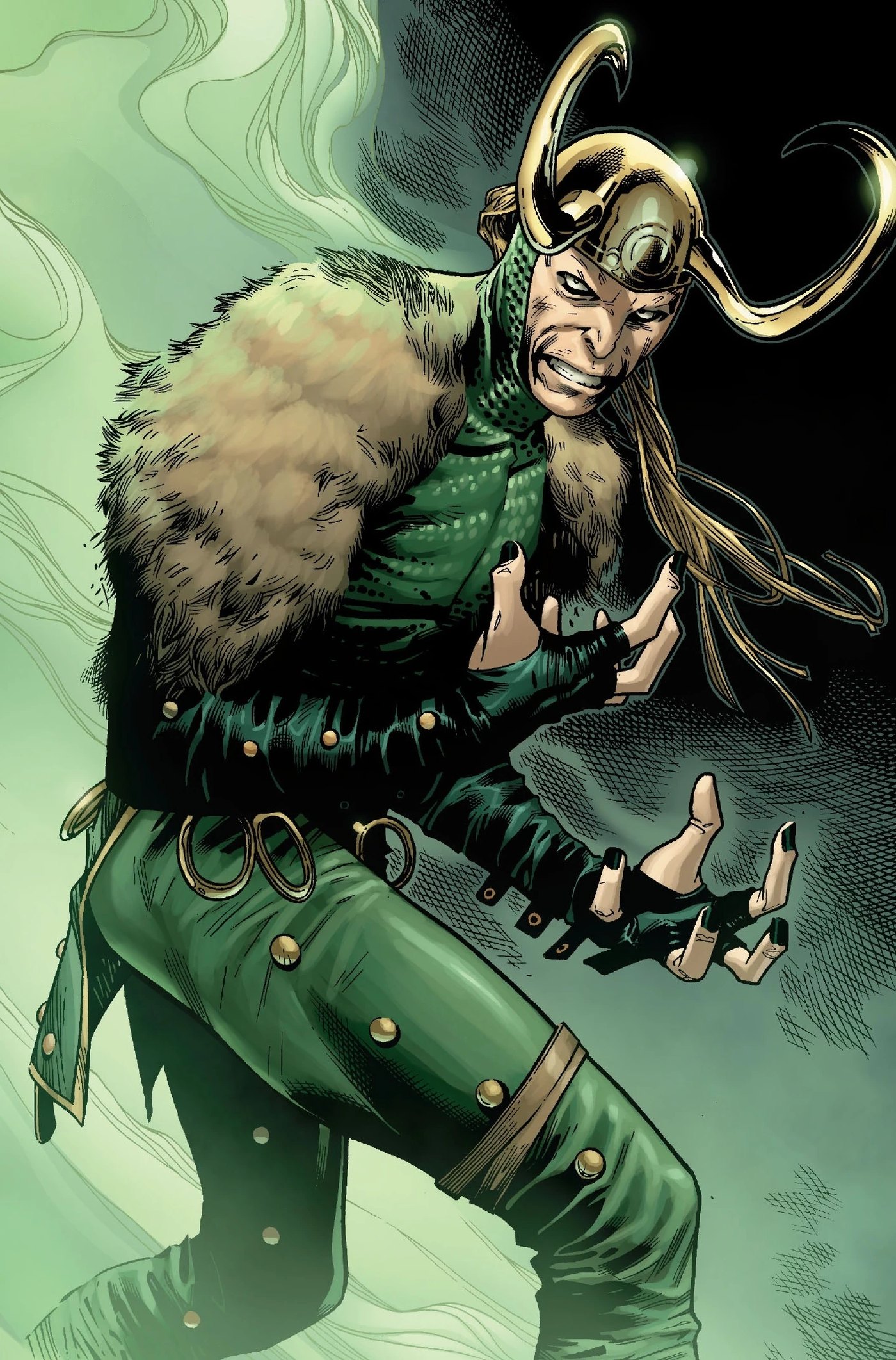
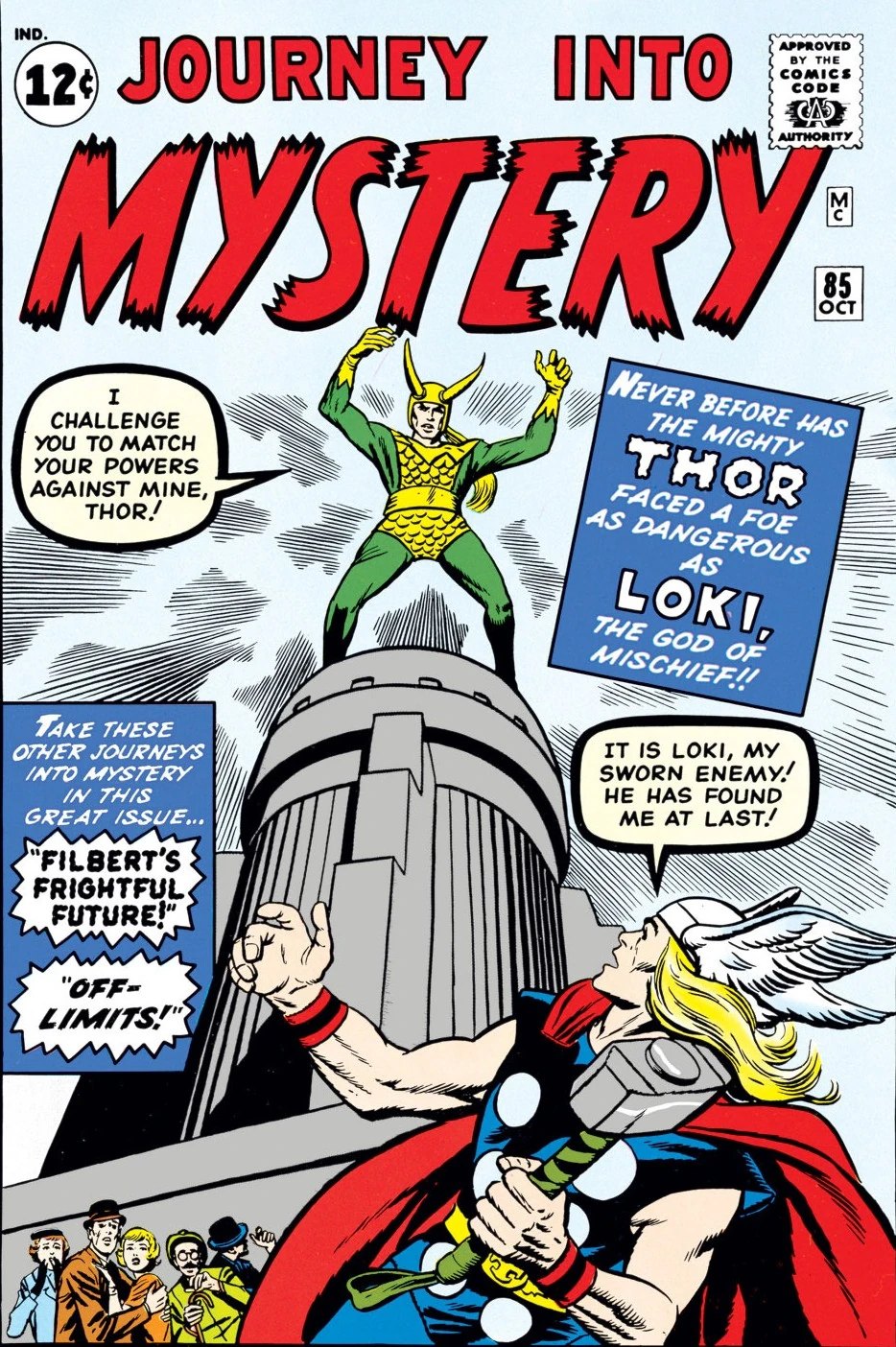
Loki Laufeyson first appeared in Journey Into Mystery #85 (October 1962), created by Stan Lee, Larry Lieber and Jack Kirby, as the adopted son of Odin and the jealous shadow to Thor’s golden-boy heroism. Born a Frost Giant — the abandoned son of Laufey, king of Jotunheim — Loki grew up in Asgard with an innate aptitude for sorcery that Thor never had, and sharpened it under Eldred, a dark sorcerer imprisoned in Odin’s own dungeons, who tutored him in secret. Marvel’s own character profile on Loki traces that resentment straight through to his modern incarnations.
That origin sets the pattern for everything that follows. Loki’s power was never handed down for heroism; it was built quietly, resentfully and mostly in secret — which is also how he tends to use it. Decades later, Kieron Gillen’s Journey Into Mystery (2011) and Al Ewing and Lee Garbett’s Loki: Agent of Asgard (2014) pushed that further still, recasting him from the God of Lies into the God of Stories: a version of Loki who realizes that lies and stories are the same craft, and starts choosing which stories to tell.
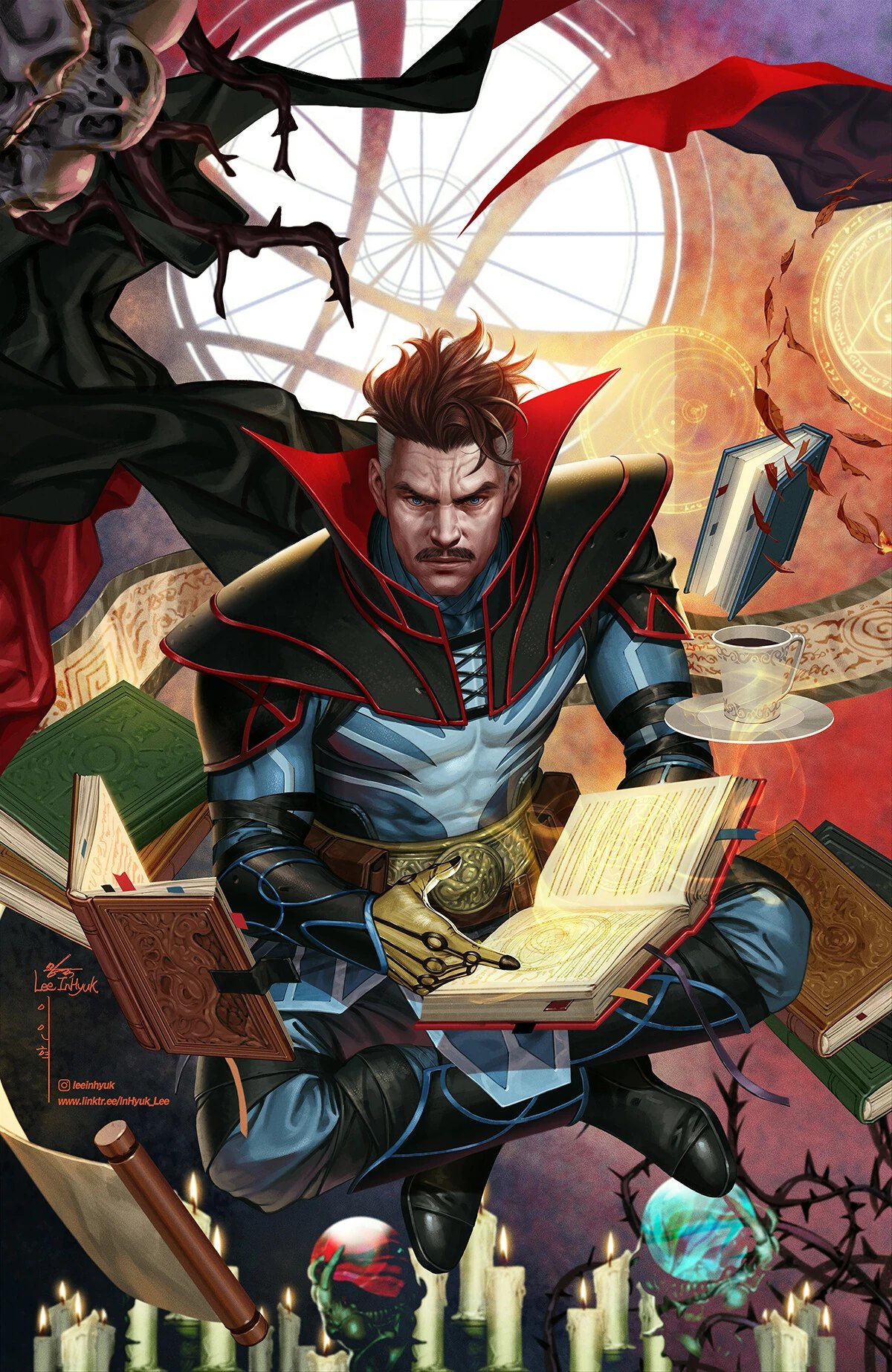
Doctor Stephen Strange debuted a few months later, in Strange Tales #110 (cover-dated July 1963), created by Stan Lee and Steve Ditko. He began as a brilliant, arrogant neurosurgeon whose hands were ruined in a car accident; unable to operate and unwilling to accept a lesser life, he chased rumors of a mystical healer to the Himalayas and found the Ancient One instead, who taught him that magic was a discipline to be earned, not a shortcut around a ruined career. Our full breakdown of Doctor Strange’s powers covers exactly how that training plays out.
How Their Powers Actually Work
Loki: Illusion, Shapeshifting and Asgardian Sorcery
Loki’s toolkit reads like a list of everything a con artist would want if a con artist could also cast spells: shapeshifting into any form, sensory-perfect illusions that fool gods as easily as mortals, hypnosis, limited telepathy, astral projection, molecular rearrangement of objects and matter, and short-range teleportation. Almost none of it is built to hurt anyone directly. It is built to make an opponent believe something false long enough for the real plan to finish, which is why Loki wins so many encounters without ever throwing a punch or a spell that actually connects.
Doctor Strange: Borrowed Power and the Eye That Cannot Be Lied To
Strange’s magic is a system of borrowing rather than an inheritance. The Crimson Bands of Cyttorak, the Flames of the Faltine, the Vishanti’s protective wards — none of these belong to him outright. He petitions named entities for each effect and gets it because he has earned standing with them, which caps his power at whatever he can negotiate but also gives him an enormous, precisely aimed catalog to draw from in a prepared fight.
One detail matters more for this specific matchup than any other: the Eye of Agamotto, in the comics, is not a time-travel device — that is an MCU invention. It is an artifact of revelation that forces truth into the open and dispels illusion, and it will not answer a user with impure intent. Mechanically, that makes it one of the only objects in the Marvel Universe purpose-built to unmask exactly the kind of magic Loki practices for a living. A trickster’s whole career runs on nobody checking whether the illusion is real; Strange owns the one artifact whose entire job is to check.
| Loki | Doctor Strange | |
|---|---|---|
| First appearance | Journey Into Mystery #85 (Oct. 1962) | Strange Tales #110 (July 1963) |
| Source of power | Innate Asgardian/Frost Giant sorcery, trained further by the dark sorcerer Eldred | Learned sorcery; power petitioned from the Vishanti and other entities |
| Signature abilities | Shapeshifting, illusion-casting, hypnosis, astral projection, molecular rearrangement | Spell-casting, astral projection, dimensional travel, artifact-based revelation magic |
| Greatest feat | Framed the Hulk to lure Thor in Avengers #1 (1963) — the trick that accidentally created the team | Defeated Dormammu and extracted a vow never to invade Earth in Strange Tales #127 (1966) |
| Signature weakness | Overconfidence in his own control of the story; his plans unravel when someone refuses to play their assigned role | Power capped by what he has studied or been granted; vulnerable to anything that ignores the rules he expects |
| Wins when | He controls the setup before the fight starts | He has warning and time to prepare wards, traps or a bargain |
Notable Feats: One Trick vs. One Bargain
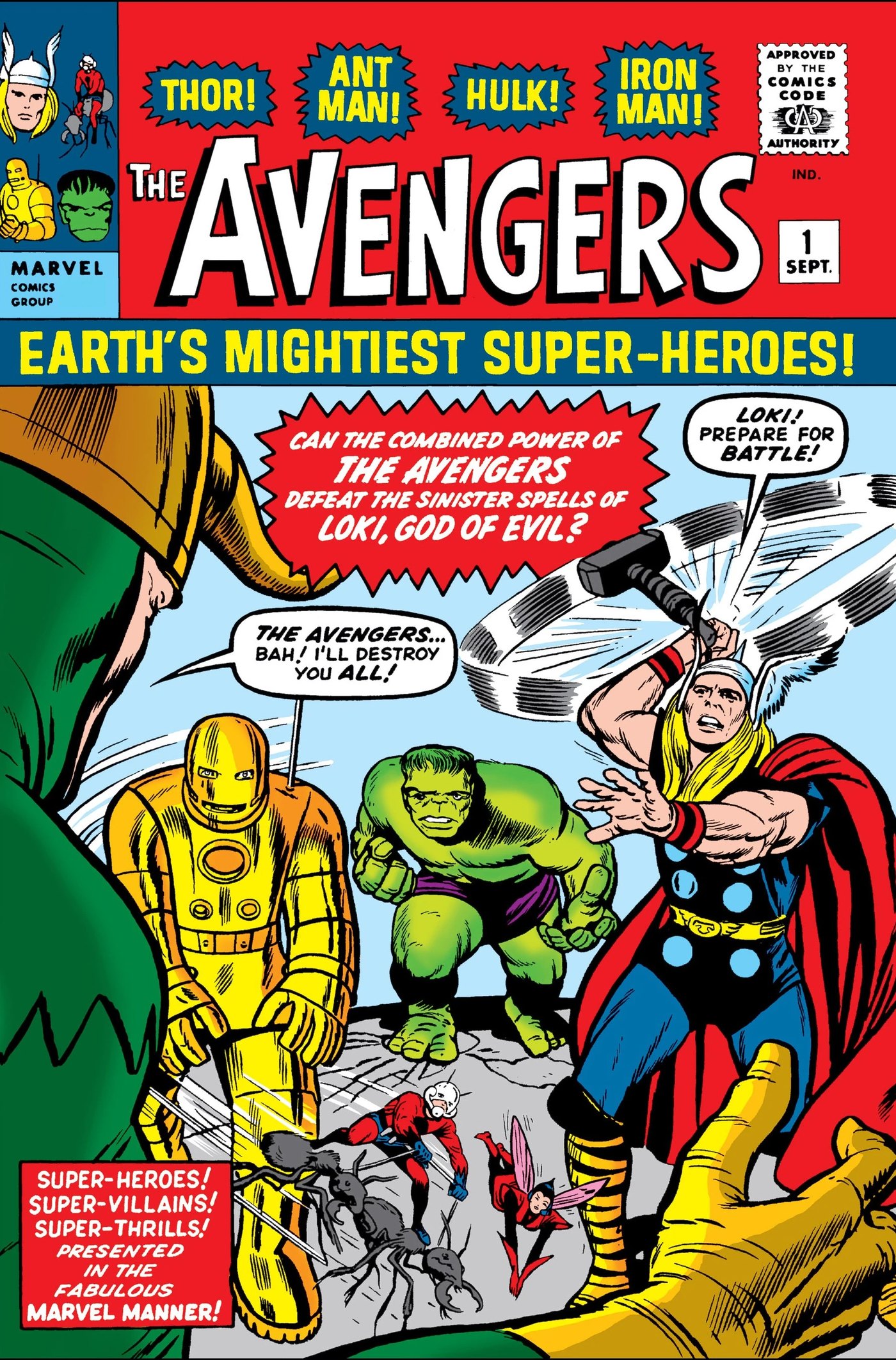
Loki’s single most consequential feat is not really a magic trick at all — it is a frame-up. In The Avengers #1 (September 1963), Loki manipulates the Hulk into a rampage to lure Thor into a trap, prompting Iron Man, Ant-Man and the Wasp to respond. By the time everyone realizes Loki engineered the whole thing, the five of them have already decided to keep fighting together — the exact moment the Avengers become a team. Loki’s own deception is the reason the group that has stopped him more often than anyone else in the Marvel Universe exists in the first place.
Decades later, Kieron Gillen’s Journey Into Mystery (2011) gave Loki a feat of an entirely different kind: reborn as a child after his previous death, he spends the run manipulating players as large as Hela and Mephisto to write himself out of a fate his own ghost is trying to force on him. Nothing in that arc is a fight. It is Loki rewriting his own story against pressure from the story itself, which is the feat that earned him the God of Stories title he still carries.
Doctor Strange’s defining early feat is a bargain, not a beatdown. In Strange Tales #127 (1966), he helps Dormammu reseal the Mindless Ones after the demon’s own duel-magic weakens the barrier holding them — and asks two things in payment: spare his ally, and never invade Earth. Dormammu swears both vows. Marvel’s own account of the encounter is explicit that Strange wins by negotiation, not force — the same currency Loki trades in, just deployed honestly.
The title has moved since then. Strange gave up Earth’s Sorcerer Supreme mantle during Blood Hunt and has spent 2025 and 2026 as the first Sorcerer Supreme of Asgard instead, while Scarlet Witch holds the Earth seat. Our companion piece on Scarlet Witch vs. Doctor Strange covers that handover in full; the short version is that the office changed hands, but Strange’s underlying toolkit — borrowed power, precise application, zero interest in a fair start — has not.
The One Time They Actually Clashed: Thor: Ragnarok’s Illusion Trap
There is no dedicated solo battle between Loki and Doctor Strange in mainline Marvel comics, but the MCU gave them a real, documented encounter in Thor: Ragnarok (2017) — and it is more useful to this comparison than any hypothetical fight would be, because it is trickery against trickery rather than power against power. When Thor and Loki arrive on Earth looking for Odin, Strange intercepts them at the Sanctum Sanctorum and, instead of fighting Loki, traps him in a repeating illusion — dropping him through a portal into a freefall loop for what Loki, once released, furiously reports was “thirty minutes.” An early cut of the scene punished Loki even more bluntly, before the filmmakers settled on the falling loop instead.
The reason that scene works as more than a joke is mechanical, not comedic: Strange beats the God of Mischief at his own specialty. Loki’s entire method is convincing someone that a false thing is real. Strange does the identical thing back to him, with more raw magical technique behind it, and Loki cannot tell the difference from the inside. Illusion loses to illusion plus power — which is precisely the mismatch this whole comparison keeps circling back to.
The scene also lands at a moment when Loki’s commercial pull was near its peak. When Marvel gave him a solo Disney+ series, its second-season finale pulled 11.2 million global views in its first three days in November 2023, a 3% increase on the show’s own premiere — proof that the character built on being underestimated had, by that point, become one of Marvel’s biggest draws in his own right.
The Verdict: Battle of Wits vs. Battle of Magic
Score it as a battle of magic and Doctor Strange wins clearly: more raw output, a wider and more destructive spell list, and an artifact engineered to strip away exactly the kind of deception Loki relies on. Score it as a battle of wits under conditions Loki actually controls — a con with time to set up, a room full of people he can turn against each other, a story he gets to write the ending of — and Strange’s spellbook stops mattering, because the fight Strange trained for never starts.
The Ragnarok trap is the tell. Strange did not out-muscle Loki; he out-tricked him, in Loki’s own preferred medium, because Strange had more actual power backing the trick. That is the whole argument in one scene: Loki’s method beats opponents who play fair, and loses to the one opponent willing to lie better than he does.
Frequently Asked Questions
Who would win in a fight, Loki or Doctor Strange?
In a fight Strange sees coming, he wins. His signature artifact, the Eye of Agamotto, is built specifically to reveal illusions, and his catalog of wards, bindings and borrowed offensive spells outclasses Loki’s own combat magic. Loki’s real advantage only appears before the fight starts, in a setup he controls.
Has Loki ever actually fought Doctor Strange?
Not in a dedicated solo battle in mainline Marvel comics. Their clearest documented encounter is in the film Thor: Ragnarok (2017), where Strange traps Loki in a repeating illusion at the Sanctum Sanctorum rather than fighting him directly, beating the trickster with a trick of his own.
Is Loki more powerful than Doctor Strange?
Not in raw magical output. Loki’s abilities — shapeshifting, illusion, hypnosis — are built for deception rather than force, while Strange commands offensive and defensive sorcery petitioned from the Vishanti and other entities. Loki’s real strength is narrative and psychological, not a higher power tier.
Does the Eye of Agamotto counter Loki’s magic?
In the comics, yes, mechanically. The Eye is an artifact of revelation that dispels illusion and forces truth into the open — it is not a Time Stone housing, which is an MCU-only change. That makes it one of the few objects in Marvel purpose-built to unmask the exact kind of deception Loki specializes in.