A third-party committee investigating Shogakukan received reports of 44 incidents of sexual and other misconduct, and concluded the publisher lacked the systems to keep from “encouraging and supporting” human-rights violations. Shogakukan has announced five corrective measures and cut executive pay, including a 50% reduction for its president.
What the committee found
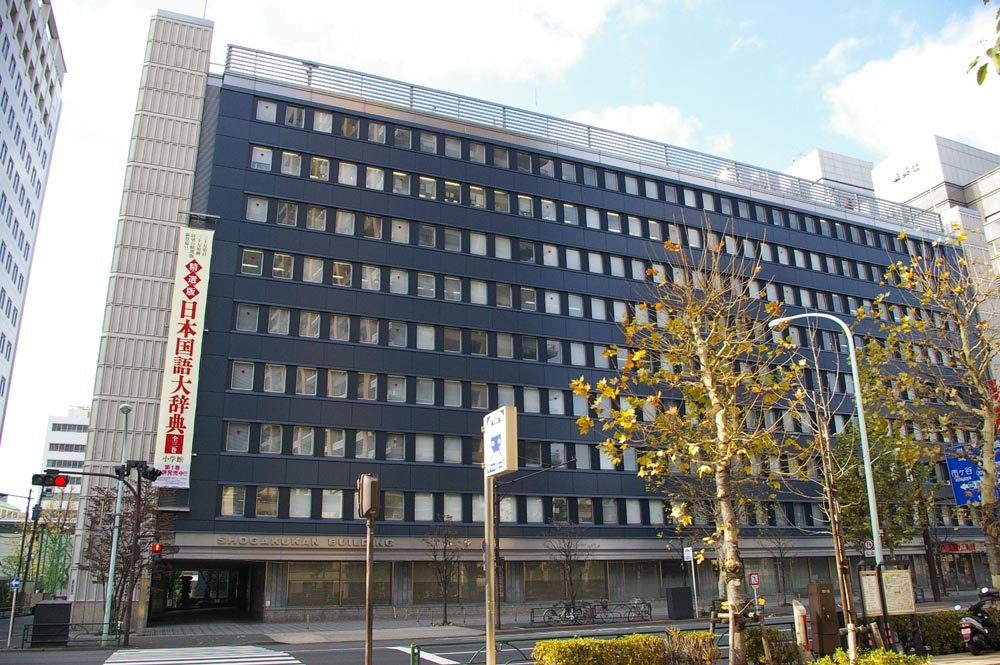
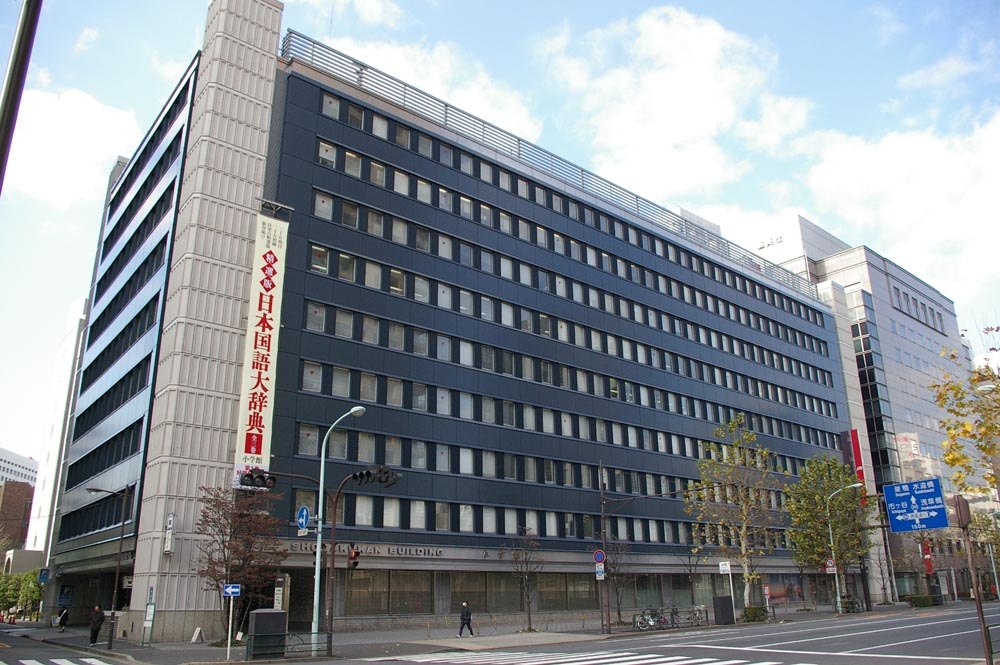
Shogakukan — publisher of Weekly Shonen Sunday, Big Comic Spirits and the Manga ONE app, and one of the three largest manga publishers in Japan — commissioned an external investigation into its Manga ONE editorial department and its dealings with manga creator Shōichi Yamamoto. The committee published a summary of its findings on August 3, 2026, and the company followed with its response the next day.
The committee ran dedicated hotlines during the investigation and received reports of 44 incidents. Those reports were not confined to the case that triggered the review. They included alleged misconduct by senior executives, employees abusing positional authority, and editors behaving improperly toward the creators they worked with.
The committee’s structural conclusions were blunt. Shogakukan, it found, did not consistently have systems capable of:
- recognising the perspective of people whose rights had been violated;
- preventing the company from encouraging and supporting human-rights violations;
- acknowledging the inherent power imbalance between editors and the authors and other outside contributors they commission;
- identifying and managing significant risk.
The Yamamoto case behind the investigation
Shōichi Yamamoto was convicted in February 2020 of violating Japan’s Child Prostitution and Child Pornography Prohibition Act and fined 300,000 yen. In a February civil ruling this year, a court ordered him to pay 11 million yen — roughly $71,000 — in damages to a woman who said he had repeatedly sexually abused and raped her while she was a high-school student in Sapporo and he was her teacher.
The question the committee was asked was not whether Yamamoto had done these things — the courts had answered that — but what his publisher knew, and what it did. Its answer, that the company “encouraged and supported” the violation of a victim’s rights, is about as severe a finding as a Japanese third-party committee typically issues.
The five measures Shogakukan announced
| Measure | Detail |
|---|---|
| Human Rights Commission | A new commission led by senior managing director Kumiko Hanazuka |
| Training | Regular human-rights training for staff and for external creators |
| Contracts | Revised contracts with external creators, adding human-rights clauses |
| Board oversight | Regular reporting of human-rights violations to the Board |
| Grievance system | A new system aligned with the UN Guiding Principles, with anonymous reporting and psychological counselling for victims |
On accountability, the company’s president will take a 50% salary cut for three months; other executives take cuts of 20–30% over the same period.
Why the contract clause is the only measure that changes the power balance
Four of those five measures are internal. Commissions, training, board reporting and grievance channels all operate on Shogakukan employees, and they are the standard package a Japanese company assembles after a third-party report. They are not nothing. They are also not the problem the committee actually identified.
The committee’s sharpest finding was about the power imbalance between editors and authors. That imbalance is not primarily cultural — it is contractual. A serialised mangaka’s income, publication schedule, assistant budget, volume releases and adaptation rights typically all flow through a single editorial relationship at a single publisher. An author who objects to an editor’s conduct is not filing an HR complaint about a colleague. They are risking the only distribution channel their work has.
Only one of the five measures touches that: putting human-rights clauses into contracts with external creators. Whether it means anything depends entirely on details that have not been published — whether those clauses are enforceable by the creator, whether there is a remedy short of termination, and whether an author can invoke them without losing their serialisation. Everything else is Shogakukan policing Shogakukan.
The wider context the industry is not going to enjoy
This is the second time in three years that a Japanese manga publisher’s treatment of the creators it depends on has become a national story. The 2024 death of Sexy Tanaka-san author Hinako Ashihara, following a dispute over changes made to her work in a live-action adaptation, prompted its own investigations at both Shogakukan and the broadcaster Nippon TV, and produced the same broad diagnosis: a creator with limited leverage inside a system built around the people commissioning her.
The structural point is that manga’s editorial model — an editor paired closely with an artist, with enormous informal influence over the work and the career — is also the model widely credited for the industry’s quality and output. It is very hard to reform the failure mode without touching the thing that works. That is presumably why publishers have been slow to, and why a package of five measures with one contractual clause in it is the shape the response has taken.
For background on how the manga industry is structured and where its pressures come from, see our pieces on how manga demographics actually work, manhwa versus manga, and Shonen Jump’s circulation decline.
Frequently Asked Questions
What did the Shogakukan third-party investigation find?
The committee received reports of 44 incidents of sexual and other misconduct through its hotlines, including misconduct by senior executives, employees abusing positional authority, and editors acting improperly toward creators. It concluded Shogakukan lacked sufficient systems to prevent it from encouraging and supporting human-rights violations, and that the company had not properly recognised the power imbalance between editors and authors.
Who is Shoichi Yamamoto?
A manga creator convicted in February 2020 of violating Japan’s Child Prostitution and Child Pornography Prohibition Act, fined 300,000 yen. In a February 2026 civil ruling a court ordered him to pay 11 million yen in damages to a woman who said he sexually abused and raped her when she was a high-school student and he was her teacher in Sapporo.
What is Shogakukan doing about it?
Five measures: a new Human Rights Commission led by senior managing director Kumiko Hanazuka, regular human-rights training for staff and external creators, revised creator contracts with human-rights clauses, regular board-level reporting of violations, and a new grievance system compliant with the UN Guiding Principles including anonymous reporting and counselling for victims. Executives also took pay cuts for three months, 50% for the president and 20-30% for others.
Is this related to the Sexy Tanaka-san case?
It is a separate investigation into a different matter, but the two are widely discussed together because both concern Shogakukan and both centre on the leverage a publisher holds over the creators it works with.
Sources: Shogakukan’s published summary of the third-party committee’s findings and its August 4 list of measures, as reported by Anime News Network and The Japan Times.