The Alien movies, ranked, start with the death that reopened the conversation: Tom Skerritt, who played Captain Dallas in the original 1979 film, died October 23, 2026, at 93. Seven films and 47 years later, the franchise’s highs and lows are more settled than the debates around them suggest — critics agree almost unanimously on which two are untouchable.
Last updated October 25, 2026.
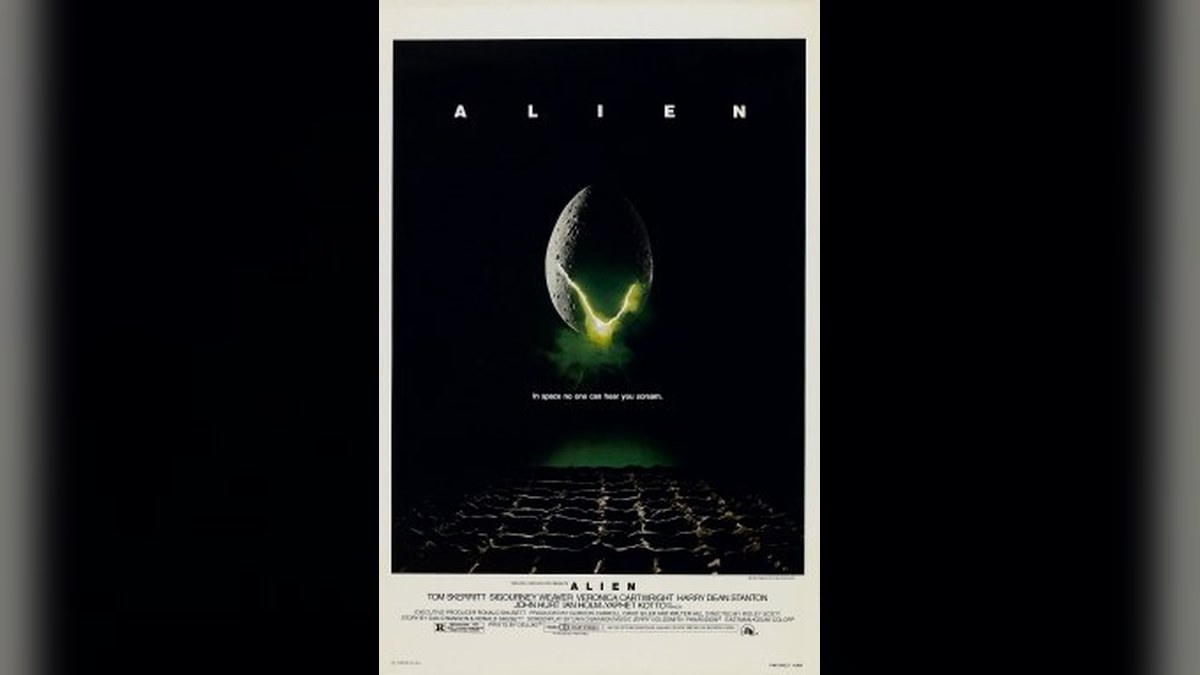
Tom Skerritt played Dallas, the Nostromo’s doomed captain, in Ridley Scott’s original Alien, and his death this week is as good a reason as any to settle where all seven films actually land. This ranking uses Rotten Tomatoes’ critic consensus alongside box office performance, worst to best.
| Rank | Movie | Year | Director | RT Score | Worldwide Box Office |
|---|---|---|---|---|---|
| 7 | Alien 3 | 1992 | David Fincher | 44% | $159 million |
| 6 | Alien: Resurrection | 1997 | Jean-Pierre Jeunet | 55% | $161 million |
| 5 | Alien: Covenant | 2017 | Ridley Scott | 65% | $240.9 million |
| 4 | Prometheus | 2012 | Ridley Scott | 73% | ~$403 million |
| 3 | Alien: Romulus | 2024 | Fede Álvarez | 83% | $315.3 million |
| 2 | Alien | 1979 | Ridley Scott | 93% | $188 million |
| 1 | Aliens | 1986 | James Cameron | 94% | $183 million |
7. Alien 3 (1992)

David Fincher’s feature debut opens by killing off two of Aliens’ surviving characters off-screen and strands Ripley on a prison planet with no weapons. Critics landed at a 44% on Rotten Tomatoes, and Fincher has disowned the finished film for years, citing a script rewritten during production and a cut he didn’t control.
It still made $159 million worldwide, which says more about the franchise’s drawing power in 1992 than it does about the film’s reception. (Rotten Tomatoes)
6. Alien: Resurrection (1997)
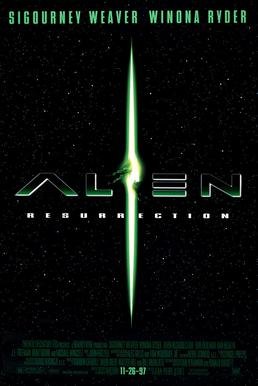
Jean-Pierre Jeunet brought a cloned, part-xenomorph Ripley back 200 years after Alien 3’s ending, with Joss Whedon writing the script and Winona Ryder joining the cast. It scored 55% with critics and made $161 million worldwide — a modest improvement over Alien 3’s reception, but it was the last Alien film for 15 years, until Prometheus revived the franchise.
5. Alien: Covenant (2017)

Ridley Scott returned to directing with this Prometheus follow-up, pairing Michael Fassbender’s David against a new synthetic, Walter, aboard a colony ship. It scored 65% with critics and made $240.9 million worldwide against a reported $97 million budget — a real drop from Prometheus’ numbers both critically and commercially. (Box Office Mojo)
Scott isn’t done with this corner of the story: he confirmed in an interview published August 29, 2026, that he’s personally rewriting a direct Covenant sequel bringing Fassbender’s David back.
4. Prometheus (2012)
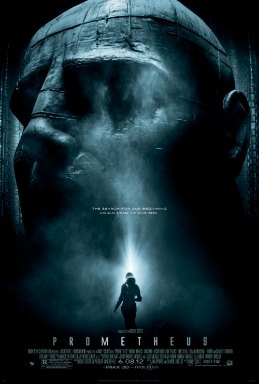
Ridley Scott’s return to the franchise traded the claustrophobic horror of the earlier films for bigger questions about human origins, with Noomi Rapace and Michael Fassbender leading a crew that finds a lot more than they bargained for. It landed at 73% with critics and grossed roughly $403 million worldwide, a box office record for the franchise that held until Alien: Romulus.
3. Alien: Romulus (2024)

Fede Álvarez’s “Alien: Romulus” deliberately shrinks the scale back down to a small cast trapped in close quarters with one xenomorph, the formula that made the first two films work. Critics responded: 83% on Rotten Tomatoes, the franchise’s best score since Aliens itself, on a $315.3 million worldwide total and the second-biggest opening weekend in franchise history behind Prometheus.
2. Alien (1979)
Ridley Scott’s original is still the template: a working-class crew on a cargo ship, one creature, and a slow build that doesn’t let up once it starts. Tom Skerritt played Dallas, the Nostromo’s captain, alongside Sigourney Weaver’s Ripley, and the film holds a 93% critic score and $188 million worldwide on what was then a modest budget.
Skerritt’s death this week is a reminder of how small and human that original crew was meant to feel — a trait almost every sequel has tried, and mostly failed, to recapture. (Wikipedia)
1. Aliens (1986)

James Cameron’s sequel is the one point of near-universal agreement in the franchise: a 94% critic score, the highest of any Alien film, built by swapping Scott’s slow-burn horror for a rescue mission that turns into a siege. It made $183 million worldwide and introduced Ripley as an action lead without ever losing the dread of the original.
So Which Alien Movie Should You Actually Watch First?
Start with Alien and Aliens in release order — they’re the two films every other entry on this list is reacting to, for better or worse, and they’re also simply the two best-reviewed films in the franchise.
Why Did Romulus Score So Much Better Than Covenant?
The pattern across all seven films is consistent: every time the franchise tries to out-scale Aliens with bigger lore or a bigger threat — Resurrection, Prometheus, Covenant — the critic score drops. Romulus is the first sequel in over a decade to go back the other way, to a small, trapped cast and one creature, and it’s also the first sequel since Aliens to land above 80% with critics. The franchise’s two modes aren’t equally reliable, and the data says so.
Tom Skerritt’s full career is covered in our report on his death at 93. For a Marvel/Alien crossover, see Alien vs. Captain America, and for the newest film, our Alien: Romulus watch guide.
Frequently Asked Questions
What is the best-reviewed Alien movie?
Aliens (1986) holds the franchise’s highest Rotten Tomatoes score at 94%, narrowly ahead of the original Alien (1979) at 93%.
What order should I watch the Alien movies in?
Release order works best for most viewers: Alien (1979), Aliens (1986), Alien 3 (1992), Alien: Resurrection (1997), Prometheus (2012), Alien: Covenant (2017), and Alien: Romulus (2024). Prometheus and Covenant are prequels but were made and are best understood after seeing the originals.
Did Tom Skerritt play Dallas in Alien?
Yes. Tom Skerritt played Captain Dallas, the commanding officer of the Nostromo, in Ridley Scott’s 1979 film Alien. Skerritt died October 23, 2026, at age 93.
Is there another Alien movie coming after Romulus?
Ridley Scott confirmed in an interview published August 29, 2026, that he is personally rewriting a direct sequel to Alien: Covenant that will bring back Michael Fassbender’s android David.