Quick TakeArticle at a glance
- The best Spider-Man comic storylines all share one move: they take something Peter Parker loves and make it cost him.
- Gerry Conway and Gil Kane ended the Silver Age in two issues when the Green Goblin killed Gwen Stacy in 1973.
- Dan Slott spent a year letting readers hate Doctor Octopus wearing Peter's body in Superior Spider-Man before earning the turn back.
The best Spider-Man comic storylines are not really about the villain of the week. They are about what being Spider-Man takes out of Peter Parker — his girlfriend, his marriage, his own body, even his own face. Fifty-plus years of Amazing Spider-Man have produced a handful of stories that changed what the character could survive, and nine of them still shape every Spider-Man comic, cartoon, and movie made today.
At a Glance: The 9 Storylines
| Storyline | Year | Writer / Artist | Why It Still Matters |
|---|---|---|---|
| The Night Gwen Stacy Died | 1973 | Gerry Conway / Gil Kane | Ended the Silver Age in two issues |
| Kraven’s Last Hunt | 1987 | J.M. DeMatteis / Mike Zeck | The story where the hero loses |
| The Death of Jean DeWolff | 1985 | Peter David / Rich Buckler | Peter David’s breakout, and Spider-Man’s angriest comic |
| Maximum Carnage | 1993 | David Michelinie, Tom DeFalco & others / various | A 14-part crossover that made Carnage a horror icon |
| The Clone Saga (opening arc) | 1994–96 | Terry Kavanagh, J.M. DeMatteis & others / various | The most notorious editorial mess in Spider-Man history |
| Spider-Verse | 2014–15 | Dan Slott & others / Olivier Coipel & others | Built the multiverse concept the movies later ran with |
| Superior Spider-Man | 2013–14 | Dan Slott / Ryan Stegman, Humberto Ramos | Doctor Octopus spends a year being a better Spider-Man than Peter |
| One More Day | 2007 | J. Michael Straczynski / Joe Quesada | The most polarizing retcon Marvel ever published |
| Spider-Man: Blue | 2002–03 | Jeph Loeb / Tim Sale | A love letter to Gwen Stacy told entirely in flashback |
1. The Night Gwen Stacy Died Is the Story Every “Dark” Superhero Comic Owes a Debt To
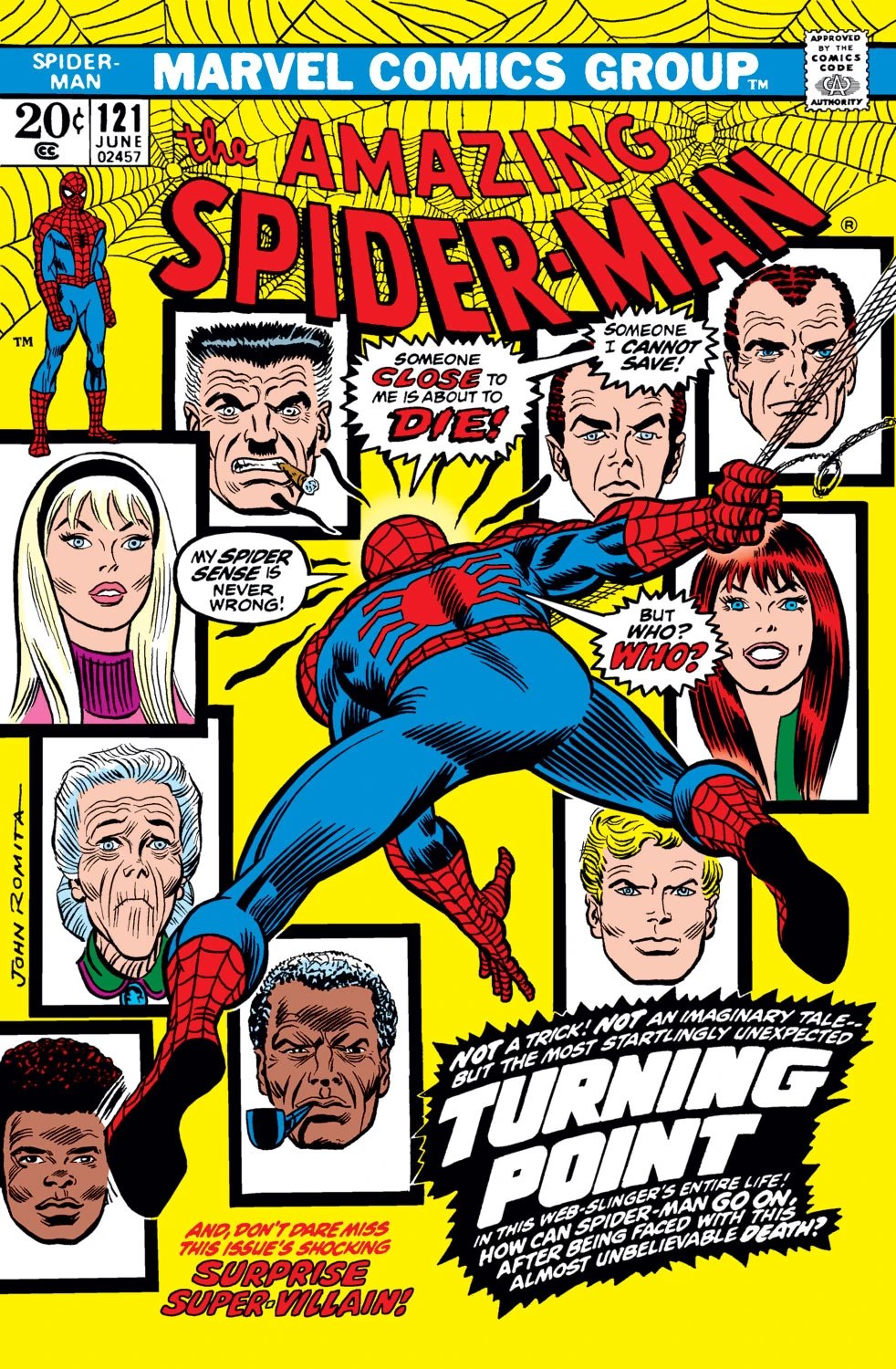
Gerry Conway and Gil Kane spent two issues of The Amazing Spider-Man (#121–122, June–July 1973) undoing the idea that superhero comics were safe. The Green Goblin throws Gwen Stacy off the Brooklyn Bridge, Spider-Man fires a web line to catch her, and the whiplash snaps her neck before he can pull her back up — a detail the original script left ambiguous but that later reprints and nearly every adaptation since have made explicit. It is the single most referenced panel in Spider-Man history, and the original art for the issue’s cover has sold at auction for figures most Silver Age comics never approach, including a $286,800 Heritage Auctions sale in 2013. Every Spider-Man story that followed had to reckon with the fact that Peter Parker had already lost the fight that mattered most.
2. Kraven’s Last Hunt Is the One Where Spider-Man Actually Loses
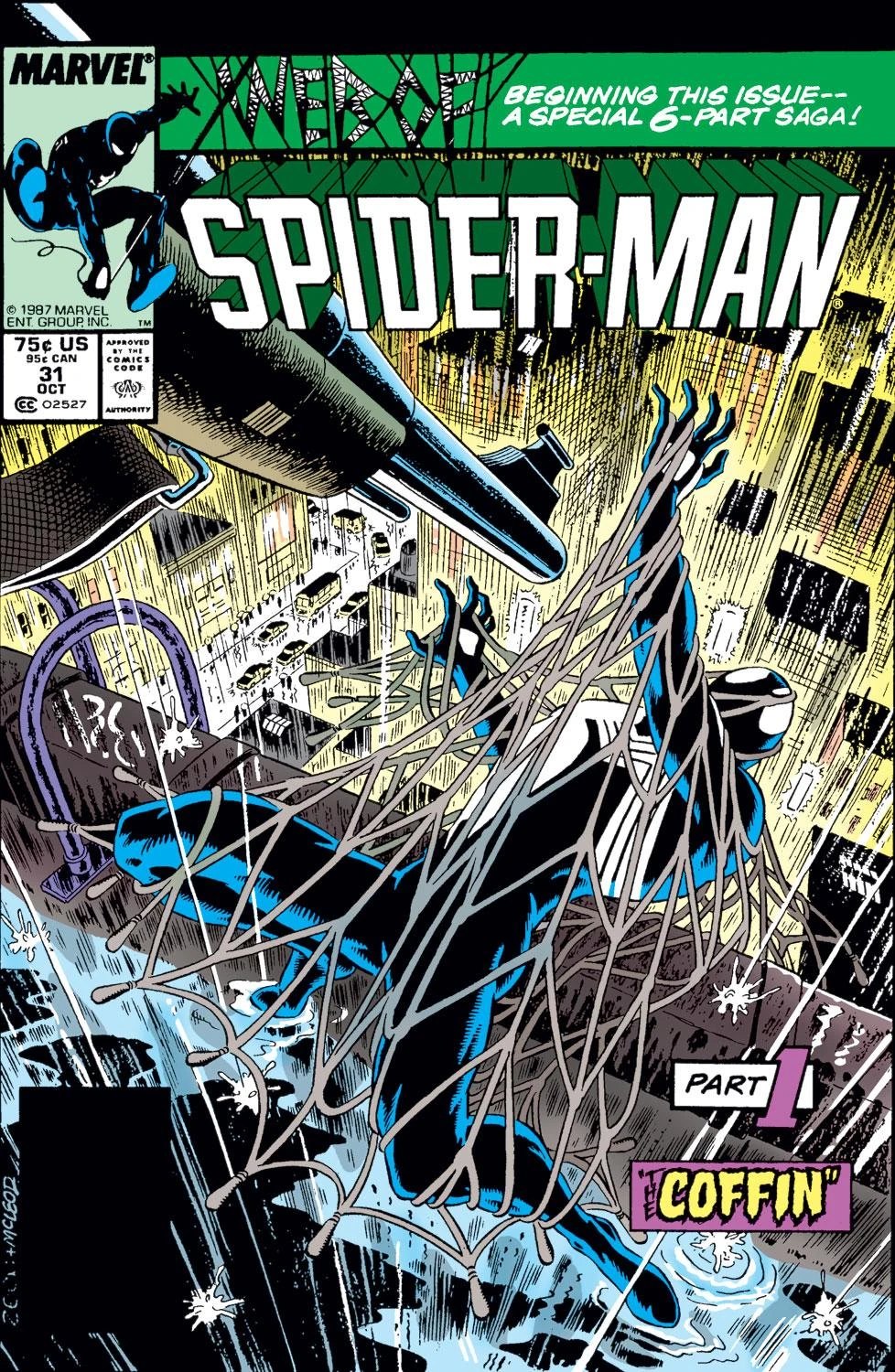
J.M. DeMatteis and Mike Zeck’s 1987 crossover (across Web of Spider-Man #31–32, Amazing Spider-Man #293–294, and Peter Parker, The Spectacular Spider-Man #131–132) takes a campy Kirby-era villain and makes him terrifying by having him win. Kraven shoots Spider-Man, buries him alive, and spends two weeks wearing the costume himself to prove he was always the better hunter — then takes his own life once there is nothing left to prove. It is still the comic most writers point to when they want to argue that Spider-Man villains can be genuinely literary, not just colorful.
3. The Death of Jean DeWolff Is the Angriest Comic Marvel Ever Let Spider-Man Star In
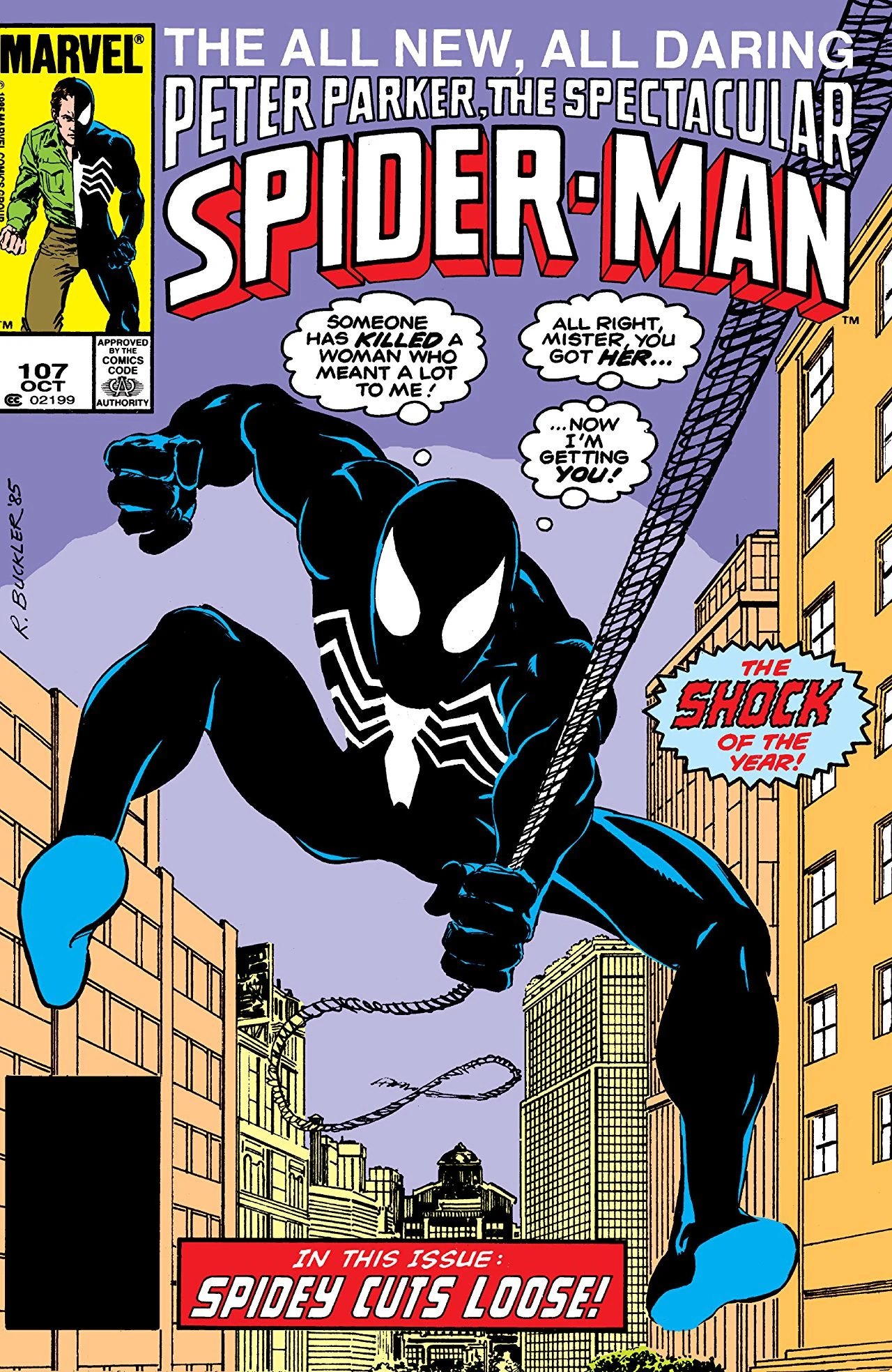
Peter David was a few months into his first ongoing writing job when he scripted Peter Parker, The Spectacular Spider-Man #107–110 (October 1985–January 1986), and it remains one of the only Spider-Man stories where Peter crosses into genuine rage. His police-captain friend Jean DeWolff is murdered by her own partner-turned-vigilante, and Spider-Man teams with a similarly unhinged Daredevil to hunt the killer — at one point having to be talked out of finishing the job himself. It reads less like a typical Spider-Man comic and more like a Daredevil story that happened to borrow the costume, which is exactly why fans still bring it up decades later.
4. Maximum Carnage Turned a C-List Symbiote Into a Horror Icon
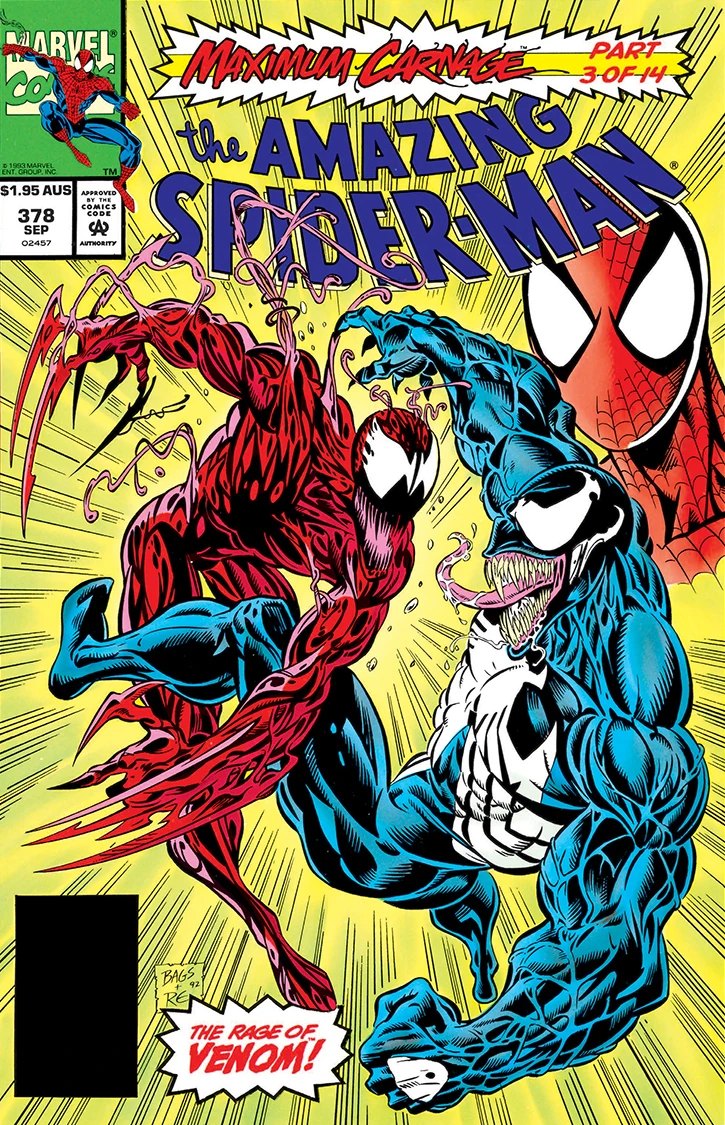
Fourteen issues across four Spider-Man titles in the summer of 1993, written primarily by David Michelinie and Tom DeFalco, forced Spider-Man into an uneasy alliance with Venom just to survive Cletus Kasady’s Carnage and his gang of recruited supervillains. The story is bloated by design — that was the point of a crossover meant to run through every Spider-Man comic on the stands that month — but it is also the reason Carnage became a character horror movies and video games still reach for thirty years later, rather than staying a one-issue shock villain.
5. The Clone Saga Is the Cautionary Tale Every Editor Still References
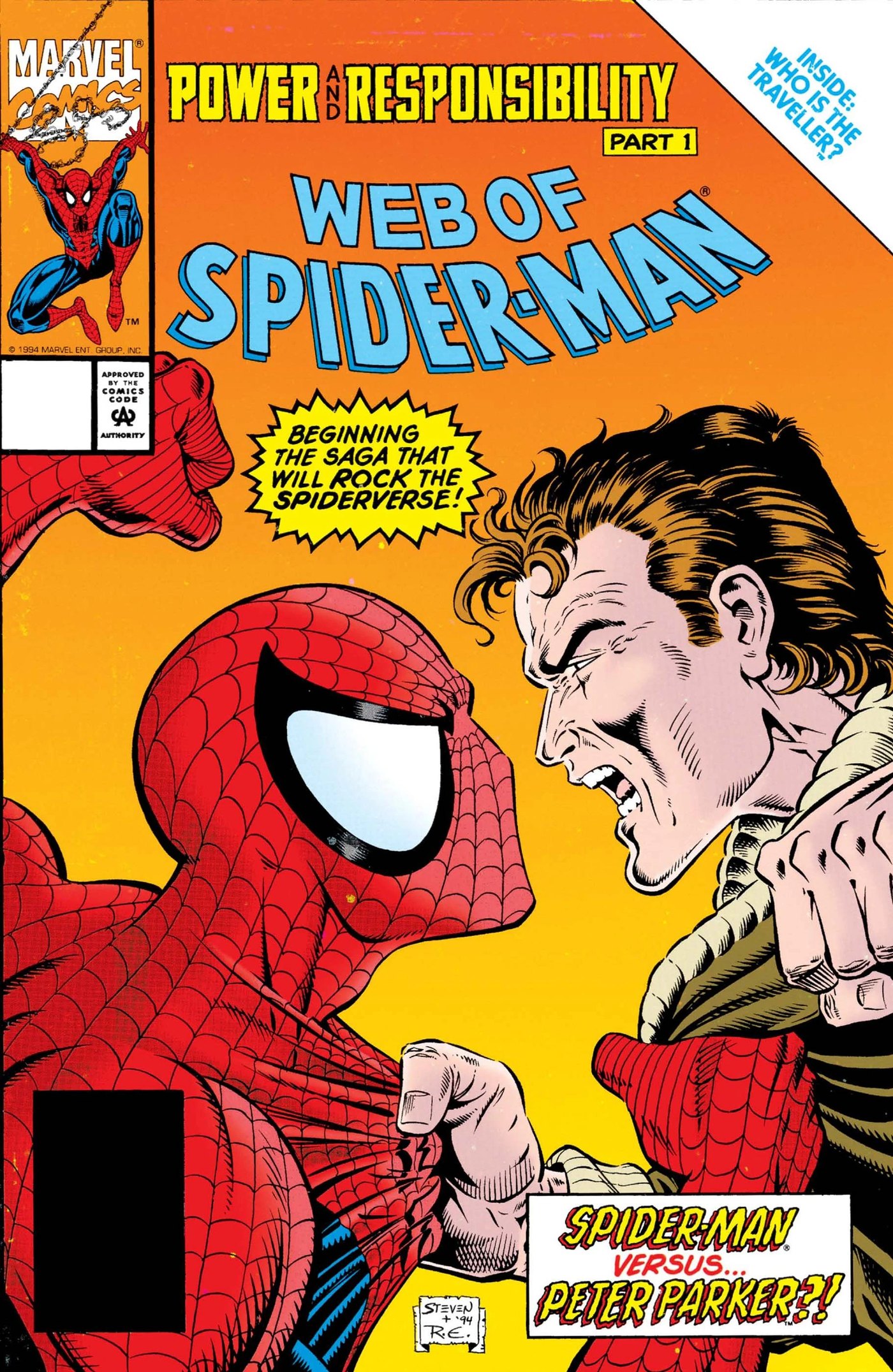
What began in Web of Spider-Man #117 (October 1994) as a tight mystery — a man claiming to be the real Peter Parker, with Peter himself cast as a possible clone — spiraled into a two-year, dozens-of-issues saga that very nearly replaced Peter Parker with Ben Reilly permanently before Marvel reversed course. It is remembered less fondly than anything else on this list, but it belongs here anyway: it is still the go-to example editors and writers cite when explaining why a good premise can collapse under corporate pressure to keep a successful gimmick running past its natural ending.
6. Spider-Verse Built the Multiverse Idea the Movies Later Ran With
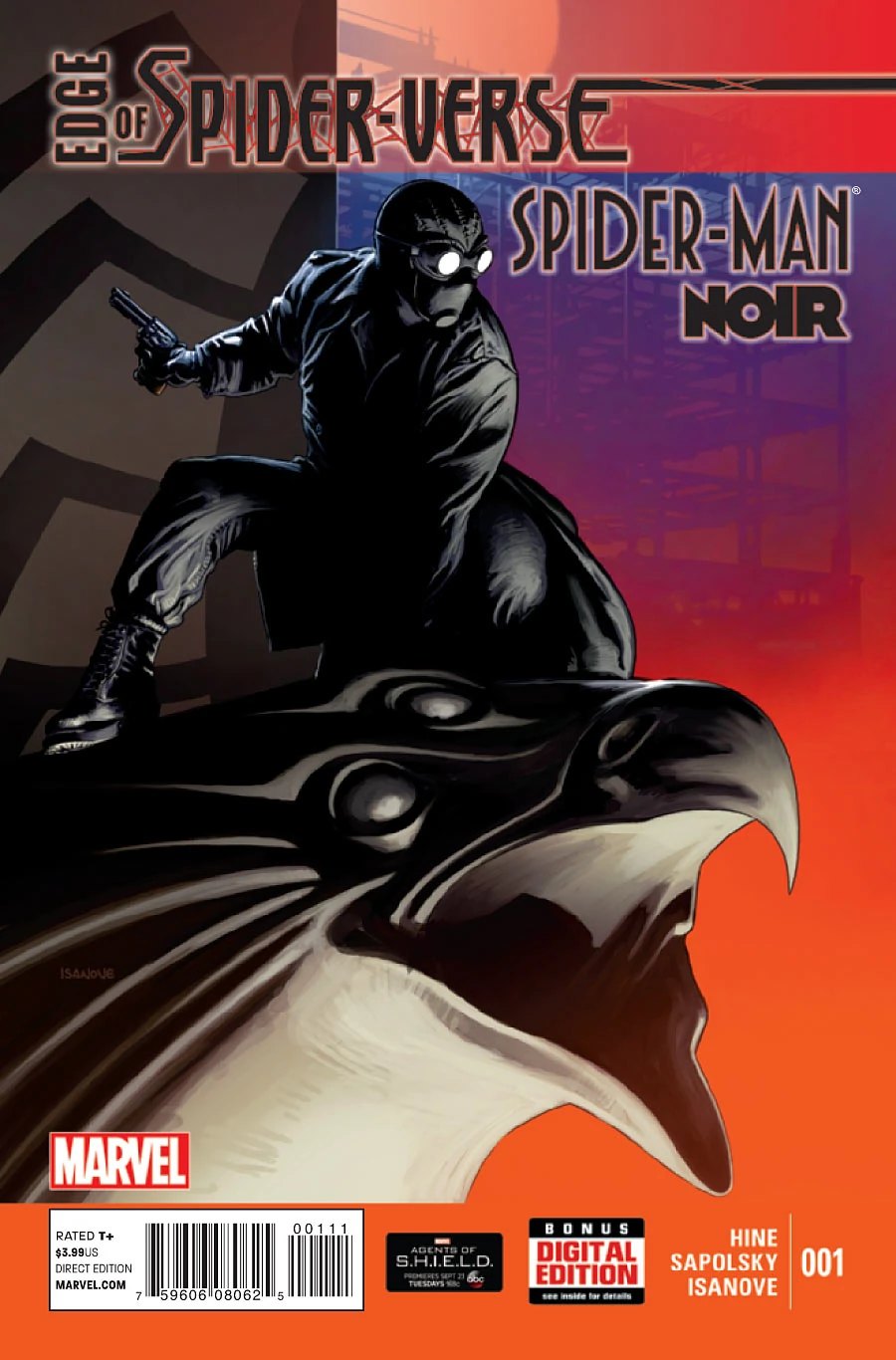
Dan Slott’s 2014–15 event grew out of the 2014 Edge of Spider-Verse anthology, whose second issue — written by Jason Latour with art by Robbi Rodriguez — introduced Spider-Gwen. The full crossover pulled Spider-People from across the Marvel multiverse together to fight a family of dimension-hopping vampires who feed on radioactive totems. It is a bigger, pulpier story than it sounds, but its real legacy is structural: it proved a multi-Spider-Man crossover could work commercially years before Into the Spider-Verse and No Way Home turned the same idea into box-office events.
7. Superior Spider-Man Made Readers Root for Doctor Octopus
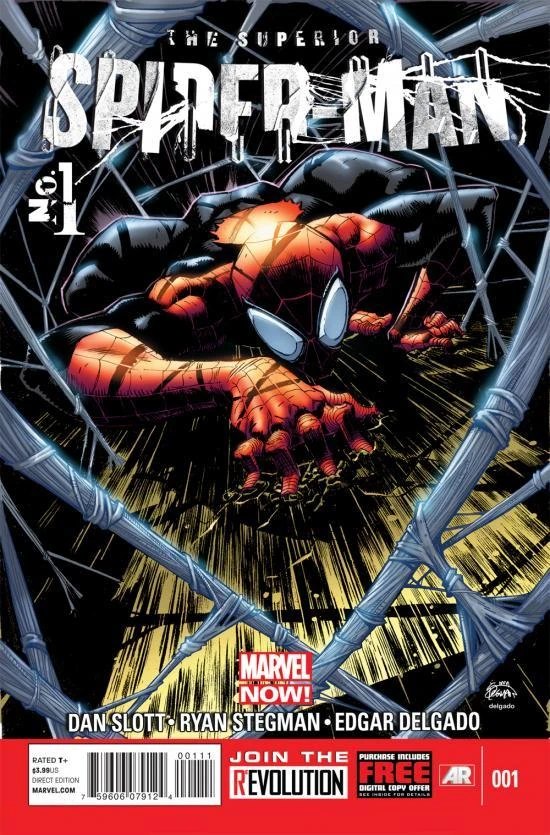
Dan Slott and Ryan Stegman closed out the original Amazing Spider-Man run at #700 (December 2012) with Otto Octavius swapping minds into Peter Parker’s body and Peter dying inside Octavius’s — but not before forcing Otto to live his memories and absorb his one non-negotiable rule. The Superior Spider-Man series that followed spent over 30 issues (January 2013–September 2014) letting a reformed supervillain be a colder, more ruthless Spider-Man, and the slow-burn redemption arc earned enough goodwill that Marvel has brought the Superior identity back more than once since.
8. One More Day Is the Retcon Spider-Man Fans Still Argue About
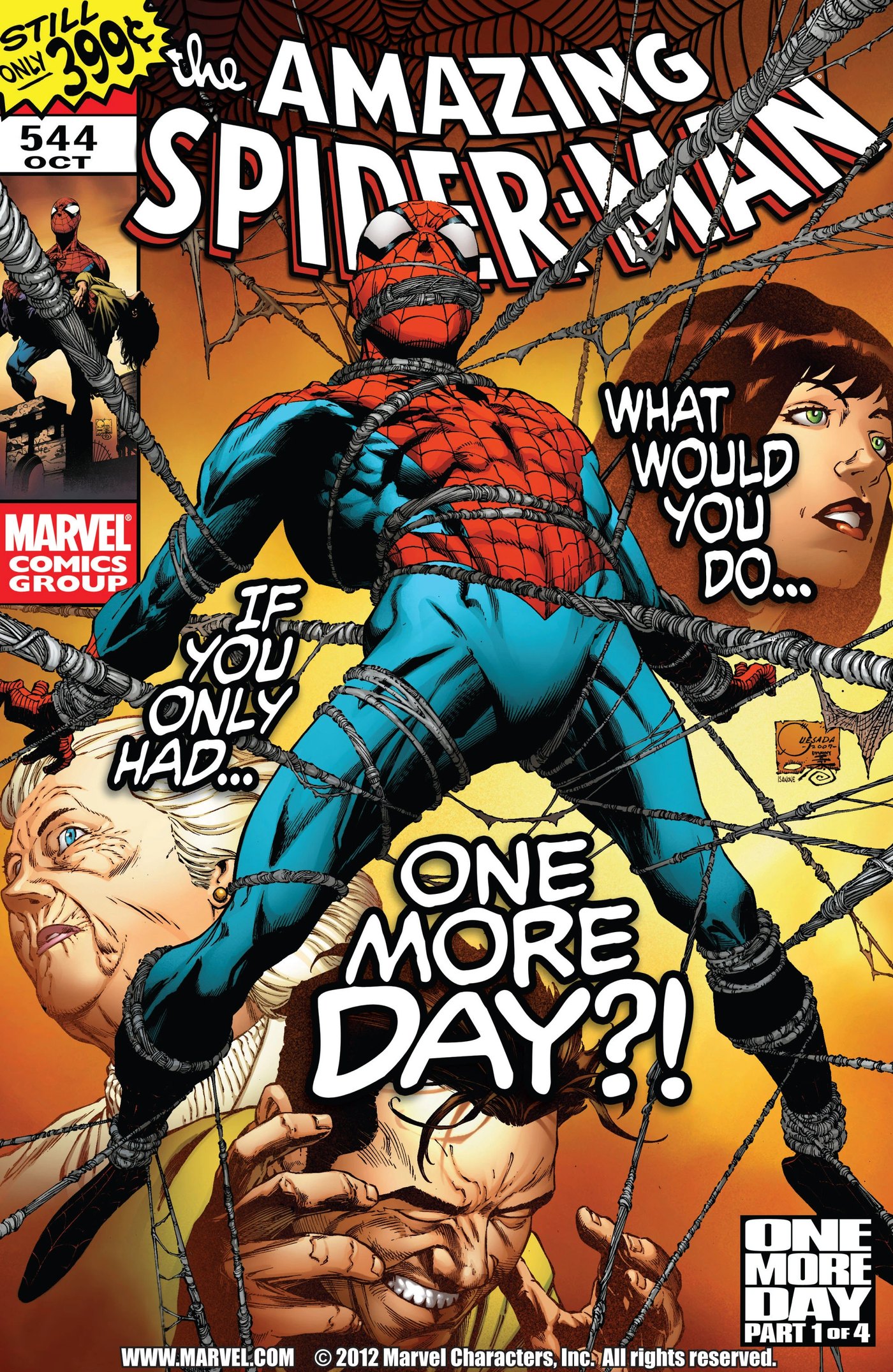
J. Michael Straczynski and Joe Quesada’s 2007 story — spread across Amazing Spider-Man #544 and the finales of Friendly Neighborhood Spider-Man and Sensational Spider-Man — has Peter and Mary Jane trade their marriage to the demon Mephisto to save a dying Aunt May’s life. It is the most litigated story on this list: Straczynski himself asked for his name to be removed from the final issue, and the debate over whether erasing the marriage was worth it has outlived most of the comics published since. Love it or hate it, every “single Peter Parker” story Marvel has told for nearly two decades now starts here.
9. Spider-Man: Blue Is the Quiet One, and It Might Be the Best-Written Entry on This List
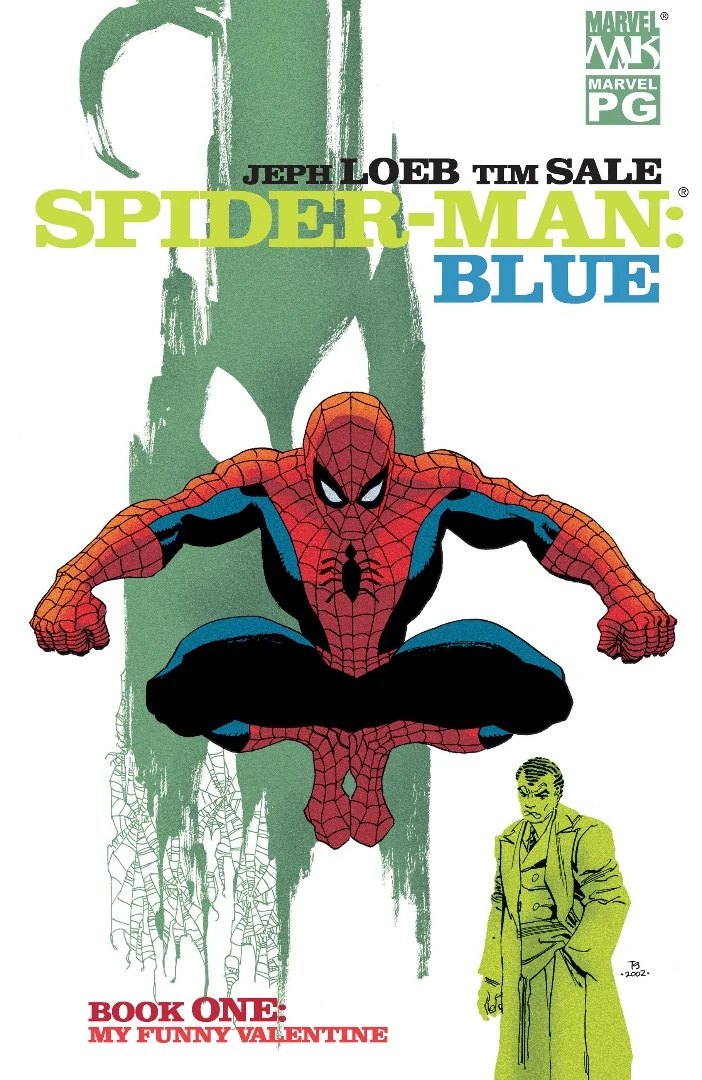
Jeph Loeb and Tim Sale’s six-issue 2002–03 miniseries skips the crossovers entirely and just lets Peter Parker record a Valentine’s Day message to a long-dead Gwen Stacy, narrating their courtship through flashbacks drawn from Amazing Spider-Man #40–48 and #63. Nothing in it rewrites continuity or kills a new character — it is simply the most emotionally controlled Spider-Man comic Marvel has published, and the one most often recommended to readers who think they have outgrown the character.
The Pattern Behind Every Great Spider-Man Story
Line these nine up and the throughline is not villains, it is loss. Gwen, Jean DeWolff, the marriage, even Peter’s own body in Superior Spider-Man — the stories that last are the ones that take something Peter can never fully get back. That is also why the messiest entry here, the Clone Saga, still gets taught alongside the best-written ones: it is proof of what happens when a story tries to avoid that cost instead of paying it. For more of the saga beyond these nine, our best Wolverine comic storylines ranking and our best Marvel Comics reading guide are good places to go next.
Frequently Asked Questions
What’s the single best Spider-Man comic to start with?
The Night Gwen Stacy Died (Amazing Spider-Man #121-122). It’s short, self-contained, and almost every later story on this list assumes you know what happened to Gwen.
Is One More Day still canon?
Yes. Marvel has never reversed it, and every major Spider-Man comic published since 2007 operates in the single-Peter-Parker timeline it created, though some alternate-universe and animated stories have quietly ignored it.
What order do you read the Clone Saga in?
Start with Web of Spider-Man #117 and Amazing Spider-Man #394-400, which cover Ben Reilly’s return and the original ‘Peter is the clone’ twist, then follow into Spider-Man #50-75 for the back half most readers consider weaker.
Did any of these storylines win major awards?
Spider-Man: Blue and Kraven’s Last Hunt are both regularly named by critics among the best Spider-Man stories ever published, and Kraven’s Last Hunt is frequently cited on best-of-the-1980s comics lists alongside Watchmen and The Dark Knight Returns.