Quick TakeArticle at a glance
- The best Wolverine comic storylines are the ones that strip away the claws and the healing factor and go after who Logan actually is underneath — a man who's outlived every version of himself and still can't fully remember which one was real.
- Before Logan was a hero, he was a lab experiment, and Weapon X is the story that finally showed the process in full.
- What makes it the best entry point isn't the violence, it's the silence — Windsor-Smith strips out almost all narration and lets sterile lab panels do the talking, so the horror comes from watching Logan lose his own name one procedure at a time.
The best Wolverine comic storylines are the ones that strip away the claws and the healing factor and go after who Logan actually is underneath — a man who’s outlived every version of himself and still can’t fully remember which one was real. From a 1991 art-horror serial to a 2022 event that finally let him die and stay dead for a while, these are the seven Wolverine stories worth reading first.
Weapon X (1991)
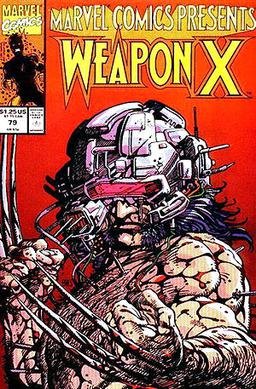
Before Logan was a hero, he was a lab experiment, and Weapon X is the story that finally showed the process in full. Barry Windsor-Smith wrote, drew, colored, and lettered all twelve chapters himself when it ran in Marvel Comics Presents #72–84 in 1991 — no co-writer, no separate inker, just one artist controlling every visual beat of a body being turned into a weapon. The adamantium bonding sequence alone is still the reference point every adaptation gets measured against, including the opening of the 2009 X-Men Origins: Wolverine film.
What makes it the best entry point isn’t the violence, it’s the silence — Windsor-Smith strips out almost all narration and lets sterile lab panels do the talking, so the horror comes from watching Logan lose his own name one procedure at a time. It originally ran unnamed and uncredited on the cover, and only got the “Weapon X” title once readers started asking Marvel what they’d just read.
Old Man Logan (2008–2009)
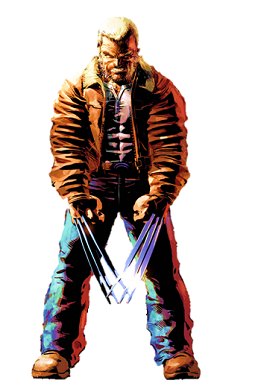
Mark Millar and Steve McNiven’s Old Man Logan ran in Wolverine (vol. 3) #66–72 plus a Giant-Size finale, and it’s the one story on this list that became a movie without ever officially adapting one — 2017’s Logan borrowed its mood, not its plot. Millar told Wizard magazine the pitch was a superhero Unforgiven: “Wolverine, as the story opens, hasn’t popped his claws in 50 years… He’s just living on a farm now, just trying to make a living, and he’s got two children and a middle-aged wife.”
The twist is what he’s actually hiding from, and it lands harder than almost any fight in the character’s history because for once the story isn’t about how strong Wolverine is — it’s about what finally broke him.
Wolverine (1982) — The Claremont & Miller Miniseries
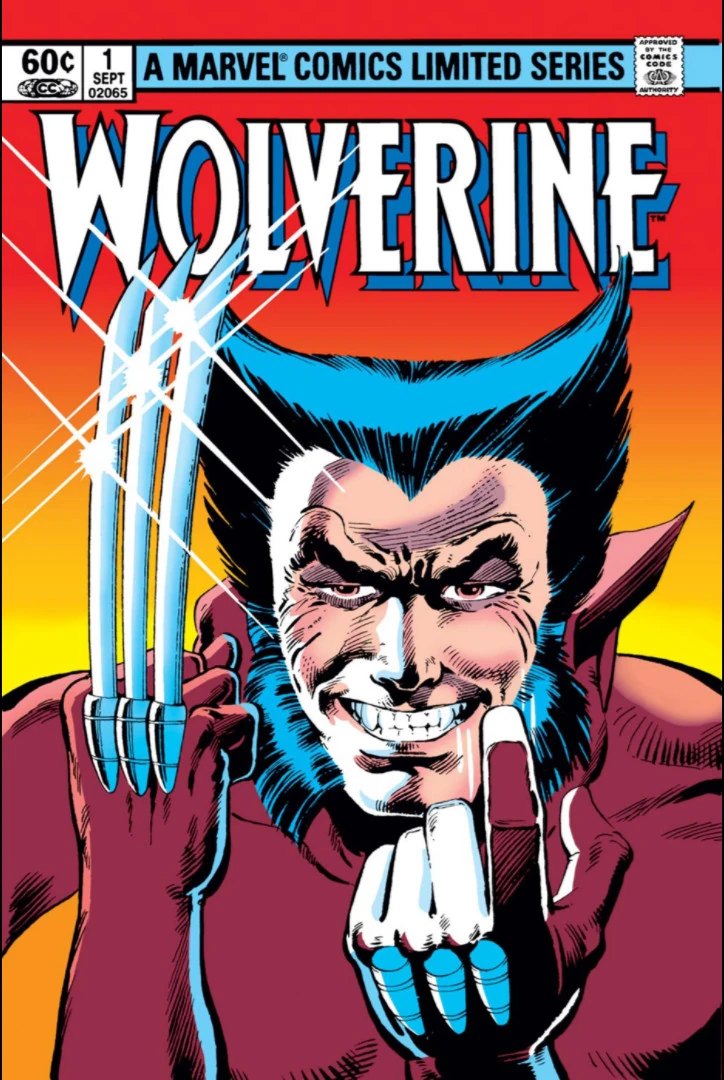
This is where Logan became a lead character instead of the X-Men’s angriest teammate. Chris Claremont wrote the four-issue series with layouts by Frank Miller and inks by Josef Rubinstein, sending Wolverine to Japan to save Mariko Yashida from her own family’s crime empire. It’s also where Yukio, the Hand, and Wolverine’s entire samurai-adjacent identity were born — nearly every “Wolverine goes to Japan” story since, on page or on screen, is working from this template.
Death of Wolverine (2014)
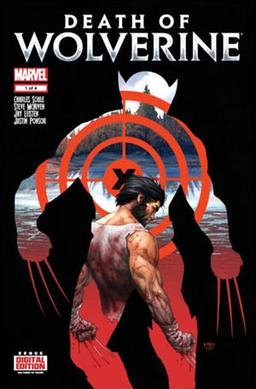
Charles Soule and Steve McNiven’s four-issue miniseries did something Marvel almost never actually follows through on: it killed Wolverine and kept him dead for three years. The setup (a virus burns out his healing factor, and every enemy he’s ever made suddenly has a window) had been building for months in the “Three Months to Die” arc, but the final issue is the one comic on this list built entirely around Logan facing a fight he can’t win by healing through it.
Enemy of the State (2004–2005)
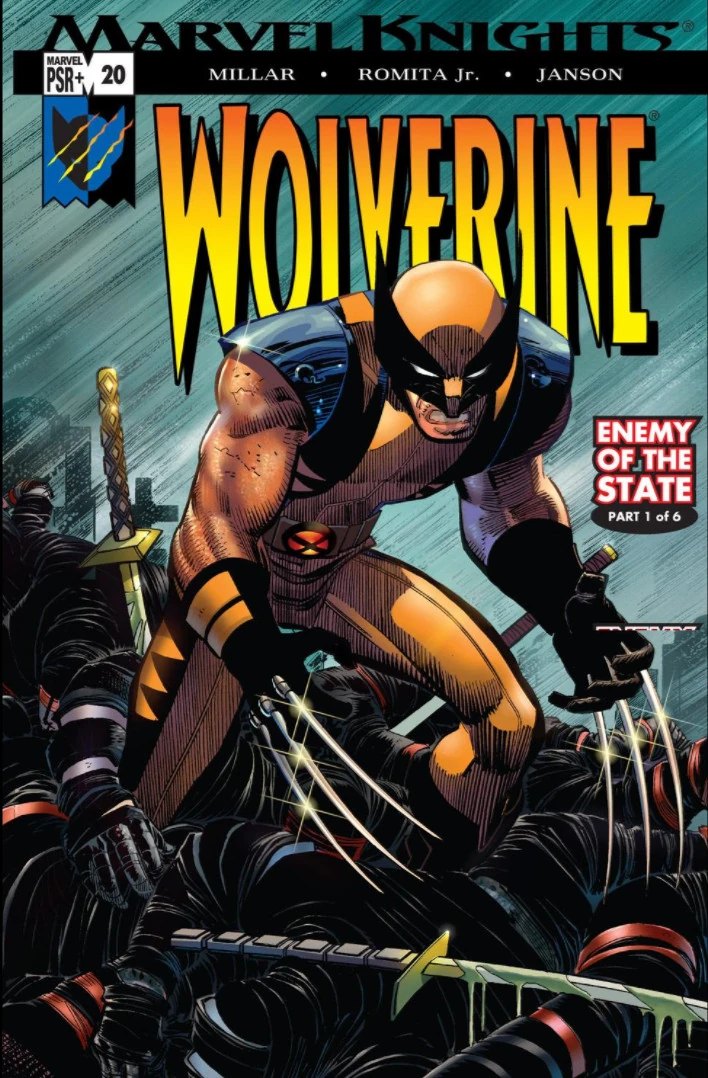
Mark Millar’s other major Wolverine arc, drawn by John Romita Jr. across Wolverine (vol. 3) #20–32, opens with Logan already dead — brainwashed and resurrected by the Hand and Hydra’s Gorgon, then set loose on the Marvel Universe as an unstoppable assassin. It’s the most purely fun entry here: a 12-issue rampage that eventually pulls in Elektra, Sabretooth, and Wolverine’s own healing factor turned into a leash.
Wolverine: Origin (2001–2002)
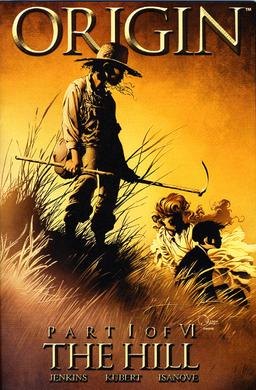
The six-issue miniseries by Paul Jenkins and Bill Jemas, drawn by Andy Kubert with digital painting from Richard Isanove, finally answered the question Marvel had dodged for 25 years: who was James Howlett before he was Wolverine? It’s a quieter, more Gothic story than anything else on this list — a 19th-century Canadian estate, a sickly boy, and the first time his claws come out by accident, not by choice.
X Lives of Wolverine / X Deaths of Wolverine (2022)
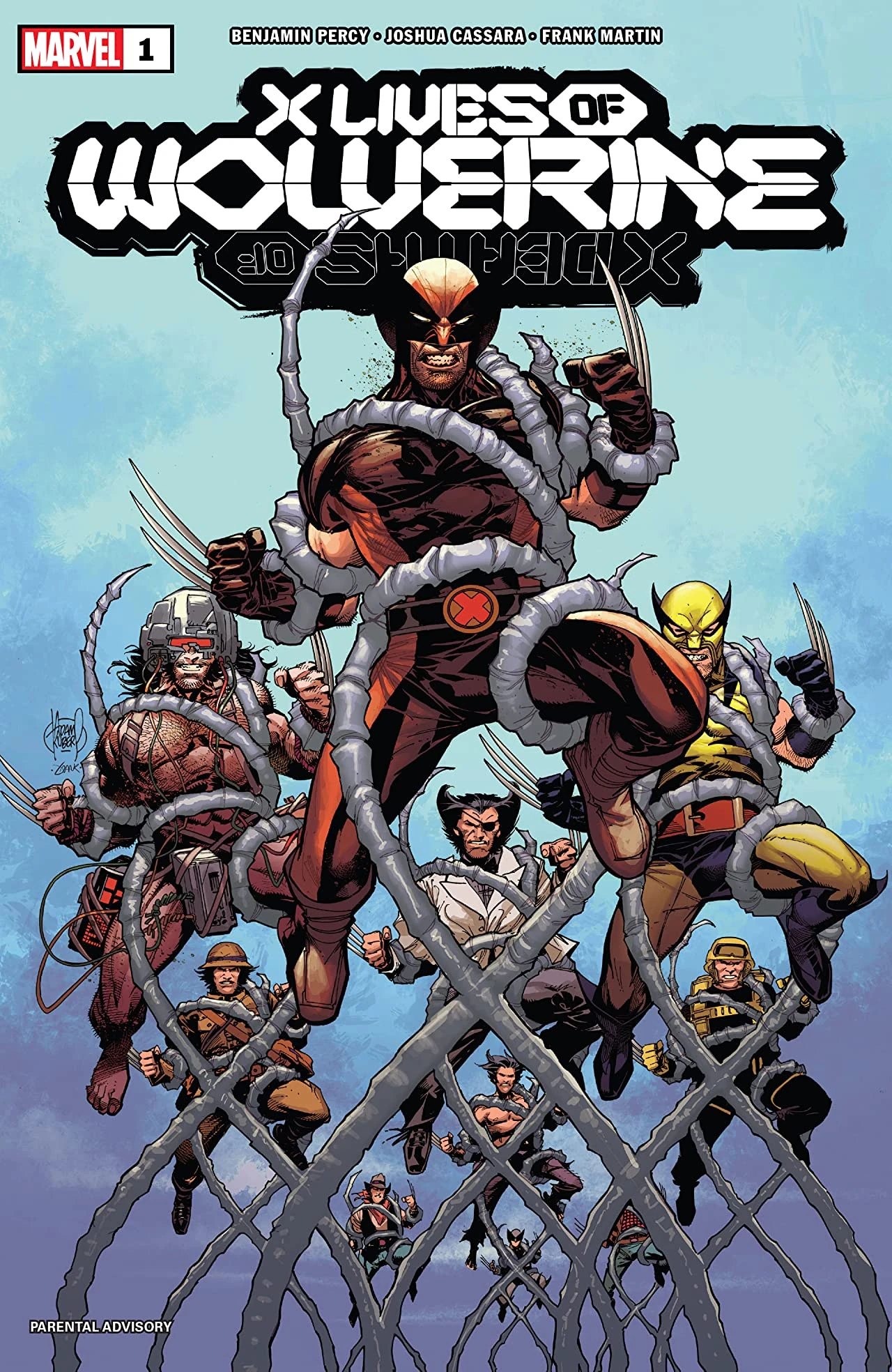
Benjamin Percy’s ten-issue event, split across two parallel titles with art from Joshua Cassara and Federico Vicentini, is the most recent story here and the one built for readers who came in through the Krakoa-era X-Men. It reframes Wolverine’s entire history — including several storylines above — as evidence in a single argument about what he’s actually for, and it’s the rare modern crossover that rewards knowing the older stories instead of replacing them.
Quick Reference: Every Storyline at a Glance
| Storyline | Year | Writer | Artist |
|---|---|---|---|
| Weapon X | 1991 | Barry Windsor-Smith | Barry Windsor-Smith |
| Old Man Logan | 2008–2009 | Mark Millar | Steve McNiven |
| Wolverine (1982 miniseries) | 1982 | Chris Claremont | Frank Miller / Josef Rubinstein |
| Death of Wolverine | 2014 | Charles Soule | Steve McNiven |
| Enemy of the State | 2004–2005 | Mark Millar | John Romita Jr. |
| Wolverine: Origin | 2001–2002 | Paul Jenkins & Bill Jemas | Andy Kubert |
| X Lives / X Deaths of Wolverine | 2022 | Benjamin Percy | Joshua Cassara / Federico Vicentini |
The Thing Every Great Wolverine Story Actually Shares
Put these seven side by side and the pattern isn’t claws or berserker rage — it’s memory. Weapon X is about losing it, Origin is about the version of it nobody believed, Old Man Logan is about outliving it, and X Lives/X Deaths is about weaponizing it as evidence. Wolverine’s healing factor makes him nearly impossible to hurt physically, so the writers who’ve actually landed a gut-punch have all gone after the one thing regeneration can’t fix: what he remembers about who he used to be.
That’s also why Wolverine’s powers matter less to these stories than they do in a fight-focused list — the healing factor is the obstacle these writers had to get around, not the point.
Insomniac’s Marvel’s Wolverine landed at 78 on Metacritic when it launched in September 2026, and its story trailer leaned directly on Weapon X and Old Man Logan iconography — proof that thirty- and fifteen-year-old comics are still doing the heavy lifting for how the character gets introduced to new audiences.
Frequently Asked Questions
What is the best Wolverine comic storyline to start with?
Weapon X (1991) is the best jumping-on point. Barry Windsor-Smith wrote and drew all twelve chapters himself, and it explains where Wolverine’s adamantium and claws actually came from without requiring any other Wolverine or X-Men backstory first.
Is Old Man Logan connected to the 2017 movie Logan?
Only loosely. The film borrows the premise of an aged, reluctant Wolverine and a few images, but it tells a different story with different characters. The 2008-2009 comic by Mark Millar and Steve McNiven is its own complete story.
What order should you read the Wolverine: Origin and Weapon X stories in?
Chronologically by in-story events, Origin comes first (Logan’s childhood), then the 1982 Claremont/Miller miniseries, then Weapon X. Most fans read them in publication order instead, since each was written to work as a stand-alone story.
Do you need to read other X-Men comics before X Lives of Wolverine?
No, but it helps. The 2022 Benjamin Percy event references decades of Wolverine history, including several storylines on this list, so newer readers will follow the plot fine but longtime fans will catch more of what it’s doing.
Last updated September 19, 2026.