Quick TakeArticle at a glance
- The best Superman comic storylines all answer the same question: what does the single most powerful superhero actually do with that power?
- DC sold more than 6 million copies of Superman #75 across its printings in 1992, making the Death of Superman the best-selling comic of the year.
- Grant Morrison and Frank Quitely's 2005 All-Star Superman isn't even canon, and it's still the comic most writers point to as the definitive take on the character.
The best Superman comic storylines all solve the same problem: when a hero can do almost anything, his power stops being interesting on its own. Grant Morrison’s All-Star Superman, Alan Moore’s Whatever Happened to the Man of Tomorrow?, and the 1992 Death of Superman each found a harder question to ask instead, and modern film and TV Superman still borrows from all three.
At a Glance: The 9 Storylines
| Storyline | Year | Writer / Artist | Why It Still Matters |
|---|---|---|---|
| All-Star Superman | 2005–08 | Grant Morrison / Frank Quitely | The definitive Superman story, and it isn’t even canon |
| The Death of Superman | 1992 | Dan Jurgens, Jerry Ordway, Louise Simonson, Roger Stern & Karl Kesel / various | Sold over 6 million copies and made national news |
| Superman: Red Son | 2003 | Mark Millar / Dave Johnson & Kilian Plunkett | What if the pod landed in Ukraine instead of Kansas? |
| Whatever Happened to the Man of Tomorrow? | 1986 | Alan Moore / Curt Swan | The Silver Age’s own eulogy, written by the man who’d go on to write Watchmen |
| Superman for All Seasons | 1998 | Jeph Loeb / Tim Sale | Smallville, told through the eyes of the people who knew him first |
| What’s So Funny About Truth, Justice & the American Way? | 2001 | Joe Kelly / Doug Mahnke & Lee Bermejo | The best argument ever made for why Superman doesn’t kill |
| Superman: Birthright | 2003–04 | Mark Waid / Leinil Francis Yu | A modern origin that shaped the character’s movie and TV version for a decade |
| Superman: Secret Identity | 2004 | Kurt Busiek / Stuart Immonen | A Kansas teenager named Clark Kent wakes up with Superman’s powers in the real world |
| Last Son | 2006–08 | Geoff Johns & Richard Donner / Adam Kubert | Co-written by the director of the original Superman movies |
1. All-Star Superman Is the Comic Every New Writer Studies First
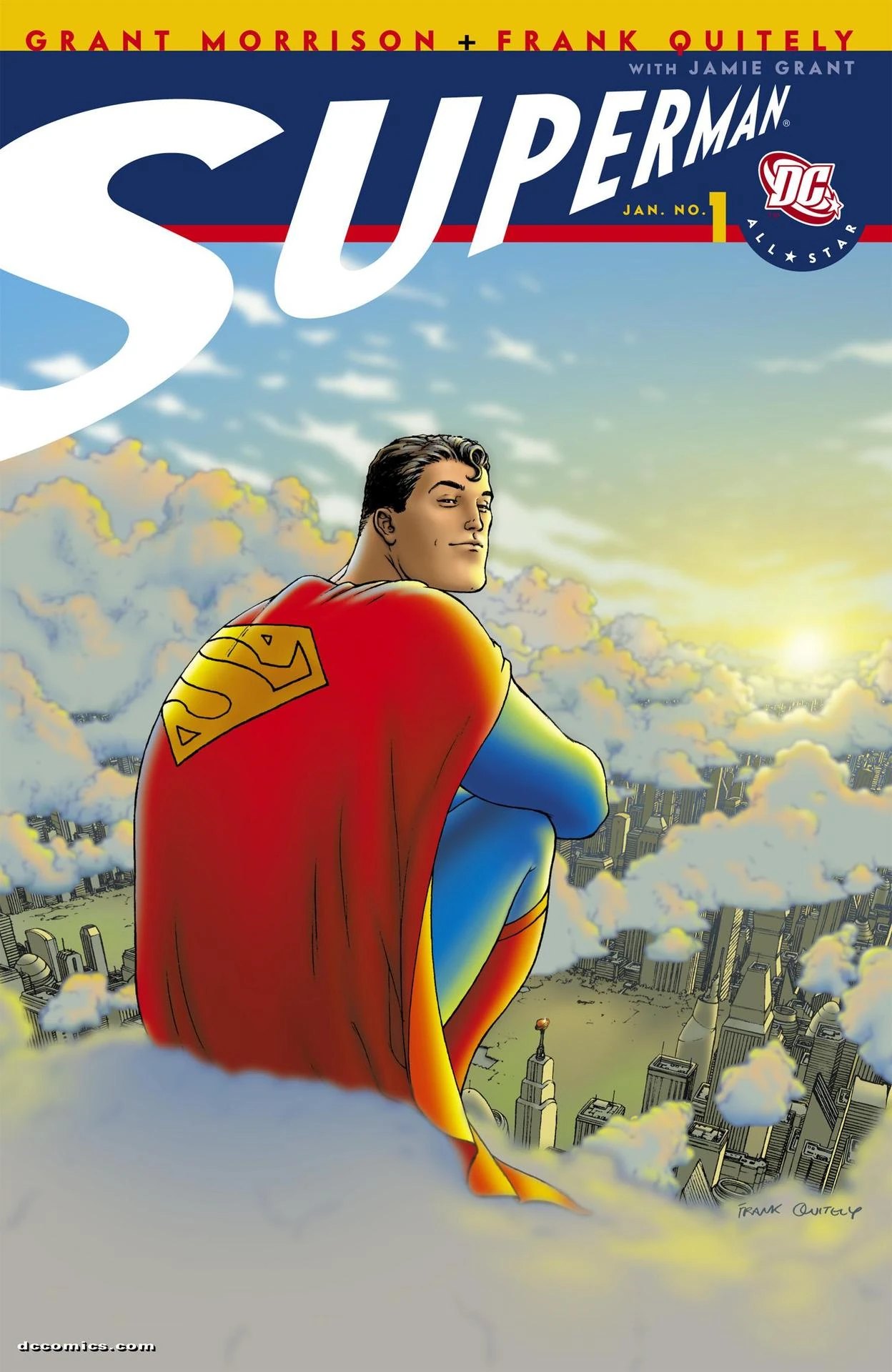
Grant Morrison and Frank Quitely’s 12-issue run (2005–2008) opens with Superman absorbing a lethal overdose of solar radiation on a rescue mission to the sun, then spends the rest of the series showing him spend his final months quietly fixing everything he can reach — curing cancer, talking down a suicidal teenager, giving Lois Lane a perfect day as Superman. None of it is canon to DC’s main universe, and that barely matters: it is the comic most often handed to readers who ask what makes Superman worth caring about, and the one creators across film and TV still cite as the version they were chasing.
2. The Death of Superman Sold More Comics Than Anyone Expected
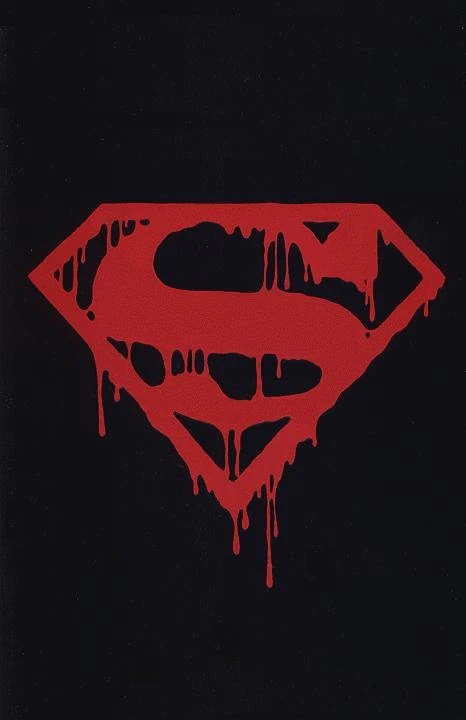
DC’s creative team — Dan Jurgens, Jerry Ordway, Louise Simonson, Roger Stern and Karl Kesel, working across all four Superman titles — built a monster with no backstory and no motive, let him and Superman fight to a draw that killed them both, and watched the resulting issue, Superman #75, become a genuine pop-culture event in November 1992. DC printed 3 million black-polybagged copies, and reprints pushed the total past 6 million sold, making it the best-selling comic book of the year and briefly the biggest single-day sales event in direct-market history. The Reign of the Supermen follow-up, which introduced Steel, Cyborg Superman, and the Kon-El Superboy, has outlasted the stunt itself — all three are still active DC characters decades later.
3. Superman: Red Son Asks What Happens If the Pod Lands in the Wrong Country
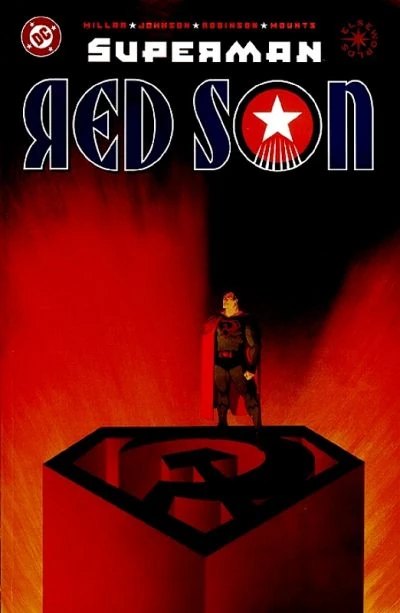
Mark Millar, Dave Johnson and Kilian Plunkett’s 2003 three-issue Elseworlds has baby Kal-El’s rocket crash-land in Soviet Ukraine instead of Kansas, and raises him into a hero for Stalin and the Soviet state rather than the American way. It is the rare alternate-universe story that uses its premise to actually interrogate the character instead of just reskinning him — by asking what Superman is without the specifically American ideals Kansas raised him with, Red Son ends up saying more about the mainstream version of the character than most in-continuity stories manage.
4. Whatever Happened to the Man of Tomorrow? Is Alan Moore’s Eulogy for the Silver Age
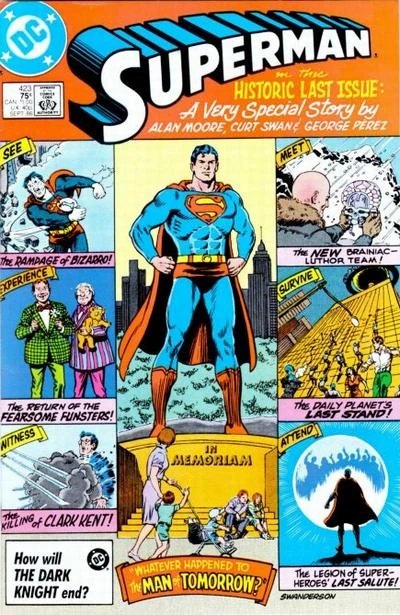
Published across Superman #423 and Action Comics #583 (both September 1986), right as DC’s continuity-resetting Crisis on Infinite Earths was about to wipe out the Silver Age version of the character for good, Alan Moore and longtime Superman artist Curt Swan were handed the job of writing that era’s send-off. The result has Superman’s rogues gallery turn on him all at once in a final story that plays like a greatest-hits reel and a funeral at the same time. Moore wrote it the same year his own Watchmen began publication, and it is still the gold standard for how to close out a long-running version of a character with real weight instead of just rebooting past it.
5. Superman for All Seasons Tells the Origin Through Everyone Else’s Eyes
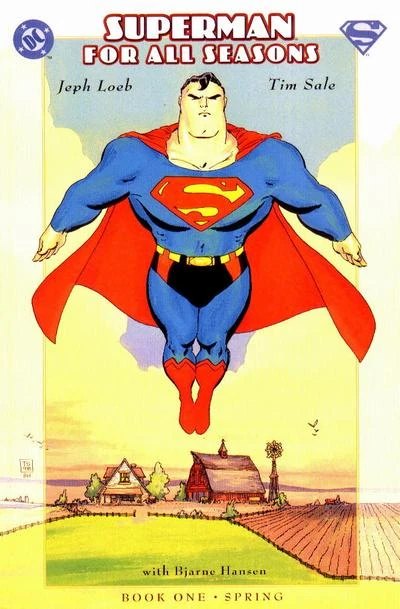
Jeph Loeb and Tim Sale’s 1998 four-issue miniseries retells Clark Kent’s first year as Superman, but never once narrates from Clark’s own head — each chapter is seen through Pa Kent, Lois Lane, Lex Luthor, or Lana Lang instead, structured around the four seasons in Smallville. It is quieter and more rural than almost anything else on this list, and that restraint is the point: it treats Superman’s goodness as something that has to be witnessed from the outside to actually land.
6. What’s So Funny About Truth, Justice & the American Way? Is the Best Case for Why Superman Doesn’t Kill
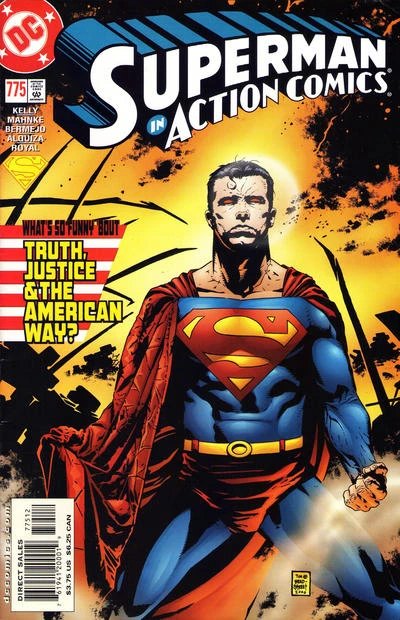
Joe Kelly, Doug Mahnke and Lee Bermejo’s story in Action Comics #775 (2001) pits Superman against the Elite, a team of brutal, lethal “heroes” that the public starts to prefer because they get results Superman’s restraint never does. It ends with Superman faking the Elite’s deaths to make a point about why the line matters, and the story was popular enough that Warner Bros. adapted it almost beat-for-beat into the 2012 animated film Superman vs. The Elite. Two decades later it is still the story writers reach for whenever they need to justify, in-universe, why the most powerful hero in comics holds back.
7. Superman: Birthright Rebuilt the Origin for a New Generation
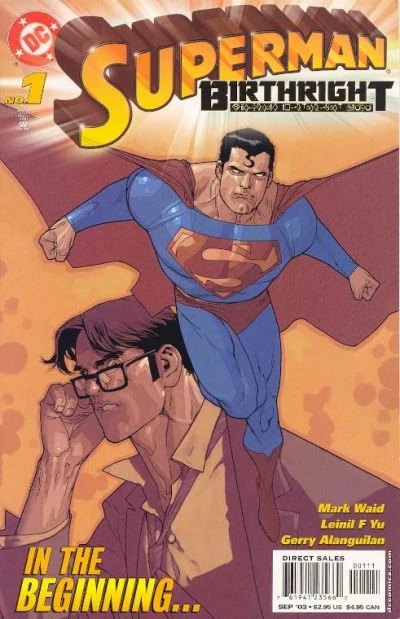
Mark Waid and Leinil Francis Yu’s 2003–04 maxiseries retold Clark Kent’s journey from Smallville to the Daily Planet with a modern lens — leaning into Clark’s time abroad as a journalist, Lex Luthor’s public standing as a trusted billionaire, and a version of Krypton as a lived-in alien culture rather than a glass-and-chrome relic. DC has rebooted Superman’s origin more than once since, but Birthright’s fingerprints — especially its take on Luthor as a beloved public figure hiding in plain sight — are still visible in how the character gets adapted for TV and film.
8. Superman: Secret Identity Imagines Clark Kent Growing Up Without a Universe Built Around Him
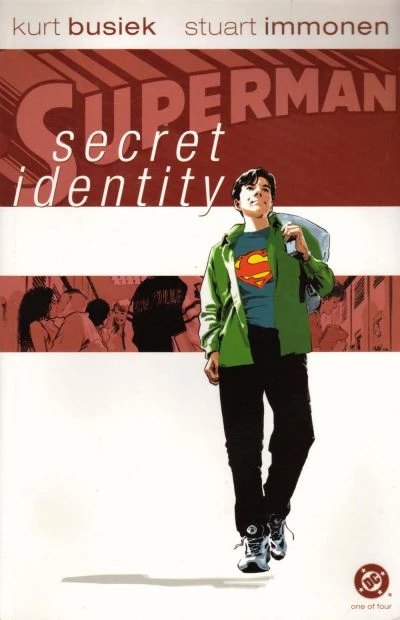
Kurt Busiek and Stuart Immonen’s 2004 four-issue prestige-format series drops the premise of a superhero universe entirely: a Kansas teenager who happens to be named Clark Kent, in a world where Superman is only a comic-book character, wakes up one day with all of Superman’s powers and no villains, no Daily Planet, and no idea what to do about any of it. By stripping away the supporting cast and the crossovers, it turns into one of the most grounded character studies DC has ever published about what the powers themselves would actually feel like to live with.
9. Last Son Is the Superman Story Co-Written by a Superman Director
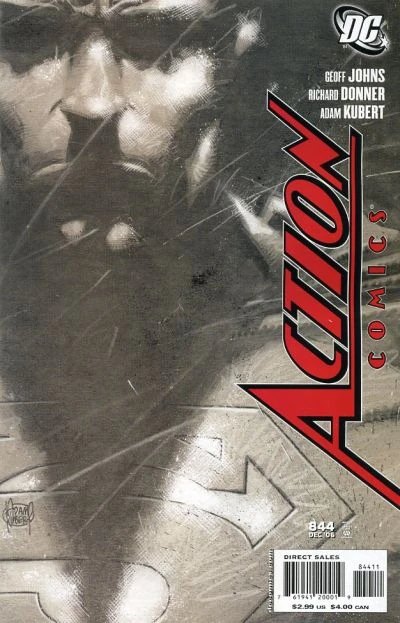
Geoff Johns teamed with Richard Donner — director of 1978’s Superman and most of its sequel before he was replaced partway through production — to write this 2006–08 Action Comics arc, with Adam Kubert on art. The story introduces Chris Kent, a Kryptonian boy Clark and Lois take in and raise, while General Zod and Ursa hunt for him. It reads like Donner’s film version of Krypton filtered through 2000s DC continuity, and its fingerprints — particularly Chris Kent as a recurring legacy character — are still part of the Superman family of books today.
The Pattern Behind Every Great Superman Story
Line these nine up and the trick becomes obvious: the best Superman stories almost never give him a bigger threat to punch. They take away something else instead — his time in All-Star Superman, his home country in Red Son, his restraint being tested in the Elite story, his entire support system in Secret Identity. Superman has never needed a harder villain to be interesting; he has needed a harder question. For more of DC’s best writing beyond Metropolis, our best Batman comic storylines ranking and our best Wonder Woman comic storylines ranking are good places to go next.
Frequently Asked Questions
What’s the single best Superman comic to start with?
All-Star Superman. It’s a self-contained 12-issue story that doesn’t require any prior DC continuity, and it’s widely considered the best single take on the character ever published.
Is Superman: Red Son canon?
No. It’s an Elseworlds story, DC’s imprint for standalone alternate-universe tales, so none of its events connect to the mainstream Superman continuity.
How many copies of the Death of Superman actually sold?
DC printed 3 million collector’s copies of Superman #75 in its black polybag in November 1992, and combined print runs across multiple printings pushed total sales past 6 million, making it the best-selling comic of that year.
Did any of these storylines influence the movies?
Yes. What’s So Funny About Truth, Justice & the American Way? was adapted almost directly into the 2012 animated film Superman vs. The Elite, and Richard Donner’s own Last Son run drew on ideas from the Superman films he directed in 1978 and 1980.