Quick TakeArticle at a glance
- The best Wonder Woman comic storylines span almost 85 years, and the strongest ones all wrestle with the same question: what does a warrior raised to end war actually do once she is living among the people she was sent to save?
- Almost every writer on this list, including Rucka and DeConnick decades later, is still working from the mythology Pérez laid down here.
- Jones built their 2002 one-shot around a real piece of ancient Greek ritual law: a person who performs the Hiketeia and asks for protection cannot be refused, even if they have done something monstrous.
Last updated October 5, 2026.
The best Wonder Woman comic storylines span almost 85 years, and the strongest ones all wrestle with the same question: what does a warrior raised to end war actually do once she is living among the people she was sent to save? October 2026 marks 85 years since Diana’s first appearance in All Star Comics #8, on sale October 21, 1941, and these eight runs are the ones worth reading first.
At a Glance: 8 Essential Wonder Woman Runs
| Storyline | Year | Writer / Artist | Why It Still Matters |
|---|---|---|---|
| Wonder Woman: Gods and Mortals | 1987 | George Pérez (w/ Len Wein, Greg Potter) | The post-Crisis relaunch that built the modern Amazon mythology |
| Wonder Woman: The Hiketeia | 2002 | Greg Rucka / J.G. Jones | A standalone clash of ethics with Batman, built on real Greek ritual law |
| Wonder Woman: The Circle | 2008 | Gail Simone / Terry & Rachel Dodson | Reopens Hippolyta’s past and the founding of Themyscira |
| Wonder Woman: Blood | 2011–12 | Brian Azzarello / Cliff Chiang | New 52 reboot that rewrote Diana as the daughter of Zeus |
| Wonder Woman: Year One | 2016 | Greg Rucka / Nicola Scott | Rebirth-era origin that restored the classic clay myth |
| Wonder Woman: Earth One | 2016 | Grant Morrison / Yanick Paquette | A standalone, continuity-free reimagining for new readers |
| Wonder Woman: Dead Earth | 2020 | Daniel Warren Johnson / Mike Spicer | A brutal, standalone Black Label future where Diana wakes up too late |
| Wonder Woman Historia: The Amazons | 2021–22 | Kelly Sue DeConnick / Jimenez, Ha, Scott | The Amazons’ real origin, and a multi-year Eisner winner |
1. Gods and Mortals Is the Modern Origin Everything Builds On
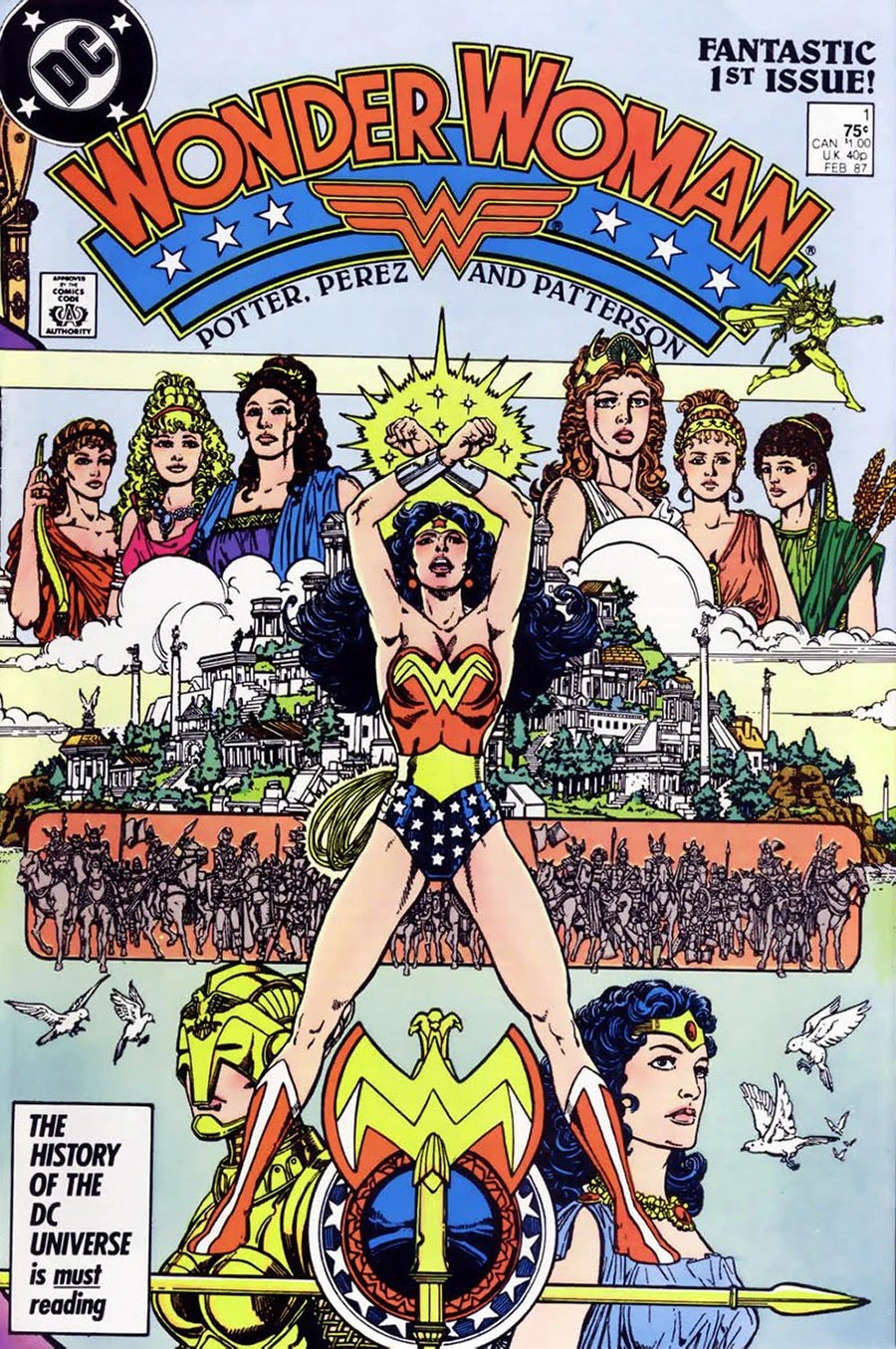
When George Pérez relaunched Wonder Woman after DC’s 1985 Crisis on Infinite Earths, he did not just reboot Diana — he rebuilt the Amazons from the ground up, adding the Greek gods, Themyscira’s politics, and Diana’s choice to leave home as a true act of faith rather than a costume change. Almost every writer on this list, including Rucka and DeConnick decades later, is still working from the mythology Pérez laid down here.
2. The Hiketeia Is the Best Standalone Wonder Woman Story
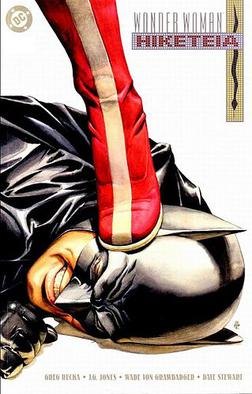
Greg Rucka and J.G. Jones built their 2002 one-shot around a real piece of ancient Greek ritual law: a person who performs the Hiketeia and asks for protection cannot be refused, even if they have done something monstrous. When a woman who has murdered sex traffickers invokes the ritual with Diana in front of Batman, it puts Wonder Woman’s sense of justice directly against Batman’s, and the story is often cited as the best place to see what makes her worldview different from the rest of the Justice League.
3. The Circle Digs Into Hippolyta’s Past
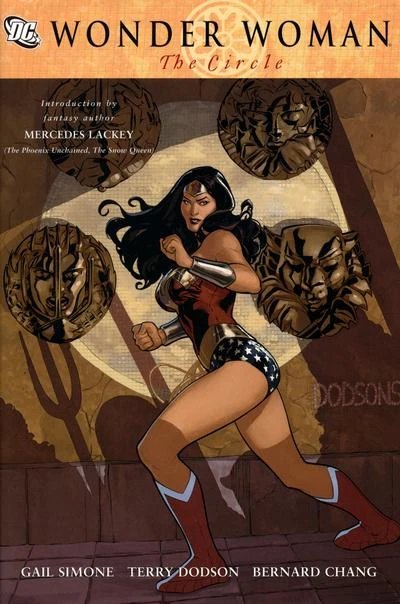
Gail Simone’s 2008 arc with Terry and Rachel Dodson sends Diana back to Themyscira to confront a threat tied to her mother Hippolyta’s history before Diana was born, filling in Amazon history that Pérez had only hinted at. It is a quieter story than most on this list, built around family and loyalty rather than a world-ending threat, and it remains one of the better entry points into Simone’s widely praised run.
4. Blood Rewrote Diana as the Daughter of Zeus
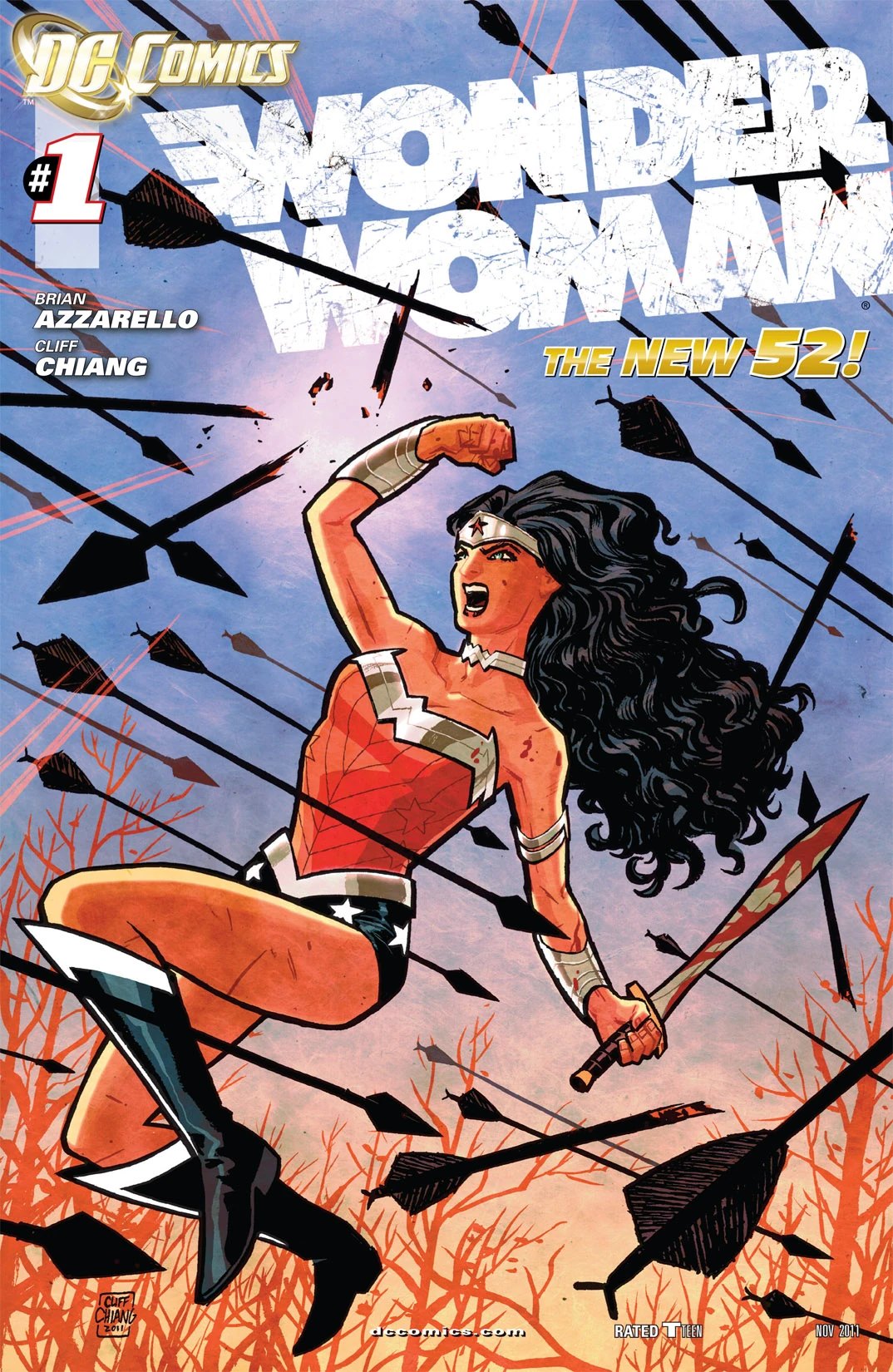
Brian Azzarello and Cliff Chiang opened DC’s 2011 New 52 relaunch by scrapping the decades-old idea that Diana was molded from clay and brought to life by the gods, revealing instead that she is the biological daughter of Zeus and Hippolyta. The twist was divisive among longtime readers, but Chiang’s design work on the Greek gods as modern, often terrifying figures made the run one of the most visually distinct Wonder Woman stories ever published.
5. Year One Walked the Clay Origin Back
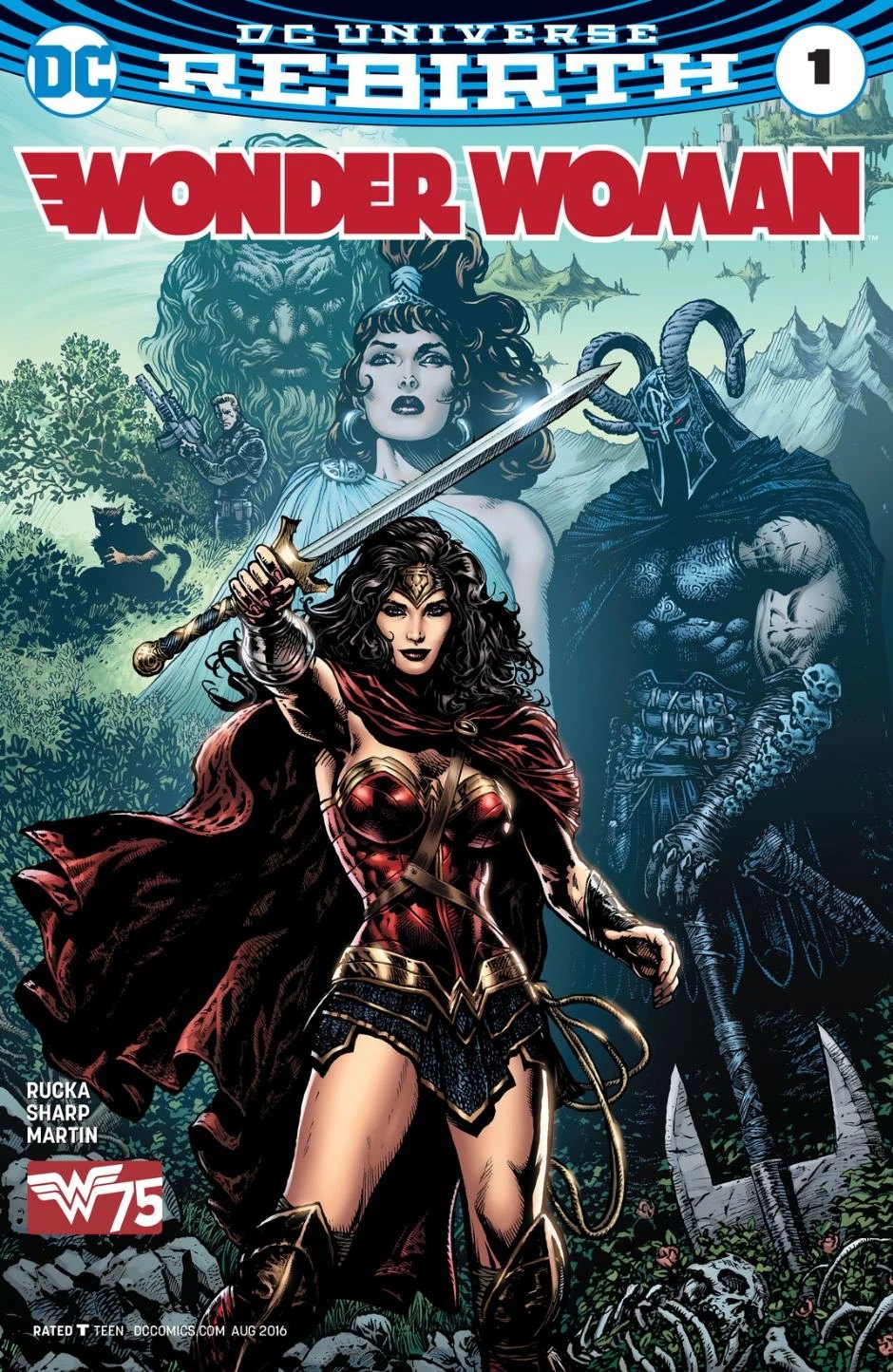
When DC’s 2016 Rebirth relaunch needed to untangle which Wonder Woman origin was true, Greg Rucka and Nicola Scott’s Year One restored the classic version: Diana was shaped from clay and given life by the Amazon gods, not fathered by Zeus. Told in parallel with Diana’s present-day search for Themyscira, it is the version DC has mostly stuck with since.
6. Earth One Skips Continuity Entirely
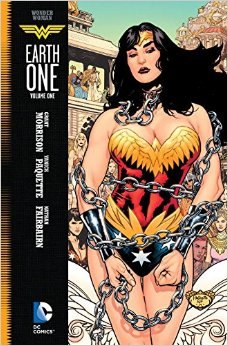
Grant Morrison and Yanick Paquette’s 2016 graphic novel is not bound to mainline DC continuity at all, which frees it to push Themyscira’s politics and Diana’s relationship with Steve Trevor in stranger directions than an ongoing series ever could. It is built as a clean starting point for readers who do not want homework before picking up a Wonder Woman comic.
7. Dead Earth Imagines Diana Arriving Too Late
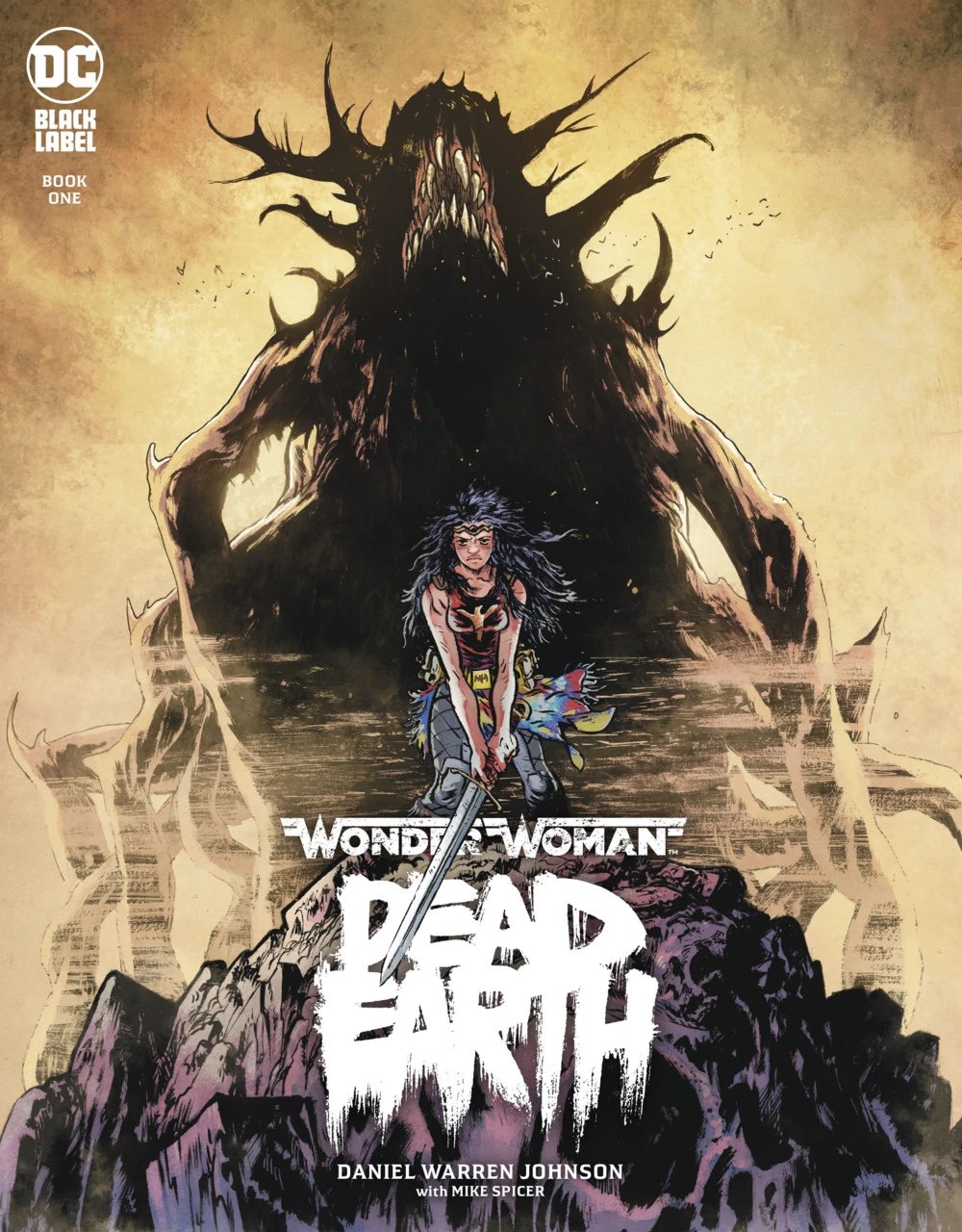
Daniel Warren Johnson’s 2020 DC Black Label series wakes Diana up decades after a poisoned Lasso of Truth drove humanity to destroy itself, and sends her across a monster-filled wasteland to find out what happened. It trades the usual myth-building for pure, kinetic action, and it is the bleakest, most R-rated take on the character DC has put its name on.
8. Wonder Woman Historia Is the Amazons’ Real Origin, and an Eisner Winner
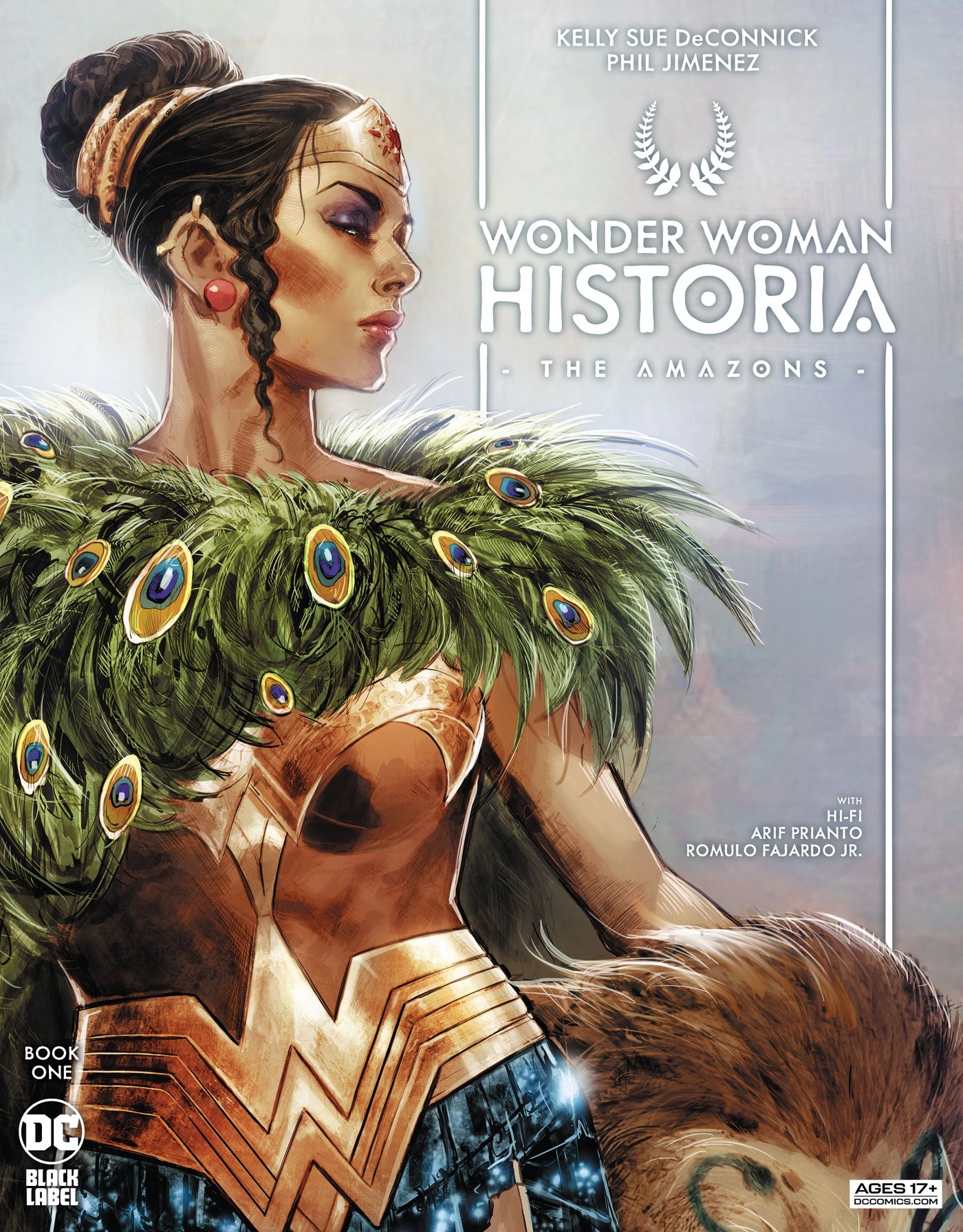
Kelly Sue DeConnick’s three-issue 2021–22 series, with a different artist on each chapter (Phil Jimenez, Gene Ha, and Nicola Scott), finally tells the Amazons’ founding story from before Diana existed — and does not look away from how brutal that founding was. The first issue won the 2022 Eisner Award for Best Single Issue, and the collected edition won the Eisner for Best Graphic Novel (Reprint) in 2024.
Why Wonder Woman’s Origin Keeps Getting Rewritten
Batman’s parents still die in an alley every time, and Superman still lands in Kansas. Diana does not get that stability: her origin has been rebuilt at nearly every major DC relaunch, from clay to Zeus’s daughter and back to clay again. That is not writers being careless with continuity — it is a stand-in for a harder argument each era has about her, over whether Wonder Woman’s power should come from male gods, from the Amazons alone, or from nothing but her own choices. The best stories on this list are the ones that treat that question as the point, not as a plot hole to patch. For more on the gods and monsters she’s up against, see our rankings of the most powerful DC villains and the best DC Comics overall.
Frequently Asked Questions
What’s the best Wonder Woman comic for new readers?
George Pérez’s Gods and Mortals for the classic mythology, or Grant Morrison’s standalone Earth One if you want a modern story with zero continuity homework.
Is Wonder Woman’s father Zeus or is she made of clay?
It depends on the era. The New 52’s Blood made Zeus her biological father; the 2016 Rebirth relaunch’s Year One walked that back to the classic version, where Hippolyta shapes her from clay and the Amazon gods grant her life.
Did Wonder Woman Historia actually win awards?
Yes. Its first issue won the 2022 Eisner Award for Best Single Issue, and the completed three-issue collection won the Eisner for Best Graphic Novel (Reprint) in 2024.
Why does Wonder Woman’s origin keep changing?
Each major DC relaunch (Crisis on Infinite Earths, the New 52, Rebirth) has used Diana’s origin to make a different argument about where her power actually comes from, so writers keep revisiting it instead of leaving it fixed the way Batman’s or Superman’s origin stays fixed.