Quick TakeArticle at a glance
- Ranking all eleven World of Warcraft expansions means looking past Metacritic alone – two of them scored well with critics and still got torn apart by players for what happened after launch.
- Warlords of Draenor landed an 87 on Metacritic in 2014 – a better critic score than Legion two years later.
- Icecrown Citadel, Ulduar and the Death Knight hero class launch all land in the same two years – there's a reason this is the expansion private servers get built to recreate.
Ranking all eleven World of Warcraft expansions means looking past Metacritic alone – two of them scored well with critics and still got torn apart by players for what happened after launch. The best expansion is still Wrath of the Lich King, by both critic and community consensus, and here’s how the rest stack up, from the 2004 original through 2026’s Midnight.
Why Review Scores Alone Don’t Tell the Real Story
Warlords of Draenor landed an 87 on Metacritic in 2014 – a better critic score than Legion two years later. Its Metacritic user score sits at 4.0 out of 10. The gap isn’t a contradiction; critics reviewed the launch content, which was genuinely strong, and players lived through the year-long content drought that followed it, which critic reviews never covered. Mists of Pandaria has almost the same split in reverse – a so-so 82 critic score in 2012 against a community that’s since voted it one of the best class-design expansions WoW ever shipped. The ranking below weighs both.
1. Wrath of the Lich King (2008)
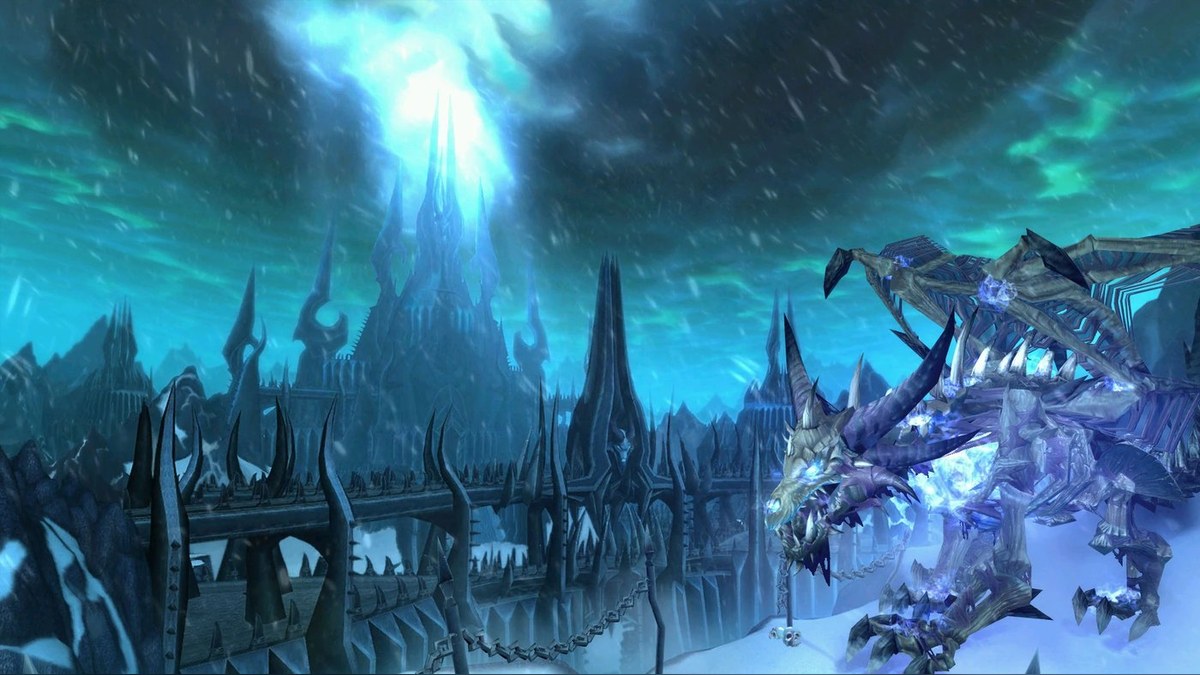
Metacritic: 91. Wrath of the Lich King turned Arthas Menethil, a villain WoW had been building since the original Warcraft III, into the payoff raid bosses rarely get to be, and it did it while hitting the sweet spot between accessible and challenging that the community still points to as the high-water mark. Icecrown Citadel, Ulduar and the Death Knight hero class launch all land in the same two years – there’s a reason this is the expansion private servers get built to recreate. It’s also when WoW hit its all-time peak: Blizzard announced 12 million subscribers in October 2010, a record set while Wrath of the Lich King was still the live expansion, weeks before Cataclysm launched and the number started falling.
2. Legion (2016)
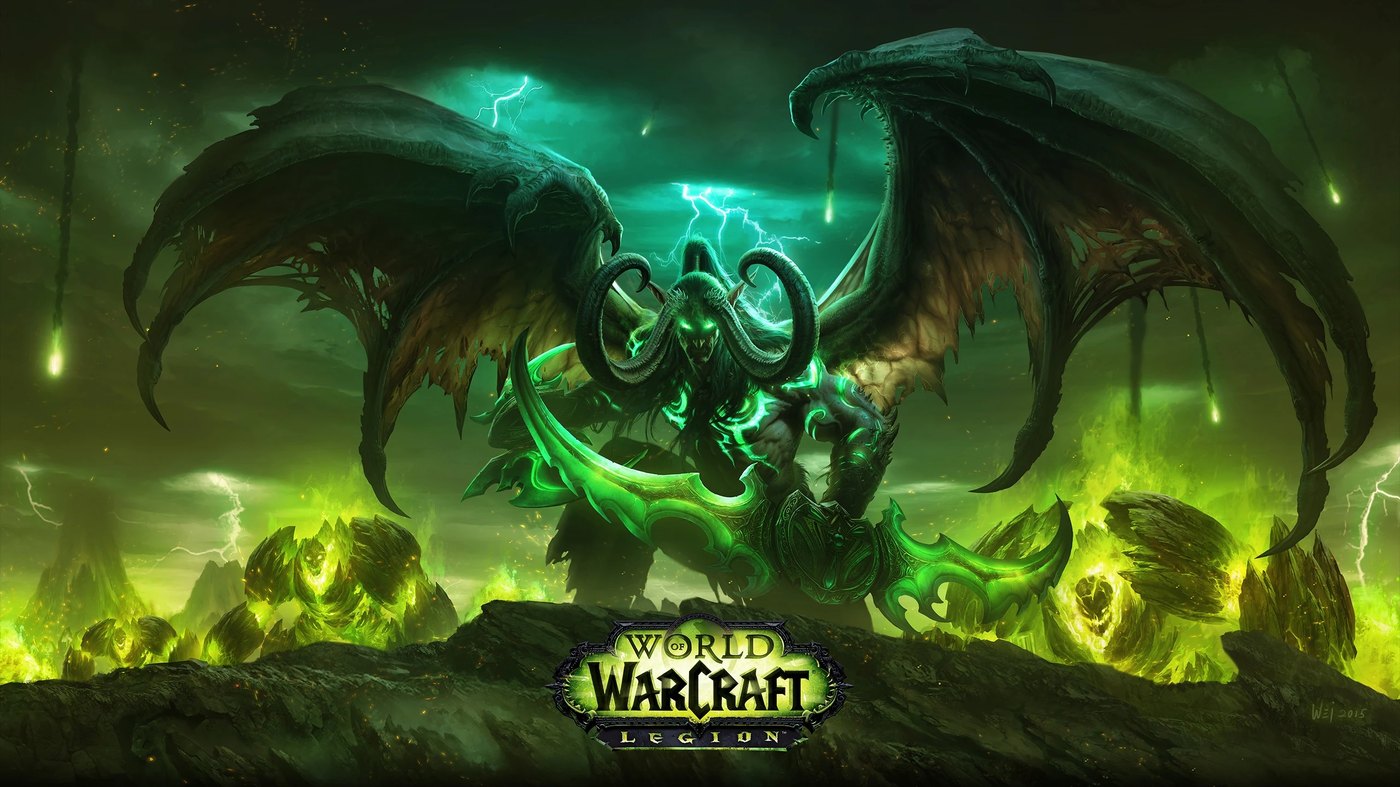
Metacritic: 88. Legion is the expansion a lot of current players call the best WoW has ever been, and the Artifact weapon system plus class-specific campaigns are why – for the first time, every spec got its own story instead of sharing one leveling path. The Broken Shore and Argus endgame zones backed it up with genuinely difficult raid tiers that rewarded the system rather than working around it.
3. Mists of Pandaria (2012)
Metacritic: 82. Mists launched to jokes about pandas and kung fu, and the community spent the next decade quietly admitting it was wrong. The Monk class, the Challenge Mode dungeons and some of the best itemization WoW has done are all here, and it’s the clearest case on this list of a launch-week review score badly undershooting how an expansion actually played out.
4. The Burning Crusade (2007)
Metacritic: 91. WoW’s first expansion is also tied for its highest-scoring one. Outland introduced flying mounts, the first new playable races since launch (Blood Elves and Draenei), and a jump in raid difficulty with Karazhan and Black Temple that set the template every later expansion followed.
5. The War Within (2024)
Metacritic: 85. The best-reviewed WoW expansion since Legion, and the one that finally got the modern game’s pacing right – Delves gave solo and small-group players real endgame progression for the first time, and it opened the three-expansion Worldsoul Saga that Midnight continues in 2026. It’s the expansion to point to if someone says WoW stopped being good after Legion.
6. Cataclysm (2010)
Metacritic: 90. Cataclysm literally redrew Azeroth’s original zones around Deathwing’s return, which critics loved and a chunk of the community never forgave – redoing the leveling zones players grew up in is the single most polarizing decision Blizzard has made with the game. The raid tier (Dragon Soul aside) and Deathwing himself hold up; the lasting criticism is about what got erased to make room for them.
7. Dragonflight (2022)
Metacritic: 81. Dragonflight is the expansion that rebuilt trust after Shadowlands – dragon riding alone changed how players move through the open world, and the profession rework gave crafting a real identity for the first time in years. It’s a smaller-stakes story than most of this list, which is part of why it’s not higher, but it’s the most mechanically polished WoW has been.
8. Warlords of Draenor (2014)
Metacritic: 87 critic / 4.0 user. This is the expansion the intro above is about. Garrisons were a genuinely well-built player-housing system at launch, and the opening raid tier scored well with critics – then an entire year passed with no new content while Blizzard worked on Legion, and the player base that lived through that drought still ranks it near the bottom despite the review scores saying otherwise.
Where the Rest Land
Battle for Azeroth (2018, Metacritic 79) and Shadowlands (2020, Metacritic 82) round out the lower half – both are remembered for strong individual raid tiers (Uldir, Castle Nathria) undercut by storylines the community pushed back on hard. Midnight, which launched in March 2026 at a Metacritic 82, is too new for a verdict here; it’s the opening chapter of the Worldsoul Saga’s second act, and how it’s ranked will depend on where that story goes next. None of this list includes World of Warcraft: Forever, Blizzard’s new permanent Classic-style version launching November 4, 2026 – it isn’t a numbered expansion, it’s a third way to play the original game alongside Retail and Classic Era.
If you’re looking for what else to play on PC right now, Phantom Blade Zero just crossed 4 million copies sold in its first 72 hours – a very different kind of success story than a two-decade-old MMO, but proof PC gaming’s having a strong November either way.
The Full Ranking, Worst to Best
| Rank | Expansion | Year | Metacritic |
|---|---|---|---|
| 11 | Battle for Azeroth | 2018 | 79 |
| 10 | Shadowlands | 2020 | 82 |
| 9 | Midnight | 2026 | 82 (too new to fully rank) |
| 8 | Warlords of Draenor | 2014 | 87 (4.0 user) |
| 7 | Dragonflight | 2022 | 81 |
| 6 | Cataclysm | 2010 | 90 |
| 5 | The War Within | 2024 | 85 |
| 4 | The Burning Crusade | 2007 | 91 |
| 3 | Mists of Pandaria | 2012 | 82 |
| 2 | Legion | 2016 | 88 |
| 1 | Wrath of the Lich King | 2008 | 91 |
Frequently Asked Questions
What is the best World of Warcraft expansion?
Wrath of the Lich King (2008) is the most consistently cited best expansion by both critics (Metacritic 91) and the community, built around the Arthas/Lich King storyline and the Icecrown Citadel raid.
What is the worst-reviewed WoW expansion?
Battle for Azeroth (2018) has the lowest Metacritic score of the eleven at 79, largely due to community pushback on its faction-war storyline.
Why does Warlords of Draenor rank low despite a high critic score?
Warlords of Draenor scored 87 on Metacritic at launch but carries a 4.0 user score, because critics reviewed strong launch content while players lived through a year-long content drought afterward that review scores never captured.
Is World of Warcraft: Midnight included in this ranking?
Midnight (2026) is listed but not fully ranked against the others – it launched in March 2026 and is too recent for the kind of long-term community verdict the rest of this list is based on.
Is World of Warcraft: Forever one of the ranked expansions?
No. Forever is a separate, permanent way to play the original 2004-era game alongside Retail and Classic Era – it isn’t a numbered expansion, so it isn’t part of this ranking.