This Onimusha: Way of the Sword beginner’s guide covers the fighting-style choice, difficulty settings, and New Game Plus rules that actually matter before you start swinging Musashi’s blade. Capcom’s samurai action game launched in September 2026 to the series’ first-ever 10/10 from IGN, and a few early menu choices shape how much of that combat you actually get to see.
Everything below reflects Onimusha: Way of the Sword as of its September 2026 launch. Capcom patches can rebalance specific numbers later, but the core choices — fighting style, first-run difficulty, and what New Game Plus resets — are structural and unlikely to change.
Choose a Fighting Style Before You Start
Onimusha: Way of the Sword opens with two control schemes, not one. The default is Aggressive, which puts Musashi’s two attack inputs on the face buttons most action games reserve for attacks, with a separate button handling block, parry, and deflect. The alternative is the Defense style, which remaps those same actions into a layout built around blocking and countering first.
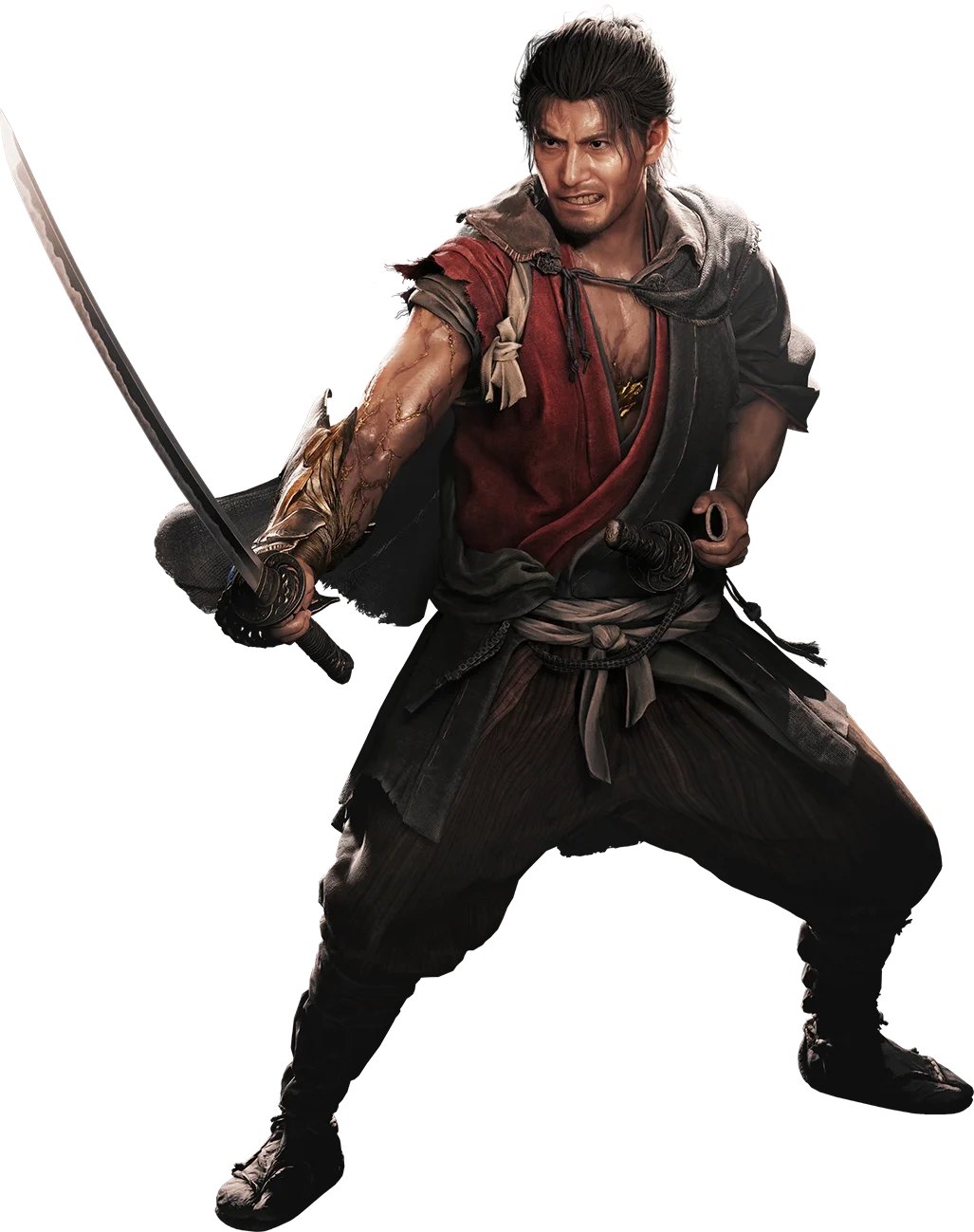
Onimusha’s combat runs on parry, deflect, and the Issen counter rather than dodging, so the style that makes those inputs feel natural matters more here than it would in a game built around rolling away from damage. For newcomers to the series, Defense is the more forgiving of the two: it keeps the defensive actions on inputs your hands find faster, which is exactly what you’re leaning on for most of the game. You can switch schemes later from the options menu if one is not clicking, so trying Defense first costs nothing.
Start on Action (Medium) Difficulty, Not Story
The game ships with three difficulty settings: Story, Action, and Carnage. Story and Action are both open from the first save and can be swapped between at almost any time. Carnage is different — it only unlocks after a full playthrough, and choosing it later locks you in for that save (more on that below).
Story is the easiest setting, but it is also the least useful preparation for anything harder. Action (Medium) difficulty is the best first playthrough for anyone planning to eventually try Carnage: it asks you to actually read enemy attacks and land parries and deflects instead of tanking hits through with healing items, without punishing a missed read as brutally as Carnage does.
Turn Off Action Prompts On Your First Playthrough
Action Prompts are an on-screen accessibility layer that flags which button an incoming attack calls for. They tell you what to press, but not when — and in a combat system built on parry and Issen timing, the when is the entire skill being tested.
Here is the detail that actually changes how you should play the first run: Action Prompts are automatically disabled on Carnage difficulty and cannot be turned back on there. If your plan is to eventually attempt Carnage, playing your first campaign on Action (Medium) with prompts left on teaches you a crutch you will have removed the moment it matters most. Turning prompts off on Medium instead — where a missed parry costs health instead of your life — is a safer place to fail your way into the actual timing than doing it for the first time on a difficulty where one mistake ends the attempt. It is a smarter ramp than jumping straight from an easy, prompted Story run into Carnage’s blind, one-hit-kill reads.
What Carnage Mode Actually Changes
Carnage is Onimusha: Way of the Sword’s hardest difficulty, and Capcom has been direct about what that means: a single unblocked hit can kill you. That flips the priorities of every system the lower difficulties let you half-ignore. Enemy stamina and defensive tells — the visual cues that separate a blockable strike from a grab you have to dodge — go from helpful to mandatory reading. The souls economy you spend on upgrades stops being a background errand, since Carnage punishes going in under-built. And Oni Armaments and Awakening abilities, which are easy to hoard through an Action playthrough, need to actually get used, because Carnage does not leave room to save them for later.
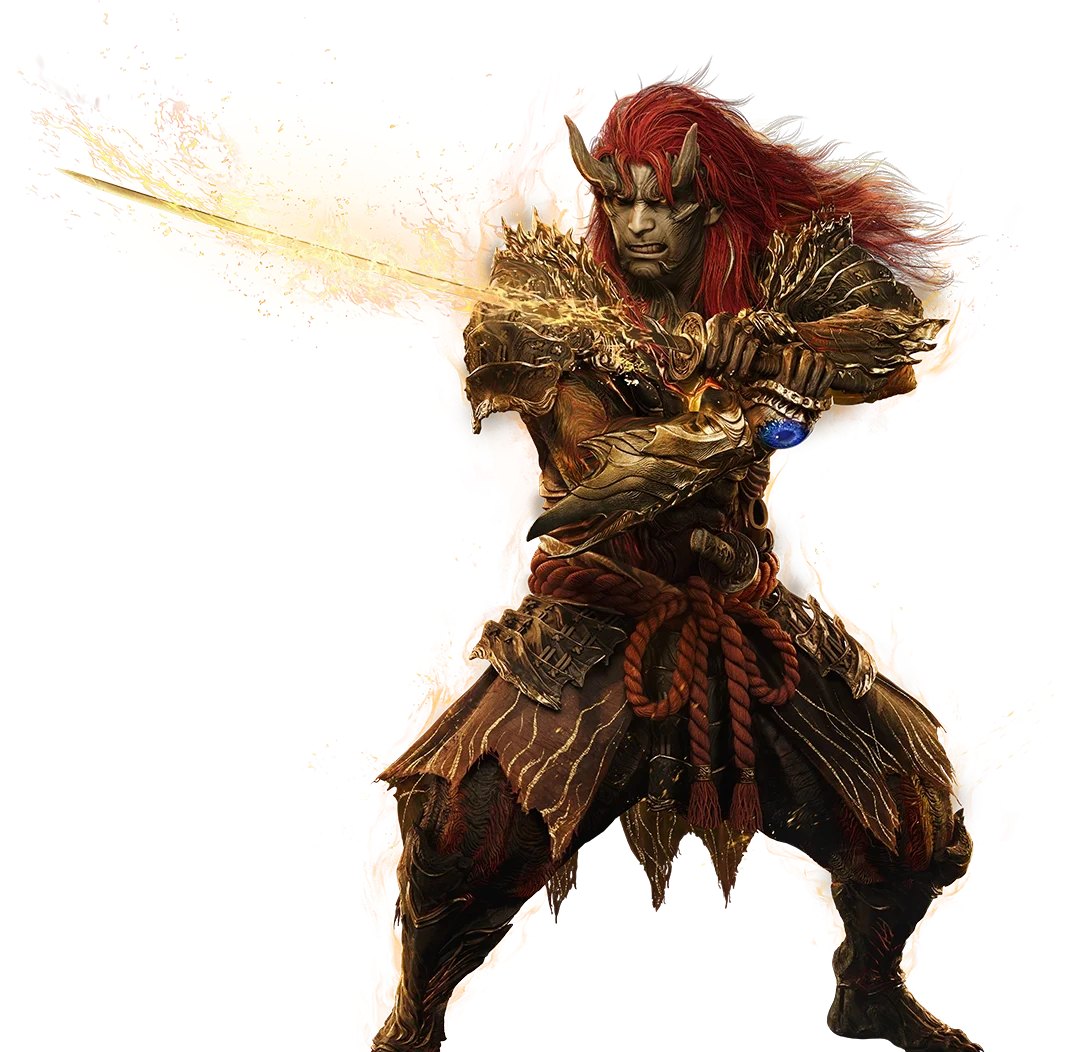
Carnage only unlocks after you finish the campaign once, and the step-by-step unlock process is covered in our separate how to unlock Carnage Mode guide. The game also earned a rare perfect score at launch — see our review scores roundup for how critics reacted to the full campaign.
What Carries Into New Game Plus (and What Resets)
Selecting Carnage happens at the start of a New Game Plus save built from a completed Story or Action file. NG+ is generous with anything Musashi personally learned, and unforgiving with anything you built into his gear:
| Carries over to New Game Plus | Resets in New Game Plus |
|---|---|
| Skills and unlocked abilities (including Oni Awakening) | Weapon and gauntlet upgrades |
| Charms | The Oni Bow (rebuilt from scratch) |
| Healing pouches | Outfits and clothing unlocks |
| Most collectibles and notes | Red Souls currency |
| — | Main story and side mission progress |
The practical takeaway is the same one veteran players give every NG+-driven action game: spend your Red Souls before the credits roll instead of banking them, since they will not survive the transition and holding them back buys you nothing. Skill points spent on abilities are never wasted — those carry — but resources poured into a single weapon’s upgrade path or a favorite outfit do not follow you into Carnage.
Frequently Asked Questions
What is the best fighting style for beginners in Onimusha: Way of the Sword?
The Defense control scheme is the more forgiving option for newcomers. It keeps block, parry, and deflect on inputs suited to a combat system built around countering rather than dodging. You can switch to the default Aggressive scheme later from the options menu if you prefer it.
What difficulty should I start Onimusha: Way of the Sword on?
Action (Medium) difficulty is the recommended first playthrough. Story is easier but teaches fewer of the parry and timing skills the game is built around, while Action forces those reads without Carnage’s one-hit-kill stakes.
Should I turn off Action Prompts on my first playthrough?
Yes, if you plan to eventually try Carnage difficulty. Action Prompts are disabled automatically on Carnage and cannot be re-enabled there, so practicing without them on an easier difficulty first builds the timing you will need blind later.
Does the Oni Bow carry over to New Game Plus?
No. The Oni Bow, weapon and gauntlet upgrades, outfits, and Red Souls currency all reset when you start New Game Plus. Skills, abilities, charms, healing pouches, and most collectibles carry over.
Is Onimusha: Way of the Sword worth playing if I’m new to the series?
Yes — the game was built as an accessible entry point and earned IGN’s first-ever 10/10 for the franchise. See our full review-scores roundup for how other outlets reacted.
Sources for the mechanics above: Metacritic, Timesaver.gg’s difficulty guide, and AllThings.How’s New Game Plus breakdown.