Last updated September 14, 2026.
Ranking the Sailor Guardians by power means separating raw destructive feats from plot importance, and the two lists do not match: Sailor Saturn can end planets with a single attack, while Sailor Moon starts the series as the weakest fighter on the team and still ends every arc as the one who saves the universe.
Here is how the nine core Sailor Guardians of the Solar System stack up, tier by tier, based on their canon feats across the manga and Crystal.
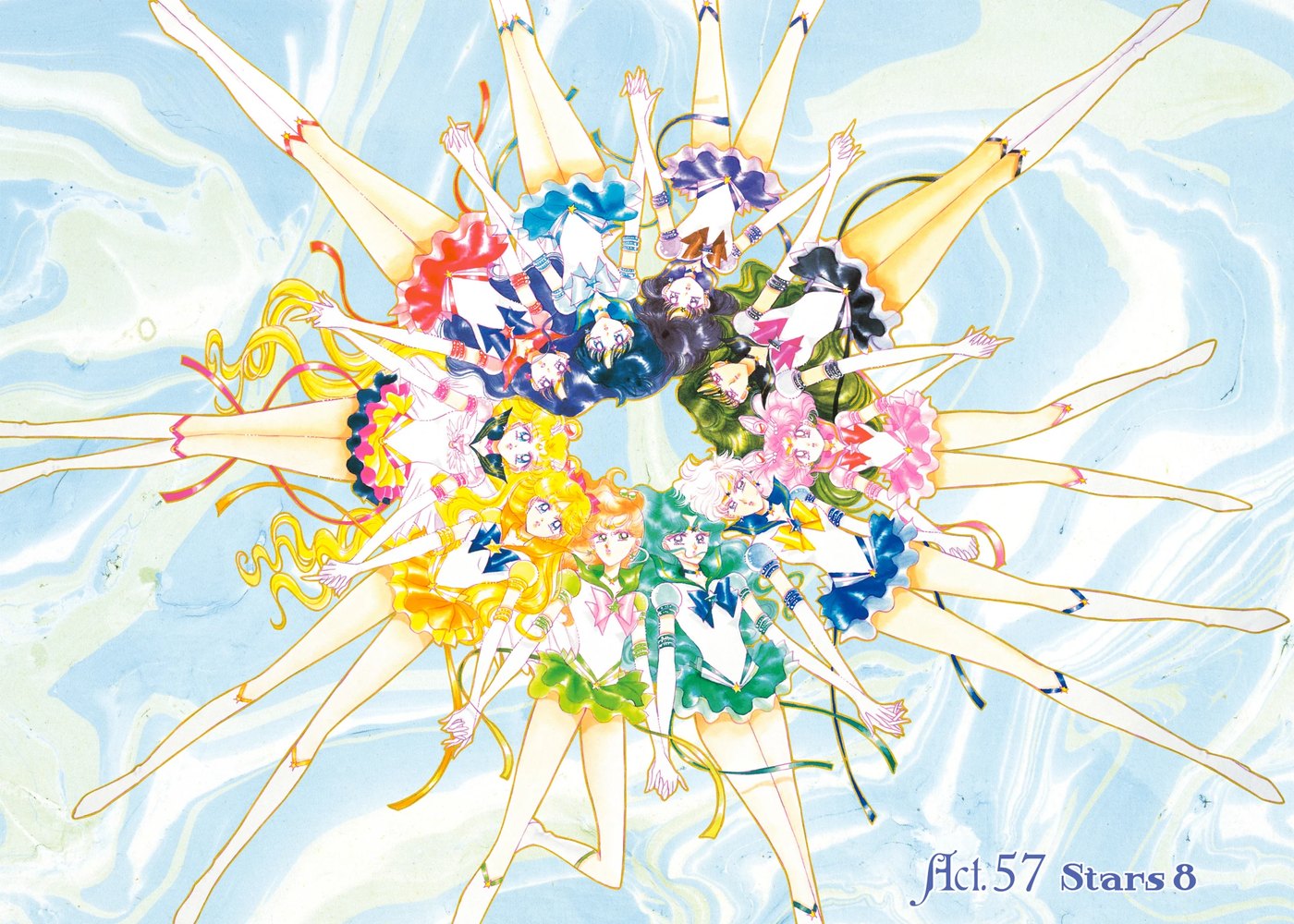
| Rank | Guardian | Signature Power | Why She Ranks Here |
|---|---|---|---|
| 1 | Sailor Saturn | Silence Glaive Surprise | Her full attack is framed in-story as capable of destroying a planet; she is deliberately kept from using it at full strength |
| 2 | Sailor Moon | Silver Crystal / Ginzuishou | Weakest individual fighter early on, but wields the single most powerful object in the series and ends every major arc as the one who actually saves everyone |
| 3 | Sailor Pluto | Garnet Rod / time-space control | Solo guardian of the Space-Time Door, with authority to stop time itself — a power the story treats as too dangerous to use casually |
| 4 | Sailor Uranus | World Shaking | The more aggressive half of the Outer duo, built and written as a frontline fighter first |
| 5 | Sailor Neptune | Deep Submerge | Outer-tier offense paired with a mirror that reveals hidden truths, making her as much an information advantage as a combatant |
| 6 | Sailor Jupiter | Supreme Thunder | The strongest Inner Guardian in a straight fight, with physical strength on top of her lightning attacks |
| 7 | Sailor Mars | Burning Mandala | Fire-based offense backed by real precognitive and spiritual ability, drawn from her identity as a shrine priestess |
| 8 | Sailor Venus | Crescent Beam / Venus Love-Me Chain | The most combat-experienced Inner Guardian — she operated solo as Sailor V before the team ever formed — but her kit is built more for support and restraint than raw damage |
| 9 | Sailor Mercury | Shabon Spray / Mercury Aqua Rhapsody | The weakest direct offense on the team, but the group’s tactician; her ice and fog attacks exist to set up everyone else’s stronger hits |
Why Sailor Saturn Tops the List Despite Barely Fighting
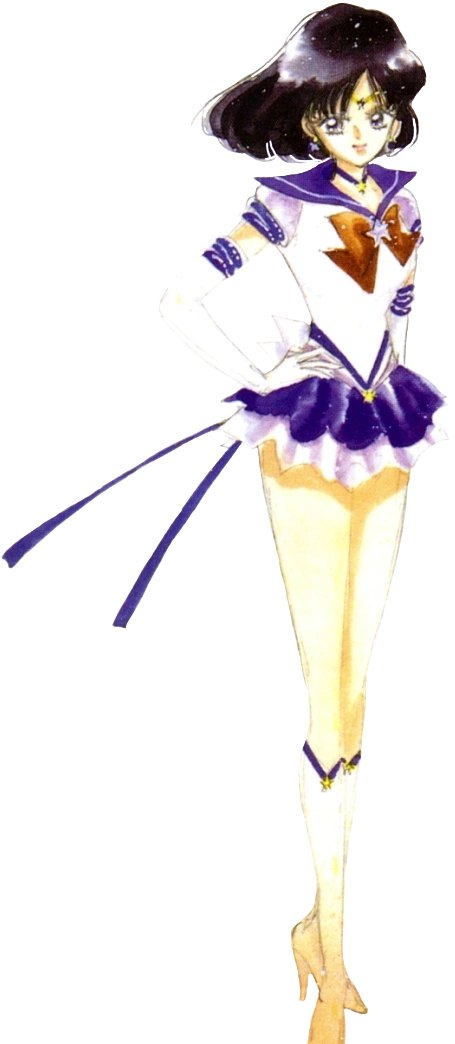
Sailor Saturn appears in the fewest episodes of any core Guardian, and that is by design. Her signature attack, the Silence Glaive Surprise, is written into the story as an extinction-level power — the kind of move the other eight Guardians actively work to prevent her from using. A character the narrative is structured around containing is a stronger signal of raw power than one who fights every week; Saturn’s strength is measured by how rarely the plot lets her use it.
Sailor Moon: Weakest Fighter, Strongest Outcome
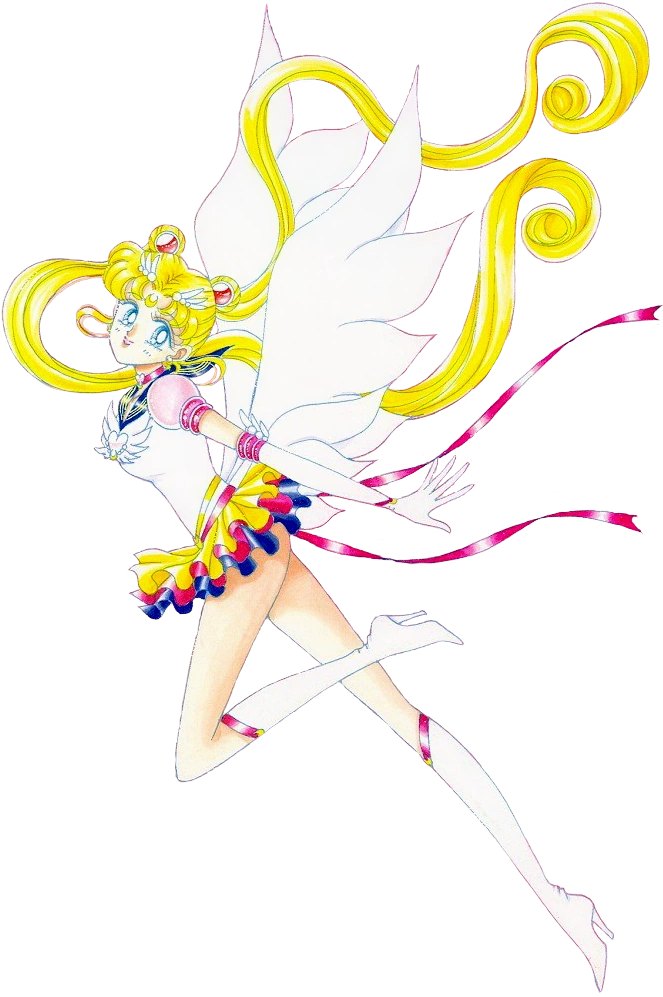
Usagi Tsukino is consistently the worst hand-to-hand combatant of the nine for most of the original manga, and her ranking here only makes sense once the Silver Crystal enters the equation: it is the franchise’s single most powerful artifact, and she is its only user.
Ranking guardians purely on personal combat skill undersells her — she cries, hesitates, and gets rescued by her own team as often as she rescues them in early arcs. Ranking on what she is capable of when the story actually needs it puts her second on this list, one slot above three Outer Guardians who out-fight her individually.
The Outer Guardians: Built for Threats the Inners Never Face
Pluto, Uranus, and Neptune are written on a different power scale from the Inner five almost entirely because of what they are meant to fight: galaxy- and dimension-level dangers, rather than the Earth-bound threats the Inner Guardians usually handle.
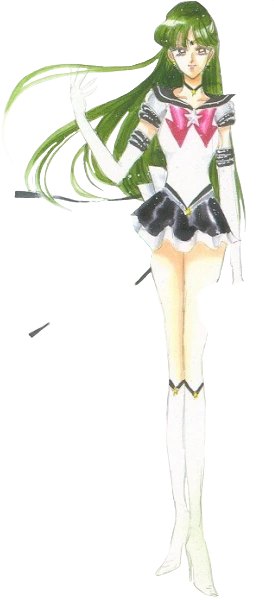
Sailor Pluto’s authority to stop time at the Space-Time Door alone puts her in a category none of the Inner Guardians can match on paper, and it is why the story keeps her isolated at her post rather than folding her into the main team’s day-to-day fights.
The Inner Guardians: Ranked by Combat Role, Not Loyalty
Among the five Inner Guardians, Jupiter is the clearest brawler, written with above-average physical strength on top of her lightning attacks. Mars follows with genuine spiritual and precognitive ability layered onto her fire attacks.
Venus is deceptively experienced — she fought solo as Sailor V before the team assembled — but her kit leans toward crowd control over damage. Mercury ranks last not because she is disposable, but because her ice and fog attacks are explicitly tactical: they set up the finishing blow rather than land it.
How This Ranking Compares to Other Magical Girl Ensembles
Sailor Moon set the template that most modern magical-girl team shows still follow: one emotionally driven lead who is not the strongest fighter, flanked by teammates whose powers scale up the longer the story runs. That structure is part of why franchise power rankings tend to generate more disagreement here than in straightforward shonen battle series — the show is written around who matters at a given moment rather than a fixed hierarchy. If you’re working through other anime power tiers, the same tension between raw stats and story importance shows up in our breakdown of the strongest Solo Leveling characters and our ranking of the strongest One Punch Man villains, where narrative weight and combat feats also don’t always point the same direction.
Where the Sailor Quartet and Starlights Fit
This ranking covers only the nine core Guardians of the Solar System because they are the only ones with a full, consistent power set across every arc. Later additions like the Sailor Quartet (Ceres, Pallas, Juno, and Vesta) and the Kinmoku-born Sailor Starlights complicate a direct comparison: the Quartet’s powers are deliberately left vague since they are still developing, and the Starlights come from an entirely different star system with no textual basis for comparing their output to the Solar System Guardians’ planet-based attacks. If you’re new to the franchise and want the wider picture before diving into character-specific breakdowns, our guide to must-see anime is a good starting point for where Sailor Moon fits among other genre-defining series.
Sources: Character powers referenced from the Sailor Moon Wiki (Fandom) and Wikipedia’s list of Sailor Moon characters. The franchise’s staying power was clear from the start: more than 1 million tankobon volumes of the manga had sold in Japan by the end of 1995, just three years after its 1992 debut, per Nippon.com’s retrospective on the series. 2026 marks the franchise’s 34th anniversary.
Frequently Asked Questions
Who is the strongest Sailor Guardian?
By raw destructive potential, Sailor Saturn ranks highest — her Silence Glaive Surprise is framed in the story as capable of destroying an entire planet. By overall story impact, Sailor Moon’s Silver Crystal makes her the one who actually saves the universe in every major arc.
Why is Sailor Moon ranked above the Outer Guardians if she’s the weakest fighter?
Individual combat skill and story-level power are different measures. Usagi is consistently outfought by teammates in direct combat, but she is the sole wielder of the Silver Crystal, the single most powerful object in the franchise, which puts her narrative power above the Outer Guardians even though several of them beat her in a straight fight.
What is the difference between the Inner and Outer Sailor Guardians?
The five Inner Guardians (Moon, Mercury, Mars, Jupiter, Venus) primarily defend Earth from immediate threats. The Outer Guardians (Pluto, Uranus, Neptune, Saturn) are written to handle galaxy- and dimension-scale dangers, which is reflected in their generally higher individual power ceilings.
How many core Sailor Guardians are there?
There are nine core Sailor Guardians of the Solar System: Sailor Moon, Mercury, Mars, Jupiter, Venus, Pluto, Uranus, Neptune, and Saturn. The franchise also introduces additional Guardians like the Sailor Quartet and the Sailor Starlights in later arcs.