Mary Jane: Face It, Tiger #1 arrived August 5, 2026, marking 60 years of Mary Jane Watson with a one-shot built from three stories spanning three different MJ eras plus an epilogue pointing at her future. The anthology brings together J.M. DeMatteis, J. Michael Straczynski, Ann Nocenti and Ashley Allen, with a main cover by Jim Cheung.
What Is Mary Jane: Face It, Tiger #1?
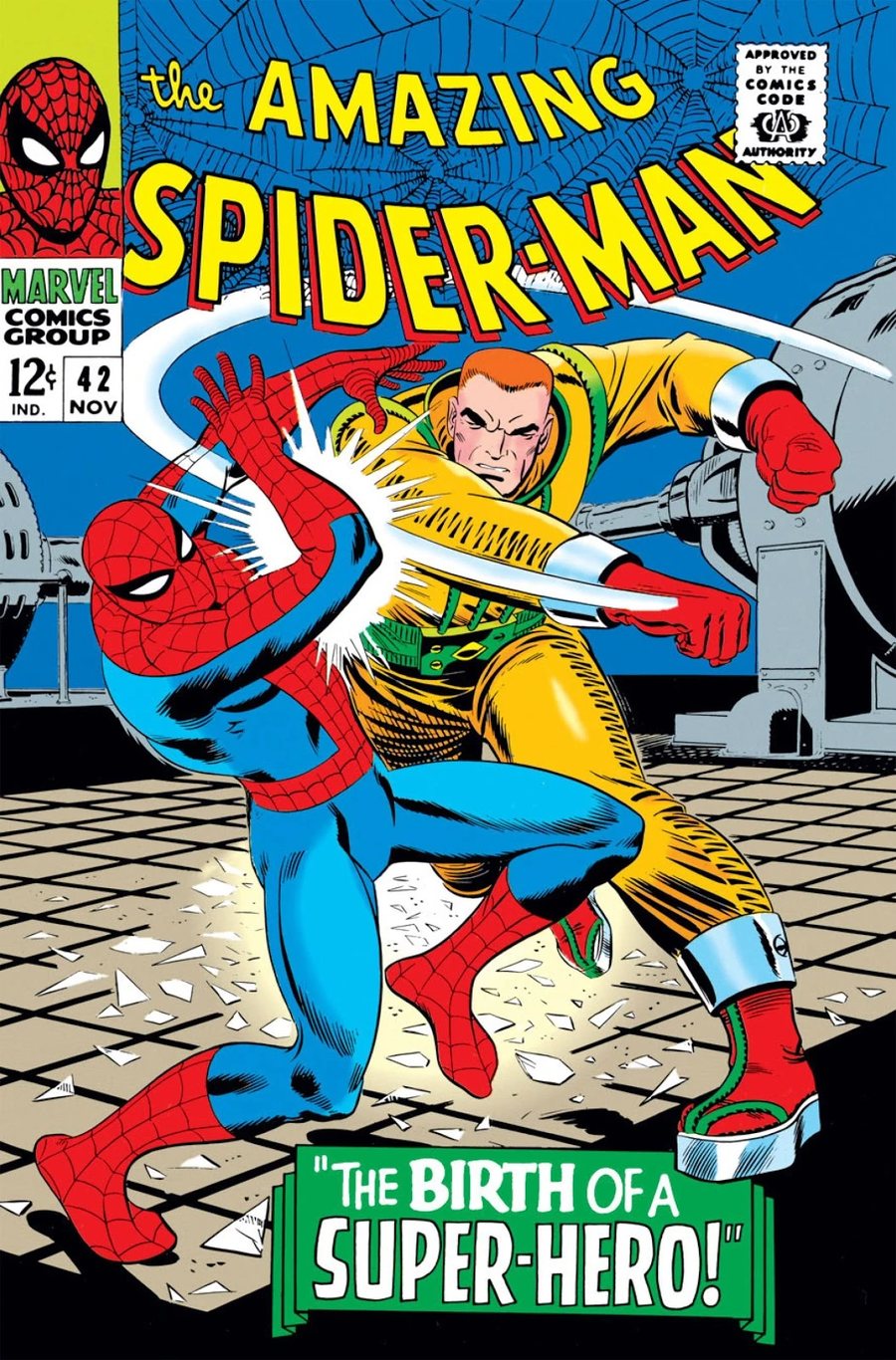
The title is the obvious one, and the right one. “Face it, Tiger… you just hit the jackpot!” is the line Mary Jane delivers on the last page of The Amazing Spider-Man #42, and it remains one of the most quoted panels Marvel has ever printed.
The one-shot is structured as an anthology rather than a single continuous story. Marvel’s stated approach is three stories drawn from three distinct eras of the character, followed by an epilogue that gestures toward where MJ goes next.
| Role | Creators |
|---|---|
| Writers | J.M. DeMatteis, J. Michael Straczynski, Ann Nocenti, Ashley Allen |
| Artists | Phil Noto, Alina Erofeeva, Andrea Broccardo, Luigi Zagaria |
| Main cover | Jim Cheung |
| Variant covers | David Nakayama, including a virgin variant |
| Release date | August 5, 2026 |
The writer list is doing real work here. Straczynski and DeMatteis both wrote defining Spider-Man runs in different decades, and Nocenti brings a very different sensibility from either, with Ashley Allen rounding out the lineup. Assembling that specific mix signals Marvel wanted era-authentic voices rather than a single modern take on the character’s entire past — which is the only way a three-era anthology avoids reading as one writer doing impressions.
The 60th Anniversary Has a Wrinkle Worth Knowing
Here is the detail almost every anniversary write-up glosses over, and it is genuinely interesting: Mary Jane has two debuts, and this anniversary is counted from the second one.
Her technical first appearance is The Amazing Spider-Man #25 (June 1965), with her face hidden behind a potted plant. Her face was not shown until The Amazing Spider-Man #42 (November 1966), when John Romita Sr. drew her and gave her the jackpot line.
So the math tells you which debut Marvel considers the real one. Counting from the obscured cameo in June 1965 would make this her 61st anniversary. Counting from the November 1966 face reveal makes 2026 the 60th. Marvel is anniversary-dating Mary Jane from the moment readers actually saw her — which is a quiet acknowledgment that the character did not really exist until Romita drew that panel. The book is named after that page for a reason.
Why MJ Still Matters 60 Years Later
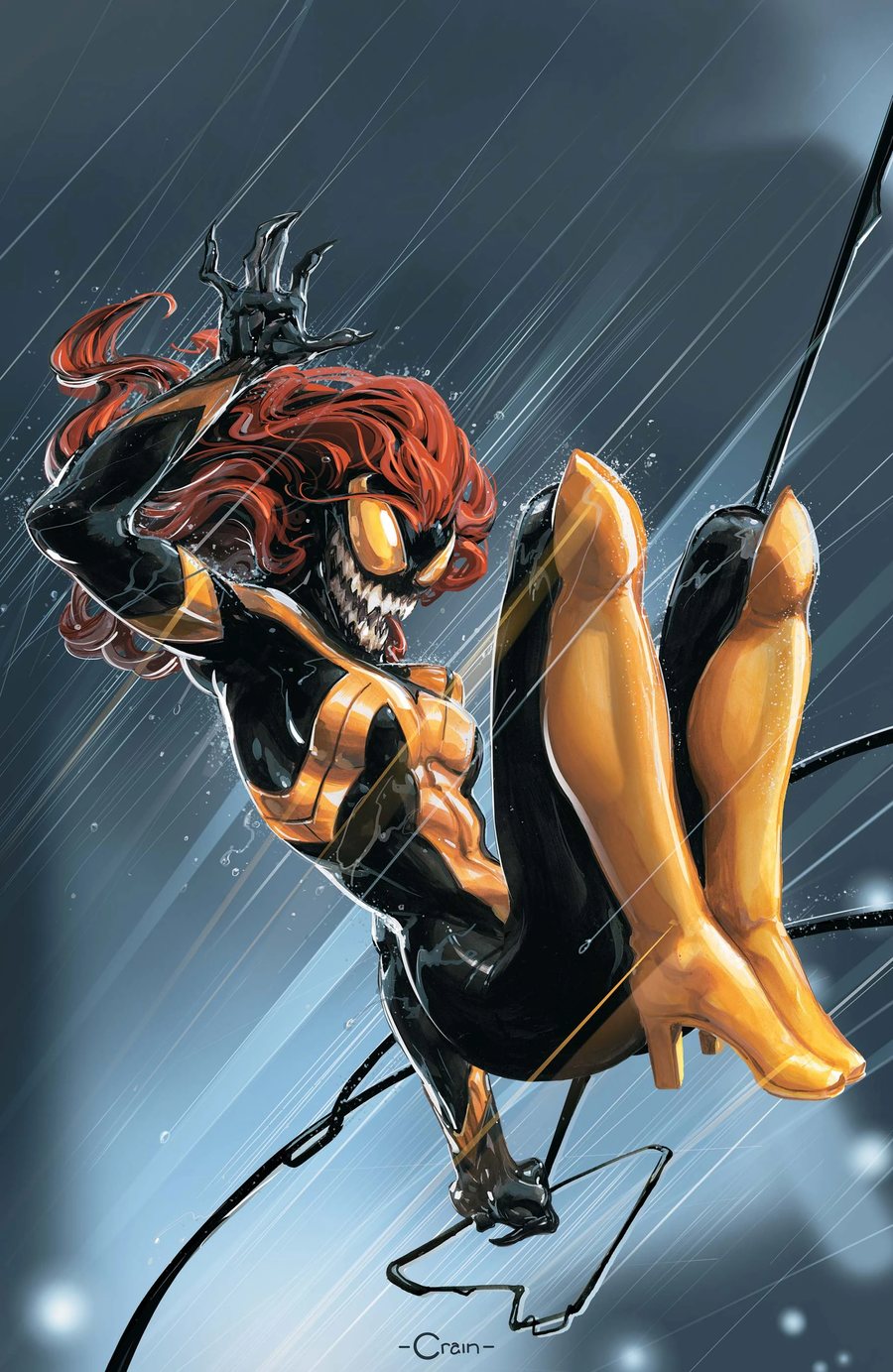
Mary Jane long ago outgrew the love-interest slot she was created to fill. Across six decades she has been a model, an actress, a business owner, a widow-adjacent survivor of several continuity resets, a hero in her own right, and — during one of the stranger stretches — a symbiote host.
That durability is unusual. Most supporting characters created in the mid-1960s either vanished, got killed for a plot beat, or calcified into a single note. MJ kept getting rewritten and kept surviving the rewrites, which is why she is one of the very few non-powered Marvel characters who can headline a book on her own.
If the symbiote chapter of her history is new to you, our explainer on what a symbiote actually is in Marvel covers how those bonds work.
Frequently Asked Questions
When was Mary Jane Watson first introduced?
She first appears in The Amazing Spider-Man #25 (June 1965) with her face hidden. Her face was first shown in The Amazing Spider-Man #42 (November 1966), which is the debut Marvel dates the 60th anniversary from.
Who created Mary Jane Watson?
She was created by Stan Lee, with her definitive design and face reveal drawn by John Romita Sr.
Is Mary Jane: Face It, Tiger #1 a single story?
No. It is an anthology of three stories set in three different eras of the character, plus a closing epilogue.
Do I need to be current on Spider-Man to read it?
No. Because the stories are set across her history rather than in present continuity, the one-shot works as a standalone.
The Bottom Line
A 60th-anniversary one-shot that recruits three era-defining writers and names itself after the single most famous panel in the character’s history is Marvel taking the assignment seriously. For a character introduced as a blind-date gag hidden behind a houseplant, that is a remarkable 60 years.
For more Spider-Man reading, see our ranked list of the best Spider-Man villains and the greatest comic book romances, ranked.
Not up to speed on MJ? Our complete guide to Mary Jane Watson covers all six decades.