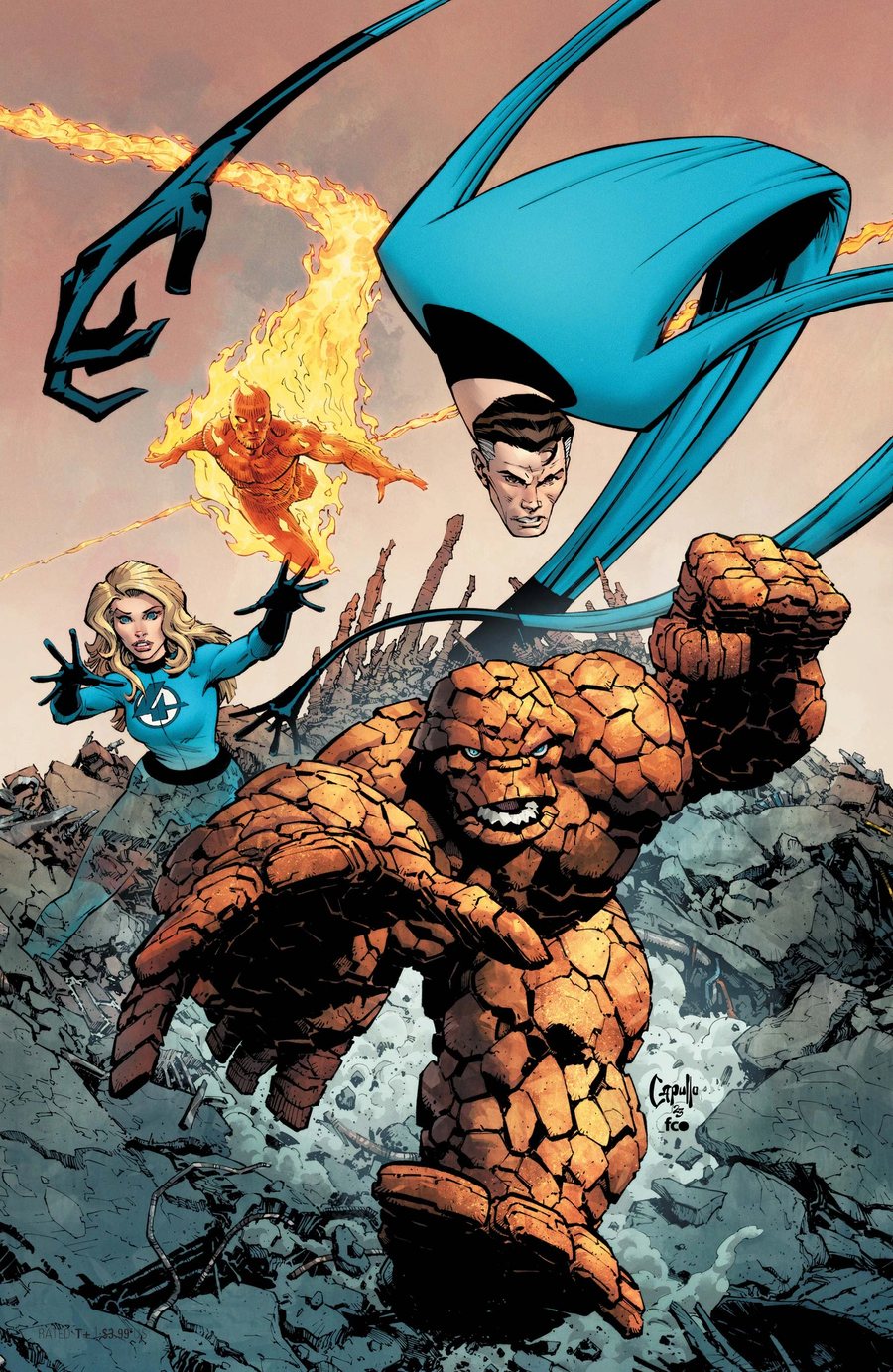
Marvel is marking the Fantastic Four 65th anniversary with an oversized Fantastic Four #15 — legacy numbering #741 — released August 5, 2026. Written by Ryan North with art by Humberto Ramos, the extra-large issue sends Marvel’s First Family spiraling across eras of their own history, and it arrives alongside a companion volume collecting more than 700 FF covers.
What Marvel Is Publishing for the Fantastic Four 65th Anniversary
The centerpiece is Fantastic Four #15, an extra-sized anniversary issue from the current creative team of writer Ryan North and artist Humberto Ramos. The legacy number, #741, is the detail collectors will care about — it counts the title continuously back to Fantastic Four #1 in November 1961.
Alongside it, Marvel released Fantastic Four: 65 Years of the World’s Greatest Comic Covers, a gallery issue reprinting more than 700 FF covers with commentary from creators past and present.
| Release | Creative Team | What It Is |
|---|---|---|
| Fantastic Four #15 (legacy #741) | Ryan North, Humberto Ramos | Oversized anniversary story |
| 65 Years of the World’s Greatest Comic Covers | Various | 700+ cover gallery with creator commentary |
The Story: A Time-Travel Tour Through FF History
North’s anniversary story is built around time travel. The team is pushed across eras of its own past with no way home, and no hope of returning to the present — where a deadly threat is waiting — unless a total stranger can help them.
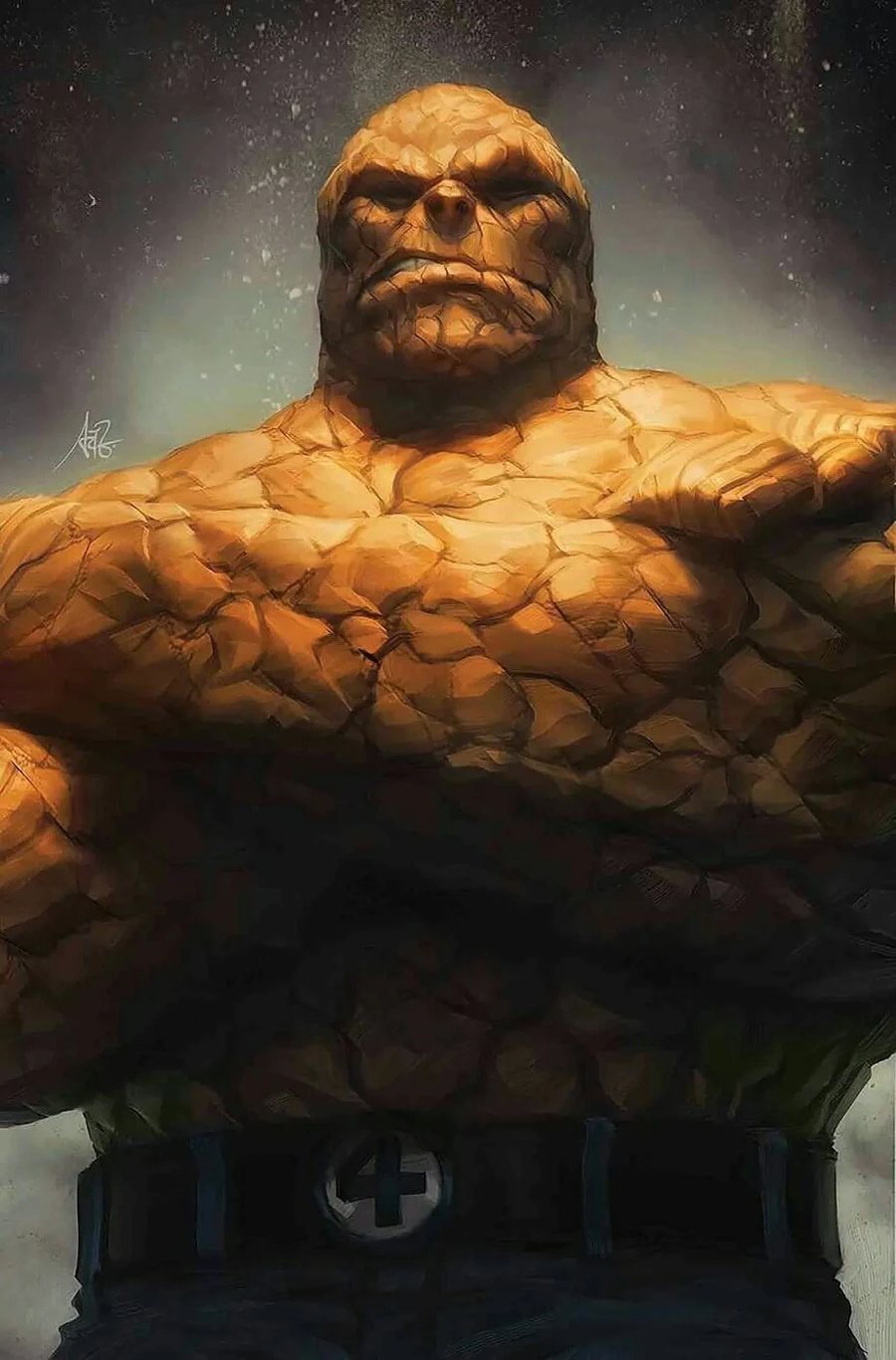
The structural trick is that the story revisits classic moments drawn by the definitive FF artists of previous generations, including Jack Kirby, John Buscema, John Byrne and Steve Epting, each revisited with a new wrinkle added. It is an anniversary issue that uses the medium’s own visual history as its plot device rather than simply nodding to it in dialogue.
Why 65 Years Is a Bigger Deal Than It Sounds
Here is the context that makes this anniversary genuinely significant rather than a routine numbering milestone.
Fantastic Four #1, cover-dated November 1961, is the book that started the Marvel Universe as we understand it. Before it, Marvel’s predecessor was publishing monster and romance anthologies. Stan Lee and Jack Kirby’s decision to write superheroes who argued with each other, had money problems, and were publicly known rather than secretly masked is the foundational break that everything else at Marvel was built on top of.
So 65 years of the Fantastic Four is functionally 65 years of the Marvel method. That is why the anniversary book leans on a tour of its own art history rather than a crossover event — the history is the selling point.
There is also a publishing read worth noting. A 700-cover gallery issue is not an event tie-in — it is an art book in a floppy format, and its economics are completely different from a story issue. It has no continuity to service and no expiry date, which suggests Marvel is treating the FF backlist as a durable evergreen asset rather than a one-month anniversary spike.
What This Means for Collectors
Anniversary issues with legacy numbering are reliably variant-heavy, and variant-heavy issues rarely appreciate. If you are buying for investment rather than reading, the durable value in Fantastic Four remains concentrated in the genuine early keys, not in modern anniversary printings.
If you are new to grading and want to understand what actually drives a book’s value, our guides on how to grade comic books and what CGC grading really costs cover the economics before you spend anything.
Frequently Asked Questions
When did the Fantastic Four first appear?
Fantastic Four #1 by Stan Lee and Jack Kirby carried a cover date of November 1961, which is why 2026 marks the 65th anniversary.
What is the legacy number of the anniversary issue?
Fantastic Four #15 carries legacy numbering #741, counting continuously back to the 1961 debut.
Who is writing the Fantastic Four 65th anniversary issue?
Ryan North writes, with art by Humberto Ramos.
Is the anniversary issue a good jumping-on point?
Yes. It is built as a self-contained tour through the team’s history, which makes it more accessible to new readers than a typical mid-arc issue.
The Bottom Line
Sixty-five years on, the Fantastic Four remain the template every Marvel team book is still working from. An anniversary issue that literally walks through the art history of the title is a smarter tribute than another universe-shaking crossover.
For more on where the FF sit among comics’ great ensembles, see our ranking of the best superhero teams in comics and the best Marvel comics of all time.
Newer readers can start with our breakdown of every Fantastic Four member’s powers.
Sources: CBR, Marvel.com.