How the Death Note actually works comes down to a precise rulebook: writing a name kills its target by heart attack within 40 seconds unless a cause is added, which then gets 6 minutes 40 seconds to gain details — and separate rules govern ownership, memory loss, and the shinigami-eye trade, most of which the anime never showed on screen.
The Core Rules That Actually Drive the Story
Every death in Death Note traces back to a handful of rules that Light Yagami, Ryuk, and later L all reference directly on the page and on screen. These are the ones a reader or viewer needs to understand the plot, full stop.
Writing the Name
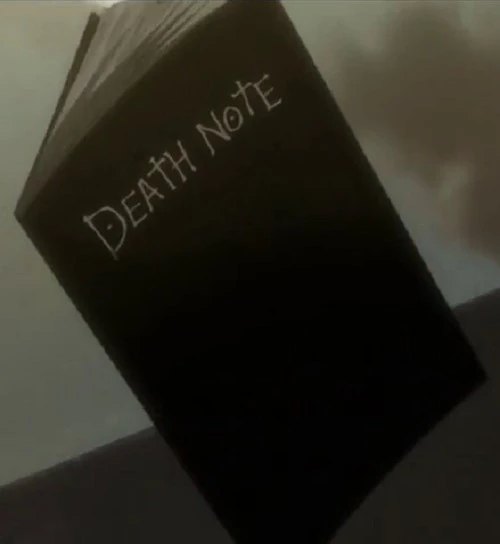
The core rule, printed on the Death Note’s own opening pages, is simple: the human whose name is written in the notebook dies. But it only works if the writer holds that person’s face in mind while writing — the rule exists specifically so that two people who happen to share a name aren’t both killed by accident. This is why Light spends so much of the early story hunting for photographs and TV footage of criminals before he’ll write anything down.
Setting the Cause and the Clock
If nothing else is written, the victim dies of a heart attack roughly 40 seconds after their name is entered. Writing an actual cause of death within that same 40-second window lets it override the heart attack. After the cause is written, the writer then has six minutes and 40 seconds to add specific details — a time, a location, a method — and can keep revising those details as many times as they want, as long as every revision still happens inside that six-minute-40-second window. Miss it, and the death defaults to a heart attack at the end of the window instead.
One detail most casual summaries skip: a cause and its details can be written days in advance, with the name itself left blank, as long as the name is filled in afterward and within roughly 19 days. That single allowance — write the mechanism first, the victim’s name later — is what makes several of the story’s set-piece killings possible, including the one broken down further down this page.
Ownership, Memory Loss, and the Shinigami Eye Trade
A Death Note belongs to whoever picks it up first, and that ownership only changes hands under specific conditions: if the owner dies while the note is on loan, ownership passes to whoever is holding it; if it’s lost or stolen, the original owner has about 490 days to get it back before losing ownership for good.
Giving up or losing a Death Note erases every memory tied to owning it — not just memories of using it, but the sense of having ever been involved with it at all. This is exactly what lets Light and Misa Amane pass as innocent later in the story. Memory can come back, though: regaining ownership, or simply touching the notebook again, restores it, and according to the rules this can happen up to six times per notebook before the memories stop returning for good.

The other major deal in the series is the shinigami eyes: a human owner can trade half of their remaining lifespan to a shinigami in exchange for the ability to see anyone’s real name and remaining lifespan just by looking at their face. It’s a one-time transaction per deal, the lost lifespan is never restored even if the eyes or the notebook are lost later, and a person who only borrows a notebook — rather than owning it — can’t make the trade at all.

The Rules You Won’t Find On Screen
Here’s the distinction most “death note rules” roundups blur: the manga’s “How to Use It” text actually ran to roughly 70 numbered rule pages across the original tankobon volumes (68 in Viz‘s English release), printed as bonus material between chapters. Only a small fraction of that page count was ever dramatized in a manga panel or an anime episode — meaning anime-only viewers have genuinely never seen most of these rules stated anywhere. The companion guidebook Death Note 13: How to Read, published after the series ended, didn’t add a new rulebook so much as reorganize that existing bonus material by topic (naming, ownership, the shinigami eyes, shinigami conduct) and add a Q&A section, “All Tricks Revealed,” where creator Tsugumi Ohba answered fan-submitted hypothetical scenarios directly. That Q&A material is the one piece genuinely exclusive to the databook rather than reprinted from the manga’s own bonus pages.
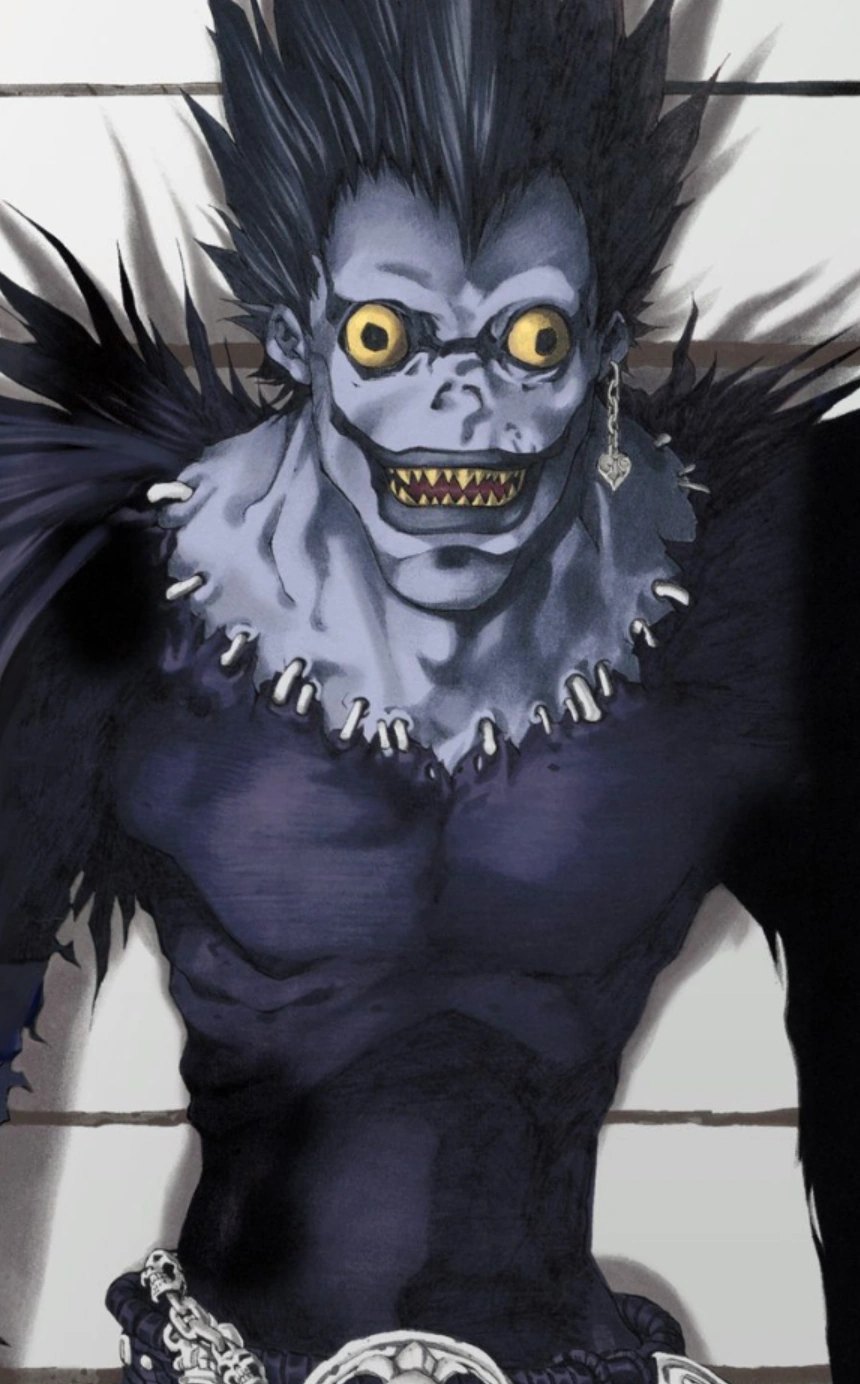
Some of the fine print buried in those bonus pages, confirmed on the Death Note Wiki’s rule compilation, includes: the Death Note can’t affect anyone under 780 days old or over 124 years old, or anyone with less than 12 minutes of life left; if the same name is written in two separate notebooks within 0.06 seconds of each other, neither entry takes effect; and only six Death Notes may be active among humans at once, with any one shinigami able to hand notebooks to a maximum of three people at a time. None of that is ever spoken aloud on screen — it exists only in the printed rule pages and the databook that later sorted them.
| Rule | What It Means | Where It’s Shown |
|---|---|---|
| 40-second rule | Cause of death must be written within 40 seconds of the name, or it doesn’t apply | Manga & anime (dramatized) |
| Heart-attack default | No cause specified = death by heart attack | Manga & anime (dramatized) |
| 6:40 detail window | Time and method of death can be entered or revised for 6 minutes 40 seconds after the cause | Manga & anime (dramatized) |
| Face + name rule | Writer must know the target’s face, not just their name | Manga & anime (dramatized) |
| Pre-writing cause/conditions | Cause and conditions can be written before the name, which can follow up to ~19 days later | Manga bonus rule pages (rarely shown in full on screen) |
| 4x misspelling rule | Accidentally misspelling a name 4 times frees the target; doing it on purpose kills the writer instead | Manga bonus rule pages / How to Read 13 |
| Ownership transfer | Ownership passes to whoever holds the note when the owner dies, or after ~490 days if it’s lost or stolen | Manga & anime (dramatized), exact day count from How to Read 13 |
| Memory loss/return | Giving up a note erases its memories; regaining ownership or touching it (up to 6 times) restores them | Manga & anime (dramatized), exact limit from How to Read 13 |
| Shinigami eye trade | Half of remaining lifespan for the eyes; permanent, one deal at a time, owners only | Manga & anime (dramatized), exact terms from How to Read 13 |
| Six-notebook cap | Only 6 Death Notes may be active among humans at once; one shinigami can supply at most 3 people | How to Read 13 only — never referenced in the story |
The Loophole That Actually Saved Light Yagami
The single most consequential rule in Death Note isn’t one of the real ones — it’s the fact that nothing in the notebook distinguishes a genuine rule from a fake one. When Misa Amane is arrested as a suspect, Light has Ryuk write two invented rules directly into a Death Note: that the owner dies if they go 13 days without killing someone, and that everyone who has touched the notebook dies if it’s destroyed. Both are false. But because every rule that has ever appeared in a Death Note has turned out to be true, the task force has no way to test that assumption without real risk, and it treats the fake 13-day rule as proof that Light and Misa — held in isolated custody for roughly 50 days with no access to any notebook — can’t be Kira.
L never fully buys it. He arranges for two death-row inmates to test the 13-day rule directly. That test never happens: the shinigami Rem, protecting Misa, kills L and Watari herself using a Death Note before it can run. It costs Rem her own existence — the rules state that a shinigami who kills specifically to extend a human’s life, rather than shorten one, disintegrates on the spot, the same fate an earlier shinigami named Gelus met protecting Misa from a stalker. A rule Light invented survives only because the one character positioned to disprove it sacrifices herself under a completely different, genuine rule.

What the Rules Reveal That Most Lists Miss
The scene where Light kills the twelve FBI agents tailing him gets described in most recaps as him simply being clever. It’s actually a specific, documented combination of two ordinary rules, not an ad hoc trick. First, he pre-writes causes and conditions of death on several notebook pages while leaving the name spaces blank — the rule that allows the name to follow the cause by up to roughly 19 days. Second, he hides those pages inside a windowed envelope so that agent Raye Penber, forced to look up his colleagues’ files, sees only blank name fields and believes he’s compiling a list for later — not realizing he’s the one physically writing in a Death Note with each agent’s face already on file in front of him. The face-plus-name rule is satisfied because Raye has the photos; the death is set in motion the moment he writes, using a cause Light had already locked in. Nobody in the scene needs a new power or a rule exception. It’s the same two mechanics — pre-written causes, and a rule that doesn’t require the notebook’s owner to be the one holding the pen — that a first-time reader sees explained in a single throwaway rule page chapters earlier, and then watches play out as one of the show’s biggest set pieces without the show ever pausing to connect the two.
Why the Rules Matter as Much as the Powers
Death Note doesn’t hand its cast superpowers so much as a legal document with teeth, and that’s part of why Light Yagami reads less like a supervillain and more like a case study — the same territory covered in our breakdown of the psychology of supervillains. It also places Death Note alongside the antihero-protagonist tradition mapped out in our look at the evolution of comic book antiheroes, and it’s worth reading next to other tightly-defined power systems we’ve broken down rule by rule in how comic book powers actually work.
Frequently Asked Questions
How long do you have to write the cause of death after the name?
40 seconds. If no cause is written within that window, the default is a heart attack. A cause written within the 40 seconds then gets its own six-minute-40-second window to add specific details like time, place, or method.
Can you change what you wrote in the Death Note?
Only within six minutes and 40 seconds of writing the cause of death, and only the time and conditions — once a name is written, that person’s death can’t be undone. After that window closes, the entry is locked in.
What’s the difference between the manga rules and the Death Note 13: How to Read databook?
The manga itself printed roughly 70 numbered rule pages as bonus material across its volumes, most of which were never shown in the anime. Death Note 13: How to Read, published after the series ended, reorganizes that same bonus material by topic and adds new Q&A commentary from creator Tsugumi Ohba answering fan hypotheticals — that Q&A is the part that’s genuinely exclusive to the databook.
Is the 13-day rule real?
No. It’s one of two fake rules Light Yagami has the shinigami Ryuk write into a Death Note specifically to mislead the police investigating him, and it works only because the task force has no reliable way to distinguish a fabricated rule from a real one.