Marvel Rivals team-up abilities are per-hero ability loadouts, not shared team bonuses. Every hero has two, and each one names a single partner. The Base Effect is always active; the Enhanced Effect only fires when that named partner is on your team. Season 9 removed the old anchor requirement entirely, and you can swap loadouts mid-match from the spawn room.
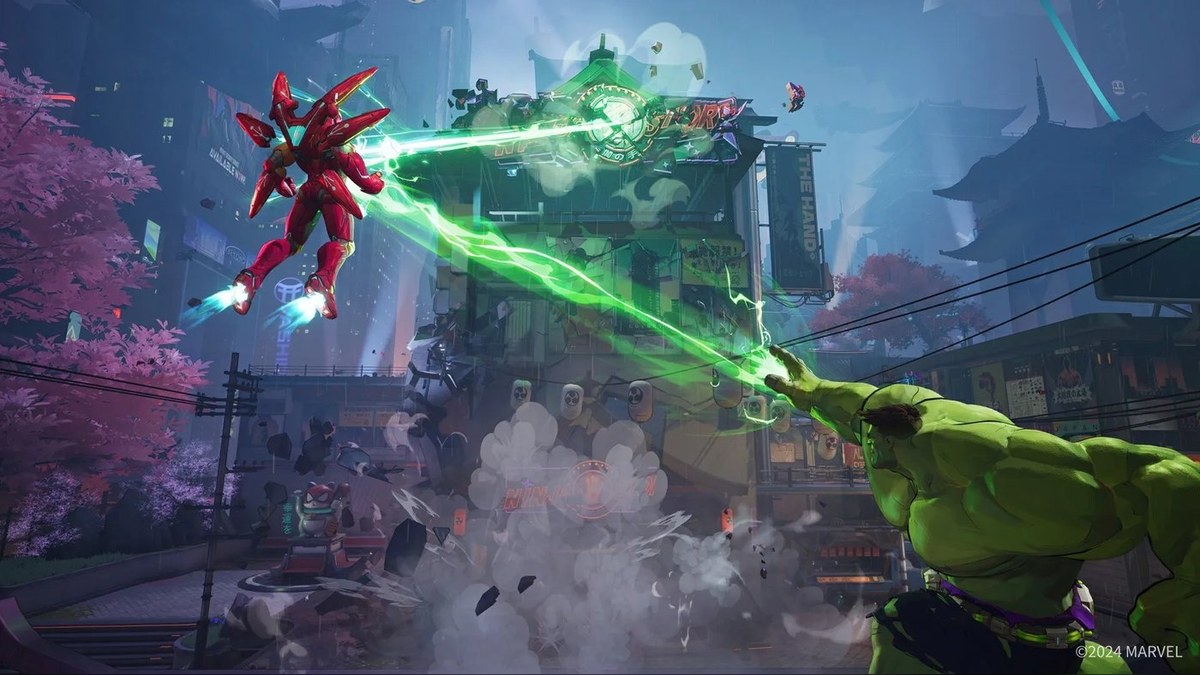
How team-up abilities work after the Season 9 rework
Season 9.0 rebuilt the system from the ground up, and the version you are playing today — Season 9.5, patch 20260807, live since 7 August 2026 — runs on those rules. If you learned team-ups before Season 9, most of what you know is wrong.
Three rules cover almost everything:
- Every hero has exactly two team-up loadouts, and you equip one at a time. They belong to your hero — the partner named in the loadout has their own separate two.
- Each loadout has a Base Effect and an Enhanced Effect. The Base Effect is live the moment you equip it, whether or not the named partner is anywhere near your team. The Enhanced Effect only switches on if that partner is actually picked.
- You can change loadouts mid-match, in the spawn room, as well as during hero select.
That second rule is the one that changed. Before Season 9, team-ups were gated behind “anchor” heroes: no anchor on the team meant no ability at all. Now nothing is locked. A team-up you pick alone still does something — it just does more with the right teammate. It is why a specialist pick like Invisible Woman is no longer a gamble on your team drafting around her.
| Pre-Season 9 system | Season 9 onward | |
|---|---|---|
| Requirement | Anchor hero had to be picked | None — always available |
| If partner absent | Ability unavailable | Base Effect still active |
| If partner present | Ability unlocked | Enhanced Effect added on top |
| Loadouts per hero | Varied by hero | Exactly two |
| Changing mid-match | Not applicable | Allowed, from the spawn room |
The part almost every guide gets wrong: no team-up is mutual
Team-ups are written about as though they were pairs — two heroes bonding, both getting something. They are not. Each loadout points one way, from the hero who equips it to the partner it names, and the arrow does not come back.
We mapped all 106 loadouts across the full 53-hero roster — every hero’s two entries in the in-game team-up table — to see how often the pairing is returned. The answer is a clean zero. Not one team-up in Marvel Rivals is reciprocal. There is no hero pair anywhere in the game where each hero has a loadout naming the other.
Rogue and Gambit make the point best, because they are the pairing players most expect to be mutual. Rogue’s loadout Mr. & Mrs. X names Gambit. Gambit’s two loadouts name Magneto and Jubilee. He gets nothing at all from Rogue standing next to him.
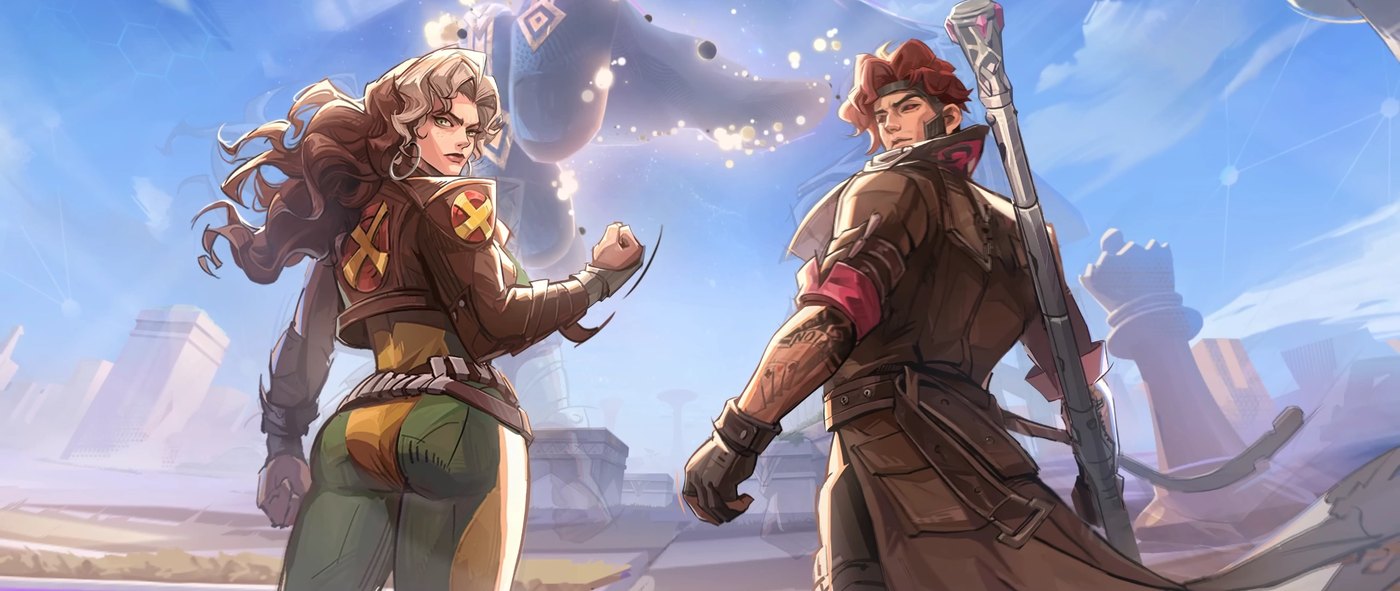
Two things follow from this, and both change how you pick:
- Asking a teammate to swap “so we can team up” is usually backwards. You are not forming a bond together. You are asking them to become the partner your loadout already names — and they gain nothing from you in return.
- The value flows to whoever equipped the loadout. If you are the one who swapped to accommodate someone else, you took the cost and they took the benefit.
This is almost certainly deliberate design rather than an oversight. Mutual pairs would make certain duos self-justifying — pick both, both get stronger, every match. A one-way graph means a hero can be in demand without that demand being automatically repaid, which keeps team composition a series of trade-offs instead of a list of locked-in couples.
Which heroes the most loadouts are asking for
Because the graph runs one way, a hero’s real value to a composition is partly how many other heroes have a loadout naming them. Pick one of these and you are switching on Enhanced Effects for teammates who already equipped the loadout — without anyone having to change their pick.
Counting how often each hero is named as a partner across all 106 loadouts, two sit at the top:
| Hero | Loadouts naming them | Who is asking |
|---|---|---|
| Hela | 4 | Loki, Thor, Phoenix, Deadpool |
| Gambit | 4 | Wolverine, Rogue, Deadpool, Cyclops |
| Hulk | 3 | Doctor Strange, Iron Man, Namor |
| Thor | 3 | Iron Man, Storm, Captain America |
| Storm | 3 | Black Panther, Adam Warlock, Human Torch |
| Venom | 3 | Spider-Man, Hela, Jeff the Land Shark |
| Jeff the Land Shark | 3 | Groot, Storm, Devil Dinosaur |
| Cloak & Dagger | 3 | Psylocke, Moon Knight, Hawkeye |
Hela and Gambit being the two most-requested partners is a quietly useful fact, because neither is picked primarily as a support piece. If your team already has a Wolverine, a Rogue, a Deadpool or a Cyclops, a Gambit pick is doing more work than the scoreboard will show you.
One caveat worth stating plainly: this counts how many loadouts name a hero, not how strong those Enhanced Effects are. A single excellent enhancement beats three forgettable ones. Treat the table as a map of demand, not a tier list.
The comics references hiding in the team-up names
The loadout names are not generic. Several are direct pulls from specific comics, and knowing the reference tells you why the pairing exists at all.
| Team-up | Pairing | What it is referencing |
|---|---|---|
| Mr. & Mrs. X | Rogue → Gambit | The 2018–2019 Marvel series written by Kelly Thompson, following Rogue and Gambit’s marriage. They married in X-Men Gold #30 (2018) — an issue solicited as Kitty Pryde and Colossus’s wedding, which they hijacked. |
| Damisa-Yao | Black Panther → Storm | T’Challa and Ororo were married in Black Panther #18 (2006), marketed by Marvel as its wedding of the century. T’Challa annulled the marriage during Avengers vs. X-Men (2012). |
| Symbiote Bond | Spider-Man → Venom | Its enhanced version triggers “Touch of Klyntar” tendrils. Klyntar is the symbiotes’ homeworld and the species’ own name for itself. |
| Asgardians of the Galaxy | Angela → Star-Lord | The 2018 series by Cullen Bunn and Matteo Lolli, which put Angela on a team alongside Valkyrie, Skurge and Throg — Asgardians doing Guardians work. |
| Pair of Threes | Wolverine → Gambit | A poker hand, for the card-throwing Cajun. Deadpool’s Gambit loadout is called Gumbo Chimichangas, which is the same joke with less subtlety. |
The Rogue and Gambit case is the sharpest illustration of the one-way rule. Their loadout is named after a comic about their marriage, and the benefit still only travels in one direction. If you want the wider context on where these two sit in mutant power terms, we ranked the strongest X-Men characters separately.
How to actually pick a loadout
Since nothing is locked behind a partner any more, the decision is simpler than it looks. Work in this order:
- Read both Base Effects first. This is the part you are guaranteed to get. If one Base Effect is clearly better for how you play the hero, that is usually the pick, regardless of who else is on the team.
- Then check the lobby. If a named partner is already picked, the Enhanced Effect is free value and should break any tie.
- Do not ask a teammate to swap heroes for your loadout. They gain nothing from it — the benefit is entirely yours.
- Re-check in the spawn room. Compositions change after the first fight. Because you can swap loadouts mid-match, an Enhanced Effect that was dead at hero select can come online after a teammate switches.
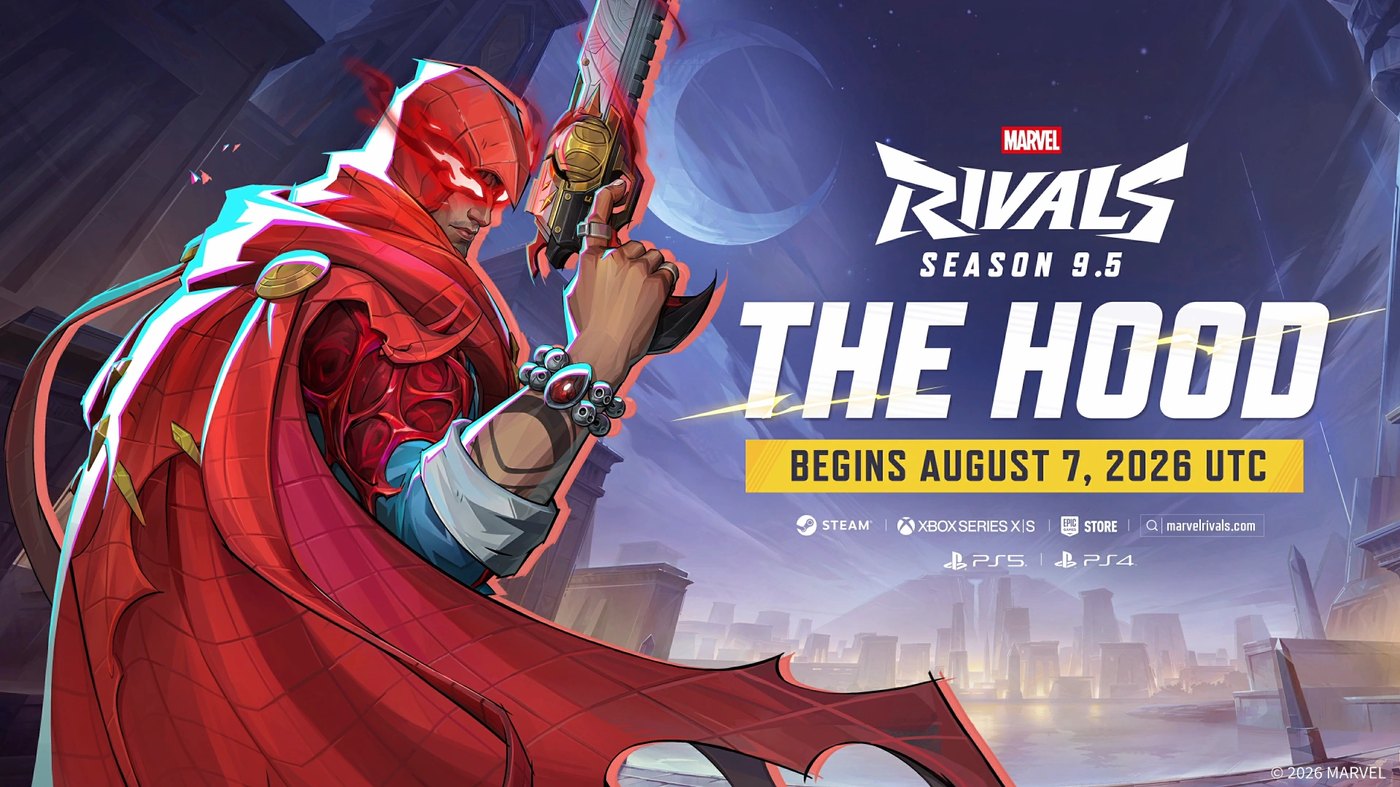
One last thing worth watching: new heroes arrive already woven into the graph. The Hood, added in Season 9.5, is named as a partner by Magik, Cloak & Dagger and Jubilee from day one. A new release is not just a hero — it quietly upgrades whoever was already carrying a loadout pointing at them.
Frequently Asked Questions
How many team-up abilities are in Marvel Rivals?
There are 106 team-up loadouts, two for each of the 53 heroes on the Season 9.5 roster. Each loadout names one partner hero and has both a Base Effect and an Enhanced Effect.
Do I need the partner hero on my team to use a team-up?
No. Since the Season 9 rework, the Base Effect is always active once you equip the loadout. Only the Enhanced Effect requires the named partner to be on your team. Before Season 9, the ability was locked entirely without the anchor hero.
Are Marvel Rivals team-ups mutual between two heroes?
No. Every one of the 106 loadouts is one-way. There is no pairing in the game where both heroes have a loadout naming the other, so the hero who equipped the loadout is the only one who benefits.
Can I change my team-up ability during a match?
Yes. Loadouts can be swapped during hero select and at any point mid-match while you are in a spawn room, so you can turn on an Enhanced Effect if a teammate switches heroes.
Which hero unlocks the most team-ups for other players?
Hela and Gambit are tied at four, each named by four other heroes’ loadouts. Picking either can switch on Enhanced Effects for teammates without anyone else changing their hero.