The Marvel Tōkon roster launched with 20 playable fighters split into five four-character teams, plus a secret unlockable boss. Arc System Works built the lineup around team storylines rather than a flat character select, which is why the picks look unusual on their own and make sense in sets of four.
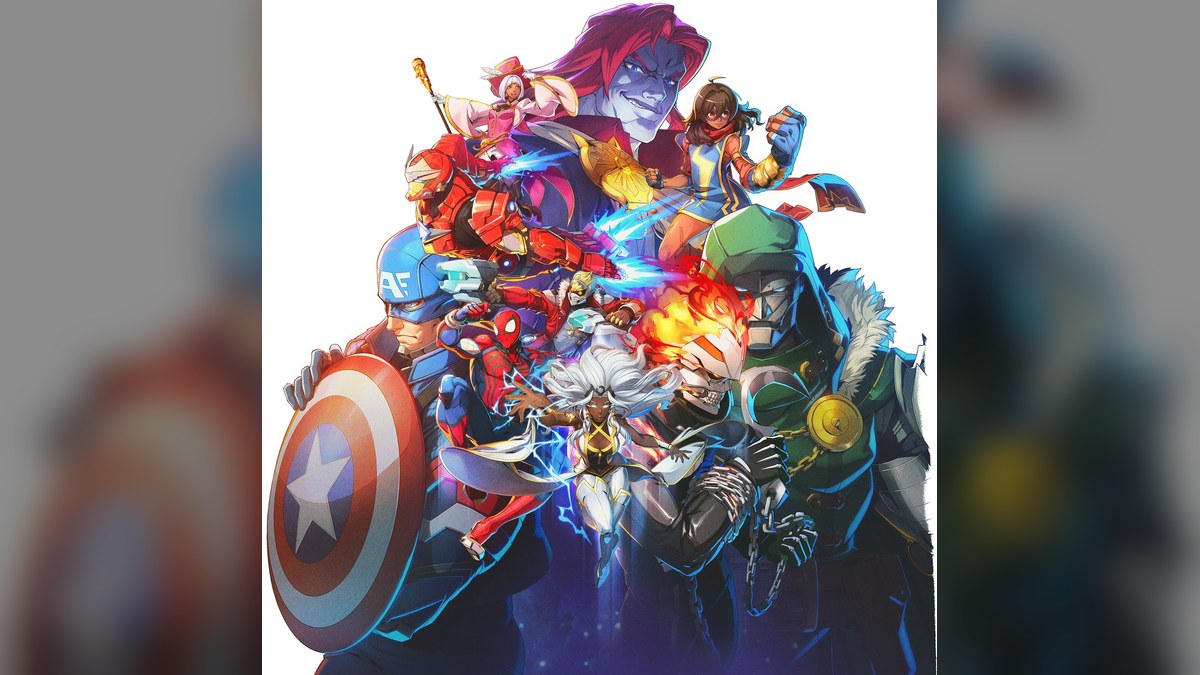
The full Marvel Tōkon roster at a glance
MARVEL Tōkon: Fighting Souls released on 6 August 2026 for PlayStation 5 and PC, developed by Arc System Works and published by Sony Interactive Entertainment. Here is every launch fighter:
| Team | Fighters |
|---|---|
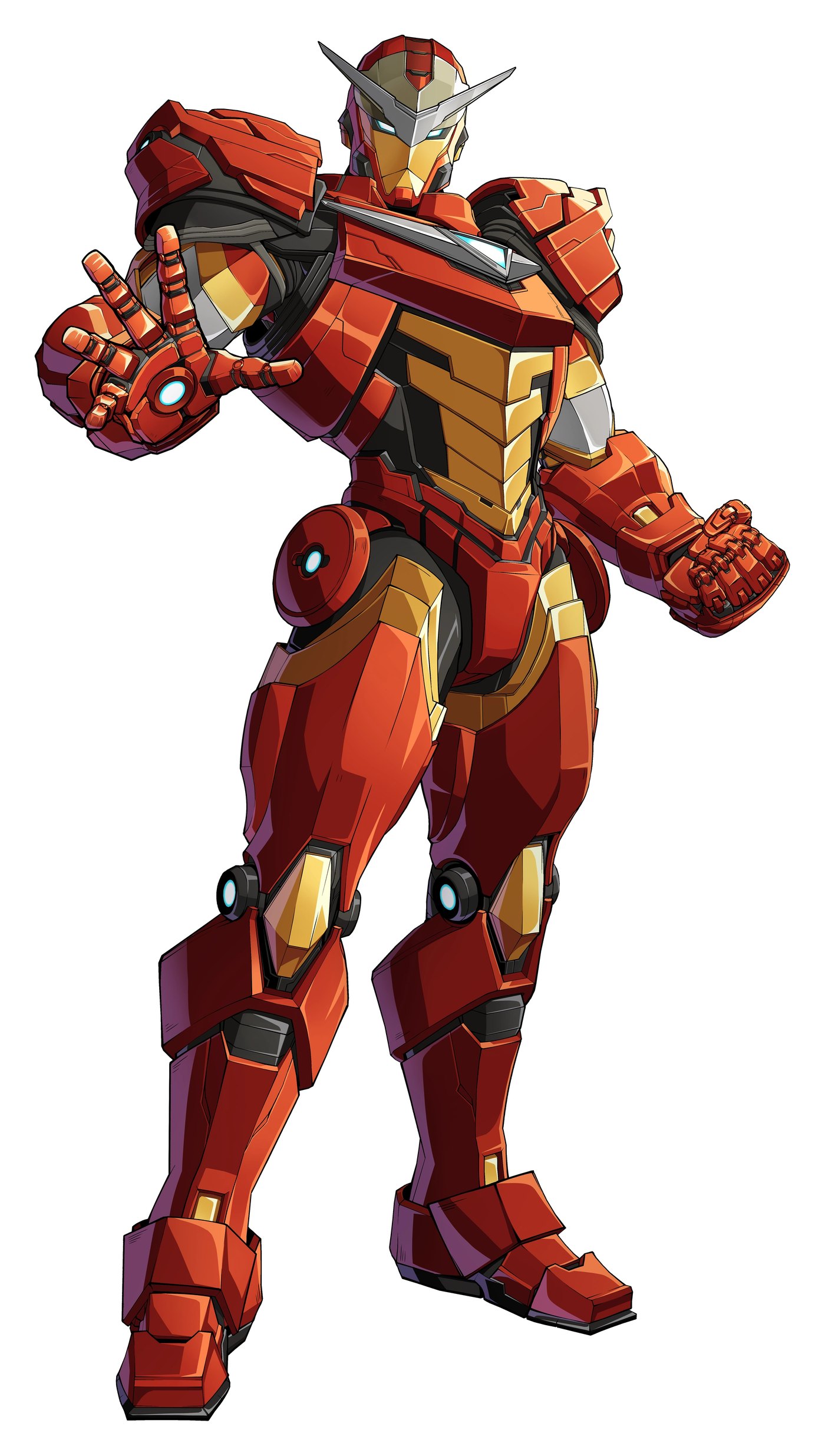
| Fighting Avengers | Captain America (Steve Rogers), Iron Man, Hulk (Bruce Banner), Black Panther (Shuri) |
| Unbreakable X-Men | Storm (Ororo Munroe), Wolverine (Logan), Magik, Danger |
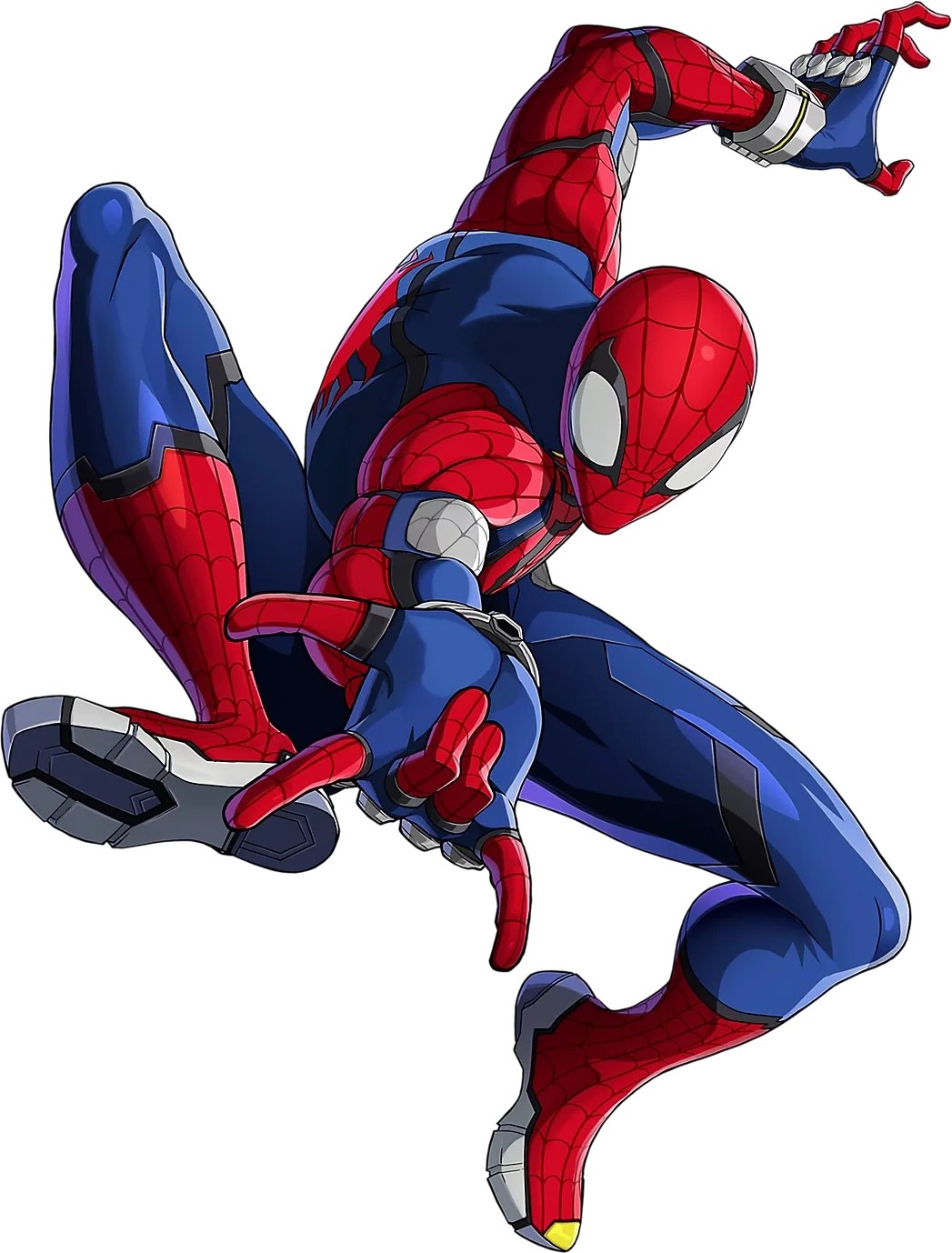
| The Amazing Guardians | Spider-Man (Peter Parker), Star-Lord (Peter Quill), Ms. Marvel (Kamala Khan), Peni Parker |
| Knights of Doom | Doctor Doom, Magneto, Green Goblin (Norman Osborn), Carnage (Cletus Kasady) |
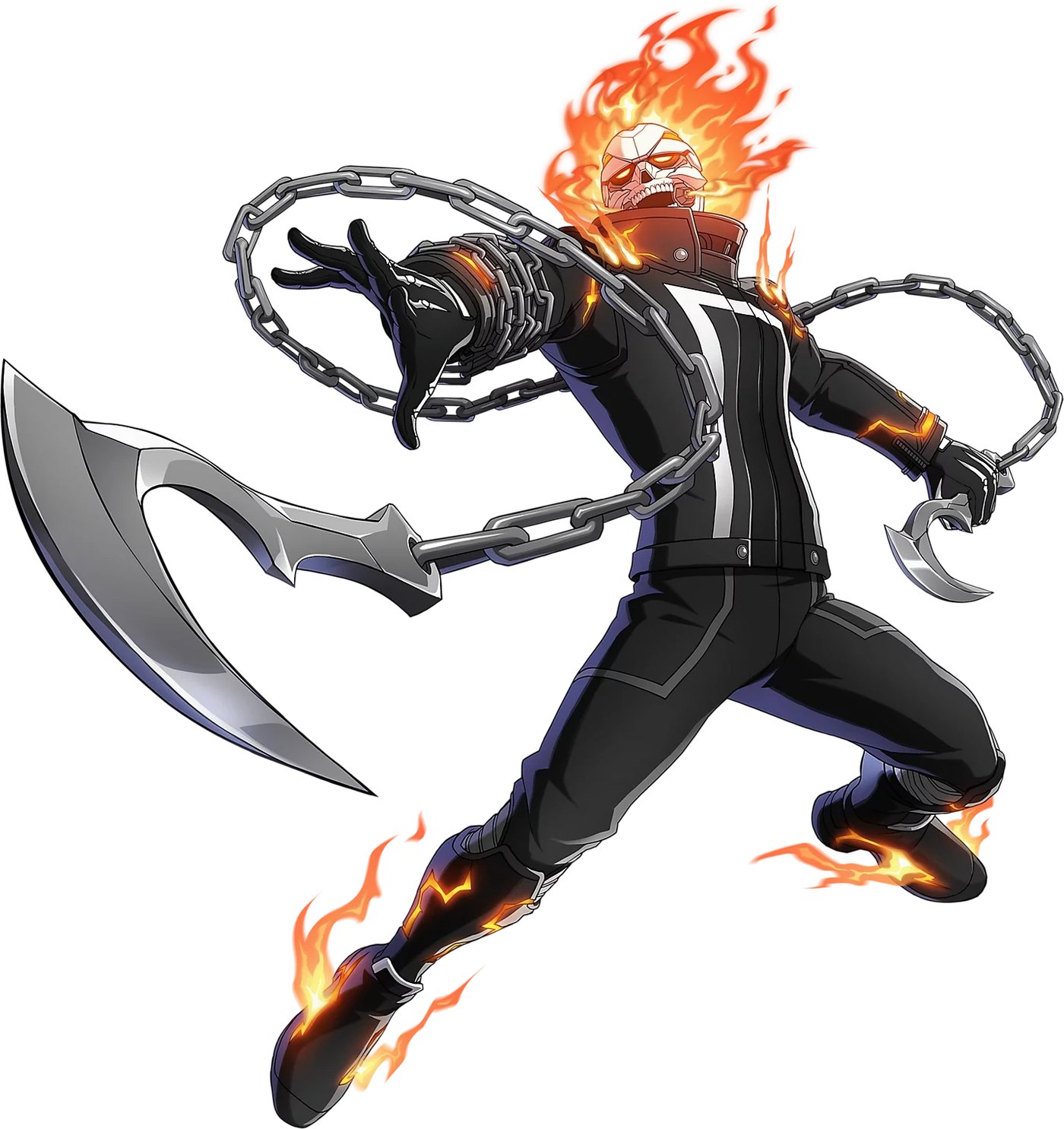
| Samurai Outriders | Ghost Rider (Robbie Reyes), Blade, Deadpool (Wade Wilson), Loki Laufeyson |
The teams are storylines, not just menu categories
This is the part that reframes the whole roster. Each of the five teams is the cast of its own story chapter in the game’s single-player Episode Mode — five separate narratives, each following one team against a shared antagonist.
Once you know that, the odd inclusions stop looking odd. Danger is on the X-Men team because she is X-Men lore — the sentient incarnation of the Danger Room. Peni Parker sits with the Guardians because that team is the Spider-adjacent and cosmic mix. The roster was cast the way you would cast a five-book crossover event, not the way you would fill a fighting game’s character grid.
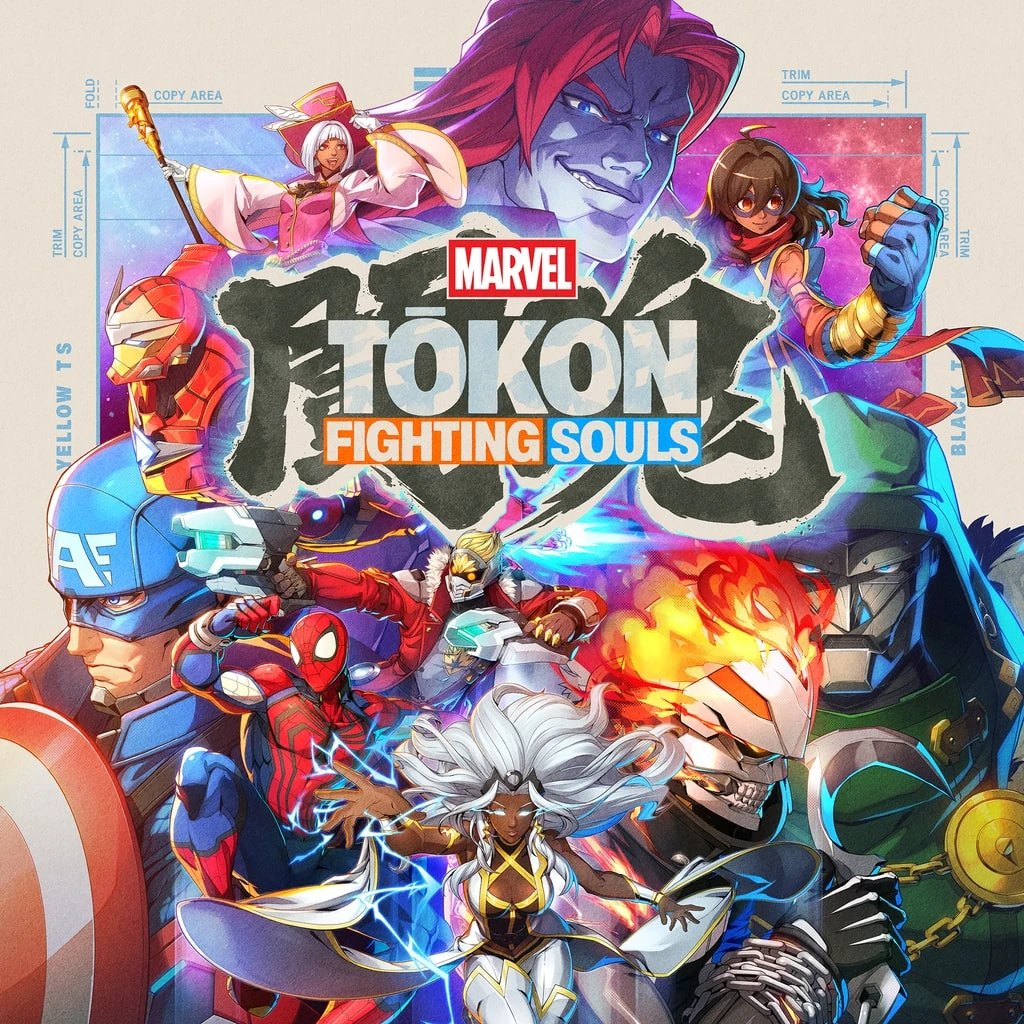
The deep cuts tell you which Marvel era this is
Look at who got the marquee identities. Black Panther is Shuri, not T’Challa. Ghost Rider is Robbie Reyes, not Johnny Blaze. Ms. Marvel is Kamala Khan. Add Danger, Magik and Peni Parker and a clear pattern emerges.
Almost every one of those is a legacy or alternate version that rose to prominence in the 2010s comics and the Spider-Verse era. This is not the 1990s Marvel vs. Capcom canon that older fighting-game fans might expect — it is a roster assembled from the modern books. If you have been away from Marvel comics for fifteen years, roughly a third of this cast will be unfamiliar, and that is by design rather than by accident.
For context on where several of these characters come from, our explainers on where to start with the X-Men and what a symbiote actually is cover the X-Men contingent and Carnage respectively.
Meet the Unbreakable X-Men
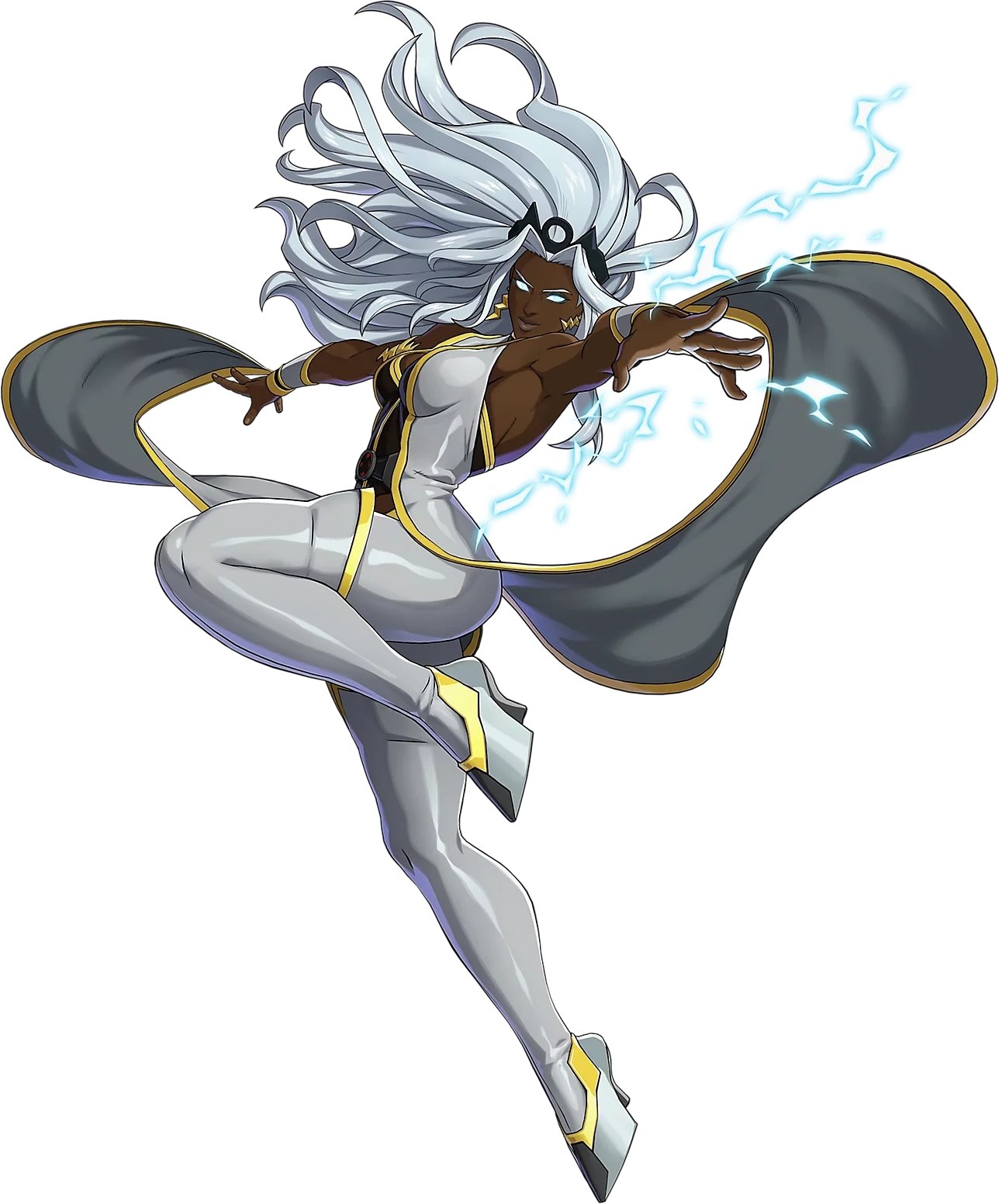
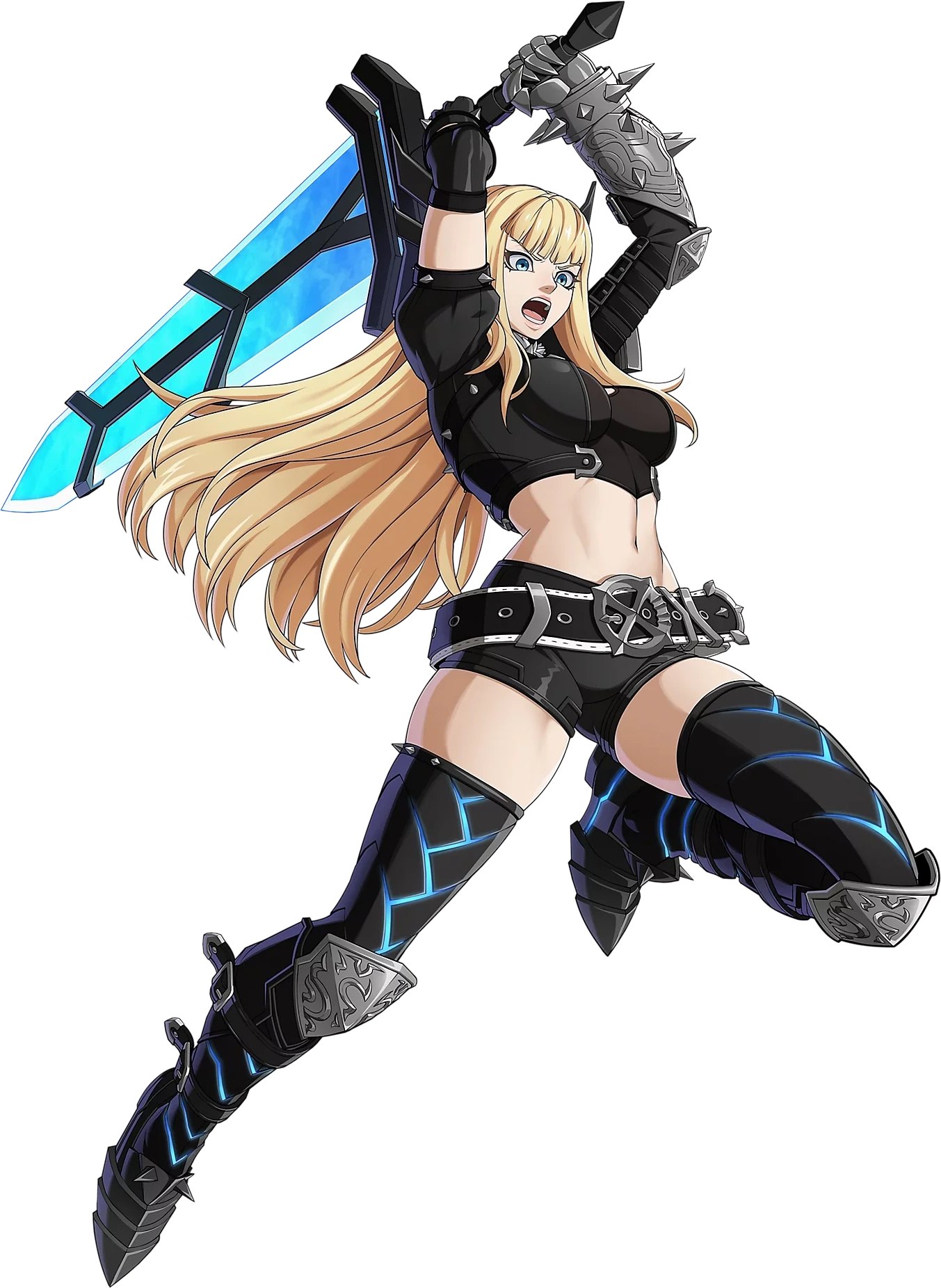
The X-Men team is Storm, Wolverine, Magik and Danger. It is the clearest example of the game’s casting logic: two icons, one fan-favourite with a distinctive weapon, and one genuinely obscure pick that only makes sense within X-Men lore.
The Fighting Avengers are the most conventional team
Captain America, Iron Man and Hulk are exactly who you would expect on an Avengers roster. The fourth slot is where it gets interesting: Black Panther is Shuri, T’Challa’s sister, who first took the mantle in the 2009 Black Panther series by Reginald Hudlin and Jonathan Maberry, and is better known to film audiences from Wakanda Forever.
Functionally, this is the team the game expects new players to start with. Three archetypes that translate instantly from decades of fighting games — a balanced shield user, a zoner with projectiles, and a heavyweight grappler — plus one agile technical character.
The Amazing Guardians blend Spider-Verse and cosmic Marvel
Spider-Man, Star-Lord, Ms. Marvel and Peni Parker is a genuinely odd grouping on paper — two Spider-characters, one Guardian and one Inhuman-turned-mutant. The connective tissue is generational: these are Marvel’s younger, more irreverent heroes.
Peni Parker is the pick that will send most players to a search engine. She debuted in 2014’s Edge of Spider-Verse and reached a much wider audience through Spider-Man: Into the Spider-Verse — a Japanese-influenced character who pilots a mech psychically linked to a radioactive spider. For a game built by a Japanese studio in an anime art style, she is close to an ideal fit.
The Knights of Doom are the only all-villain team
Doctor Doom, Magneto, Green Goblin and Carnage form the game’s villain bloc, and it is the one team whose name reflects an actual in-fiction allegiance rather than a marketing label. Doom leads; the other three are among the most recognisable antagonists Marvel has.
It is also the team with the widest power gap. Doom and Magneto operate at a world-threatening tier, while Green Goblin and Carnage are street-and-city-level threats. Fighting games flatten those distinctions by necessity, but it is worth noting if you come to this from the comics expecting the hierarchy to hold. Several of these names appear on our list of the best comic book villains ever written.
The Samurai Outriders are the strangest team — and the most revealing
Ghost Rider, Blade, Deadpool and Loki have no shared comics history as a unit. There is no “Samurai Outriders” book on any shelf. Arc System Works built this team from scratch, and it is the strongest evidence that the roster was assembled for the story mode first.
What connects them is tone rather than continuity: four antihero or outright villain figures with supernatural or morally grey angles. It is a team assembled the way a fighting game assembles a “dark” sub-roster, then given a story to justify it.
The unlockable fighter and the game’s own Marvel universe
Beyond the 20, The Champion is an unlockable character. He is Tryco Slatterus, one of the Elders of the Universe in Marvel comics, and he serves as Episode Mode’s antagonist alongside a second original character called The Promoter (Xirena Awhina).
The game also carries its own Marvel universe designation, Earth-358, and the Marvel Database lists a tie-in comic, Marvel Tōkon: First Strike. That is a notable amount of canon scaffolding for a fighting game, and it signals Marvel treating this as a story property rather than a licensing exercise.
How the roster size compares
Twenty launch fighters is modest by crossover-fighter standards. Marvel vs. Capcom 3 launched with 36 characters in 2011, and its Ultimate re-release pushed that to 50. Tōkon ships with fewer than half of that.
The trade-off is depth per character. Every fighter here carries a full story episode, a set of character-specific mechanics and bespoke animation work, rather than being one more portrait on an oversized grid. Whether that is the better deal depends entirely on whether you play fighting games for the roster count or for the individual characters.
Every confirmed DLC character so far
Sony and Arc System Works have committed to a Year 1 Characters and Stage Pass covering four additional fighters and one stage. The first was revealed at San Diego Comic-Con on 23 July 2026 via the PlayStation Blog.
| DLC | Release window |
|---|---|
| Phoenix Cyclops | October – December 2026 |
| Unannounced character | January – March 2027 |
| Unannounced character + new stage | April – June 2027 |
| Unannounced character | July – September 2027 |
The name points at a Phoenix-Force-empowered version of Scott Summers, though Sony has not published a full description of the character’s moveset or backstory yet. If you want the underlying comics background, we have explainers on who Cyclops is and how the Phoenix Force works.
Frequently Asked Questions
How many characters are in Marvel Tōkon?
There are 20 playable fighters in the launch roster, arranged in five teams of four, plus The Champion as an unlockable character. Four more fighters are planned across the Year 1 pass.
Who are the five teams in Marvel Tōkon?
Fighting Avengers, Unbreakable X-Men, The Amazing Guardians, Knights of Doom and Samurai Outriders. Each team has four fighters and anchors its own Episode Mode story chapter.
Is Deadpool in Marvel Tōkon?
Yes. Deadpool is part of the Samurai Outriders alongside Ghost Rider, Blade and Loki.
Who is the first DLC character in Marvel Tōkon?
Phoenix Cyclops, announced at San Diego Comic-Con in July 2026, with a release window of October to December 2026.
Which Ghost Rider is in Marvel Tōkon?
Robbie Reyes, the Ghost Rider introduced in 2014’s All-New Ghost Rider, rather than Johnny Blaze.