Every Avatar in the franchise, ranked: from Wan, the very first bridge between humans and spirits, through Aang and Korra, to Pavi and Nisha, the twin Avatars at the center of Avatar: Seven Havens — ranked by how much each one actually reshaped their world, not by how much screen time they got.
How We’re Ranking Them
The Avatar’s job is the same every incarnation: keep balance between the four nations and the spirit world, and step in when that balance breaks. This list ranks every named Avatar by how much their actions actually changed the world during their lifetime, and how well they met that core duty when it mattered most — not by likability or how much of the franchise they starred in.
8. Kuruk: The Cautionary Tale
Kuruk mastered the Avatar State faster than almost anyone and spent his youth showing off instead of training for the job, and the franchise treats that as the point. His arrogance let the spirit Koh the Face Stealer kill his betrothed, Ummi, and Kuruk spent the rest of his life trying and failing to atone for it. He’s the Avatar the franchise uses to show what happens when the job gets treated as a performance instead of a responsibility, which makes him the clearest last-place case on this list.
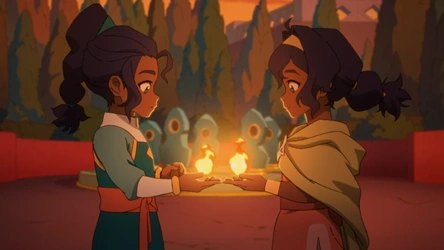
7. Pavi and Nisha: Too New to Judge, Which Is the Point
Seven Havens’ twist is that the Avatar split into two people for the first time in the franchise’s history, and CBR’s own breakdown of the Avatar cycle calls it exactly what it is: a genuine rule change, not a gimmick. Pavi and Nisha rank here because they haven’t had the chance to actually reshape anything yet — as of episode 9, Nisha has failed her Avatar trial and Pavi is still chasing a vision she can’t prove. That’s a fair place for them: the most interesting open question on this list, not yet a finished answer.
6. Yangchen: The Avatar Who Defined the Job’s Hardest Rule
Yangchen isn’t the Avatar most casual fans can name, but she’s the one later writers credit with articulating the central tension of the role: the Avatar has to act for the world, even when it costs them personally, even when their own people disagree with the call. That philosophy outlived her and shaped how Kyoshi, Roku, Aang and Korra all understood the job. Her actual reign gets less screen time than any other named Avatar, which is the only reason she isn’t ranked higher.
5. Roku: The Avatar Who Failed the One Time It Counted Most
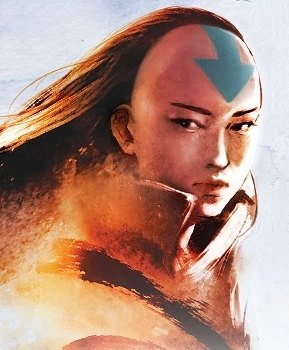
Roku spent his life as a wise, likable mentor figure, and then failed the single biggest test of his tenure: he knew his childhood friend Fire Lord Sozin was planning something catastrophic and didn’t stop him before Sozin wiped out the Air Nomads. That failure directly caused the Hundred Year War. Roku ranks in the middle because the stakes of his mistake were enormous, even though the mistake itself came from loyalty to a friend rather than negligence.
4. Wan: The Avatar Who Invented the Job, Flaws Included
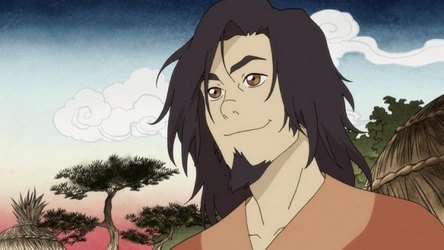
Wan is the reason the Avatar exists at all — he fused with the spirit of light, Raava, to stop the destructive spirit Vaatu, and that fusion became every Avatar after him. But Wan also made the Avatar cycle flawed on purpose by splitting the human and spirit worlds apart to end the original war, a decision Korra would later have to partially undo some ten thousand years later. He ranks above the bottom half for sheer consequence — nothing on this list happens without him — but below the top three because his solution created the very problem his successors kept inheriting.
3. Kyoshi: The Longest Reign and the Hardest Line
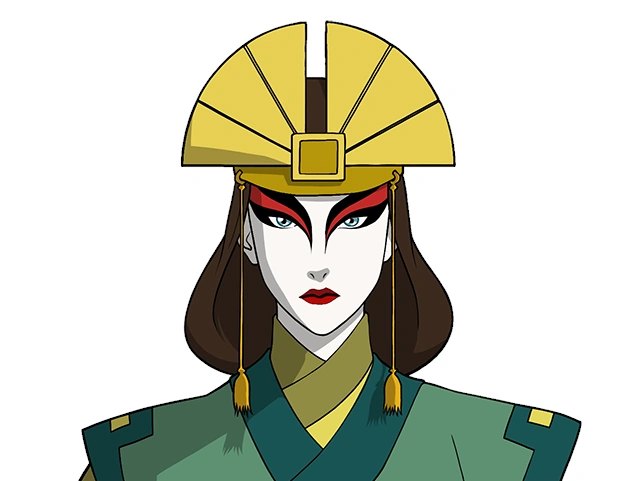
Kyoshi lived roughly 230 years, longer than any other confirmed Avatar, and used that time to draw harder lines than her predecessors were willing to. When the warlord Chin the Conqueror refused to yield, she split the land itself to strand him on what’s now Kyoshi Island rather than negotiate — a decision later Avatars debate as either necessary or excessive, which is exactly why it’s memorable. She also founded the Kyoshi Warriors and the Dai Li, institutions that outlasted her by centuries. Few Avatars changed as much physical and political ground as she did.
2. Korra: The Avatar Who Modernized the Job
Korra inherited a world Aang had already saved and still found enough to do: she stopped the Equalist uprising, fought off a literal dark Avatar possessed by Vaatu, and permanently reopened the physical spirit portals Wan had sealed, something no Avatar before her had managed. She did it during the franchise’s industrial era, fighting enemies who used mecha-tanks and bloodbending instead of just armies, and she’s the Avatar whose fandom reception was unfairly harsher than Aang’s for doing the same job in a harder world, as Seven Havens’ own writers keep returning to.

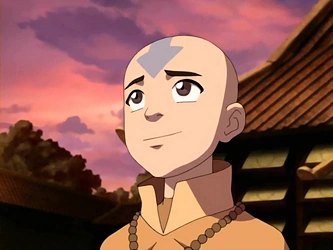
1. Aang: The Avatar Who Ended a War Without Becoming What He Fought
Aang gets the top spot because he solved the hardest version of the Avatar’s job: stop a hundred-year genocidal war without compromising the pacifism the Air Nomads raised him on. Every other Avatar on this list either uses force as a first option or gets pulled into compromises they regret. Aang spent the entire Hundred Year War refusing the one solution everyone told him was necessary — killing Fire Lord Ozai — and then invented a new bending technique, energybending, specifically so he wouldn’t have to. He ended a war that started because of Roku’s failure and Wan’s flawed cycle, and he did it on his own terms. No other Avatar on this list reshaped the world this much while staying this true to what the job was supposed to mean.
Where Seven Havens Fits Into the Cycle
Pavi and Nisha’s story is still being written on Paramount+’s weekly schedule, with Book One: Survival closing out October 30, 2026. Whether they end up closer to Aang’s end of this list or Kuruk’s depends on choices the back half of the season hasn’t made yet — see our full Avatar: Seven Havens guide for cast, streaming and the complete episode breakdown, and Gizmodo’s own deep dive on the Avatar cycle for more on how the twin-Avatar twist bends the franchise’s oldest rule.
Frequently Asked Questions
Who are all the Avatars in the Avatar franchise?
In order of the reincarnation cycle: Wan (the first Avatar), Yangchen (Air), Kuruk (Water), Kyoshi (Earth), Roku (Fire), Aang (Air), Korra (Water), and Pavi and Nisha, the twin Earth Avatars introduced in Avatar: Seven Havens.
Why are there two Avatars in Avatar: Seven Havens?
The Avatar spirit split into two people, Pavi and Nisha, for the first time in franchise history after Korra’s era ended in the Cataclysm. The show hasn’t fully explained why as of episode 9.
Who is the most powerful Avatar?
Korra and Aang are generally considered the most powerful in direct combat, but “most powerful” and “most effective” aren’t the same thing — this list ranks by real-world impact and how well each one met the Avatar’s core duty.
What order do the Avatar’s bending elements cycle in?
Fire, Air, Water, then Earth, repeating in that order after each Avatar’s death — the same order in which Wan, the first Avatar, originally mastered the elements.