The strongest symbiotes in Marvel Comics are ranked far more by cosmic power than by fame. Knull, the god who created the entire Klyntar race, sits above them all, followed by the dragon Grendel and the psychopathic offspring Toxin — both of whom outclass Carnage and Venom in a straight fight.
Last updated: August 30, 2026
New to the concept? Start with our companion explainer, What Is a Symbiote in Marvel? Venom, Carnage and the Klyntar Explained, which covers what these living alien organisms actually are and how bonding works. This list assumes that context and answers a different question: if every Klyntar symbiote in Marvel Comics fought at full strength, who would actually win?
How We Ranked Them
This ranking weighs demonstrated feats over merchandise popularity. A symbiote earns a higher slot for surviving or defeating cosmic-tier threats in actual storylines — not for how often it appears on a lunchbox. That is why Grendel and Toxin, both C-list by name recognition, rank above Spider-Man villains far more people have heard of.
It also means this list separates the Klyntar species itself from Knull, its creator. Knull is not technically a symbiote — he is the primordial being who made them out of the living abyss — but no ranking of “strongest symbiotes” is honest if it ignores the entity every other name on this page ultimately answers to.
1. Knull — The God of the Symbiotes
Knull is not a symbiote so much as the reason symbiotes exist: an ancient god of darkness who created the entire Klyntar race, along with the living blade All-Black the Necrosword, to wage war on the Celestials and the light of creation itself. Every other name on this list is, in the comics’ own terms, one of his abandoned children.
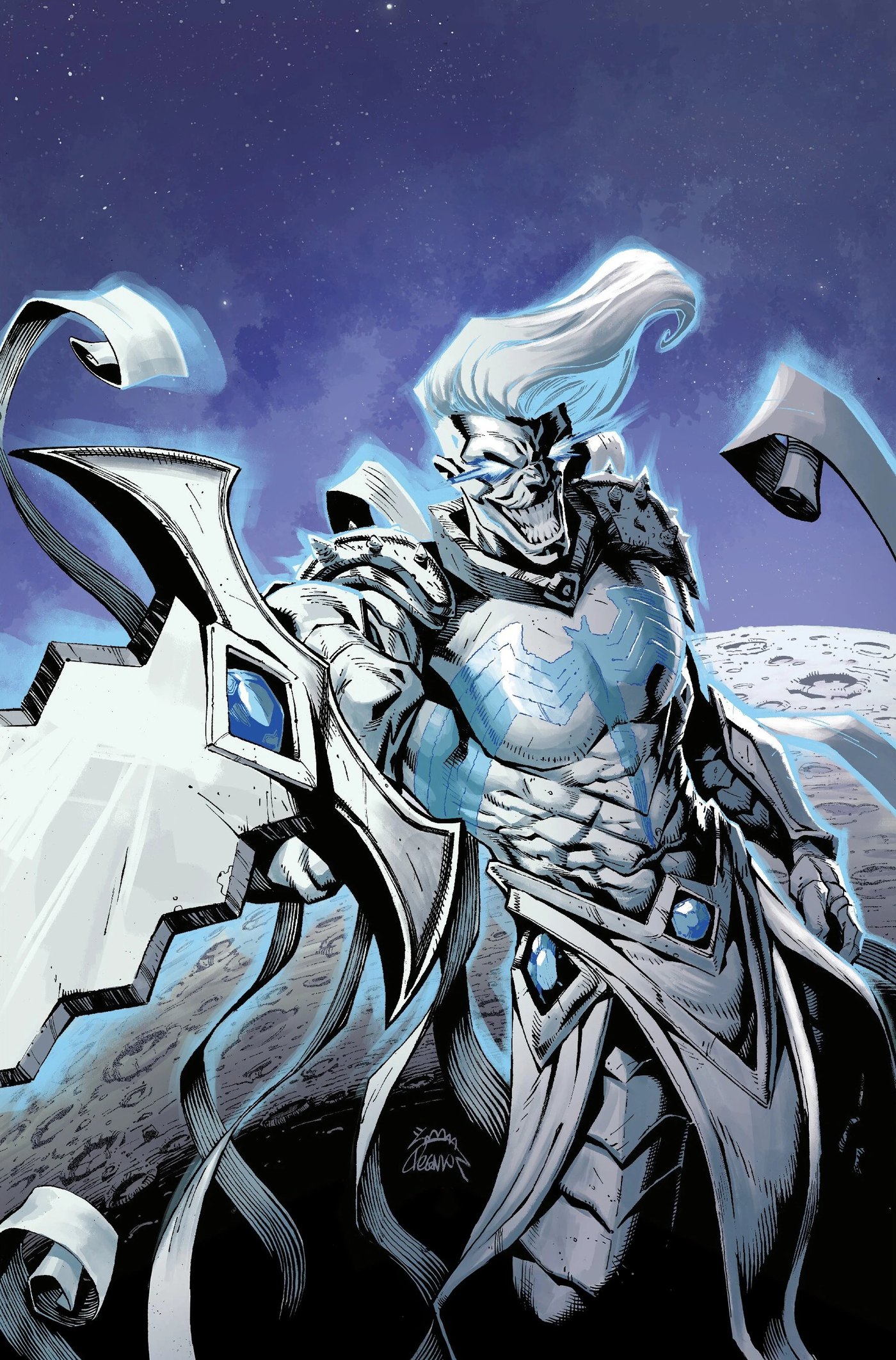
Knull first appeared as an unnamed force in Thor: God of Thunder #6 (April 2013), but was not identified and named until Venom Vol. 4 #3 (June 2018), created by writer Donny Cates and artist Ryan Stegman. The symbiotes eventually imprisoned him inside their own homeworld, which they named Klyntar — literally “cage” in their language — a detail that only makes sense once you know how badly they wanted him contained. See Marvel.com’s own profile of Knull for the full history.
2. Grendel — Knull’s Symbiote Dragon
Grendel is one of the symbiote dragons Knull manifested directly from his own blood, making it functionally a piece of a god rather than an ordinary Klyntar offspring. It is durable enough to have terrorized Viking-age Scandinavia centuries before Venom or Carnage existed and can spawn more dragons from its own body to build Knull an instant army.
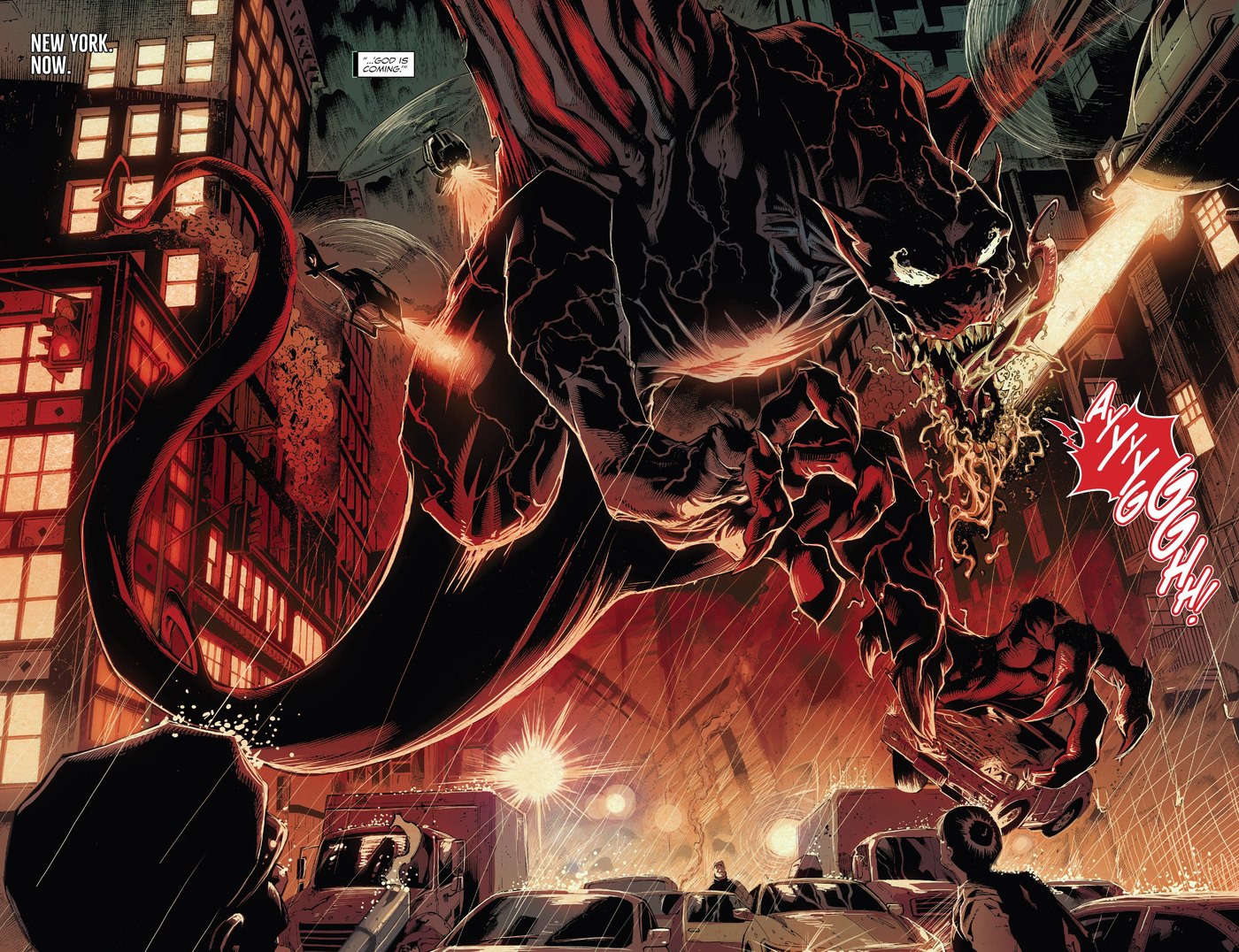
Grendel debuted in Venom Vol. 4 #1 (2018) as part of Knull’s backstory and returned as a central threat in the 2020–2021 “King in Black” crossover event, where Knull’s dragon fleet nearly overran Earth’s heroes. Because it answers directly to Knull and reproduces itself, Grendel arguably scales harder than any single humanoid symbiote on this list.
3. Toxin — The Strongest “Traditional” Symbiote
Toxin is the offspring of Carnage, and multiple stories have gone out of their way to establish it as stronger than Venom and Carnage combined — strong enough that even Knull, the god who made the whole species, reportedly treats it as a threat rather than a subject. That makes Toxin the ceiling for symbiotes that still count as ordinary Klyntar rather than god-tier entities.
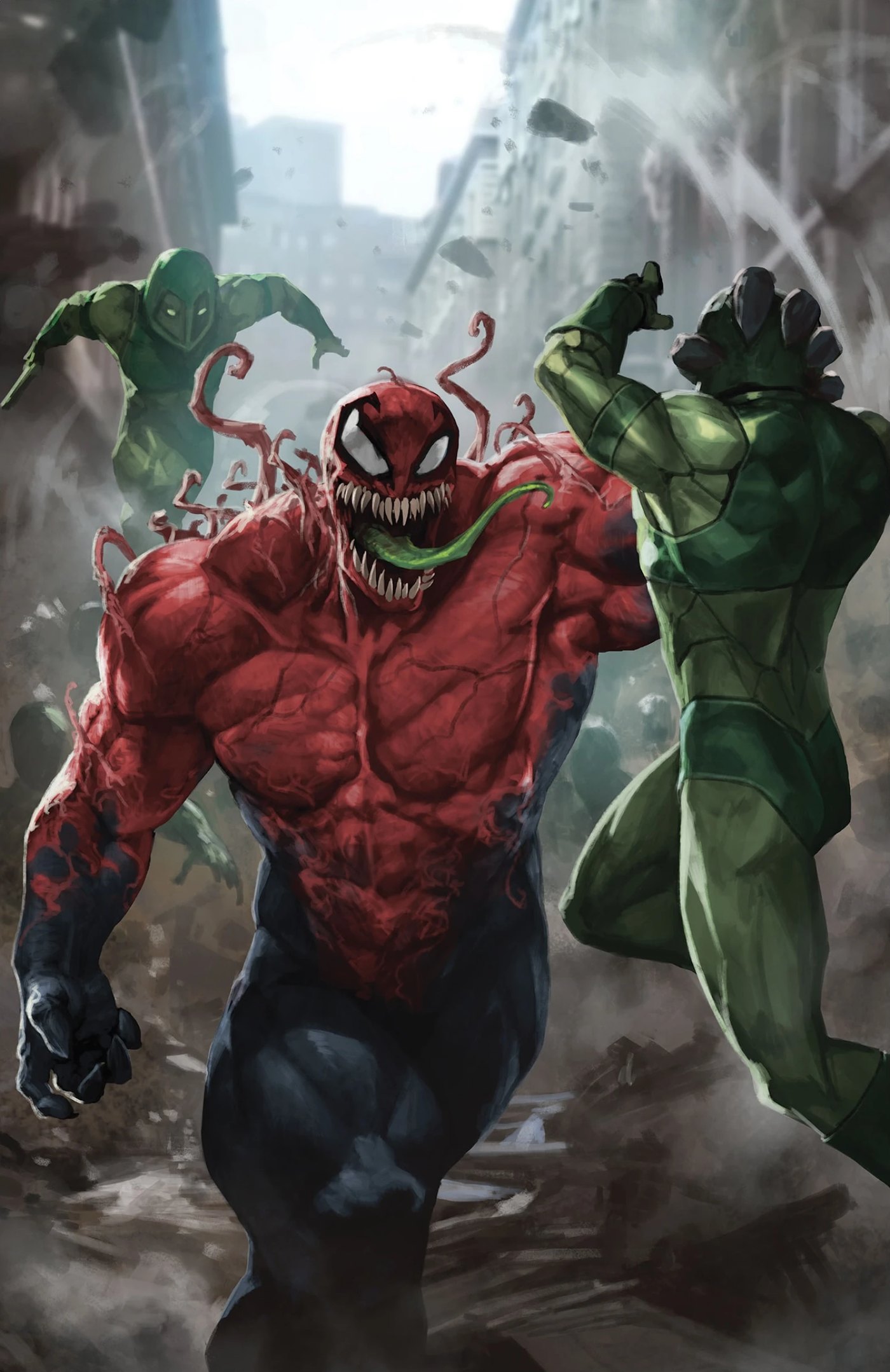
Cletus Kasady, disgusted by the idea of a symbiote “birth,” forcibly bonded the infant Toxin to rookie police officer Patrick Mulligan rather than keep it himself. Toxin first appeared in Venom/Carnage #2 (October 2004), and unlike its psychotic parent, it has more often been written as a reluctant hero — a rare case of a top-tier symbiote whose raw power is not matched by its host’s violence.
4. Carnage — Cletus Kasady’s Symbiote
Carnage bonds with serial killer Cletus Kasady and is consistently written as physically stronger than Venom, to the point that Spider-Man and Venom have repeatedly had to team up just to bring him down. Its bio-organic tendrils, faster regeneration, and total absence of Venom’s sonic and fire weaknesses make it a harder fight on paper than its more famous parent symbiote.
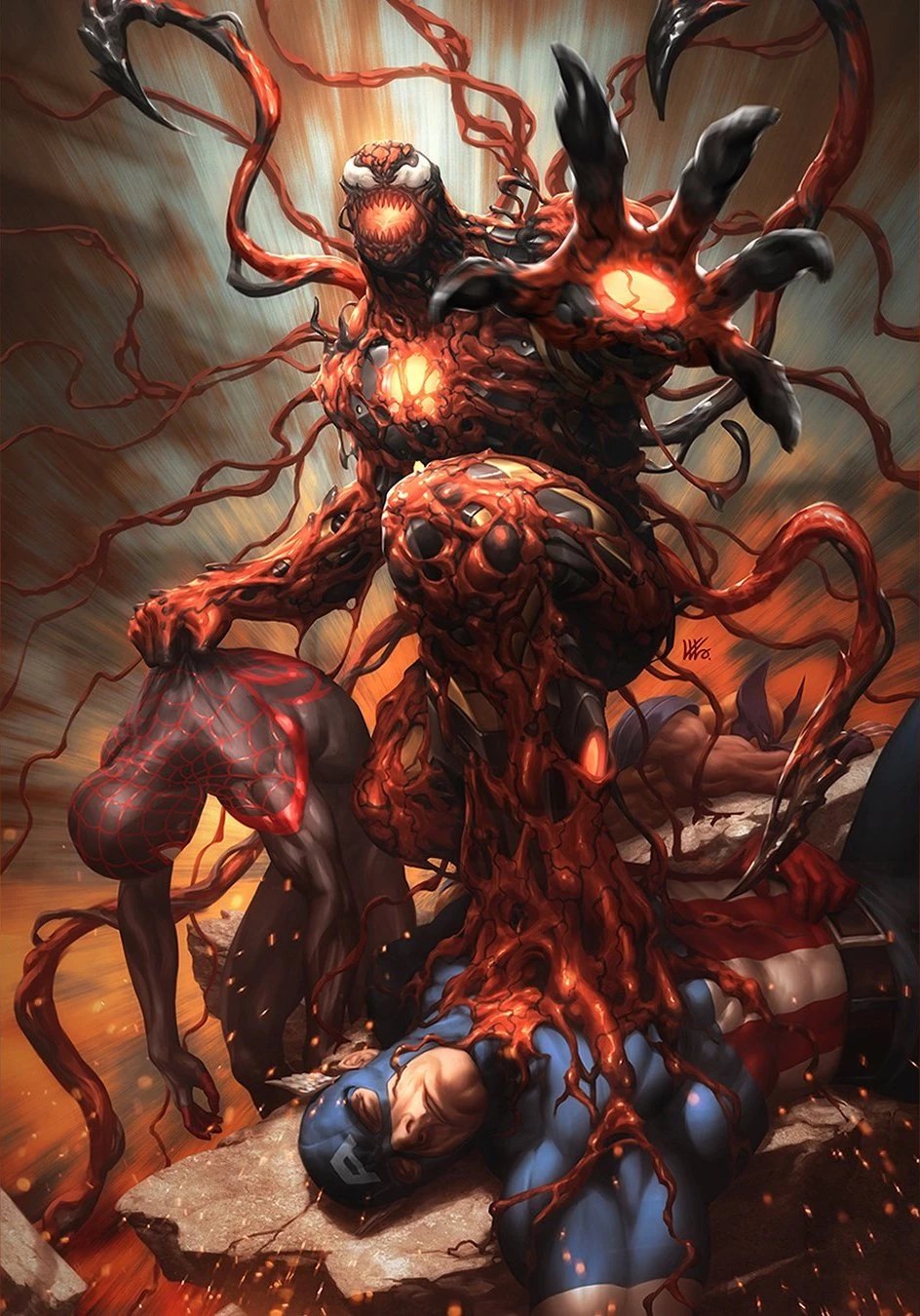
Carnage first appeared, unnamed, in The Amazing Spider-Man #345 (March 1991) and debuted fully under that name in The Amazing Spider-Man #361 (April 1992), created by David Michelinie and Mark Bagley. Cletus Kasady’s own instability is arguably Carnage’s only real limiter — the symbiote itself rarely loses a straight physical fight.
5. Riot — The Life Foundation’s Strongest Offspring
Riot is one of five Klyntar symbiotes the Life Foundation harvested from Venom, and it is routinely singled out as the strongest and most brutal of that batch — a reputation the 2018 Venom film leaned on directly by making Riot the final antagonist. In the comics, Riot’s gunmetal-gray form trades some of Carnage’s speed for raw physical power.
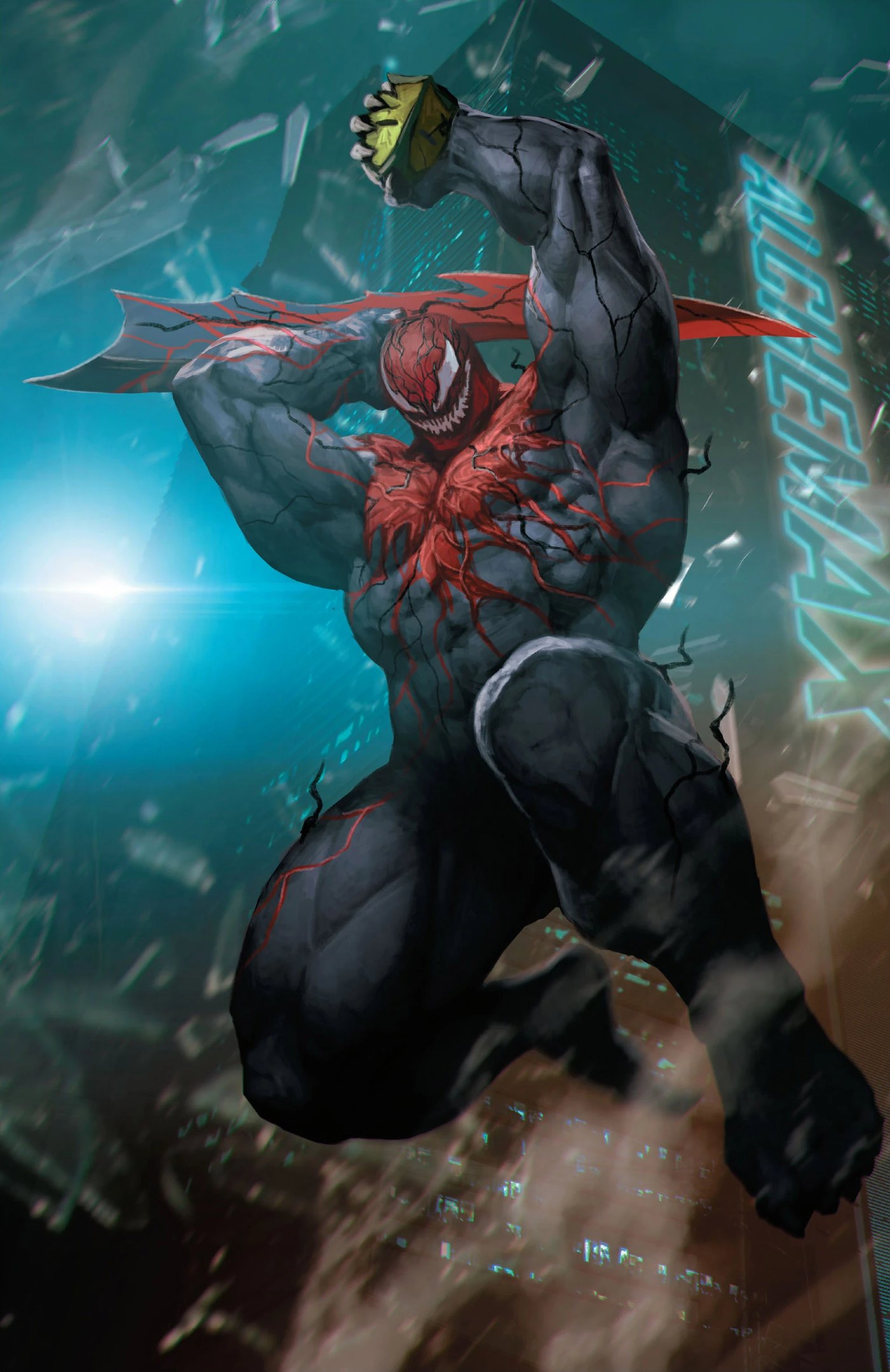
Riot had a cameo in Venom: Lethal Protector #4 (May 1993) and a full debut in Venom: Lethal Protector #5 (June 1993), alongside fellow Life Foundation symbiotes Scream, Lasher, Phage, and Agony. Riot’s signature trick — reshaping its body into blunt melee weapons mid-fight — has made it one of the more visually distinct symbiotes to draw, which is part of why it keeps getting picked for adaptations.
6. Venom — The Original Klyntar Symbiote
Venom is the symbiote that started the entire franchise, first bonding with Peter Parker during the 1984 “Secret Wars” storyline before rejecting him and eventually finding a permanent home with disgraced journalist Eddie Brock. In a pure power ranking Venom sits in the middle of the pack — Carnage, Riot, and Toxin all out-muscle it — but no other symbiote has matched its cultural and commercial footprint.
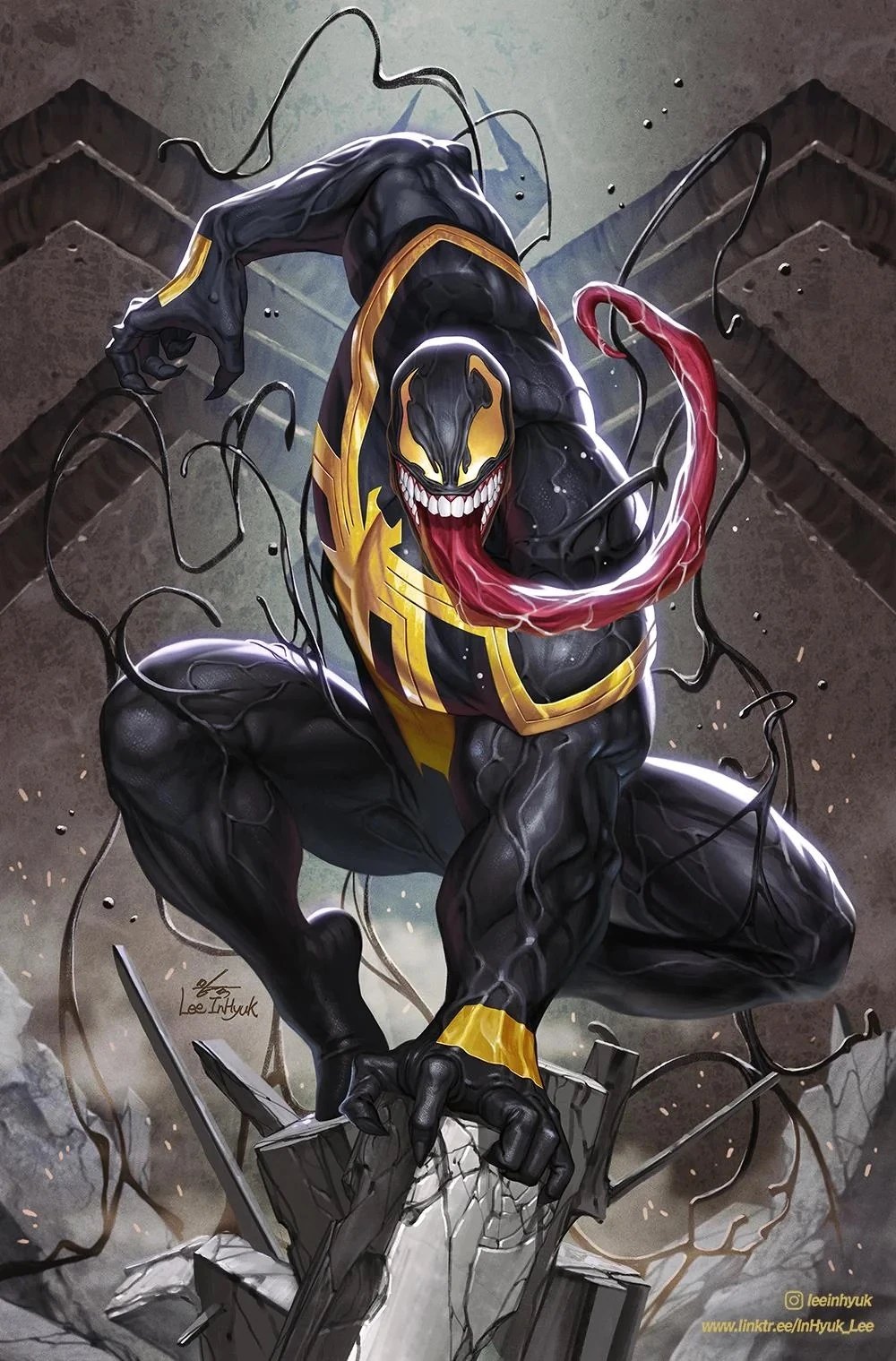
Venom (as Eddie Brock) first appeared fully in The Amazing Spider-Man #300 (May 1988), created by David Michelinie and Todd McFarlane. That staying power translates directly into box office: Sony’s Venom: The Last Dance had crossed $475.3 million worldwide by December 16, 2024, according to Deadline’s box office tracking — more than any single Carnage, Riot, or Toxin film has ever grossed, because none of them have gotten one.
7. Scream — The Sonic-Powered Life Foundation Symbiote
Scream, bonded to former Life Foundation scientist Donna Diego, channels its power through sound — sonic shockwaves and psionic shrieks that can stagger opponents who would otherwise shrug off a symbiote’s physical attacks. That specialization makes Scream less of a brawler than Riot or Carnage, but a nastier matchup against enemies who rely on hearing or concentration.
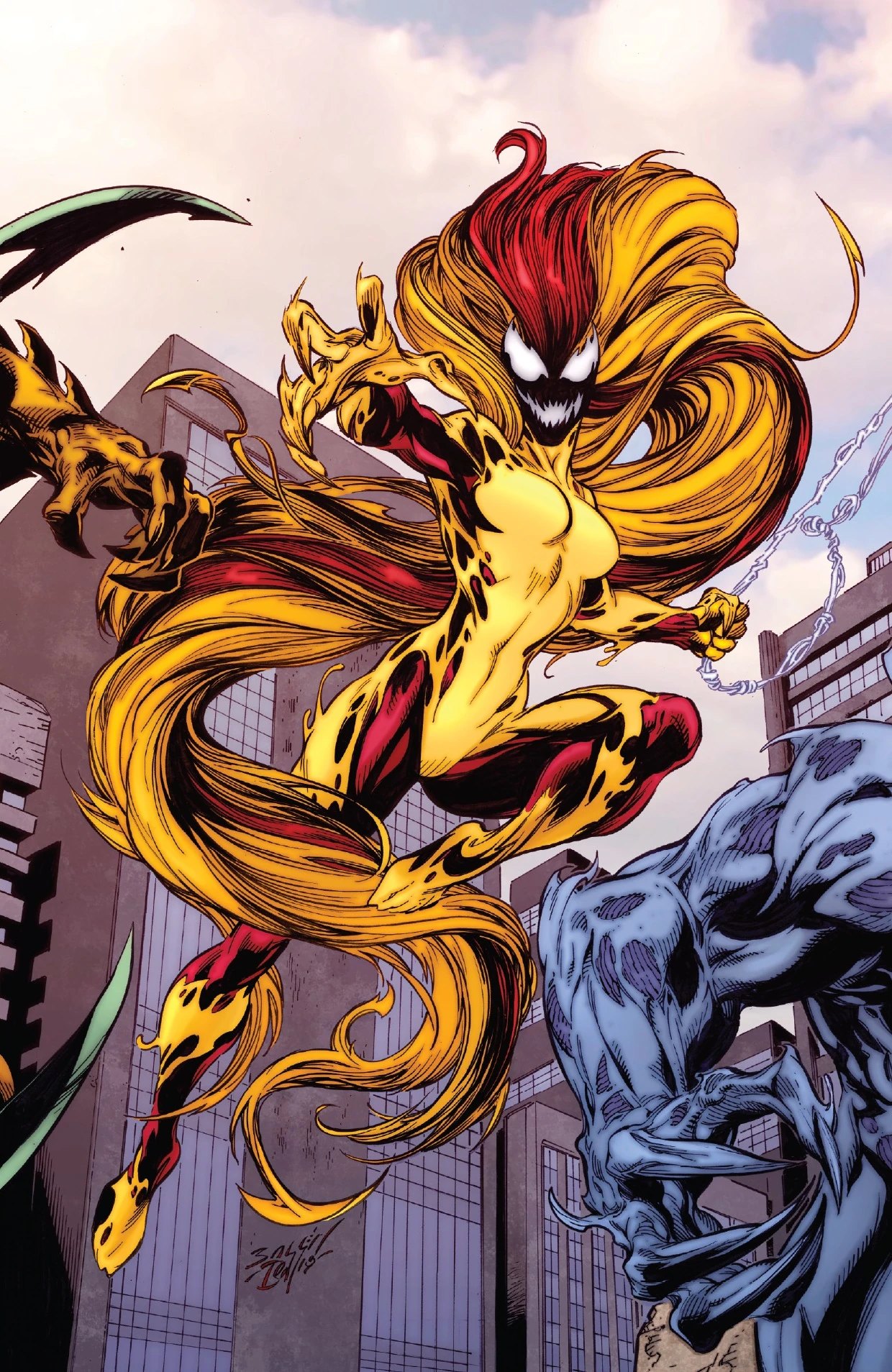
Scream debuted alongside the rest of the Life Foundation symbiotes in Venom: Lethal Protector #4 (May 1993). Marvel has repeatedly resurrected the character across different hosts, which is its own quiet evidence of how useful writers find a symbiote whose gimmick is sound rather than another set of teeth and tendrils.
8. Anti-Venom — The Symbiote That Heals Instead of Corrupts
Anti-Venom formed when the Venom symbiote tried to re-bond with a since-cured Eddie Brock and instead fused with the cancer-curing “Anti-Bodies” in his blood, creating a white-and-black symbiote whose touch neutralizes drugs, disease, and even other symbiotes on contact. It is the one entry on this list whose signature power is defensive and curative rather than purely destructive.
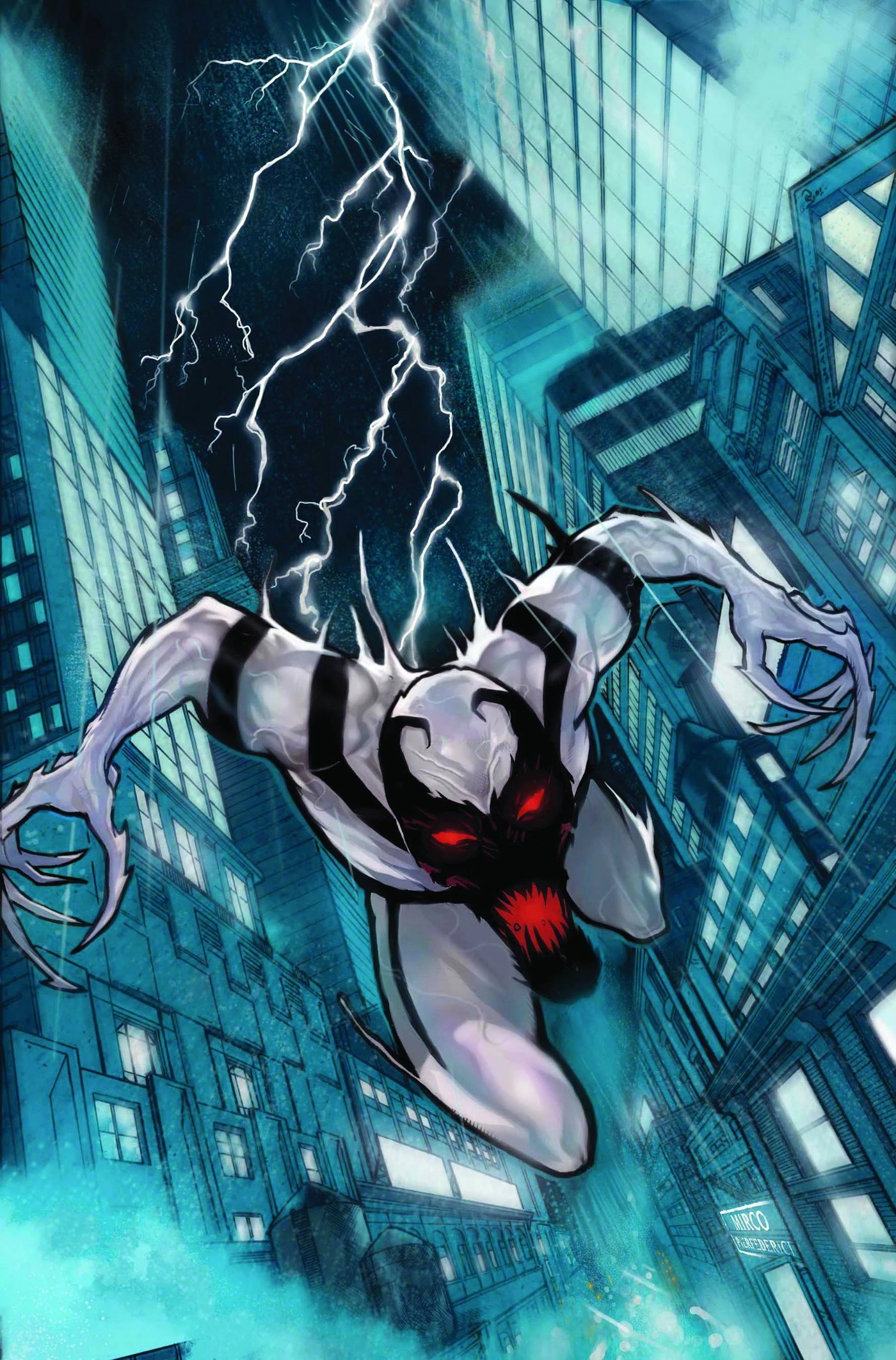
Anti-Venom first appeared in The Amazing Spider-Man #569 (August 2008), created by Dan Slott and John Romita Jr. as part of the “New Ways to Die” storyline. Its anti-symbiote antibodies are potent enough to strip Venom or Carnage off a host entirely, which is a narrower but arguably more strategically valuable power than simply hitting harder.
9. Hybrid — The Life Foundation’s Combined Symbiote
Hybrid was engineered from the genetic material of three other Life Foundation symbiotes — Lasher, Riot, and Phage — giving its host, soldier Ron Chen, a blend of their abilities rather than one specialty. That versatility makes Hybrid a strong generalist, even if it never individually surpasses the single strongest trait of the symbiotes it was built from.
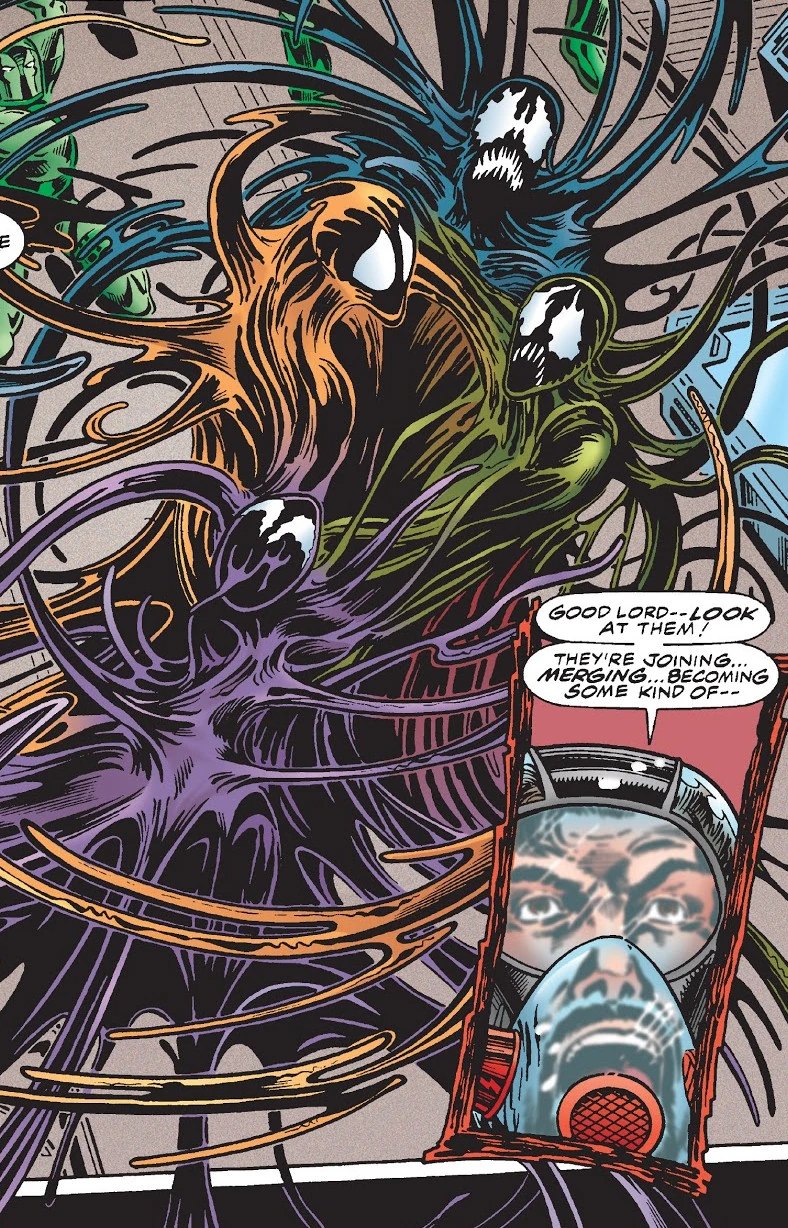
Hybrid first appeared in Venom: Along Came a Spider #1 (January 1996), written by Evan Skolnick with art by Patrick Zircher. It remains one of the clearer comic-page examples of Klyntar symbiotes being genetically combinable at all, a wrinkle later stories leaned on more heavily.
10. Mania — Andi Benton’s Symbiote
Mania began as a fragment of the Venom symbiote given to teenager Andi Benton to save her life during a gas attack, and it bonded to her permanently rather than remaining a temporary loan. Mania grants Andi standard Klyntar strength and camouflage, but its real distinction is being one of the more stable, cooperative human-symbiote pairings on this list rather than a one-sided takeover.
The character debuted, unnamed, in Rick Remender and Tony Moore’s 2011 Venom relaunch and was first bonded to the symbiote in Venom Vol. 2 #38 (July 2013), written by Cullen Bunn, before later taking the name Mania. Andi’s arc has made her one of the more sympathetic symbiote hosts in modern Marvel continuity.
11. Lasher, Phage & Agony — The Rest of the Life Foundation Five
Lasher, Phage, and Agony round out the five Life Foundation symbiotes harvested from Venom alongside Riot and Scream, and each leans on a different physical gimmick: Lasher’s whip-like tendrils, Phage’s size and brute strength, and Agony’s corrosive, acid-tipped attacks. None matches Riot or Scream in individual notoriety, but together they made the Life Foundation a five-symbiote army in a single story arc.
All three had cameo appearances in Venom: Lethal Protector #4 (May 1993) and full debuts in Venom: Lethal Protector #5 (June 1993). Their comparative obscurity today is less about raw power and more about the fact that Marvel has simply had fewer stories left to tell with three symbiotes whose entire identity is “one of Venom’s five kids.”
Symbiote Power Comparison Table
The table below lines up host, signature power, and first comic appearance for every symbiote on this list side by side, so you can see at a glance how far the power gap actually runs from Knull at the top to the Life Foundation’s lesser-known trio at the bottom.
| Rank | Symbiote | Primary Host | Signature Power | First Appearance |
|---|---|---|---|---|
| 1 | Knull | None (creator) | Living darkness, All-Black the Necrosword | Venom Vol. 4 #3 (June 2018) |
| 2 | Grendel | None (dragon) | Near-immortal symbiote dragon, self-replication | Venom Vol. 4 #1 (2018) |
| 3 | Toxin | Patrick Mulligan | Raw strength exceeding Venom and Carnage combined | Venom/Carnage #2 (Oct. 2004) |
| 4 | Carnage | Cletus Kasady | Bio-organic tendrils, rapid regeneration | Amazing Spider-Man #361 (Apr. 1992) |
| 5 | Riot | Life Foundation host | Shapeshifting melee weapons, raw power | Venom: Lethal Protector #5 (Jun. 1993) |
| 6 | Venom | Eddie Brock | Symbiote strength, camouflage, wall-crawling | Amazing Spider-Man #300 (May 1988) |
| 7 | Scream | Donna Diego | Sonic shockwaves, psionic shrieks | Venom: Lethal Protector #4 (May 1993) |
| 8 | Anti-Venom | Eddie Brock | Curative antibodies, anti-symbiote touch | Amazing Spider-Man #569 (Aug. 2008) |
| 9 | Hybrid | Ron Chen | Combined Lasher/Riot/Phage traits | Venom: Along Came a Spider #1 (Jan. 1996) |
| 10 | Mania | Andi Benton | Standard Klyntar strength, stable host bond | Venom Vol. 2 #38 (Jul. 2013) |
| 11 | Lasher, Phage, Agony | Life Foundation hosts | Whip tendrils, brute size, corrosive acid | Venom: Lethal Protector #5 (Jun. 1993) |
The Overlooked Variable: Which Symbiotes Help Their Host, and Which Just Take Over
Most symbiote power rankings measure only raw combat output, but a more useful axis is host stability: some Klyntar bond as genuine partners and amplify a host’s own will, while others simply overwrite it. That distinction explains why “weaker” symbiotes like Venom and Toxin have stayed relevant for decades while objectively stronger ones like Riot and Phage keep getting killed off within a single story arc.
Look at the pattern across this list. Anti-Venom’s entire power set is about healing rather than corrupting — it is the one symbiote whose signature ability makes its host’s life objectively better. Toxin was deliberately kept away from Cletus Kasady and given to a cop specifically because Kasady would have ruined it, and the character has spent two decades being written as a reluctant hero as a direct result. Mania and Eddie Brock’s Venom are both, in their current comic runs, written as functional partnerships rather than possessions. Compare that to Riot, Phage, Lasher, and Agony, all of which were built purely as weapons, used up in a handful of storylines, and largely shelved. Raw strength gets a symbiote onto a “strongest” list; a stable host is what keeps it on the page for thirty years.
Related Reading
For more on how symbiotes stack up against the rest of Marvel’s rogues gallery, see our rankings of the strongest Marvel villains and the broader best comic book villains of all time.
Frequently Asked Questions
Who is the strongest symbiote in Marvel Comics?
Knull, the god who created the entire Klyntar species, is the strongest symbiote-adjacent being in Marvel Comics. Among symbiotes that are not gods, Toxin and the dragon Grendel are usually ranked above Carnage and Venom, with Toxin specifically singled out as stronger than Venom and Carnage combined.
Is Carnage stronger than Venom?
Yes. Carnage, bonded to serial killer Cletus Kasady, is consistently written as physically stronger and faster than Venom, which is why Spider-Man and Venom have repeatedly had to team up to defeat him in storylines going back to the 1993 “Maximum Carnage” crossover.
Is Knull technically a symbiote?
Not exactly. Knull is the ancient god who created the Klyntar symbiote race and the living sword All-Black the Necrosword, but he predates the species itself. He is included at the top of most symbiote power rankings because every other symbiote traces back to him.
What is the weakest Life Foundation symbiote?
Among the five Life Foundation symbiotes harvested from Venom (Riot, Scream, Lasher, Phage, and Agony), Lasher, Phage, and Agony are generally considered the weakest and least developed, receiving far less story focus than Riot or Scream after their 1993 debut in Venom: Lethal Protector.